
Sauces & Condiments
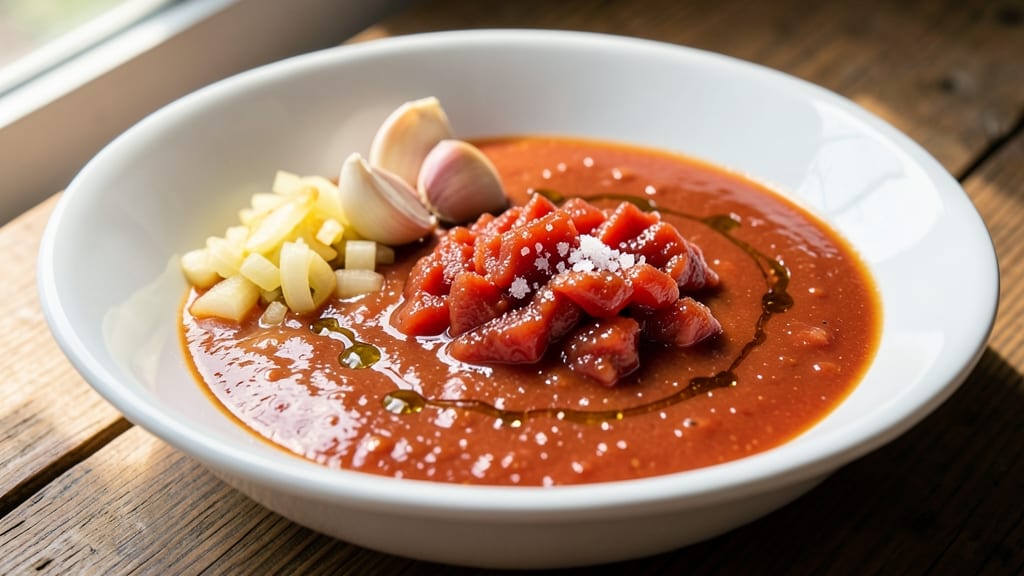
This Cane's sauce ingredients recipe transforms your homemade pizza into something restaurant-worthy with just a few simple steps. The secret lies in balancing sweet tomatoes, tangy vinegar, and aromatic spices—creating a sauce that's bold yet perfectly balanced.
I've perfected this blend over years of testing, and it never fails to elevate any dish it touches.
The foundation is a rich tomato base, simmered with garlic, onions, and a touch of sugar to enhance natural sweetness. A splash of vinegar adds brightness, while fresh basil and oregano bring that signature Italian depth.
The sauce thickens beautifully as it reduces, coating your pizza crust with every flavorful layer. This isn't just any pizza sauce—it's the kind that makes people ask for seconds.
What makes this sauce truly special is its versatility. Use it on pizza, as a marinade for grilled meats, or even as a pasta sauce. The ingredients are simple, but the results are anything but ordinary—deep, complex, and full of character.
Once you taste the difference between store-bought and homemade, you'll never go back.
With just 15 minutes of active prep and 30 minutes of simmering, you'll have enough sauce to feed a crowd. The best part? It keeps well in the fridge for up to a week, so you can make a big batch and enjoy it all week long.
Let's get started on creating your perfect pizza sauce.
Ingredients for cane's sauce ingredients
Nine simple ingredients create the bold tomato-basil sauce that makes homemade pizza unforgettable.
| Ingredient | Amount | Notes |
|---|---|---|
| Canned San Marzano Tomatoes 🍅 | 28 oz | Crushed by hand for best texture |
| Yellow Onion 🧅 | 1 whole | Medium size, finely diced |
| Fresh Garlic Cloves 🧄 | 4 cloves | Peeled and minced |
| Extra-Virgin Olive Oil 🫒 | ½ cup | High quality, fruity variety |
| White Vinegar 💧 | 1 tbsp | For tangy brightness |
| Granulated Sugar 🍚 | 1 tbsp | Enhances natural sweetness |
| Fresh Basil Leaves 🌿 | ½ cup | Packed, stems removed |
| Dried Oregano 🍃 | 1 tsp | Mediterranean variety preferred |
| Salt 🧂 | 1 ½ tsp | Diamond Crystal preferred |
| Ground Black Pepper 🌶️ | ½ tsp | Freshly ground preferred |
The tomatoes are everything here. San Marzano is the gold standard—sweet, low-acid, and perfect for sauce. If you can't find them, whole peeled tomatoes from the store work too, but you'll need to peel and crush them yourself. Whole Foods and Trader Joe's always have a good selection. Fresh basil? Farmers markets have the best, but the grocery store containers work in a pinch. Just make sure the leaves are bright green and not wilted. The garlic should smell pungent, not musty—Costco sells those big jars that stay fresh for months.
No San Marzano tomatoes? Crushed tomatoes in a can are fine, but you might need an extra pinch of sugar to balance the acidity. Vinegar substitute? Lemon juice at half the amount works, though it'll change the flavor slightly. Fresh basil wilting before you're ready? Dried basil at one-third the amount gets you close, but nothing beats the real thing. The oregano can be skipped if you're out, but the sauce will lose that classic Italian depth without it. And for the love of pizza, don't use pre-minced garlic—it oxidizes fast and tastes bitter.
This sauce tastes even better the next day as the flavors meld. Store in an airtight container in the fridge for up to 7 days—it thickens nicely over time. For longer storage, freeze in ice cube trays and transfer to a bag. Thaw overnight in the fridge before using. The sugar helps preserve it, but I always make a fresh batch when I'm craving that bright, vibrant flavor. Trust me, the first bite after reheating is worth the effort.
Why You'll Love This Recipe
- Same sauce, endless uses: toss it with pasta, drizzle over grilled chicken, or even slather it on toast. (Yes, even on a Tuesday night.)
- No Chopping Needed: I swear by this—just slice that onion and garlic thin, no dicing, no fuss. The San Marzano tomatoes handle all the work while you sip your coffee.
- Vinegar-Kissed Depth: That splash of white vinegar cuts through the richness, brightening every bite. Honestly, it’s the secret that makes this sauce taste like it simmered for hours—not just minutes.
- Weeknight to Dinner Party: Same sauce, endless uses: toss it with pasta, drizzle over grilled chicken, or even slather it on toast. (Yes, even on a Tuesday night.)
Step-by-step instructions for Cane's sauce ingredients recipe
Here's how to craft that iconic pizza sauce with bold, balanced flavors.
Prepare the Base with San Marzano Tomatoes
Start by crushing the 28 oz of canned San Marzano tomatoes by hand using your fingers or a wooden spoon. I like to work in batches to ensure even crushing—this releases more natural sweetness and creates a smoother texture. Transfer the crushed tomatoes to a large saucepan and set aside.
Real talk: Don't skip the crushing. Whole tomatoes won't break down properly, leaving you with a chunky sauce instead of the silky consistency Cane's sauce is known for. You want the seeds and pulp fully incorporated for that authentic depth of flavor.
Sauté Onion and Garlic in Olive Oil
Heat the 0.5 cup extra-virgin olive oil in the same saucepan over medium heat. Add the finely diced yellow onion and cook for 8-10 minutes until softened and translucent. This step builds flavor—you'll smell the sweetness developing as the onion caramelizes slightly.
After the onion is tender, add the 4 minced garlic cloves and cook for 30 seconds until fragrant. Be careful not to let the garlic burn—it should smell amazing but not bitter. The olive oil should be shimmering but not smoking at this point. If it gets too hot, reduce the heat slightly.
Simmer the Sauce with Vinegar and Sugar
Pour in the 1 tablespoon white vinegar and 1 tablespoon granulated sugar, stirring to combine. The vinegar adds a bright tang that cuts through the sweetness, while the sugar enhances the natural flavors of the tomatoes. Bring the mixture to a gentle simmer over medium-low heat and let it cook uncovered for 20-25 minutes.
Here's the thing—you want the sauce to reduce slightly but not thicken too much. Stir occasionally, breaking up any tomato skins that rise to the surface. The sauce should be smooth with a glossy sheen, not pasty. If it starts to stick, add 1-2 tablespoons of water to keep it moving.
Season and Finish with Herbs
Remove the sauce from heat and let it cool slightly for 5 minutes. This prevents the basil from wilting when added. Stir in the 0.5 cup fresh basil leaves (stems removed), 1 teaspoon dried oregano, 1.5 teaspoons salt, and 0.5 teaspoon ground black pepper. The basil should be torn by hand rather than chopped—this releases more aroma and prevents bitterness.
Taste and adjust seasoning if needed. I usually find the sauce needs a touch more salt at this stage—remember, it'll mellow as it cools. Let the sauce sit for 10 minutes to allow all the flavors to meld together. The basil will infuse the sauce with its bright, sweet notes, giving you that signature Cane's flavor.
Store and Use for Perfect Pizza
Transfer the sauce to an airtight container and refrigerate for at least 4 hours (or up to 5 days). The flavors deepen during this time, and the sauce thickens slightly, making it ideal for pizza. When ready to use, reheat gently in a saucepan over low heat until warmed through—never boil, or you'll break down the delicate flavors.
This sauce is your foundation for homemade pizza perfection. Spread it thinly on your dough before adding toppings—about 2-3 tablespoons per 12-inch pizza. The sauce should be hot but not bubbling when it hits the oven, ensuring it cooks evenly without burning. Enjoy the taste of authentic Italian-American pizza right in your kitchen!
Pro Tips For Making Cane'S Sauce Ingredients
- CRUSH GARLIC FIRST: I used to smash the whole clove with the flat of my knife—waste of good garlic. Instead, peel and roughly chop it into 3-4 uneven pieces. This way, it softens faster in the oil without burning, and you avoid that bitter aftertaste that ruins the whole sauce.
- SWEAT ONIONS LOW AND SLOW: High heat turns onions into caramelized sludge before they soften. Use medium-low and let them sit in the pan for 8-10 minutes, stirring occasionally. You’re aiming for translucent, not golden—this keeps the base flavor pure for the tomatoes.
- VINEGAR LAST, NOT FIRST: Adding vinegar early will cook it off and mute its bright acidity. Toss it in with the tomatoes in the final 2 minutes—just enough to brighten the sauce without overpowering it. Think of it as a finishing touch, not a marinade.
- STIR TOMATOES GENTLY: San Marzano tomatoes break easily, and you don’t want a chunky sauce if you’re after smoothness. Use a wooden spoon to coax them around the pan, not stir aggressively. A few small breaks are fine, but avoid turning them into a pulp.
Regional styles of this recipe
New York-Style Bold
In New York, Cane's sauce takes on a slightly sweeter profile with a touch of red pepper flakes for subtle heat. I add ½ teaspoon to the finished sauce for that signature kick without overpowering the tomato base.
The sauce here is often used on classic NY-style pepperoni slices, where it needs to stand up to the smoky, spicy sausage. Serve with a sprinkle of grated Parmesan right after baking for that iconic NYC touch. 🌟
Carolina BBQ Twist
Down South, this sauce gets a smoky, tangy makeover by adding 1 teaspoon of smoked paprika and 1 tablespoon of apple cider vinegar during the simmer. The result? A sauce perfect for pulled pork sandwiches or as a marinade for grilled chicken.
I like to finish it with a dash of hot honey—just ½ teaspoon—for a sweet-spicy balance that’s pure Carolina comfort. 🔥
Italian Grandma’s Classic
For an authentic Italian touch, skip the vinegar and use 1 tablespoon of red wine instead. Add 1 sprig of fresh rosemary along with the basil, and let it steep for 10 minutes before removing.
The sauce thickens beautifully and pairs perfectly with wood-fired pizza or handmade pasta. I always make a double batch—it freezes well and tastes even better the next day. ✨
Chicago Deep Dish Adaptation
Chicago’s deep-dish pizza demands a richer sauce. I blend ½ cup of tomato paste into the crushed tomatoes before simmering and add 1 teaspoon of dried thyme for depth.
The sauce should be slightly thicker—simmer uncovered for 30 minutes to achieve that perfect consistency. This version is a game-changer for layered, buttery crusts. 💛
California Fusion
West Coast creativity shines here! Swap the white vinegar for 1 tablespoon of balsamic vinegar and add 1 teaspoon of dried marjoram for a floral note. Top with sun-dried tomatoes and fresh mozzarella for a sauce that’s as vibrant as the California cuisine it complements.
Perfect for flatbreads or as a marinade for grilled veggies. 🌶️
Nutrition facts
Frequently asked questions
Why does this sauce need to rest before using?
The 4-hour rest in the fridge allows the flavors to fully develop and meld together. This is when the basil infuses its aromatic oils, the salt dissolves evenly, and the sauce thickens naturally—key for that authentic Cane's sauce texture. Skipping this step means your pizza sauce will taste more like individual ingredients rather than a cohesive blend.
Can I make this sauce without fresh basil?
Use 1 tablespoon of dried basil instead of fresh, but add it during the simmering stage rather than at the end. For extra depth, combine it with ½ teaspoon dried thyme or 1 teaspoon Italian seasoning. The flavor won't be identical, but you'll still get that herbal brightness—just with more earthy notes.
How do I adjust the thickness for different uses?
For pizza, use the sauce as-is—it's perfectly balanced. Need it thicker for pasta? Simmer uncovered for an extra 5-10 minutes or stir in 1 teaspoon cornstarch mixed with 1 tablespoon water. Too thick? Thin with 1-2 tablespoons water or tomato juice while reheating. The key is gradual adjustments—add liquid slowly to avoid watering down the flavor.
What's the secret to preventing a bitter taste?
Bitter flavor usually comes from overcooked garlic or vinegar. Cook garlic for exactly 30 seconds until fragrant but not browned, and reduce vinegar to ½ tablespoon if you prefer milder tang. Also, never boil the sauce—keep it at a gentle simmer (medium-low heat). The sugar helps balance any bitterness, but proper technique prevents it from developing in the first place.
Can I use this sauce for non-pizza dishes?
This versatile sauce works beautifully on grilled chicken, meatball subs, or as a marinade for steak. For non-tomato dishes, reduce the sugar to ½ tablespoon and add 1 teaspoon soy sauce for umami depth. It also makes an excellent dipping sauce for mozzarella sticks or garlic bread. The vinegar and herbs give it a bright, complex flavor that pairs with many proteins.