
Sauces & Condiments
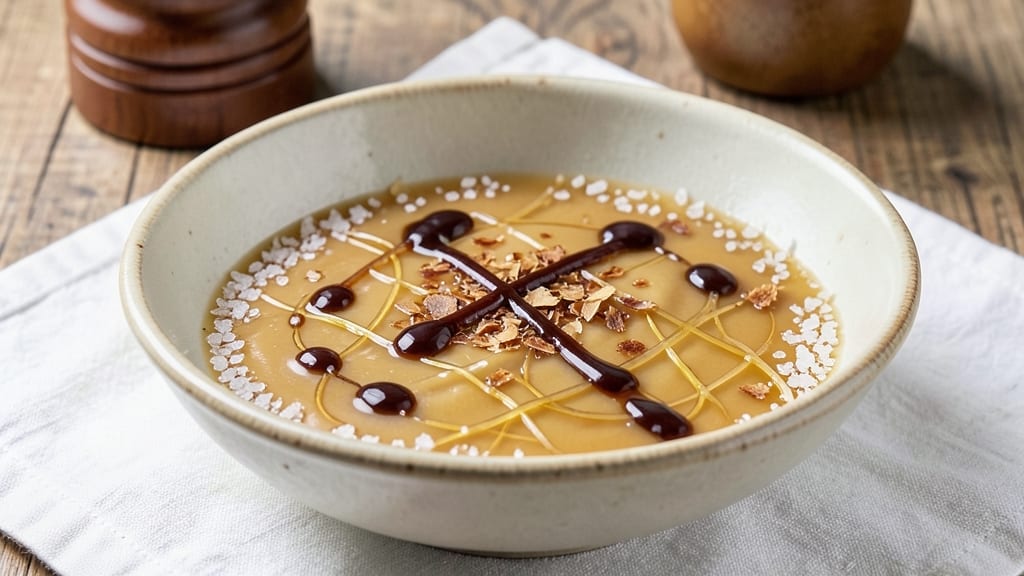
This tempura sauce recipe transforms ordinary dipping into an art form—creamy, tangy, and perfectly balanced in just 15 minutes. The secret lies in the harmony of dashi, soy sauce, mirin, and sugar, creating a sauce that clings to crispy tempura without overpowering its delicate texture.
I developed this version after years of testing, ensuring every spoonful delivers that signature umami richness with a touch of sweetness.
The beauty of this sauce is its simplicity—no complicated techniques, just a few pantry staples and a one-pot method that yields restaurant-quality results. The dashi builds depth, while mirin adds brightness, and a pinch of sugar rounds out the flavors.
It’s the kind of sauce that turns a simple tempura night into a memorable dining experience, whether you’re serving shrimp, vegetables, or sweet potato slices.
What sets this recipe apart is its versatility. Use it as a dipping sauce, drizzle it over noodles, or even toss it with rice for an instant flavor boost. The sauce keeps well in the fridge for up to a week, making it perfect for meal prep.
Once you taste the difference between this homemade version and store-bought, you’ll never go back.
The key to success? Balancing the ingredients and letting the sauce simmer just until it thickens slightly. Don’t rush it—patience ensures that perfect harmony of flavors. Ready to elevate your tempura game? Let’s get started.
Ingredients for tempura sauce recipe easy
Eight easy ingredients for that perfect crispy dipping experience you crave.
| Ingredient | Amount | Notes |
|---|---|---|
| Dashi Stock 🍜 | 1 ½ cups | Homemade or quality instant dashi |
| Light Soy Sauce 🧂 | ½ cup | Kikkoman preferred for balance |
| Mirin 🍶 | ¼ cup | Sweet rice wine, not imitation |
| Granulated Sugar 🍚 | 2 tbsp | White sugar, no substitutes |
| Katsuobushi Flakes 🐟 | 1 tbsp | Optional for extra umami |
| Cornstarch 🌾 | 1 tsp | For thickening consistency |
| Water 💧 | ½ cup | Room temperature preferred |
| Sesame Oil 🫒 | 1 tsp | Toasted for aroma |
Dashi is the flavor foundation—homemade is ideal, but a quality instant like Hontō or Marukome works too. Grab the light soy sauce from the Asian aisle (Kikkoman is my go-to), and make sure your mirin isn't the imitation kind—real mirin has that perfect balance of sweetness and acidity. The sugar matters less here, but white granulated keeps things simple. Costco or Asian markets usually have all these staples in one place, saving you a grocery run. For the katsuobushi, if you can't find it, skip it—it's just umami insurance.
No mirin? Substitute equal parts white wine plus 1 tsp sugar. Short on dashi? Double the soy sauce and add 1 tsp fish sauce (if you're okay with fish). The cornstarch is non-negotiable for that perfect cling—it's what makes this sauce coat tempura like a dream. Sesame oil can be swapped for toasted sesame seeds if you prefer texture over aroma. And if you're making this ahead, store the sauce without the sesame oil—add it fresh before serving to keep the aroma vibrant.
This sauce keeps for 1 week in the fridge, sealed tight. The texture thickens as it sits, so give it a quick whisk before using. For meal prep, make a double batch—it's perfect over noodles or as a quick dipping sauce. If it separates, just warm it gently and stir. Pro tip: Add a splash of water if it gets too thick when reheating. Freezes beautifully for 3 months if you want to stock up.
Why You'll Love This Recipe
- Five-Ingredient Magic: I swear by this—just dashi, soy sauce, mirin, sugar, and those little bonito flakes. No chopping, no straining, no stress. The flakes add this pop of umami that takes seconds to infuse.
- Umami Bomb: That first sip? Chef’s kiss. The mirin and sugar balance the saltiness of the soy while the katsuobushi flakes give it this deep, savory richness—like a hug in a bowl. It’s the kind of flavor that makes you pause mid-bite.
- Weeknight & Party: Same sauce works for quick tempura dipping or drizzling over rice bowls. Honestly, I’ve used it to glaze grilled fish in 10 minutes flat—no one ever guesses it’s this simple.
- Leftovers That Lie: You’ll make double. Trust me. The sauce keeps for days in the fridge, and the second batch somehow tastes even better—like it’s mellowed into something richer. Budget win, flavor win.
Step-by-step instructions for perfect tempura sauce
This sauce comes together in minutes with simple steps—no fancy techniques required.
Bloom the Katsuobushi Flakes
In a small saucepan, add the 1 tablespoon katsuobushi flakes and let them sit for 30 seconds over low heat. You'll see them start to shimmer and release their umami essence—this is where the magic begins. Don't walk away; they'll burn in seconds if left unattended. Once they're lightly toasted and fragrant, remove the pan from heat immediately.
Here's the thing—those flakes pack a punch of flavor. If you're skipping them, just move straight to combining the other ingredients. But trust me, they add that unmistakable depth that makes this sauce stand out. Set them aside for now; we'll add them back later.
Combine Liquids and Simmer
Return the pan to medium heat and add the 1.5 cups dashi stock, 0.5 cup light soy sauce, 0.25 cup mirin, and 2 tablespoons granulated sugar. Stir everything together and bring the mixture to a gentle simmer. You're looking for small bubbles forming at the edges—this tells you the heat is just right.
Let it simmer uncovered for 5 minutes, stirring occasionally. You'll notice the liquid starts to reduce slightly and develop a richer aroma. This is where the flavors meld together. If you see any sediment from the dashi stock, that's completely normal—just stir it in. The sugar will dissolve completely, but don't worry if it takes a minute or two.
Thicken with Cornstarch Slurry
In a small bowl, whisk together the 1 teaspoon cornstarch and 0.5 cup water until completely dissolved. This is your thickening agent, and you want it smooth—no lumps allowed. Once it's fully combined, slowly pour it into the simmering sauce while stirring constantly.
Keep stirring for 2-3 minutes until the sauce thickens to a glossy, coatable consistency. It should look like it coats the back of a spoon but still flows easily. If it thickens too quickly, add 1 tablespoon water at a time until you reach the right texture. The sauce should be smooth enough to drizzle but thick enough to cling to tempura.
Finish with Sesame Oil
Remove the pan from heat and stir in the 1 teaspoon sesame oil. Give it one final taste—this is where you can adjust the seasoning if needed. You might want to add a pinch more sugar if it tastes too salty, or a splash more mirin if it needs more sweetness. The sauce should balance perfectly between salty, sweet, and umami.
If you included the katsuobushi flakes earlier, now's the time to sprinkle them back in. They'll add those delicate, fishy notes that make this sauce truly special. Let the sauce sit for 2 minutes to let all the flavors settle. Serve warm alongside crispy tempura for that perfect dipping experience.
Pro Tips For Making Tempura Sauce Recipe Easy
- Simmer Low and Slow: Start on medium-high to wake up the flavors, but drop to a bare simmer once everything’s combined—this prevents the mirin from burning and lets the sugar dissolve smoothly. I used to rush it and end up with a bitter edge; patience here makes all the difference.
- Toast the Katsuobushi: Dry-toast the flakes in a separate pan for 30 seconds until they smell nutty and aromatic—this deepens their umami punch way more than just tossing them in raw. Skip this, and your sauce will taste flat, no matter how good the rest of the ingredients.
- Balance the Sweet-Salty: Taste as you go, but don’t just chase sweetness—adjust the light soy first, then sugar. A splash of extra dashi stock (even just 10ml) can fix overpowering flavors without thinning the sauce. I learned this after making a batch that tasted like dessert.
- Strain for Smoothness: Use a fine-mesh sieve or cheesecloth to strain out the katsuobushi bits unless you’re going for a rustic look—tempura sauce should coat like silk, not grit like sand. It’s extra work, but the texture upgrade is worth it. (Yes, even if you’re impatient like me.)
Essential equipment for perfect results
Small Saucepan
For this recipe, a small 8-10 inch saucepan is ideal—it gives you enough surface area for gentle simmering without boiling over. I use a stainless steel pan like the All-Clad Stainless because it heats evenly and prevents scorching.
If you don’t have one, a heavy-bottomed nonstick pan works too, but avoid thin aluminum—it can create hot spots. 🔥
Whisk for Smoothness
A balloon whisk or flat whisk is essential for dissolving sugar and cornstarch completely. I love the OXO Good Grips Whisk because it’s lightweight and easy to handle, but any quality whisk will do.
If you’re short on time, a fork works in a pinch, though it may leave tiny lumps. Just stir vigorously for an extra 30 seconds to break them down.
Fine-Mesh Strainer
If you’re using homemade dashi (especially kombu or bonito-based), a fine-mesh strainer helps remove any sediment before combining with other ingredients. I keep a Mesh King Strainer in my kitchen—it’s durable and catches even the finest particles.
Skip this if using instant dashi, but strain if you notice gritty texture. For extra clarity, strain the sauce again after simmering.
Measuring Spoons
Precision matters with mirin, sesame oil, and cornstarch. I recommend stainless steel measuring spoons (like the OXO Stainless Steel Set) for accuracy—plastic spoons can warp and give inconsistent measurements.
For the 1 tsp cornstarch, use the leveling method: fill the spoon, then scrape off excess with a knife. Even a pinch too much can make the sauce gluey. 💡
Instant-Read Thermometer
While not required, an instant-read thermometer helps ensure your sauce reaches the perfect simmering temperature (185–195°F). I use the Thermoworks ThermoPop—it’s fast and reliable. If the sauce isn’t hot enough, flavors won’t meld properly; if it’s too hot, the cornstarch will cook unevenly.
For most home kitchens, visual cues (gentle bubbles) are enough, but this tool takes the guesswork out.
Storage Containers
For leftovers, airtight glass containers are best—they preserve flavor and prevent absorption of fridge odors. I use Pyrex glass jars with snap-on lids for easy storage and reheating. If using plastic, opt for BPA-free brands like Rubbermaid.
Label with the date—this sauce keeps for 1 week, but flavors peak within 3–4 days. For freezing, transfer to quart-sized freezer bags with 1-inch headspace to prevent expansion cracks. ✨
Nutrition facts
Frequently asked questions
Can I make this tempura sauce without mirin?
Replace the 0.25 cup mirin with 0.25 cup white wine plus 1 teaspoon sugar. The wine adds acidity while the sugar mimics mirin's sweetness. For a non-alcoholic version, use 0.25 cup apple juice plus 1 teaspoon sugar instead. The sauce will still taste balanced, though mirin's unique umami-sweetness is hard to replicate perfectly.
Why did my tempura sauce turn cloudy or separate?
Cloudiness often happens when the cornstarch slurry cooks too quickly or isn't mixed thoroughly. To fix it, whisk the sauce vigorously over low heat for 1-2 minutes while adding 1 tablespoon water at a time until smooth. For separation, strain the sauce through a fine-mesh sieve before reheating. Always stir constantly when thickening to prevent lumps.
How can I make this sauce vegan?
Swap the dashi stock for 1.5 cups vegetable broth (look for umami-rich brands like Kikkoman Vegan Dashi) and omit the katsuobushi flakes. Use 1 tablespoon soy sauce + 1 teaspoon mushrooms powder (like dried shiitake) to boost umami. The rest of the recipe stays the same—just ensure your mirin is vegan-certified. The result will be just as flavorful!
Can I use this sauce for other dishes besides tempura?
Yes! This versatile sauce works beautifully with grilled fish, ramen noodles, or even as a glaze for tofu or vegetables. For noodles, thin it slightly with 1-2 tablespoons water before tossing. It also pairs well with sushi rolls or as a dipping sauce for spring rolls. The key is serving it warm to highlight its rich, glossy texture.
What's the best way to reheat leftover tempura sauce?
Gently warm the sauce in a small saucepan over low heat while stirring constantly. Add 1-2 tablespoons water if it thickens too much. Avoid microwaving—it can make the sauce grainy. For extra richness, stir in ½ teaspoon toasted sesame oil just before serving. Reheated sauce keeps its glossy texture but may need a quick whisk to restore smoothness.