
Sauces & Condiments
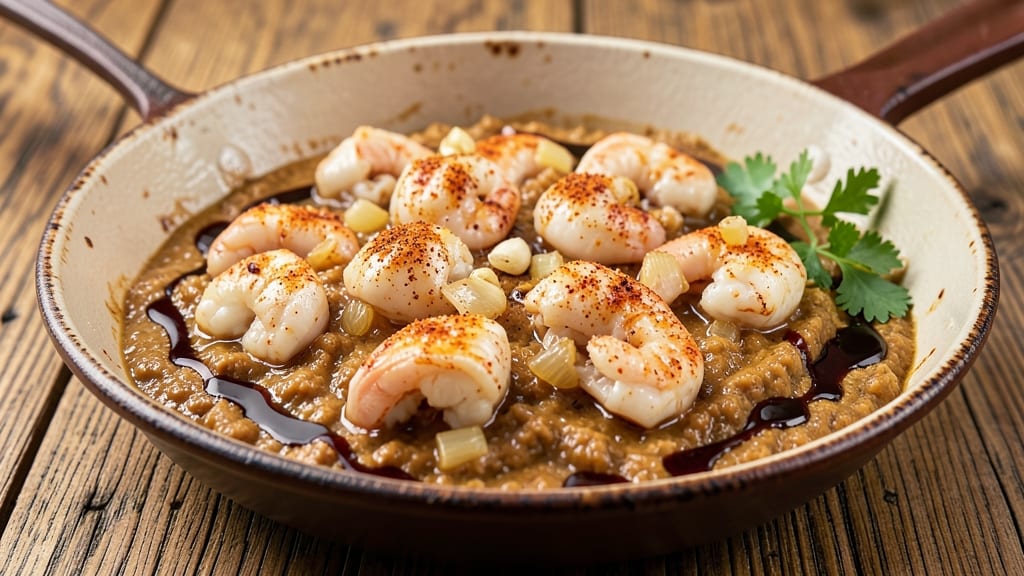
This Bag O Crab Cajun sauce recipe transforms simple seafood into a bold, spicy masterpiece with just a few pantry staples and a roux base. The secret lies in balancing heat, smokiness, and richness—creating a sauce that clings perfectly to crab legs, shrimp, or grilled fish.
I developed this version after years of testing, ensuring the right blend of Cajun seasoning and butter delivers deep, complex flavor without overpowering the delicate taste of seafood.
The foundation starts with a classic roux—equal parts butter and flour cooked until golden—then deglazed with garlic, onion, and a splash of Worcestershire for umami depth. Simmering in a rich tomato base (canned or fresh) builds body while keeping the sauce smooth and velvety.
The Cajun seasoning adds layers of cayenne, paprika, and oregano, but the key is controlling the heat: start with half the recommended amount and adjust to taste.
What makes this sauce truly versatile is its ability to work as a dipping sauce, finishing drizzle, or even a marinade for grilled shrimp. The texture stays glossy and clingy, coating every bite with smoky, spicy warmth.
It’s the kind of sauce that turns a simple seafood platter into a restaurant-worthy experience—without requiring advanced techniques. Once you taste the difference between store-bought and homemade, you’ll never go back.
Perfect for game day, seafood boils, or as a bold topping for grilled fish, this sauce pairs especially well with Bag O Crab but elevates any protein. The recipe yields enough for multiple uses, so make a double batch and store leftovers in the fridge for up to a week.
Let’s get cooking—your taste buds will thank you.
Ingredients for bag o crab cajun sauce
Pantry staples plus a few bold spices—this sauce transforms seafood into a restaurant-worthy experience.
| Ingredient | Amount | Notes |
|---|---|---|
| Unsalted Butter 🧈 | ½ cup | Cold, cubed for roux |
| All-Purpose Flour 🌾 | ½ cup | White or whole wheat |
| Garlic Cloves 🧄 | 4 cloves | Minced for depth |
| Yellow Onion 🧅 | ½ whole | Diced, medium size |
| Cajun Seasoning 🌶️ | 2 tbsp | Tony Chachere's preferred |
| Worcestershire Sauce 🍶 | 1 tbsp | For umami kick |
| Canned Tomato Sauce 🍅 | 1 cup | San Marzano preferred |
| Heavy Cream 🥛 | ½ cup | Full-fat for richness |
| Lemon Juice 🍋 | 1 tbsp | Freshly squeezed |
| Seafood Stock 🐟 | ½ cup | Low-sodium preferred |
The butter and flour roux is non-negotiable—it's what gives this sauce that velvety, clingy texture. Use cold butter for better control when cooking the roux, and don't rush it. I grab my Tony Chachere's Cajun seasoning at Walmart or Kroger—it's the gold standard for that perfect balance of heat and smokiness. The San Marzano tomato sauce makes a world of difference (it's sweeter and smoother), but any quality canned sauce works in a pinch. For the seafood stock, Knorr or Pacific brand are my go-tos—they're low-sodium and packed with flavor.
No Cajun seasoning? Mix 1 tsp smoked paprika, 1 tsp garlic powder, 1/2 tsp cayenne, and 1/2 tsp dried thyme for a close substitute. Running low on heavy cream? Full-fat coconut milk works surprisingly well—just add a pinch of salt to mimic the creaminess. Fresh garlic and onion are ideal, but jarred minced garlic and frozen diced onions save time without sacrificing too much flavor. The Worcestershire sauce adds that deep umami punch—Lea & Perrins is the classic choice, but any brand will do. Want to make it even richer? Stir in 1 tbsp of butter at the end for extra decadence.
This sauce tastes even better the next day as the flavors meld together. Store in an airtight container in the fridge for up to 1 week, or freeze for 3 months in ice cube trays for single-use portions. I always double the batch—it disappears fast whether you're dipping Bag O Crab, drizzling over grilled shrimp, or tossing with pasta. The sauce thickens as it cools, so a splash of water or stock thins it out if needed.
Why You'll Love This Recipe
- One-Pot Magic: I swear by this recipe when I’m too tired to wash another pan. Just melt butter, toss in flour and onions, and let the Cajun seasoning work its spice. Fifteen minutes later, you’ve got a sauce that tastes like it simmered for hours—no stress, no mess.
- Spice That Sticks: Between us, that Cajun seasoning and garlic combo is chef’s kiss. The flour gives it this velvety richness, while the butter keeps it from being too sharp. It’s the kind of flavor that makes you want to dip everything—even the spoon.
- Tailgate or Tuesday: Honestly, this sauce is my go-to for game days and lazy nights. Slather it on grilled crab cakes, toss it with shrimp, or even drizzle it over rice—it’s that adaptable. My husband’s a picky eater, but he’ll clear his plate for this.
- Leftovers That Don’t Suck: I make a double batch every time because it reheats like a dream. The flour thickens it just enough to stay creamy, and the spices don’t dull. Plus, it’s cheap—just butter, flour, and a little seasoning stretch to feed four for next to nothing. Win.
Step-by-step instructions for bold Cajun-inspired sauce
Here's how to build a rich, spicy sauce that pairs perfectly with seafood and grilled dishes.
Create the Roux Foundation
In a heavy-bottomed saucepan over medium heat, melt the 0.5 cup unsalted butter until it foams. Immediately whisk in the 0.5 cup all-purpose flour to form a smooth paste. This is your roux—the flavor base for everything that follows.
Cook the roux for 3-4 minutes, stirring constantly with a wooden spoon, until it turns a deep golden brown color. You're looking for a nutty aroma and a texture that coats the back of a spoon. If it darkens too quickly, reduce the heat slightly—burnt roux will make the sauce bitter. This step builds the sauce's rich, velvety texture and carries all those bold Cajun flavors.
Sauté Aromatics for Depth
Add the diced yellow onion and minced garlic cloves to the roux. Cook for 4-5 minutes over medium heat, stirring frequently, until the onions become translucent and the garlic releases its aromatic oils. You should smell that sweet, pungent garlic scent—this is when the flavors really wake up.
Here's the thing—don't let the garlic burn. It happens fast, and burnt garlic tastes bitter. If you see it darkening too quickly, reduce the heat to medium-low and keep stirring. The onions should soften but not brown—we want them to contribute sweetness, not bitterness, to the sauce.
Build the Sauce Base
Pour in the 1 cup canned tomato sauce and the 0.5 cup seafood stock, scraping up any browned bits from the bottom of the pan. Add the 2 tablespoons Cajun seasoning and 1 tablespoon Worcestershire sauce, then bring the mixture to a gentle simmer over medium-low heat.
Let it cook uncovered for 8-10 minutes, stirring occasionally, until the sauce thickens slightly. You're looking for a consistency where it coats the back of a spoon but still flows easily. This is where all the flavors meld together—the spicy Cajun blend, the umami from the Worcestershire, and the sweetness of the tomato sauce. If it gets too thick, add a splash of water to loosen it.
Finish with Cream and Brightness
Reduce the heat to low and stir in the 0.5 cup heavy cream and 1 tablespoon lemon juice. Simmer gently for 3-4 minutes, stirring constantly, until the sauce is smooth and velvety. The lemon juice adds a bright, fresh contrast to the rich, spicy flavors—this is what makes the sauce truly sing.
Taste and adjust the seasoning. You might need a pinch more Cajun seasoning or a squeeze of lemon to balance the flavors. The sauce should be bold but not overpowering—spicy enough to stand up to seafood but still approachable. If you're serving it with delicate fish, you might want to tone down the heat slightly.
Rest and Serve
Remove the sauce from heat and let it rest for 5 minutes. This gives the flavors time to fully meld and the sauce to thicken slightly as it cools. The resting period is especially important if you're making this ahead of time—it allows all those layers of flavor to develop.
Strain the sauce through a fine-mesh sieve if you prefer a silky-smooth texture, or leave it slightly chunky for more texture. Serve immediately over grilled shrimp, as a dipping sauce for crab cakes, or drizzled over blackened fish. The sauce keeps well in the refrigerator for up to 5 days, so make extra for leftovers—it's that good.
Pro Tips For Making Bag O Crab Cajun Sauce
- COOK LOW AND SLOW: That Cajun kick needs time to bloom, not burn. After adding the flour-butter roux, reduce heat to medium-low and let it simmer for at least 10 minutes—no rushing. I used to crank the heat and end up with a bitter, overcooked mess that tasted more like burnt spices than Louisiana comfort.
- MINCE THAT GARLIC: Whole cloves? Nope. For this sauce, you want garlic so finely minced it practically dissolves into the butter. Use a knife or pulse in a food processor until it’s almost paste-like—this prevents clumps and ensures even flavor distribution. (Yes, I’ve had that one stubborn clove haunt me for years.)
- SWEEP THE POT: After cooking the onions, scrape every last bit of browned goodness from the bottom of the pan with a wooden spoon. That’s where the deep, caramelized flavor hides—ignore it, and your sauce will taste flat. It’s a 30-second step that makes a real difference.
- TOAST THE FLOUR: Before adding liquid, cook the flour in the butter for 1-2 minutes until it’s a pale golden color—not white, not brown, just toasted. This removes the raw taste and builds a richer foundation for the sauce. (I skipped this once and wondered why my sauce tasted like flour soup.)
Common mistakes when making perfect results
Overcooking the Roux
Watch that roux like a hawk—once it turns golden brown, it’s ready to move on. I’ve burned more than my share of roux, and trust me, the bitter aftertaste ruins everything.
Use a heavy-bottomed saucepan (like All-Clad) to prevent scorching, and keep the heat at medium until it reaches that perfect golden hue. If it darkens too quickly, immediately reduce heat to medium-low and stir constantly.
A burnt roux won’t just make your sauce taste off—it’ll make it impossible to salvage. 🔥
Skipping the Deglaze
Those browned bits stuck to the bottom of your pan? Those are flavor gold. After cooking the roux and aromatics, pour in your tomato sauce and seafood stock while scraping up every last bit with a wooden spoon.
This step, called deglazing, extracts all the caramelized fond (browned bits) that adds deep, savory richness to your sauce. Skipping it means missing out on layers of flavor that make this sauce truly special. I promise, taking that extra 30 seconds makes a world of difference.
Rushing the Simmer
Patience is key when simmering the sauce base. The 8-10 minutes of gentle simmering lets the flavors meld together properly. I’ve seen people crank the heat up high to speed things along, but that’s a recipe for disaster—your sauce will either turn grainy or separate.
Keep it at a gentle simmer (small bubbles, occasional stir) and resist the urge to rush. The sauce will thicken naturally as it cooks, and that’s when you know it’s ready for the cream and lemon. 💫
Adding Cream Too Early
Heavy cream is delicate and can curdle if added too soon or to a sauce that’s still too hot. Always reduce the heat to low before stirring in the ½ cup heavy cream and 1 tbsp lemon juice.
If your sauce is still bubbling vigorously, let it cool slightly first. I’ve had this happen more times than I’d like to admit—once, I even had to start over because the sauce separated completely. The cream should blend smoothly, creating that silky, velvety texture we all love.
Ignoring the Resting Period
That 5-minute rest after removing the sauce from heat isn’t optional. It’s when the flavors truly come together and the sauce thickens slightly as it cools. I know it’s tempting to dive right in, but skipping this step means your sauce might be too thin or unevenly seasoned.
Let it sit, taste it, and adjust if needed. This is also when you can strain out any lumps if you prefer a smooth, silky texture—just don’t skip the resting entirely. 💡
Overseasoning the Cajun
Cajun seasoning is bold, and it’s easy to overdo it. Start with just 2 tbsp and taste as you go. If you’re serving this with delicate seafood like shrimp or scallops, you might want to use only 1 tbsp to avoid overpowering the natural flavors.
I’ve had guests wince at the heat before, so always adjust to taste. You can always add more, but you can’t take it out once it’s in. Trust your palate—this sauce should be spicy but balanced, not a fire hazard. 🌶️
Nutrition facts
Frequently asked questions
Can I make this sauce without heavy cream?
For a lighter version, substitute the ½ cup heavy cream with ½ cup full-fat coconut milk or ½ cup Greek yogurt. If you prefer a completely dairy-free option, use ¼ cup coconut cream + ¼ cup water to maintain thickness. The sauce will still be rich but with a slightly different texture.
How spicy should the final sauce be?
The sauce should have a bold, balanced heat—noticeable but not overwhelming. Start with 2 tbsp Cajun seasoning and adjust to taste. For milder heat, reduce to 1 tbsp or use a milder blend. If you love spice, add an extra ½ tsp cayenne pepper at the end. Always taste before serving!
Can I use this sauce for other proteins besides seafood?
Yes! This sauce pairs beautifully with grilled chicken, pork chops, or even tofu. For poultry, reduce the Cajun seasoning slightly (1 tbsp) to avoid overpowering the meat. It also works as a marinade—coat your protein, refrigerate for 1-2 hours, then grill or bake for maximum flavor.
Why did my sauce separate when I added the cream?
This usually happens if the sauce was too hot when adding cream or if the roux was undercooked. Always reduce heat to low before stirring in cream, and ensure your roux reached a deep golden brown. To fix: whisk in 1 tsp cornstarch + 1 tbsp cold water and simmer for 1 minute to restore smoothness.
How can I make this sauce ahead of time?
Make the sauce up to 3 days in advance and store in an airtight container in the fridge. The flavors actually improve with time! Reheat gently on low heat, stirring frequently, and add a splash of water or stock if it thickens too much. For longer storage, freeze in ice cube trays for single-use portions.