
Sauces & Condiments
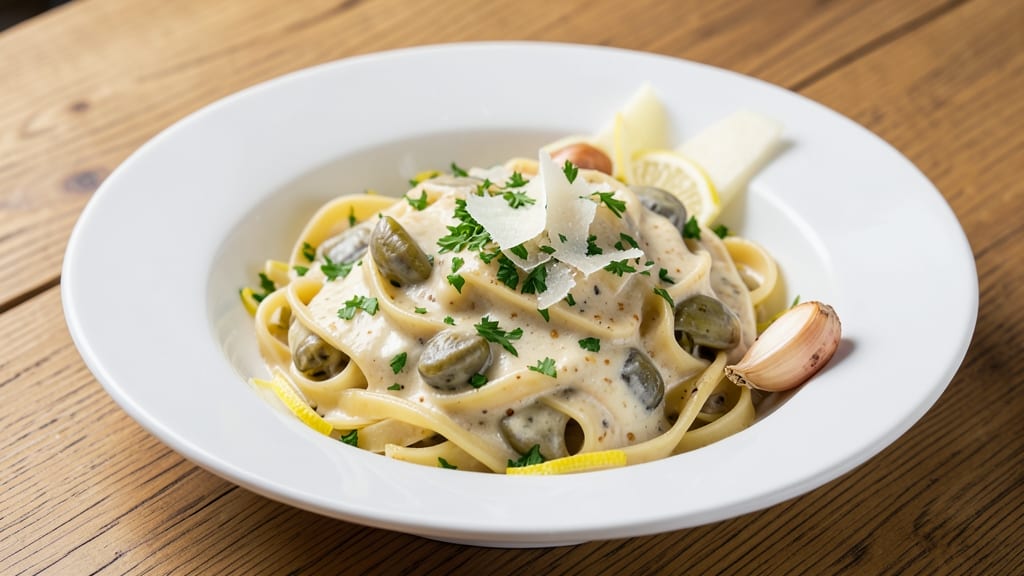
This artichoke pasta sauce transforms simple ingredients into a bright, herb-infused creamy sauce that clings perfectly to noodles without clumping. The secret lies in blending tender artichoke hearts with fresh herbs and a touch of creaminess, creating a sauce that's rich yet light—ideal for elevating any pasta dish.
What sets this apart is its no-clumping guarantee, thanks to a simple technique that keeps the texture smooth and velvety.
Start with jarred artichoke hearts, drained and finely chopped, which form the heart of this sauce. Garlic, lemon zest, and fresh parsley add layers of flavor, while a blend of heavy cream and grated Parmesan creates that signature creamy texture without heaviness.
The sauce comes together in just 15 minutes, making it perfect for weeknight dinners or meal prep.
What you'll end up with is a luminous green sauce that's tangy, herby, and just slightly sweet—thanks to the artichokes. It coats pasta beautifully, leaving every bite infused with bright, fresh flavors.
The sauce also works as a dip, a sandwich spread, or a topping for grilled meats, proving its versatility.
For a vegetarian option, simply omit the Parmesan and use a dairy-free cream substitute. The sauce keeps well in the refrigerator for up to 5 days, making it an excellent make-ahead option. Let's get started!
Ingredients for artichoke pasta sauce
Nine essential ingredients transform jarred artichokes into a vibrant, creamy sauce perfect for pasta or dips.
| Ingredient | Amount | Notes |
|---|---|---|
| Jarred Artichoke Hearts 🌿 | 14 oz | Drained, finely chopped |
| Heavy Cream 🥛 | ½ cup | Full-fat for richness |
| Fresh Parsley 🌿 | ½ cup | Stems removed, finely chopped |
| Garlic Cloves 🧄 | 3 cloves | Minced for even distribution |
| Lemon Zest 🍋 | 1 tbsp | Freshly grated, vibrant |
| Parmesan Cheese 🧀 | ¼ cup | Freshly grated, fine texture |
| Extra-Virgin Olive Oil 🫒 | 2 tbsp | High-quality, fruity |
| Vegetable Broth 💧 | ¼ cup | Low-sodium preferred |
| Salt 🧂 | ½ tsp | Diamond Crystal preferred |
| Black Pepper 🌶️ | ¼ tsp | Freshly ground |
The artichoke hearts are the foundation—freshly chopped ensures even texture and prevents clumping. Whole Foods or Trader Joe's carry high-quality jarred artichokes with minimal additives; avoid brands with thickeners. Fresh parsley and lemon zest add brightness, so prioritize vibrant green leaves and organic lemons for maximum flavor. Garlic should be freshly minced for potency, and Parmigiano-Reggiano (if using) elevates the sauce with its nutty depth. For the cream, full-fat is non-negotiable—it creates that signature velvety texture without clumping.
No fresh parsley? Dried parsley at half the amount works, but the texture won’t be as smooth. Substitute Parmesan with nutritional yeast for a vegetarian option, though the flavor will differ slightly. Short on artichokes? Sun-dried tomatoes add a tangy depth, though the sauce will lose its signature luminous green hue. For extra richness, add 1 tbsp of vegan butter to the olive oil blend. The vegetable broth can be swapped for white wine (¼ cup) for a more complex flavor profile, but reduce the liquid by 2 tbsp to maintain consistency.
This sauce thrives when made fresh but keeps beautifully for 5 days in an airtight container in the fridge. To reheat, warm gently on the stove with a splash of water or broth to restore creaminess. For meal prep, portion into small jars and store the lids separately to prevent absorption of odors. Freeze for up to 3 months by layering with parchment paper between portions—thaw overnight in the fridge before reheating. The sauce’s versatility makes it ideal for batch cooking: double the recipe and use it as a dip, sandwich spread, or pasta topping throughout the week.
Why You'll Love This Recipe
- Pantry-to-Table Magic: I swear by this sauce because it uses ingredients I always have—jarred artichokes, a stick of butter, and a splash of cream. No last-minute grocery runs, no stress, just 15 minutes of stirring while you wait for the pasta to boil.
- Creamy with a Kick: The heavy cream makes it velvety, but the lemon zest and garlic? That’s where it gets good—bright, herby, with just enough tang to cut through the richness. Honestly, the first time I tasted it, I immediately texted my partner, "We’re eating this again."
- Weeknight & Weekend Star: Throw it over fettuccine for a fancy-ish weeknight dinner, or serve it chilled over cold pasta for a picnic. My college-aged son even requests it when friends come over—because it’s simple enough for lazy nights but feels special enough for company.
- Makes Leftovers Worth It: This sauce thickens beautifully when reheated, so I double the batch and freeze half. When I’m too tired to cook, I just dump it into a pan, add a splash of water, and—boom—creamy artichoke goodness without the effort. (Yes, even on a Tuesday night.)
Step-by-step instructions for artichoke pasta sauce
Here's how to create a velvety artichoke sauce with vibrant herb notes and zero clumping.
Sauté Garlic and Artichokes Until Fragrant
Heat the 2 tablespoons extra-virgin olive oil in a medium saucepan over medium heat. Add the 3 cloves minced garlic cloves and cook for 30 seconds until just fragrant—don't let it brown or it'll turn bitter. Add the 14 oz drained, finely chopped jarred artichoke hearts and cook for 3-4 minutes until heated through.
I like to press the artichokes gently with a wooden spoon during the first minute to break them down slightly. This ensures they blend smoothly later without creating a grainy texture. The artichokes should soften just enough to release their natural juices while maintaining their shape.
Build the Creamy Base with Broth and Lemon
Pour in the 0.25 cup vegetable broth and bring to a gentle simmer. Stir in the 1 tablespoon lemon zest and 0.5 teaspoon salt, then cook for 2 minutes until the liquid reduces slightly and the flavors meld. This step is where the sauce develops its bright, citrusy character that cuts through the richness of the cream.
Don't rush this reduction—you want the broth to concentrate enough to create a proper sauce base. The lemon zest should infuse the liquid completely, giving that signature freshness that prevents the sauce from tasting flat.
Incorporate Cream and Prevent Clumping
Reduce the heat to low and slowly whisk in the 0.5 cup heavy cream in a thin stream while continuing to stir. This gradual addition prevents the cream from curdling or creating lumps. Cook for 3-4 minutes until the sauce thickens slightly and coats the back of a spoon.
Here's the secret to avoiding clumps: keep stirring constantly and never let the sauce boil. If you see any separation, immediately whisk vigorously to re-emulsify. The sauce should be smooth and velvety, with a glossy sheen that indicates proper emulsification.
Finish with Herbs and Cheese
Remove the sauce from heat and stir in the 0.5 cup finely chopped fresh parsley and 0.25 cup freshly grated parmesan cheese. The parsley adds freshness while the parmesan contributes umami depth and helps stabilize the sauce's texture. Season with 0.25 teaspoon freshly ground black pepper and taste—adjust the salt if needed.
For best results, let the sauce sit off heat for 5 minutes before serving. This resting period allows all the flavors to fully integrate. The sauce should be thick enough to coat pasta beautifully but still fluid enough to drizzle over finished dishes.
Pro Tips For Making Artichoke Pasta Sauce
- Drain and Pat Dry: Jarred artichoke hearts cling to their brine like it’s their job. After draining, blot them with a paper towel—wet hearts will make your sauce watery and dull. (Yes, even if you’re impatient like me.)
- Sauté Garlic Low and Slow: Burnt garlic ruins everything, and this sauce isn’t about bitter smoke. Cook your cloves over medium-low heat until golden—not crispy—so they add sweetness, not bitterness. (I learned this the hard way.)
- Zest Before Cooking: Fresh lemon zest loses its punch when simmered. Grate it right before tossing into the sauce—it’ll keep its bright pop of flavor instead of turning into a sad, mushy afterthought.
- Thicken with Cream Gradually: Dumping heavy cream all at once can turn your sauce into a sad, split consistency. Warm the cream separately first, then whisk it in slowly while stirring the sauce constantly. (Your future self will thank you.)
Flavor customization for this recipe
Creamy vs Chunky
For a silky smooth sauce, blend the cooked artichokes with the broth before adding cream—this creates a velvety texture perfect for coating noodles. I use an immersion blender for convenience, but a regular blender works too.
For a chunkier version, skip blending and simply stir the sauce gently after adding the cream, leaving whole artichoke pieces for texture contrast. 🌿
Herb Variations
Swap parsley for basil (2 tbsp) for a sweeter, more aromatic flavor that pairs beautifully with tomato-based pasta dishes. For a Mediterranean twist, add 1 tbsp chopped dill and 1 tsp dried oregano—this works especially well with grilled chicken or fish.
Always use fresh herbs when possible; dried herbs should be halved in quantity to avoid overpowering the delicate artichoke flavor.
Cheese Alternatives
For a vegan version, replace Parmesan with ¼ cup nutritional yeast and 2 tbsp vegan cream cheese (like Kite Hill). The sauce will still be rich and nutty, though slightly tangier.
If you prefer dairy, Pecorino Romano adds a sharper bite that stands up well to the artichokes. Always grate cheese fresh—pre-shredded varieties contain anti-caking agents that can make your sauce grainy.
Acidity Boosts
Brighten the sauce further with 1 tbsp lemon juice (instead of zest) for extra tang, or add ½ tsp red pepper flakes for a subtle kick. For depth, stir in 1 tsp white wine vinegar during the broth reduction—this enhances the artichokes' natural sweetness.
Avoid over-acidifying; the goal is balance, not a sour sauce.
Richness Adjustments
Make the sauce lighter by reducing the cream to ¼ cup and adding 2 tbsp Greek yogurt for tanginess. For extra richness, stir in 1 tbsp mascarpone cheese at the end—it melts beautifully into the sauce without altering the texture.
If the sauce feels too thin after adding cream, simmer uncovered for 1-2 minutes to reduce excess liquid.
Seasonal Twists
In spring, add ¼ cup finely chopped asparagus (cooked briefly with the artichokes) for a seasonal vegetable medley. For summer, incorporate 1 tbsp capers and 1 minced shallot for briny brightness.
In fall, swap lemon zest for orange zest and add ½ tsp cinnamon—this works surprisingly well with butternut squash pasta. Always adjust seasoning after adding seasonal ingredients, as they can alter the sauce's balance. 🍊
Nutrition facts
Frequently asked questions
Can I use fresh artichokes instead of jarred hearts?
Fresh artichokes work but require extra prep! Trim, quarter, and steam them for 15-20 minutes until tender, then chop finely. You'll need about 3 medium fresh artichokes to equal 14 oz jarred hearts. Fresh artichokes have a more intense flavor, so reduce the parsley to ¼ cup to balance the taste.
Why did my sauce turn grainy?
Graininess usually means the artichokes weren't broken down enough or the sauce separated when adding cream. Press the artichokes gently with a spoon while cooking, and always whisk the cream in slowly over low heat. If it's too late, blend briefly with an immersion blender to smooth it out.
How can I make this sauce dairy-free?
Swap the heavy cream for ½ cup coconut cream and use ¼ cup nutritional yeast instead of Parmesan. For extra richness, add 1 tbsp vegan butter to the olive oil. The texture will be slightly lighter but still creamy. Taste and adjust salt, as coconut cream can be milder.
Can I make this sauce ahead of time?
Store in an airtight container in the fridge for up to 5 days. For reheating, warm gently on the stove with a splash of water or broth to restore creaminess. To freeze, portion into small jars and freeze for up to 3 months. Thaw overnight in the fridge before reheating.
What pasta works best with this sauce?
This sauce clings beautifully to linguine, fettuccine, or pappardelle due to its creamy texture. For extra flavor, toss with cavatappi or penne, which hold the sauce well in their ridges. Avoid delicate pastas like angel hair, as they may overcook before the sauce coats them properly.