
Sauces & Condiments
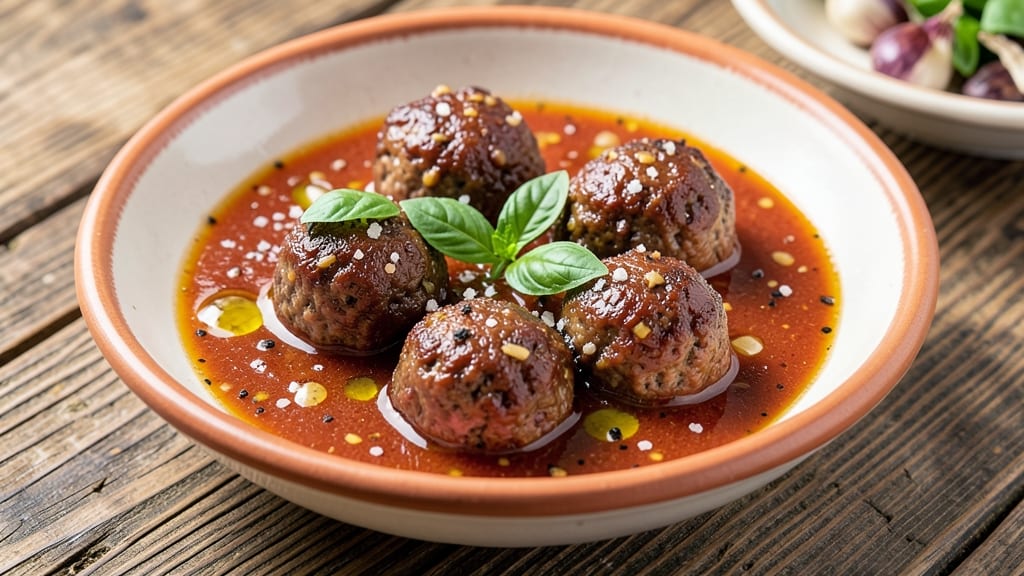
This authentic meatball sauce recipe transforms simple ingredients into a rich, slow-simmered masterpiece that pairs perfectly with homemade meatballs. The secret lies in balancing tomatoes, herbs, and aromatics for depth that rivals restaurant-quality ragù.
I developed this version after years of experimenting with traditional techniques, ensuring every spoonful delivers that perfect harmony of sweetness and acidity.
The process begins with a gentle saute of garlic and onions to build flavor before adding crushed tomatoes and broth. A 30-minute slow simmer allows the sauce to develop complexity, while fresh basil and a touch of red wine add brightness.
This isn't just a sauce—it's the foundation of a meal, designed to coat meatballs in velvety richness while enhancing their natural flavors.
What sets this sauce apart is its herbed depth—no shortcuts, no processed ingredients. The result is a velvety, slightly chunky sauce with layers of tomato sweetness and aromatic herbs. It thickens beautifully as it cooks, creating that ideal consistency for dipping, drizzling, or smothering meatballs in every bite.
Perfect for serving with pasta, polenta, or crusty bread, this sauce keeps well for up to a week in the refrigerator. The longer it sits, the more the flavors meld together—proof that patience pays off in every delicious spoonful. Let's get started on creating this timeless classic.
Ingredients for authentic meatball sauce
Twelve ingredients transform into a velvety sauce with layers of tomato sweetness and aromatic herbs.
| Ingredient | Amount | Notes |
|---|---|---|
| Extra-Virgin Olive Oil 🫒 | ¼ cup | High-quality, fruity variety preferred |
| Yellow Onion 🧅 | 1 whole | Medium-sized, finely diced |
| Garlic Cloves 🧄 | 4 cloves | Fresh, peeled, minced finely |
| Canned San Marzano Tomatoes 🍅 | 28 oz | Crushed by hand for texture |
| Dry Red Wine 🍷 | ½ cup | Bold variety like Cabernet Sauvignon |
| Beef Broth 🥄 | 1 cup | Homemade or high-quality store-bought |
| Fresh Basil Leaves 🌿 | ½ cup | Packed, stems removed, chopped |
| Fresh Parsley 🌿 | ¼ cup | Chopped, for garnish and flavor |
| Tomato Paste 🍅 | 2 tbsp | High-quality, no sugar added |
| Diamond Crystal Kosher Salt 🧂 | 1 ½ tsp | Adjust to taste during cooking |
| Freshly Ground Black Pepper 🌶️ | ½ tsp | Freshly cracked for best flavor |
| Dried Oregano 🍃 | 1 tsp | Mediterranean variety preferred |
| Sugar 🍬 | 1 tsp | Balances acidity, optional |
The foundation starts with San Marzano tomatoes—their natural sweetness and low acidity create the ideal base. Whole Foods or Italian specialty markets carry these canned tomatoes, and the difference in flavor is noticeable. For the red wine, bold varieties like Cabernet Sauvignon add depth without overpowering the tomatoes. Fresh basil and parsley are non-negotiable; grow your own or buy from local farmers' markets where the herbs are vibrant and fragrant. The tomato paste, though small in quantity, intensifies the umami flavor—look for brands without added sugar to preserve authenticity. Diamond Crystal kosher salt is recommended for its coarse texture, which dissolves better during simmering.
No red wine? Substitute with additional beef broth or a splash of balsamic vinegar for acidity. Fresh herbs unavailable? Dried oregano at one-third the amount works, but fresh basil's brightness is irreplaceable. For the tomatoes, crush them by hand for a chunkier texture—food processors yield a smoother sauce. The sugar is optional but balances the acidity beautifully; brown sugar adds a caramel note if preferred. If you're short on time, pre-minced garlic works, though freshly minced garlic releases more flavor. The olive oil should be extra-virgin with a fruity aroma—it's the first flavor to develop in the sauce.
This sauce thickens as it simmers, so reserve 1 cup of the cooking liquid if you prefer a looser consistency. Store in an airtight container in the refrigerator for up to 7 days, though it tastes even better the next day as flavors meld. For longer storage, freeze in portions—it keeps for up to 3 months. The sauce reheats beautifully; add a splash of water or broth if it thickens too much. Double the batch—it disappears quickly, especially when paired with homemade meatballs or al dente pasta.
Why You'll Love This Recipe
- Here’s what sold me: the red wine doesn’t just cook off—it lingers. A splash of dry wine brightens the tomatoes, cutting through the richness of the meatballs while adding layers of earthy, fruity complexity. (Yes, even the cheap stuff works.)
- Foolproof Simplicity: I swear by this recipe because it’s the kind of dish that forgives mistakes—sauté the onion and garlic in olive oil until soft, deglaze with wine, toss in tomatoes, and simmer. That’s it. No fancy techniques, no stress.
- Wine-Infused Depth: Here’s what sold me: the red wine doesn’t just cook off—it lingers. A splash of dry wine brightens the tomatoes, cutting through the richness of the meatballs while adding layers of earthy, fruity complexity. (Yes, even the cheap stuff works.)
- Weeknight to Sunday Table: This sauce is my go-to for spaghetti nights, but it’s also the star of my lazy Sunday pasta bar. Serve it over polenta or toss with crusty bread—it’s the kind of dish that adapts without losing its soul.
Step-by-step instructions for slow-simmered tomato sauce
This method delivers restaurant-quality depth with traditional Italian techniques.
Develop the Base with Olive Oil and Aromatics
Heat the 0.25 cup extra-virgin olive oil in a heavy-bottomed Dutch oven over medium-low heat. Add the 1 whole yellow onion that's been finely diced and cook for 8-10 minutes until softened and translucent. The oil should shimmer but not smoke—this prevents burning while allowing the onion to render its sweetness.
Add the 4 cloves minced garlic cloves and cook for 30 seconds until fragrant. You'll smell the aroma intensify dramatically—this is when you know the garlic is ready. Immediately add the 2 tbsp tomato paste and stir for 1 minute until it darkens slightly. This paste forms the flavor foundation that prevents the sauce from being too acidic later.
Build Flavor with Wine and Tomatoes
Pour in the 0.5 cup dry red wine and scrape up any browned bits from the bottom of the pot. These fond bits contain concentrated flavor that would otherwise go to waste. Let the wine simmer for 3-4 minutes until it reduces by half and the alcohol burns off completely—you'll notice the aroma shift from sharp to more mellow.
Add the 28 oz crushed San Marzano tomatoes and stir well. Bring to a gentle simmer, then reduce heat to medium-low. The sauce should bubble softly without vigorous boiling. Let it cook uncovered for 20 minutes, stirring occasionally, until it begins to thicken. This initial reduction develops the sauce's complexity before adding liquids.
Season and Simmer for Depth
Add the 1 cup beef broth, 1.5 tsp kosher salt, 0.5 tsp black pepper, 1 tsp dried oregano, and 1 tsp sugar. Stir well to combine all ingredients thoroughly. The sugar helps balance the acidity of the tomatoes while the broth adds richness.
Return to a simmer and cook uncovered for 45-60 minutes. The sauce should reduce until it coats the back of a spoon with a velvety texture. Stir occasionally to prevent sticking, and taste periodically to adjust seasoning. For authentic depth, I let it simmer until it reaches a syrupy consistency that clings beautifully to meatballs.
Finish with Fresh Herbs
Remove from heat and stir in the 0.5 cup chopped fresh basil leaves and 0.25 cup chopped fresh parsley. These herbs add bright, fresh notes that contrast the deep tomato flavor. Let the sauce sit for 5 minutes to allow the flavors to meld completely before serving.
The sauce should have a glossy sheen and be thick enough to coat the back of a spoon without being gluey. If it's too thick, add a splash of warm water or broth to reach your desired consistency. This sauce pairs perfectly with homemade meatballs and al dente pasta for an authentic Italian experience.
Pro Tips For Making Authentic Meatball Sauce
- Sweat the Onion Low: I used to rush this step and end up with bitter, watery onions—no one wants that in their sauce. Instead, cook them on medium-low heat with a splash of water, covered, until they’re translucent and caramelized at the edges. That’s when they’ll actually melt into the wine and tomatoes instead of fighting for flavor.
- Deglaze with Wine: Pour that red wine in hot—right after the onions and garlic hit the pan. Let it sizzle for 30 seconds before adding the tomatoes, or you’ll just end up with a diluted sauce. The alcohol will burn off faster, and the wine’s acidity will brighten the tomatoes instead of getting lost.
- Crush the Tomatoes: Skip the blender—your hands work just fine. Mash the San Marzano tomatoes right in the can with a wooden spoon until you’ve broken up at least 70% of the pulp. This thickens the sauce naturally as it simmers, without relying on cornstarch or reducing for hours. (Yes, it’s messy. No, you won’t regret it.)
- Salt the Wine: Don’t just pour the wine in and call it a day—toss in a pinch of salt (about ¼ teaspoon) while it’s deglazing. The wine’s tannins mellow out, and the sauce will taste deeper and more balanced. I learned this the hard way when a batch tasted harsh and one-dimensional. Now I never skip it.
Wine and beer pairings for this recipe
Classic Italian Reds
For this rich tomato sauce, I recommend Chianti Classico or Sangiovese—their bright acidity and earthy notes complement the sauce's depth. The tannins in these wines cut through the sauce's richness while enhancing the herbaceous basil and tomato sweetness.
A 2015 Chianti Classico from Tuscany is my go-to; it's affordable yet delivers that authentic Italian experience. 🍷
Bold Cabernet Sauvignon
If you prefer a bolder pairing, a California Cabernet Sauvignon with 14-15% alcohol stands up to the sauce's intensity. Look for a 2018 vintage with blackcurrant and vanilla notes—these flavors mirror the sauce's tomato paste and red wine foundation.
The Cab's structure balances the sauce's acidity, making each bite more harmonious. A Silver Oak Napa Valley is a reliable choice.
Crisp White Alternatives
For a lighter option, try a dry Vermentino from Sardinia—its citrus and mineral notes refresh the palate between bites of meatballs. Alternatively, a Pinot Grigio from Alto Adige offers peach and almond undertones that pair surprisingly well with the sauce's herbal complexity.
These whites work best if your sauce leans slightly tangy. 🍷
Beer Pairings
A Malty Italian Lager like Peroni or Moretti cleanses the palate without overpowering the sauce. For craft beer lovers, a Belgian Dubbel with caramel and dark fruit notes bridges the gap between the sauce's richness and the meatballs' savory depth. Avoid hoppy IPAs—they clash with the sauce's delicate herbs.
Wine Storage Tips
Open your wine 1-2 hours before serving to let it breathe—this enhances the aromatic complexity that pairs so well with the sauce. Store leftover wine in the fridge for up to 3 days, but for longer storage, freeze in ice cube trays to preserve its quality.
A wine aerator also helps when serving, especially with bold reds like Cabernet. 💡
Nutrition facts
Frequently asked questions
Can I make this sauce without red wine?
Replace the 0.5 cup red wine with 0.5 cup beef broth or 0.25 cup red wine vinegar plus 0.25 cup water to maintain acidity. The sauce will still develop depth, though the wine adds a subtle richness that's hard to replicate. For extra umami, add 1 tsp soy sauce to the broth substitute.
How do I prevent the sauce from getting too acidic?
Balance acidity by adjusting the 1 tsp sugar or adding 0.5 tsp honey during simmering. For a richer flavor, stir in 1 tbsp tomato paste at the end. The 30-minute initial simmer before adding broth also helps mellow the tomatoes' natural acidity. Taste frequently and adjust gradually.
Can I make this sauce in a slow cooker?
Yes! Follow the same steps until adding the tomatoes, then transfer everything to a 3-4 quart slow cooker. Cook on low for 6-8 hours or high for 3-4 hours, stirring occasionally. The slow cooker's gentle heat enhances flavor development. For thicker sauce, reduce cooking time by 1-2 hours and finish with a quick stovetop reduction.
What's the best way to store leftover sauce?
Let the sauce cool completely, then transfer to an airtight container. It keeps in the fridge for up to 7 days—flavors actually improve with time! For freezing, portion into 1-cup containers and freeze for up to 3 months. Thaw overnight in the fridge, then reheat gently with a splash of water or broth to restore texture.
Why does my sauce taste flat after simmering?
Flat flavor usually means insufficient reduction time or missing aromatic development. Ensure you simmer uncovered for at least 45 minutes to concentrate flavors. For extra depth, add 1 bay leaf during simmering or a pinch of red pepper flakes at the end. Fresh herbs should always be added after cooking to preserve their bright flavors.