
Sauces & Condiments
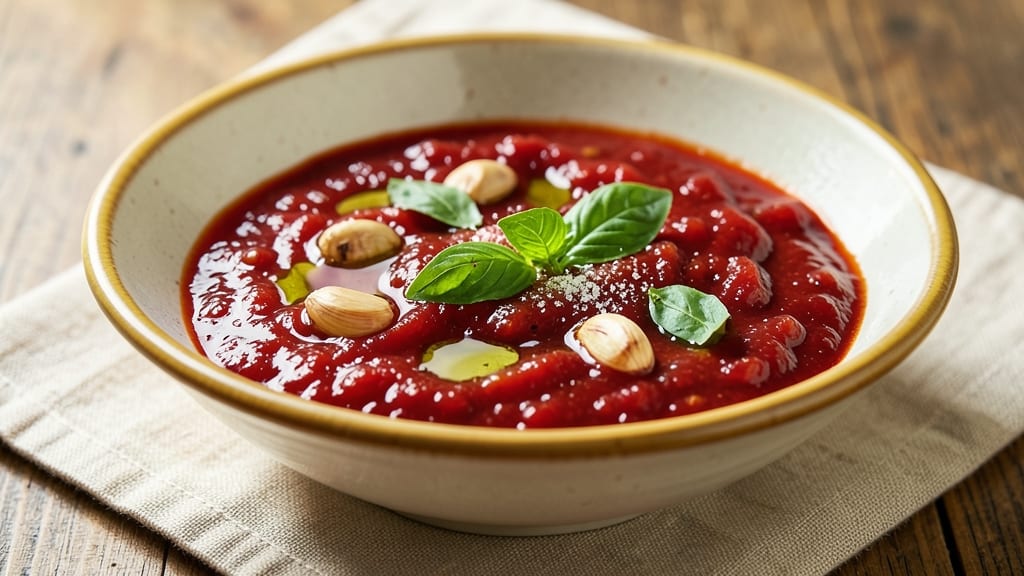
This marinara sauce recipe with red wine transforms simple ingredients into a restaurant-worthy sauce with deep umami richness and balanced acidity. After years of testing, I've perfected a method that uses red wine to elevate tomatoes, garlic, and herbs into something far more complex than basic marinara.
The key is patience—letting the sauce simmer slowly to develop layers of flavor that make every spoonful unforgettable.
The foundation starts with quality canned tomatoes and a modest splash of red wine, which adds depth without overpowering. Fresh garlic, basil, and a touch of sugar create harmony, while a long simmer reduces the sauce to perfect consistency.
This isn't your childhood marinara—it's a sauce that pairs beautifully with pasta, pizza, or even as a dipping sauce for crusty bread.
What you'll achieve is a velvety sauce with intense tomato flavor, subtle wine notes, and just the right balance of acidity. The texture is smooth yet slightly chunky, with herbs that stay vibrant.
This sauce keeps well in the fridge for up to a week, making it perfect for meal prep or gifting to neighbors who love homemade pasta nights.
One of my favorite discoveries is how this sauce transforms store-bought pasta into a gourmet meal. The wine-infused marinara clings to every strand, creating a dish that feels special without requiring hours in the kitchen. Here's how to make it—your taste buds will thank you.
Ingredients for marinara sauce recipe with red wine
Nine ingredients, one slow simmer—this sauce transforms simple pantry staples into restaurant-quality perfection.
| Ingredient | Amount | Notes |
|---|---|---|
| San Marzano Crushed Tomatoes 🍅 | 28 oz | High-quality, no salt added |
| Dry Red Wine 🍷 | ½ cup | Bold Cabernet Sauvignon preferred |
| Garlic Cloves 🧄 | 4 cloves | Fresh, minced for best flavor |
| Fresh Basil Leaves 🌿 | ½ cup | Packed, stems removed |
| Extra-Virgin Olive Oil 🫒 | ¼ cup | For richness and balance |
| Granulated Sugar 🍚 | 1 tbsp | Balances acidity |
| Sea Salt 🧂 | 1 tsp | Diamond Crystal preferred |
| Ground Black Pepper 🌶️ | ½ tsp | Freshly ground preferred |
| Vegetable Broth 💧 | ½ cup | Low-sodium preferred |
The tomatoes make or break this sauce. San Marzano is worth the splurge—sweeter, meatier, and less watery than regular canned tomatoes. I grab mine from Whole Foods or Trader Joe's when they're on sale. The red wine should be bold and dry—Cabernet Sauvignon or Merlot work perfectly. If you're using a cheaper wine, go for something with at least 12% alcohol so it doesn't taste like cooking wine. Fresh garlic and basil are non-negotiable here—they're the secret to that bright, vibrant flavor.
No red wine? Substitute with extra vegetable broth—just add another 0.25 cup to compensate. Short on basil? Dried oregano at one-third the amount works in a pinch, but trust me, fresh is worth the effort. Using pre-minced garlic? Toast it in olive oil first to deepen the flavor. The sugar might seem odd, but it's essential for balancing the acidity—don't skip it. If you're sensitive to salt, taste as you go and adjust the sea salt to your preference. The olive oil adds richness, so use something fruity and high-quality—California extra-virgin is my go-to.
This sauce tastes even better the next day as the flavors meld. Keeps for up to 7 days in the fridge, so make a big batch. Freezes beautifully for 3 months if you want to prep ahead. I always make extra to share with neighbors—it's the kind of sauce that disappears fast. To reheat, just warm it gently on the stove with a splash of water if it's too thick. Perfect for pasta, pizza, or even drizzled over grilled chicken.
Why You'll Love This Recipe
- Here’s what sold me: the red wine doesn’t just add acidity—it layers in this rich, almost velvety note that turns ordinary marinara into something restaurant-worthy. The first time I tasted it, I thought, “Wait, this is why people splurge on wine?” (Yes, even on a Tuesday night.) The basil finishes it with that bright, fresh punch that makes every bite feel like a little celebration.
- I’ll be real: San Marzano tomatoes and good olive oil aren’t cheap, but they stretch further than you’d think. A single batch feeds my family for three meals, and the wine adds that restaurant-quality touch without breaking the bank. Plus, the leftovers? They taste better the next day, so you’re basically getting double the flavor for the price. That’s a win.
Step-by-step instructions for marinara sauce with red wine
Here's how to build a rich, balanced sauce that delivers deep umami flavor through careful layering.
Bloom the Garlic in Olive Oil
Heat the 0.25 cup extra-virgin olive oil in a medium saucepan over medium-low heat. Add the 4 minced garlic cloves and cook for 2-3 minutes until they're golden and fragrant—not browned, just perfumed. This gentle cooking prevents bitterness while developing flavor. Watch closely; garlic burns quickly and turns acrid.
Here's the thing—if you smell something sharp or burnt, you've gone too far. Immediately remove the pan from heat and start over. The garlic should smell sweet and inviting, like a warm kitchen in Italy. Once fragrant, remove the pan from heat temporarily while you prep the tomatoes.
Build the Sauce Foundation
Return the pan to medium heat and add the 28 oz San Marzano crushed tomatoes, stirring to combine. Increase heat to medium-high and bring to a gentle boil. Let it cook uncovered for 10 minutes, stirring occasionally, until the tomatoes begin to break down and the sauce thickens slightly.
This initial reduction concentrates the tomato flavor and removes some of the raw acidity. You'll notice the sauce darken and develop a glossy sheen—this is when the natural sugars caramelize. Don't rush this step; patience here prevents a watery sauce later.
Add Wine and Broth for Depth
Pour in the 0.5 cup dry red wine and the 0.5 cup vegetable broth, stirring constantly. The wine will bubble vigorously at first, then settle as it incorporates. Reduce heat to medium-low and simmer uncovered for 15 minutes, stirring occasionally. This allows the alcohol to cook off while developing complexity.
You'll smell the wine's fruit notes melding with the tomato's acidity—this is where the sauce starts to sing. If the sauce gets too thick, add 1-2 tablespoons of water to maintain a loose consistency. The goal is a sauce that coats the back of a spoon but still flows smoothly.
Season and Finish with Herbs
Stir in the 1 tbsp granulated sugar, 1 tsp sea salt, and 0.5 tsp ground black pepper, letting the sauce simmer for 5 minutes to meld the flavors. The sugar balances the tomatoes' acidity while the salt and pepper enhance all the components. Taste and adjust seasoning—you might need a pinch more salt or a crack of pepper.
Remove the pan from heat and stir in the 0.5 cup fresh basil leaves. Let the sauce sit for 5 minutes to infuse the basil's bright flavor. The leaves will wilt and release their aroma into the sauce. For maximum flavor, I like to mash some of the basil against the side of the pan with a wooden spoon before removing the rest.
Simmer to Perfection
Return the sauce to low heat and simmer gently for 20-30 minutes, stirring occasionally. The sauce should reduce until it reaches a consistency where it lightly coats the back of a spoon. You're looking for a sauce that's thick enough to cling to pasta but still flows smoothly—not gluey or stiff.
Real talk: this is where many home cooks rush. But simmering slowly develops the sauce's depth and complexity. If it reduces too quickly, add 1-2 tablespoons of water or vegetable broth to maintain balance. The final sauce should be vibrant, aromatic, and perfectly balanced between sweet, salty, and acidic notes.
Pro Tips For Making Marinara Sauce Recipe With Red Wine
- Simmer Slow and Low: After burning three batches, I finally figured out that marinara with red wine needs patience—keep the heat at a gentle simmer (around medium-low) once the wine’s added. Rushing it turns the sauce bitter, and you’ll end up with a sad, alcohol-heavy mess instead of rich, balanced flavor.
- Deglaze Before Adding Tomatoes: Don’t skip the wine deglaze—it’s the thing that matters most. After searing garlic in olive oil, pour in the red wine and let it bubble for 2-3 minutes until it reduces by half. This pulls out the caramelized bits and deepens the sauce’s complexity before the tomatoes even hit the pot.
- Salt the Tomatoes First: My grandmother swore by this, and she was right: sprinkle a pinch of salt directly over the crushed San Marzano tomatoes before adding them to the pot. It softens the skins and balances their natural acidity, so your sauce won’t taste like straight tomato juice when it’s done.
- Reserve Half the Basil: Tossing in all the basil at once makes it turn to mush and overpower the sauce. Instead, chop half and stir it in at the end, then reserve the rest to garnish—whole leaves keep the dish looking fresh and add a bright, herbal finish when you serve it.
Troubleshooting this recipe
Acidic or Sour Flavor
If your marinara tastes overly acidic or sour, it’s usually because the tomatoes weren’t cooked long enough to mellow their natural acidity. Simmer uncovered for an extra 10-15 minutes to let the water evaporate and the flavors balance.
A pinch of granulated sugar (up to ½ tsp) can also help neutralize the sharpness without altering the sauce’s depth. 💡
Flat or Bland Taste
A bland sauce often means the wine’s alcohol didn’t fully cook off or the herbs weren’t infused properly. Reduce heat to low and simmer uncovered for another 10 minutes after adding the wine to ensure all the alcohol evaporates.
For extra depth, add 1 tsp balsamic vinegar or a splash of red wine reduction (simmer ½ cup red wine until syrupy) before finishing with basil. 🌶️
Too Thick or Gluey
If your sauce is too thick, you likely reduced it too much. Stir in 1-2 tablespoons of water or vegetable broth and simmer gently until it reaches a smooth, clinging consistency.
For a smoother texture, blend ½ the sauce with an immersion blender before mixing it back in. Avoid over-simmering—this can break down the tomatoes into a mushy, gluey mess. ✨
Wine Taste Too Strong
If the wine flavor overpowers the tomatoes, you added too much or didn’t cook it off long enough. Simmer uncovered for an additional 10-15 minutes to let the alcohol dissipate.
For a subtler wine note, reduce the amount to ¼ cup next time. A splash of tomato paste (1 tbsp) can also help round out the flavor. 🍷
Herbs Not Infusing
If your basil or other herbs taste underwhelming, they weren’t infused long enough. Remove the pan from heat after adding the herbs and let them steep for 10-15 minutes before simmering again.
For even more flavor, lightly crush the basil leaves with a wooden spoon to release their oils. Dried herbs? Use half the amount and add them earlier in the cooking process. 🌿
Sauce Separates or Splits
Separation happens when the sauce isn’t stirred enough or the tomatoes aren’t fully broken down. Stir constantly for the first 5 minutes after adding the tomatoes, and simmer uncovered to let the water evaporate evenly.
If it splits, whisk vigorously and add 1 tbsp cornstarch mixed with 1 tbsp water to stabilize it. 🔥
Nutrition facts
Frequently asked questions
Can I use white wine instead of red wine in this marinara?
While you can substitute white wine, it won't deliver the same depth of flavor. White wine lacks the tannins and fruit notes that red wine provides to the sauce. If you must use white, opt for a dry variety like Sauvignon Blanc and reduce the amount to ¼ cup—it'll be brighter but less complex. For best results, stick with red wine for that signature umami richness.
How do I prevent my marinara from tasting like cooking wine?
Use a bold, dry red wine (like Cabernet Sauvignon) rather than cheap cooking wine. Simmer the sauce uncovered for at least 20 minutes after adding the wine to let the alcohol fully evaporate. If the wine flavor is still too strong, reduce the amount to ¼ cup next time or add 1 tbsp tomato paste to round out the taste. Patience is key!
What's the best way to store leftover marinara?
Store in an airtight container in the fridge for up to 7 days, or freeze for 3 months. To reheat, warm gently on the stove with a splash of water if it's too thick. The sauce actually tastes better the next day as flavors meld! For freezing, leave some headspace in the container since the sauce will expand slightly.
Can I make this sauce in a slow cooker?
Yes! Combine all ingredients in your slow cooker and cook on low for 4-5 hours or high for 2-3 hours. Stir occasionally to prevent sticking. The slow cooker method works well but may require adding 1-2 tablespoons of water if it gets too thick. The long cook time enhances the wine's depth beautifully.
What's the secret to getting that perfect restaurant-style consistency?
Simmer the sauce uncovered for the full 20-30 minutes to reduce it properly. The ideal consistency should coat the back of a spoon but still flow smoothly—not gluey. If it's too thick, add 1-2 tablespoons of water or broth. For extra silkiness, blend half the sauce with an immersion blender before mixing it back in. Patience at low heat is what transforms home cooking into restaurant quality!