
Sauces & Condiments
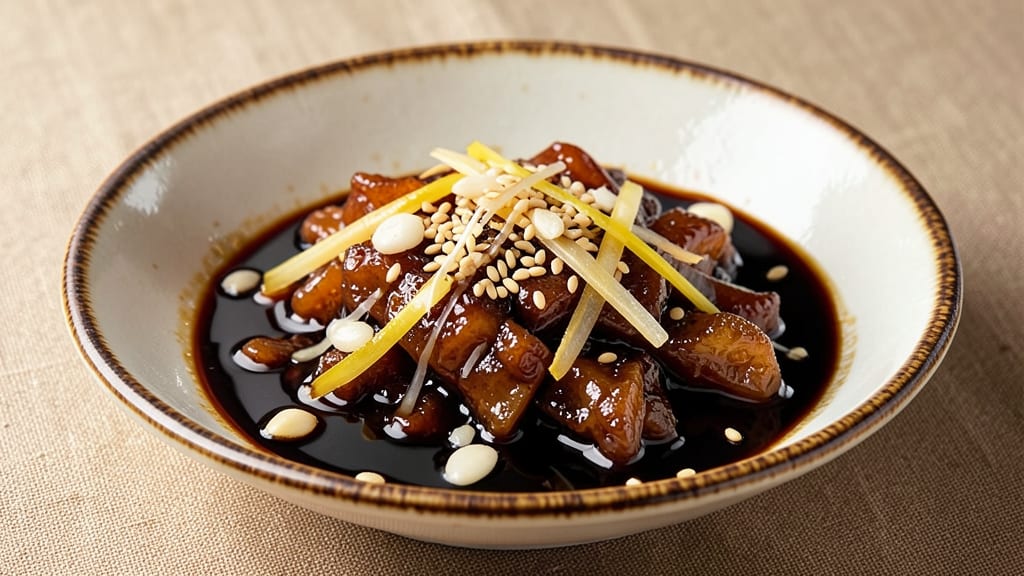
This soy sauce brown sugar stir fry sauce transforms ordinary stir-fries into restaurant-quality dishes with its perfect balance of sweet, savory, and umami depth. 🔥 The secret lies in the harmony of dark soy sauce for richness, brown sugar for caramelized sweetness, and aromatic garlic-ginger for complexity—all simmered into a glossy, clingy glaze that clings to every bite.
What makes this sauce truly perfect is its versatility and foolproof technique. No complicated reductions or special equipment required—just a saucepan, 10 minutes of active time, and a few simple ingredients that work together seamlessly.
The cornstarch slurry ensures a silky texture without breaking, while a splash of rice vinegar brightens the flavors.
Once complete, this sauce delivers a glossy, flavorful coating that enhances everything from crispy tofu and tender chicken to fresh vegetables. The caramelized notes develop as you cook, creating layers of complexity that elevate even the simplest stir-fry.
Store it in the fridge for up to 2 weeks or freeze for longer shelf life—ready to transform your wok dishes instantly.
Use it as a finishing glaze, tossing sauce with hot ingredients at the end, or simmer it longer for a thicker consistency perfect for marinades. The possibilities are endless, but the foundation remains the same: a balanced, professional-quality sauce that delivers every time.
Ingredients for stir fry sauce recipe soy sauce brown sugar
Restaurant-quality stir-fry magic in a saucepan—just these ten ingredients transform any wok dish instantly.
| Ingredient | Amount | Notes |
|---|---|---|
| Dark Soy Sauce 🍶 | ½ cup | For deep umami richness |
| Light Soy Sauce 🍶 | ¼ cup | Balances the sweetness |
| Light Brown Sugar 🍯 | ½ cup | Caramelizes beautifully |
| Fresh Garlic Cloves 🧄 | 4 cloves | Minced for aromatic punch |
| Fresh Ginger 🌿 | 1 tbsp | Grated, for zesty brightness |
| Rice Vinegar 🍶 | 1 ½ tbsp | Brightens the sauce |
| Cornstarch 🌾 | 1 tbsp | For silky texture |
| Water 💧 | 1 ½ tbsp | For slurry consistency |
| Sesame Oil 🫒 | 1 tsp | Adds nutty aroma |
| Red Chili Flakes 🌶️ | ½ tsp | Optional for heat |
Dark soy sauce is the game-changer here—it gives that deep, caramelized richness you find in professional stir-fries. Kikkoman or Lee Kum Kee are my go-tos, but any high-quality brand works. The brown sugar? Light brown caramelizes faster than dark—don't skip this for that perfect glossy sheen. Fresh garlic and ginger? No substitutes here—frozen or jarred loses that zesty punch. I always grab extra ginger because it keeps for weeks in the freezer, and mincing it fresh takes 30 seconds that makes all the difference.
No dark soy sauce? Double the light soy sauce and add 1 tsp molasses for depth. Swapping brown sugar? Honey or maple syrup works, but the caramelization won't be as rich. The cornstarch slurry is non-negotiable for that silky texture—Diamond Crystal is my brand of choice, but any cornstarch will do. Sesame oil adds that nutty aroma, but if you're avoiding it, toasted sesame seeds sprinkled at the end give the same vibe. For heat, gochugaru or sriracha can replace chili flakes if you've got them.
This sauce keeps 2 weeks in the fridge—just store it in a sealed jar with a splash of water to maintain consistency. For longer storage, freeze in ice cube trays—thaw and toss directly into stir-fries. The flavors actually improve after a day or two as everything melds together. I like to make a double batch because it disappears faster than you'd think—perfect for marinades too if you let it sit for 30 minutes before using.
Why You'll Love This Recipe
- I’ll be real: this sauce costs next to nothing to make, and a little goes a long way. A jar of soy sauce lasts forever, and brown sugar? Always on hand. Plus, the leftovers? I freeze them in ice cube trays and pull them out whenever I need a quick flavor boost. Budget-friendly and brilliant.
- Five-Ingredient Magic: I swear, this sauce is my lazy-day hero—just heat those two soy sauces, toss in minced garlic and ginger (no measuring cups needed), then stir in brown sugar until it dissolves. That’s it. Even when I’m too tired to think, this still tastes like I slaved over it.
- Sweet-Savory Balance: Here’s what sold me—the dark soy sauce gives that deep, umami richness, while the brown sugar cuts through with just enough caramelized warmth. The garlic and ginger? They wake up every bite, like a little flavor hug. Honestly, it’s the kind of sauce that makes me want to eat stir-fry for breakfast.
- Weeknight Workhorse: Between us, this is my go-to for takeout nights, potlucks, or when my college-age kid texts, "What’s for dinner?" Drizzle it over noodles, toss with tofu, or even slather it on grilled chicken. It’s the one sauce that never lets me down—no fancy prep, just pure satisfaction.
Step-by-step instructions for soy sauce brown sugar stir fry sauce
This sauce delivers that perfect balance of sweet, savory, and umami—every time.
🍳 Step 1: Bloom the Aromatics in Oil
Heat a small saucepan over medium heat and add 1 teaspoon sesame oil. Once it shimmers (about 30 seconds), add the 4 cloves fresh garlic cloves and 1 tablespoon fresh ginger that you've minced. Cook for 30 seconds until fragrant—you'll smell that sweet garlic aroma and see it just starting to turn golden.
Here's the thing—don't let the garlic burn. It happens fast, and burned garlic tastes bitter. If it starts to darken too quickly, reduce the heat to low and keep stirring. This aromatic base is the flavor foundation of your sauce, so take your time with this step. Once the garlic is golden but not browned, it's ready for the next ingredients.
🍳 Step 2: Combine Wet Ingredients and Simmer
Add the 0.5 cup dark soy sauce, 0.25 cup light soy sauce, 0.5 cup light brown sugar, and 1.5 tablespoons rice vinegar to the pan. Stir well to combine, then bring the mixture to a gentle simmer over medium heat. Let it cook uncovered for 5-7 minutes until the sugar begins to caramelize—you'll see it thicken slightly and develop a glossy sheen.
This is where the magic happens. The brown sugar will dissolve and start caramelizing, deepening the sauce's flavor profile. If it reduces too quickly and starts to stick, add 1 tablespoon water to keep it moving. You're aiming for a smooth, syrupy consistency that coats the back of a spoon. The sauce should smell rich and complex—like a perfect blend of sweet, salty, and tangy.
🥘 Step 3: Create the Cornstarch Slurry
In a small bowl, whisk together the 1 tablespoon cornstarch and 1.5 tablespoons water until completely dissolved and smooth. This is your thickening agent, and it needs to be lump-free for a silky sauce. The slurry should look like thin white glue—no streaks of dry cornstarch.
Real talk: if you skip this step, your sauce will be watery. The cornstarch is what gives this stir fry sauce that perfect glossy finish and thick, coating consistency. Keep this mixture nearby as you'll add it in the next step. The timing matters here—add it when the sauce is at a gentle simmer, not a full boil.
🍳 Step 4: Thicken and Finish the Sauce
Pour the cornstarch slurry into the simmering sauce, stirring constantly with a silicone spatula or wooden spoon. The sauce will thicken almost immediately—keep stirring vigorously for 1-2 minutes until it reaches a glossy, syrupy consistency that coats the spoon completely. If it thickens too quickly, add 1 teaspoon water to adjust the texture.
Now stir in the 0.5 teaspoon red chili flakes and remove the pan from heat. The chili adds just a hint of heat to balance the sweetness, but don't worry if you prefer it mild—you can always adjust this to taste. Let the sauce sit off the heat for 2-3 minutes to thicken further. It should be smooth, glossy, and ready to transform any stir fry into a restaurant-quality dish.
⏰ Step 5: Rest and Use Immediately
Transfer the finished sauce to a small bowl or jar and let it rest at room temperature for 5 minutes. This resting period allows the flavors to meld completely and the sauce to reach its ideal consistency. The sauce should be thick enough to coat the back of a spoon but still pourable—like a perfect glaze.
Use your sauce immediately for best results, but it will keep in the refrigerator for up to 1 week in an airtight container. When you're ready to use it, give it a quick stir and gently reheat in a small saucepan over low heat, adding 1 teaspoon water if it thickens too much. This sauce is incredibly versatile—drizzle it over stir fries, use it as a marinade, or even glaze roasted vegetables for that perfect balance of sweet, savory, and umami.
Pro Tips For Making Stir Fry Sauce Recipe Soy Sauce Brown Sugar
- Bloom the Ginger First: Toss your ginger slices in the hot wok for 10 seconds before adding garlic—this softens the fibers so they don’t clump into a rubbery mess. I learned this the hard way after serving stir-fry with chewy ginger chunks that made people wince.
- Sweat the Garlic: Cook the garlic in the wok until it’s golden but not browned—just past the point where it smells heavenly but before it turns bitter. Overcooking turns it acrid, and that’s when your sauce goes from savory to soapy.
- Dissolve the Sugar: Stir the brown sugar into the hot wok after the aromatics are cooked, then let it bubble for 30 seconds until it fully melts into the sauce. Skipping this step leaves gritty sugar crystals that ruin the texture—like eating candy with sand.
- Balance the Soy Sauces: Use the dark soy sauce last—just a splash—to color the dish, while the light soy sauce carries the real flavor. I used to dump them both in together and ended up with a muddy, overpowering sauce that tasted like a soy sauce dumpster.
Make-ahead tips for stir fry sauce recipe soy sauce brown sugar
Batch Prep Essentials
Make a double batch of this sauce and store it in glass jars with tight-sealing lids. The extra effort pays off—this sauce disappears fast! I like to keep one jar in the fridge for quick stir-fries and freeze the second batch in ice cube trays for single-use portions.
Each cube makes a perfect glaze for one meal. 💫
Freezer-Friendly Tips
For long-term storage, freeze the sauce in 1-tablespoon portions—ideal for quick marinades or finishing touches. When ready to use, thaw in the fridge overnight or microwave for 10-15 seconds to loosen.
The sauce may thicken slightly after freezing, so add ½ teaspoon water when reheating. I always label my freezer containers with the date to track freshness.
Marinade Magic
Use this sauce as a marinade for chicken, tofu, or shrimp by letting it sit for 30 minutes before cooking. The longer it marinates, the deeper the flavor infusion—2 hours max for chicken to avoid over-tenderizing.
I like to toss 1 pound of chicken thighs with ¼ cup sauce and let them sit uncovered in the fridge for 1 hour before stir-frying. The result? Juicy, flavor-packed protein every time. 🍗
Reheating Perfection
To restore the sauce's glossy texture after refrigeration, gently reheat in a small saucepan over low heat with 1 tablespoon water. Stir constantly to prevent sticking—2-3 minutes should do it.
If it thickens too much, add another splash of water. Never microwave this sauce—it breaks the silky consistency and can make it grainy. A quick stovetop warm-up keeps it restaurant-quality. ✨
Flavor Boost Tricks
Need extra depth? Add 1 teaspoon toasted sesame seeds or ½ teaspoon grated star anise while reheating. For a smoky twist, stir in ¼ teaspoon smoked paprika during the final simmer. I also like to finish with 1 teaspoon honey if the sauce needs a touch more sweetness.
These tweaks let you customize the sauce to match your mood or the dish you're preparing.
Storage Containers
Use amber glass jars to preserve the sauce's color and prevent oxidation. Avoid plastic containers—they can absorb odors and alter the flavor over time. For travel, transfer the sauce to a small leak-proof container like a mason jar with a lid or a silicone travel container.
I keep one in my car for spontaneous stir-fry nights. Always store it in the fridge within 2 hours of making it to prevent bacterial growth. ❄️
Nutrition facts
Frequently asked questions
Can I make this stir-fry sauce without cornstarch?
The cornstarch creates that perfect silky texture, but you can substitute 1 tablespoon arrowroot powder or ½ teaspoon xanthan gum for a similar effect. Without either, your sauce will be thinner—great for tossing with veggies, but not ideal for glazing proteins. For a thicker version, reduce the sauce longer over low heat instead.
How do I adjust the sweetness level?
Start with the recipe as written, then taste and adjust: for more sweetness, add 1 teaspoon honey or maple syrup; for less, reduce the brown sugar to ¼ cup. If using honey, add it at the end to prevent crystallization. The rice vinegar helps balance sweetness, so don't skip it—it brightens the flavors beautifully.
Can I use this sauce for non-stir-fry dishes?
This sauce works as a marinade for grilled chicken or tofu, a glaze for roasted vegetables, or even a dipping sauce for spring rolls. For marinades, let proteins sit for 30 minutes; for glazes, brush on vegetables in the last 5 minutes. The versatility comes from its balanced sweet-savory profile that complements many dishes.
Why did my sauce turn grainy after reheating?
Graininess happens when cornstarch isn't fully dissolved or the sauce cools too quickly. Always whisk the slurry until completely smooth, and reheat gently over low heat, stirring constantly. If it happens, thin with 1 teaspoon water, then reheat again. For future batches, try arrowroot powder, which dissolves more easily than cornstarch.
What's the best way to store leftovers?
Transfer to an airtight glass jar and refrigerate for up to 1 week. For longer storage, freeze in 1-tablespoon portions. When reheating, add ½ teaspoon water***, as frozen sauce thickens significantly. Avoid plastic containers—they can alter the flavor over time. Label with dates to track freshness.