
Sauces & Condiments
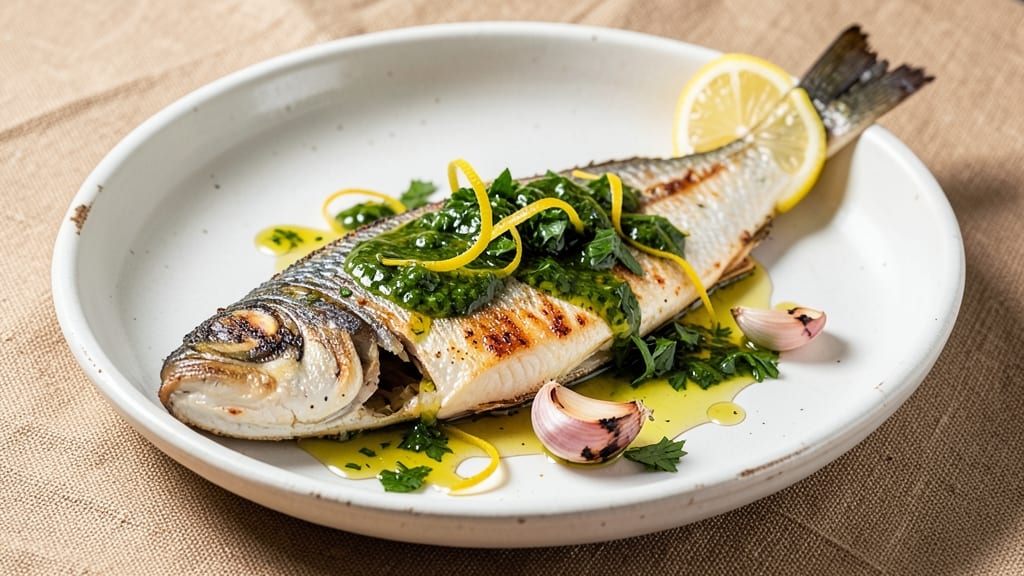
This basil sauce recipe for fish transforms simple ingredients into a bright, herby lemon-zest sauce that elevates grilled, baked, or pan-seared fish in just 10 minutes.
The secret lies in balancing fresh basil’s aromatic punch with zesty lemon and garlic, creating a sauce that clings beautifully to delicate fish fillets while adding a refreshing contrast to rich, flaky textures.
I developed this recipe after realizing how often store-bought sauces fell flat against high-quality seafood—this version cuts through the oiliness of salmon or cod while enhancing their natural sweetness.
The beauty of this sauce is its versatility and simplicity—no heavy cream or complicated techniques required. A blend of olive oil, lemon juice, and finely chopped basil forms the base, while garlic and parsley add depth.
The sauce’s light yet vibrant flavor profile makes it perfect for drizzling over finished fish or using as a marinade to infuse flavor before cooking.
What’s more, it keeps well in the fridge for 3–4 days or freezes for up to a month, ensuring you always have a restaurant-quality sauce on hand.
What sets this basil sauce apart is how it enhances rather than overpowers the fish. The lemon zest brightens the dish, while the basil’s herbal notes complement the natural flavors of seafood without competing.
Whether you’re serving it with grilled mahi-mahi, baked cod, or seared scallops, this sauce delivers a fresh, aromatic finish that turns a simple fish dinner into something special. The best part? It comes together in one bowl with ingredients you likely already have.
For extra flair, finish with a sprinkle of red pepper flakes or a pinch of salt to taste—this sauce adapts effortlessly to different fish varieties and cooking methods. Store it in an airtight container in the fridge, and you’ll always have a quick, foolproof way to elevate your seafood dishes.
Ready to make this sauce? Let’s get started.
Ingredients for basil sauce recipe for fish
Nine fresh ingredients transform into a vibrant, lemon-zest basil sauce perfect for seafood in minutes.
| Ingredient | Amount | Notes |
|---|---|---|
| Fresh Basil Leaves 🌿 | 2 cups | Packed, stems removed, vibrant green |
| Extra-Virgin Olive Oil 🫒 | ¾ cup | High-quality, fruity, cold-pressed |
| Fresh Lemon Juice 🍋 | ½ cup | Freshly squeezed, no pulp |
| Garlic Cloves 🧄 | 4 cloves | Fresh, peeled, minced fine |
| Fresh Flat-Leaf Parsley 🌿 | ¼ cup | Chopped, stems removed |
| Lemon Zest 🍋 | 1 tbsp | Fine, organic lemon preferred |
| Sea Salt 🧂 | ½ tsp | Fine grain, Diamond Crystal preferred |
| Freshly Ground Black Pepper 🌶️ | ¼ tsp | Freshly cracked peppercorns |
| Red Pepper Flakes 🔥 | ¼ tsp | Optional, for heat |
| Crushed Red Pepper 🌶️ | ¼ tsp | Optional, for depth |
The basil is non-negotiable here—farmers market basil has the most intense flavor, but even grocery store basil works if it's bright green and fresh. Whole Foods or local markets often carry the best quality, but don't stress if you can only find the plastic containers. The olive oil should be extra-virgin—avoid the cheap stuff that tastes like soap. For lemon juice, organic lemons have more zest, but conventional works too. The garlic? Freshly minced makes all the difference—pre-minced from jars tastes dull in comparison. I always double-check my parsley isn't wilted, as it adds that final herbal layer.
No fresh basil? Dried basil at one-third the amount works in a pinch, but it won't have the same brightness. Running low on parsley? Fresh cilantro or tarragon can sub at the same quantity. The lemon zest can be skipped if you're in a hurry, but trust me—it's what makes this sauce truly sing. For the heat components, red pepper flakes are more intense than crushed red pepper, so start with less if you're sensitive. The olive oil can be swapped for avocado oil if you prefer a milder flavor. And if you're making this ahead, store the lemon juice separately until ready to use to prevent the sauce from turning bitter.
This sauce keeps beautifully in an airtight container in the fridge for 3-4 days, though it's best used within 24 hours for maximum freshness. For longer storage, freeze it in ice cube trays—just thaw and stir before using. The texture will thicken slightly when chilled, so give it a quick whisk with a splash of water if it seems too stiff. I always make a double batch because it disappears so fast—perfect for drizzling over grilled fish or tossing with pasta. The red pepper flakes and crushed pepper can be added fresh when serving if you want to control the heat level.
Why You'll Love This Recipe
- Here’s what sold me: this sauce keeps like a champ. Store it in the fridge for up to 5 days, and it’s still bright and punchy—no sad, wilted basil here. Slather it on leftover fish, mix it into pasta, or even use it as a marinade for chicken. It’s the kind of recipe that turns scraps into something you’ll actually want to eat.
- Five-Ingredient Magic: I swear by this sauce because it’s the kind of recipe where you don’t need a degree in culinary arts—just chop, pulse, and drizzle. The basil and parsley practically blend themselves into a vibrant green hug for your fish, and the garlic? Oh, it’s there, but it’s good there—no overpowering bitterness, just a warm, aromatic whisper.
- Bright & Bold: That lemon juice cut through everything like a summer breeze, balancing the richness of olive oil and the earthiness of garlic. Honestly, the first time I tasted it on grilled cod, I nearly spilled my wine. It’s the kind of flavor that makes you pause mid-bite and think, “Why didn’t I do this sooner?”
- Weeknight to Dinner Party: Between us, this sauce is my secret weapon for lazy Mondays and impressing guests. Toss it on pan-seared trout for a 20-minute dinner, or drizzle it over baked halibut for a restaurant-worthy plate. The parsley adds that fresh finish that says “I actually cooked this,” even if you’re just reheating leftovers.
Step-by-step instructions for basil sauce recipe for fish
This vibrant sauce comes together in minutes—bright, herby, and perfectly balanced for delicate fish.
Prepare the Herb Base
In a food processor, combine the 2 cups fresh basil leaves and 0.25 cup fresh flat-leaf parsley. Pulse until finely chopped but not puréed—you want visible texture to carry through the sauce. The leaves should resemble a chunky, vibrant green confetti.
Transfer the herb mixture to a medium bowl and set aside. The key here is using fresh, vibrant herbs—their bright flavor will shine through. If you notice any wilted leaves, remove them first for the best results.
Blend the Wet Ingredients
In the same food processor, add the 0.75 cup extra-virgin olive oil, 0.5 cup fresh lemon juice, 4 cloves minced garlic, 1 tbsp lemon zest, 0.5 tsp sea salt, 0.25 tsp freshly ground black pepper, 0.25 tsp red pepper flakes, and 0.25 tsp crushed red pepper. Process until completely smooth, about 30-45 seconds.
This blend creates the sauce's silky texture while keeping the lemon's acidity sharp. The crushed red pepper adds subtle depth, while the red pepper flakes contribute a gentle heat. Taste the mixture now—it should be tangy, herby, and slightly spicy, with a smooth oil base.
Combine and Emulsify
With the food processor running on low speed, gradually add the herb mixture through the feed tube. This slow incorporation prevents the sauce from separating. Process for another 15-20 seconds until fully combined and emulsified—it should look like a thick, vibrant green pesto.
Here's the thing—if the sauce looks too thick, add 1-2 tablespoons water at a time until it reaches a pourable consistency. The sauce should coat the back of a spoon smoothly without being watery. For fish, you want it to cling beautifully without overpowering the delicate protein.
Rest and Adjust
Transfer the sauce to a serving bowl and let it rest at room temperature for 5 minutes. This brief resting period allows the flavors to meld together. Give it a final taste and adjust the seasoning if needed—perhaps a pinch more salt or a splash of lemon juice to brighten it further.
The sauce should now be a vibrant green with a glossy sheen from the olive oil. It should taste bright, herby, and slightly tangy with a hint of heat from the peppers. This sauce pairs beautifully with grilled or baked fish, adding a fresh, herbal contrast to the natural flavors of the seafood.
Pro Tips For Making Basil Sauce Recipe For Fish
- Pulse, Don’t Chop: DESCRIPTION: Use a food processor for basil and parsley—just 3-4 quick pulses keeps the herbs vibrant and releases their oils without turning them into mush. (I used to hand-chop and end up with a watery, sad sauce.)
- Warm the Oil First: DESCRIPTION: Heat the olive oil over low heat until just shimmering—about 30 seconds—before adding garlic. This cooks the garlic gently and prevents the basil from wilting into a bitter sludge. (Yes, even if you’re impatient like me.)
- Lemon Juice Last: DESCRIPTION: Add lemon juice after the sauce has cooled slightly—around 2 minutes off the heat. This keeps the bright acidity from cooking out and turning the sauce dull. (I learned this the hard way when my sauce tasted flat.)
- Strain for Smoothness: DESCRIPTION: Press the sauce through a fine-mesh sieve after blending to remove stubborn herb stems. It takes 10 seconds but makes the texture silky—no one wants to bite into a parsley stem while eating fish. (Trust me, it happens.)
Storing and reheating this basil sauce recipe for fish
Fridge Storage Tips
Transfer your basil sauce to an airtight glass container—I love using Pyrex with a snap-on lid—and store it in the fridge for up to 3-4 days.
The sauce will thicken slightly when chilled, so give it a quick whisk with 1-2 tablespoons water if it feels too stiff before using. Always keep it in the coldest part of your fridge to preserve freshness. 🌿
Freezer-Friendly Tricks
For longer storage, freeze the sauce in ice cube trays—this makes it easy to thaw just what you need. Once frozen, transfer the cubes to a ziplock freezer bag and label with the date. Thaw overnight in the fridge and stir gently before using.
The texture may separate slightly, but a quick whisk brings it back together. I’ve kept this sauce frozen for up to 3 months with no loss of flavor. ❄️
Reheating Like a Pro
To revive the sauce’s vibrant texture, warm it gently on the stovetop over low heat for 2-3 minutes—never boil it, or the basil will turn bitter. Stir in 1 tablespoon water or lemon juice if it thickens too much.
For microwave reheating, use 30-second intervals on low power, stirring between each. Always taste and adjust seasoning after reheating, as flavors can mellow over time. 🔥
Reviving Stale Sauce
If your sauce has lost its brightness, add a fresh 1 teaspoon lemon juice and a pinch of sea salt to perk it up. A handful of fresh basil or parsley, finely chopped, can also work wonders—just stir it in and let it sit for 5 minutes before serving.
This trick saves many a forgotten sauce from the trash can. 💡
Serving Suggestions
Drizzle the sauce over grilled salmon or cod just before serving, or use it as a marinade for 10-15 minutes before cooking. For extra flair, sprinkle with toasted pine nuts or crumbled feta to add crunch and creaminess.
The sauce also works beautifully as a dipping sauce for shrimp skewers or as a light pasta sauce. 🍽️
Nutrition facts
Frequently asked questions
Can I use dried basil instead of fresh?
You can substitute dried basil, but use only one-third the amount (about ⅓ cup for this recipe). Fresh basil delivers that bright, aromatic flavor that dried can't match—it's worth seeking out fresh leaves for the best results. If you must use dried, crush it between your fingers first to release its oils and enhance the flavor.
How do I adjust this sauce for spicier fish like tuna or swordfish?
For bold fish varieties, increase the heat by doubling the red pepper flakes to ½ tsp and adding ¼ tsp cayenne pepper. For a smoky twist, stir in ½ tsp smoked paprika when serving. The sauce's lemony brightness will balance the heat beautifully, creating a perfect contrast for rich, oily fish.
What if my sauce separates after refrigeration?
This happens when the emulsion breaks—simply whisk in 1-2 tablespoons water or lemon juice until smooth. For extra insurance, add ½ tsp Dijon mustard next time you make it, as it helps stabilize the oil. The sauce should return to its creamy texture within seconds. Never boil it to fix separation, as heat will destroy the basil's delicate flavor.
Can I make this sauce ahead for a dinner party?
Prepare it up to 24 hours ahead and store it in an airtight container in the fridge. For parties, make a double batch—it disappears fast. Just give it a quick whisk before serving to revive its vibrant texture. The flavors actually improve slightly as they meld overnight, making it perfect for stress-free entertaining.
What's the best fish to pair with this sauce?
This sauce shines with white fish like cod, halibut, or mahi-mahi, but also works beautifully with salmon or trout. For grilled fish, let it sit on the plate for 2-3 minutes before serving to let the flavors marry. The sauce's light acidity cuts through richer fish like tuna, while its herbal notes complement delicate seafood perfectly.