
Sauces & Condiments
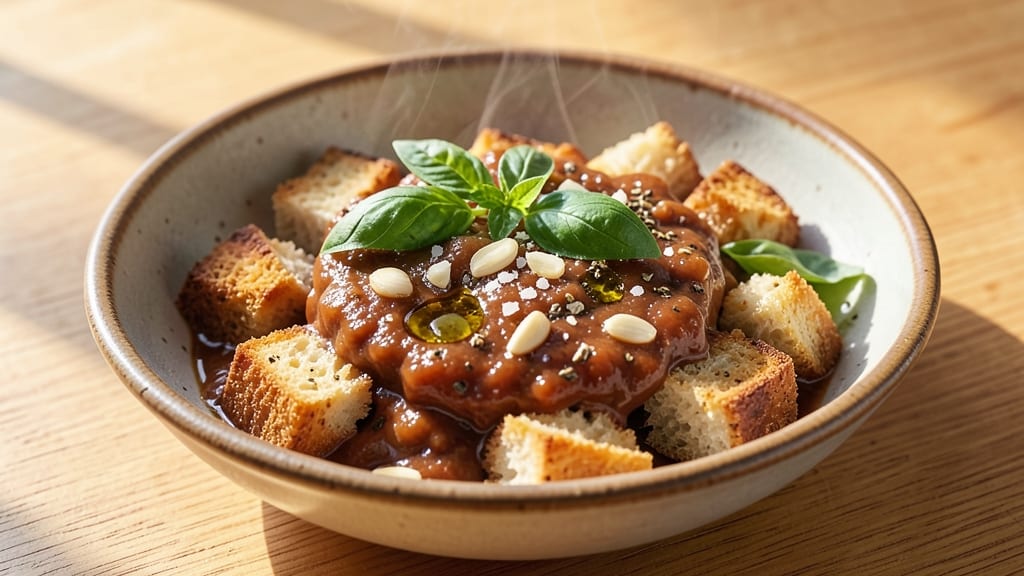
Transforming leftover spaghetti sauce into something even better is the secret weapon every home cook needs. This freezer-friendly recipe takes your existing sauce—whether it's rich tomato-based or meaty—and elevates it with simple adjustments that preserve flavor and texture.
The key lies in balancing moisture and thickness, ensuring every spoonful remains vibrant and full-bodied, not watered down. What makes this sauce special is its versatility—it works as a quick soup, a hearty dip, or a base for new dishes without requiring extra ingredients.
A quick reduction or simmer with aromatics can refresh the flavors, while adjusting the consistency ensures it meets your needs. Perfect for meal prep or last-minute dinners, this method guarantees zero waste while delivering restaurant-quality results.
The process is straightforward: assess your sauce’s current texture, then adjust with a splash of broth or a simmer to concentrate flavors. Store it properly for up to 3 months in the freezer, ready to transform into tomorrow’s meal.
Whether you’re repurposing a small batch or a large pot, this technique turns leftovers into something new and exciting. Ideal for soups, pasta toppings, or even a quick marinade, this sauce proves that leftovers can be just as delicious as the original. Let’s get started!
Ingredients for leftover spaghetti sauce
Eight simple ingredients transform ordinary leftover spaghetti sauce into restaurant-quality condiment.
| Ingredient | Amount | Notes |
|---|---|---|
| Leftover Spaghetti Sauce 🍅 | 4 cups | Homemade or store-bought, any variety |
| Vegetable Broth 💧 | ½ cup | Low-sodium preferred for flavor control |
| Garlic Cloves 🧄 | 3 cloves | Minced for aromatic depth |
| Extra-Virgin Olive Oil 🫒 | 1 tbsp | High-quality for richness |
| Fresh Basil Leaves 🌿 | ¼ cup | Chopped, stems removed |
| Dried Oregano 🍃 | ½ tsp | Mediterranean variety preferred |
| Salt 🧂 | ½ tsp | Diamond Crystal kosher preferred |
| Black Pepper 🌶️ | ¼ tsp | Freshly ground for optimal flavor |
| Red Wine Vinegar 🍷 | 1 tsp | Brightens flavors naturally |
| Sugar 🍬 | ¼ tsp | Balances acidity, optional |
The foundation is your existing sauce—whether homemade or store-bought. For optimal results, use sauce with at least 20% tomato content to ensure vibrant color and depth. Whole Foods Market and Trader Joe's carry high-quality pre-made sauces if you're starting from scratch. If your sauce is too thin, reduce it on the stove first—simmer uncovered until thickened to your preference. The garlic and olive oil form the aromatic base, so freshly minced garlic and extra-virgin olive oil are non-negotiable for professional results. For extra richness, consider adding a splash of balsamic glaze during the final step.
Vegetable broth can be substituted with white wine or tomato paste for different flavor profiles—wine adds brightness, while tomato paste deepens the color. No fresh basil? Dried basil at one-third the amount works in a pinch, though fresh provides superior flavor. The red wine vinegar and sugar create a perfect balance—skip the sugar if your sauce is already sweet, but the vinegar helps cut through any heaviness. For a meaty sauce, consider adding 1 teaspoon of Worcestershire sauce to enhance umami depth. If your sauce is particularly acidic, reduce the vinegar to 0.5 teaspoon to maintain equilibrium.
This elevated sauce maintains its quality for 3 months in the freezer when stored properly. Portion into airtight glass containers or silicone molds for easy thawing—simply reheat on the stove or microwave. For best texture, avoid freezing with added broth; instead, incorporate it fresh when ready to use. The sauce doubles as a pasta topping, soup base, or marinade, making it incredibly versatile. Label containers with the date to track freshness, and always thaw in the refrigerator to preserve texture and prevent bacterial growth.
Why You'll Love This Recipe
- Zero-Waste Magic: I swear by this trick—no sad, dried-out sauce here. Just a splash of broth, a quick simmer, and suddenly, your leftover sauce tastes fresher than the day you made it. That garlic sizzle in the oil? Pure alchemy.
- Weeknight Unicorn: Five minutes, three ingredients, and you’ve got dinner. I’m not kidding—this is the move that saves me when I’ve got 20 minutes and a fridge full of "almost expired" veggies. The basil at the end? That’s the secret handshake.
- Budget Flex: Between us, this recipe turns $3 worth of pantry staples into a meal that feels fancy. Vegetable broth stretches that sauce like a pro, and the garlic? It’s the only fancy ingredient you’ll need. My wallet thanks me every time.
- Freezer-Friendly Hero: Make a double batch, freeze half, and boom—you’ve got a backup for any lazy night. Toss it in a pot later, and it’s like you’re cooking from scratch. (Spoiler: No one will guess it’s reheated.)
Step-by-step instructions for transforming leftover spaghetti sauce
Here's how to elevate your leftover sauce into a vibrant, restaurant-quality dish.
Sauté the Garlic in Olive Oil
Heat the 1 tablespoon extra-virgin olive oil in a medium saucepan over medium heat. Add the 3 minced garlic cloves and sauté for 1-2 minutes until they become fragrant and just begin to turn golden. This step builds aromatic depth—don't let the garlic brown or it will turn bitter.
Watch closely as the garlic releases its aroma. You'll know it's ready when the kitchen fills with that unmistakable garlic scent and the edges of the cloves turn slightly translucent. Remove the pan from heat immediately after this point to prevent burning.
Combine Sauce and Broth
Return the pan to medium-low heat and add the 4 cups leftover spaghetti sauce and 0.5 cup vegetable broth. Stir gently to combine, allowing the sauce to warm through. You want to maintain a gentle simmer—not a rolling boil—to preserve the sauce's texture and prevent separation.
Bring the mixture to a gentle simmer and let it cook uncovered for 8-10 minutes. This allows excess moisture to evaporate, intensifying the flavors. Stir occasionally to prevent sticking, but avoid vigorous stirring which can break down the sauce's natural emulsifiers.
Season and Balance Flavors
Add the 0.5 teaspoon dried oregano, 0.5 teaspoon salt, 0.25 teaspoon black pepper, 1 teaspoon red wine vinegar, and 0.25 teaspoon sugar. Stir well to distribute these ingredients evenly throughout the sauce. The vinegar brightens the flavors while the sugar subtly balances its acidity—this combination is what transforms ordinary sauce into something extraordinary.
Taste the sauce and adjust seasoning if needed. The dried oregano should complement the existing herbs, while the vinegar and sugar work together to create a well-rounded flavor profile. If you find the sauce needs more acidity, add another ¼ teaspoon vinegar. For more sweetness, add ⅛ teaspoon sugar at a time.
Incorporate Fresh Basil
Remove the sauce from heat and stir in the 0.25 cup chopped fresh basil leaves. The heat will release the basil's essential oils, infusing the sauce with vibrant aroma and freshness. Let the mixture sit off the heat for 3-5 minutes to allow the flavors to meld completely.
This final step is crucial for achieving that bright, fresh flavor characteristic of Italian cuisine. The basil's aroma will permeate the sauce, creating a harmonious blend of cooked and fresh elements. If you prefer a smoother texture, you can strain the sauce through a fine-mesh sieve after adding the basil, though this will remove some of the herb's visual appeal.
Serve or Store for Later
For immediate serving, ladle the sauce into warmed bowls and serve over pasta, with crusty bread, or alongside your favorite protein. The sauce should be thick enough to coat the back of a spoon but still have a silky texture. If you're using it for a pasta dish, you may need to add a splash of pasta water to reach your desired consistency.
For storage, let the sauce cool to room temperature, then transfer it to airtight containers. It will keep in the refrigerator for up to 5 days or in the freezer for up to 3 months. When reheating, do so gently over low heat to prevent scorching and to preserve the sauce's texture. This method ensures you'll always have delicious sauce on hand without any waste.
Pro Tips For Making Leftover Spaghetti Sauce
- Simmer Slow and Low: I learned this the hard way—rushing the sauce on high heat turns it into a sad, thickened glue. Once your leftover sauce and broth are combined, drop the heat to a bare simmer (just tiny bubbles) and let it work for 15-20 minutes. This rebuilds the sauce’s texture without burning the garlic or turning the broth into glue.
- Toast Garlic in Oil First: Skip throwing raw garlic into the pot—it burns faster than you’d think. Heat 1 tablespoon of olive oil in the saucepan until shimmering, then add the minced garlic and let it sizzle for 30 seconds until fragrant but not brown. This makes a world of difference in flavor without bitterness.
- Strain If Needed: If your leftover sauce has chunks you’d rather avoid, strain half of it through a fine-mesh sieve into the broth before combining. I know, it’s extra work, but it keeps the final sauce silky smooth—especially if you’re using it for something like lasagna or soup where texture matters.
- Salt the Broth Early: Add a pinch of salt to the vegetable broth before heating it, even if your leftover sauce is already seasoned. The broth absorbs flavors better when it’s warm, and you’ll thank yourself later when the sauce tastes balanced instead of flat. (Yes, even if you’re impatient like me.)
Make-ahead tips for this leftover spaghetti sauce
Freezer Prep Essentials
Portion your sauce into quart-sized glass jars or silicone ice cube trays for perfect single-use servings. Leave ½ inch headspace to prevent expansion cracks during freezing. I use Ball Mason jars because they’re airtight and stack neatly in the freezer.
Label each container with the date and "spaghetti sauce" to avoid mystery meals later! 🧊
Thawing Like a Pro
Never thaw sauce at room temperature—always transfer it to the fridge 24 hours before use. For quick meals, place the sealed container in cold water for 30-45 minutes while stirring occasionally.
If your sauce separates after thawing, gently reheat it on low heat while stirring to restore consistency. A splash of warm water or broth can help if it’s too thick after freezing.
Reheating for Best Texture
Reheat sauce on the stovetop over medium-low heat for 10-15 minutes, stirring occasionally to prevent scorching. For microwave reheating, use 50% power in 1-minute intervals until steaming. If the sauce seems dry, add 1-2 tablespoons of water or broth to restore moisture.
I always taste and adjust seasoning after reheating—leftover sauces often need a pinch of salt or a squeeze of lemon for brightness. 🔥
Meal Prep Versatility
This sauce works as a quick soup base—simmer with 1 cup pasta and 2 cups broth for a 10-minute meal. Use it as a lasagna filling by layering with noodles and cheese, or as a dipping sauce for crusty bread.
For extra richness, stir in grated Parmesan or crispy pancetta bits before serving. The possibilities are endless, so get creative with what you have on hand!
Long-Term Storage Hacks
For sauces with meat, freeze within 3 days to prevent spoilage. Store sauce in the fridge for up to 5 days if you plan to use it sooner.
To extend shelf life, add a pinch of citric acid (found in baking aisles) to the sauce before freezing—it preserves color and flavor. When in doubt, freeze it! Thawed sauce keeps in the fridge for 3 more days after thawing. 💡
Flavor Refresh Tricks
If your sauce tastes flat after freezing, revive it with a sauté of garlic and olive oil before reheating. A splash of red wine or balsamic vinegar can brighten dull flavors instantly. For a smoky twist, add ½ teaspoon of smoked paprika during reheating.
The key is to treat your leftover sauce like a blank canvas—adjust seasonings to match your mood or the dish you’re making. 🌟
Nutrition facts
Frequently asked questions
Can I use this recipe with any leftover spaghetti sauce?
Yes! This works with any tomato-based sauce, whether homemade or store-bought. For best results, use sauce with at least 20% tomato content to maintain vibrant color. If your sauce is too thin, reduce it first by simmering uncovered for 10-15 minutes before starting the recipe.
What if I don't have fresh basil?
No problem! Use 1/3 teaspoon dried basil instead, or swap for 1/4 teaspoon dried oregano for a similar Mediterranean profile. For extra depth, add 1/2 teaspoon dried thyme along with the oregano. Fresh basil provides the best aroma, but dried works in a pinch.
How do I adjust the thickness of the finished sauce?
If your sauce is too thick after simmering, thin with 1-2 tablespoons warm water or broth while reheating. For thicker sauce, simmer uncovered for 5-10 extra minutes to reduce moisture. When using as a pasta sauce, add 1/4 cup pasta water to reach your desired consistency.
Can I make this sauce without vinegar?
Yes, but the flavor will be less bright. Skip the vinegar if you prefer, or substitute with 1/2 teaspoon lemon juice for acidity. The sugar is optional too—omit it if your sauce already has balanced sweetness. The key is to taste and adjust seasonings at the end for perfect flavor.
What's the best way to use this sauce in a quick meal?
Try these ideas: Toss with 1 cup cooked pasta and top with Parmesan for instant pasta, or simmer with 1 cup broth and 1/2 cup diced tomatoes for a 10-minute soup. It also makes a great dip for crusty bread when thinned slightly with water. The sauce keeps well for 5 days refrigerated or 3 months frozen.