
Sauces & Condiments
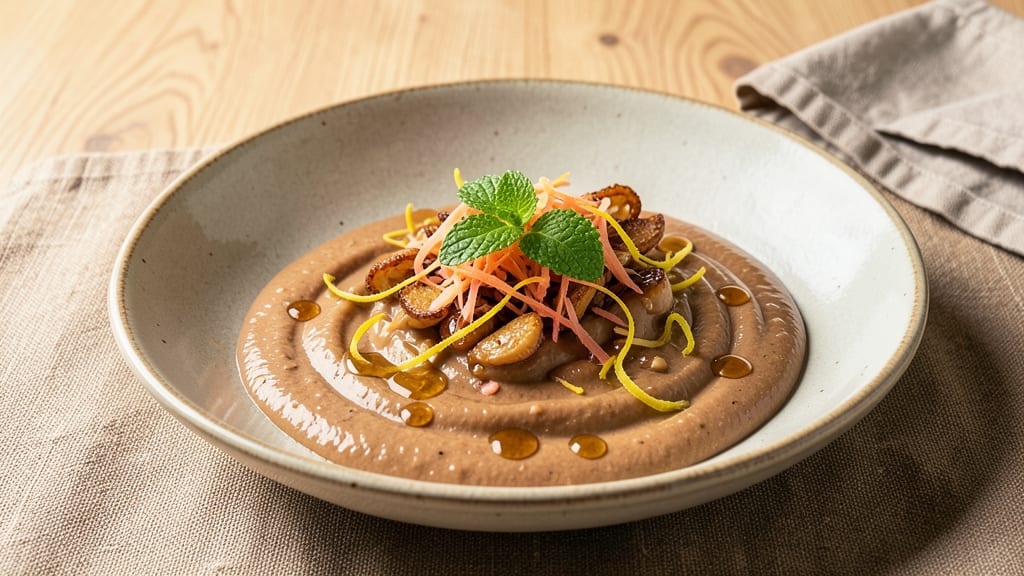
This ginger lime peanut sauce recipe transforms simple pantry staples into a vibrant, restaurant-quality condiment that balances sweet, spicy, and nutty flavors.
The secret lies in blending fresh ginger and lime juice with creamy peanut butter, creating a sauce that's both bold and versatile—perfect for elevating grilled meats, noodles, or spring rolls. I developed this recipe after craving that perfect harmony of zesty and rich, and it never fails to impress.
The sauce comes together in just 10 minutes with minimal effort, yet delivers complex flavors that build with each use. Freshly grated ginger adds warmth, lime juice brightens the palette, and a touch of honey balances the peanut butter’s richness.
The result is a silky, clingy sauce that coats every bite, making ordinary dishes taste extraordinary. It’s the kind of condiment that turns simple meals into memorable experiences.
What makes this sauce truly special is its adaptability—use it as a dipping sauce for spring rolls, a marinade for grilled chicken, or a drizzle over rice noodles. The flavors deepen when refrigerated, making it ideal for meal prep.
Store it in an airtight container for up to a week, or freeze for longer shelf life. Once you try it, you’ll reach for this sauce anytime you want a burst of flavor.
Pair it with anything from stir-fries to grilled shrimp, or even drizzle it over fresh fruit for a sweet-and-savory twist. The possibilities are endless, and the process is foolproof. Let’s get started on this crowd-pleasing sauce that’s sure to become a staple in your kitchen.
Ingredients for ginger lime peanut sauce
Nine simple ingredients blend into a sauce that's bold, zesty, and addictive.
| Ingredient | Amount | Notes |
|---|---|---|
| Creamy Peanut Butter 🥜 | ½ cup | Natural, unsweetened preferred |
| Fresh Ginger 🌿 | 2 tbsp | Finely grated, aromatic |
| Fresh Lime Juice 🍋 | ¼ cup | Strained, no pulp |
| Honey 🍯 | 2 tbsp | Wildflower or clover |
| Soy Sauce 🥢 | 1 tbsp | Light or dark variety |
| Sesame Oil 🫒 | 1 tbsp | Toasted, for aroma |
| Garlic Cloves 🧄 | 2 cloves | Minced, fresh preferred |
| Water 💧 | ¼ cup | Room temperature |
| Red Chili Flakes 🌶️ | ½ tsp | Adjust for heat |
| Sea Salt 🧂 | ½ tsp | Fine grain preferred |
The peanut butter is the heart of this sauce—natural, unsweetened is key for balance. Trader Joe's or Whole Foods carry great options, but any store-brand works if it's just peanuts and a touch of salt. Fresh ginger is non-negotiable here; the pre-grated stuff in jars lacks punch. Grab a small knob at the market or use the microplane to get that aromatic, zesty ginger. Lime juice should be freshly squeezed—bottled just won't cut it. For the honey, local wildflower adds depth, but any good quality honey works. The soy sauce? Kikkoman light is my go-to, but dark soy adds color if you're serving over white rice.
No peanut butter? Almond butter or tahini works in a pinch, but the flavor shifts slightly. Short on ginger? Powdered ginger at half the amount gets you close, though it lacks freshness. Bottled lime juice is better than nothing, but the sauce will taste flat. For the honey, maple syrup or agave keeps it vegan. The sesame oil is optional but adds that nutty aroma—skip it if you're sensitive to strong flavors. The garlic can be minced with a knife or pulsed quickly in a food processor. Red chili flakes can be swapped for Sriracha at half the amount if you prefer smooth heat.
This sauce thickens as it sits, so thin with a splash of water if needed. Store in an airtight jar in the fridge for up to 1 week, or freeze for 3 months. It actually tastes better the next day as the flavors meld. I double the batch and keep one in the fridge, one in the freezer—always ready for last-minute stir-fries or noodle bowls. The sauce clings beautifully, so a little goes a long way. Perfect for drizzling, dipping, or tossing.
Why You'll Love This Recipe
- Five-Ingredient Magic: This sauce comes together with just a whisk and a bowl—no fancy techniques, no last-minute grocery runs. Honestly, I’ve made it while still in my pajamas, and it never lets me down.
- Zingy Balance: That fresh ginger and lime juice cut through the richness of the peanut butter like a bright summer breeze. The honey rounds it out, so it’s never cloying—just dangerously addictive.
- Dip, Drizzle, Devour: Slather it on grilled chicken, toss it with noodles, or serve it as a dip for veggies. Between us, it’s my go-to for lazy Sundays and last-minute dinner guests—no stress, all flavor.
- Leftovers That Last: A batch keeps for days in the fridge, and it only gets better as the flavors meld. I’ll be real: I’ve reheated a week-old jar and still reached for seconds. Budget-friendly and foolproof.
Step-by-step instructions for ginger lime peanut sauce
Here's how to blend this vibrant sauce with perfect balance every time.
Toast the Garlic in Sesame Oil
Heat a small saucepan over medium-low heat and add the 1 tablespoon sesame oil. Once the oil shimmers but doesn't smoke, add the 2 minced garlic cloves and cook for 30-45 seconds until fragrant and just beginning to turn golden. You'll smell that nutty garlic aroma—this is your cue it's ready.
Real talk: don't let it brown or it'll turn bitter. Remove the pan from heat immediately after the garlic turns golden and set it aside. The residual heat will keep it warm while you prepare the rest of the sauce.
Combine Wet Ingredients
In a medium bowl, whisk together the ½ cup creamy peanut butter, 2 tablespoons honey, 1 tablespoon soy sauce, ½ teaspoon sea salt, and ½ teaspoon red chili flakes until completely smooth. The mixture should be thick and uniform—this ensures no peanut butter clumps in your final sauce.
Here's the thing—if you're using natural peanut butter with oil separation, give it a quick stir first. The oils will help emulsify everything beautifully. Add the ¼ cup room-temperature water next, whisking constantly until the mixture becomes pourable but still maintains some body.
Add Lime Juice and Ginger
Strain the ¼ cup fresh lime juice to remove any pulp, then gradually whisk it into the peanut mixture. Add the 2 tablespoons finely grated fresh ginger and whisk vigorously for 1 minute until everything is fully incorporated and the sauce is smooth.
This is where the magic happens—the lime brightens the peanut butter's richness while the ginger adds that signature zing. Taste as you go: if it needs more tang, add a splash more lime; if it needs sweetness, stir in a touch of honey.
Merge with Garlic Oil
Return the saucepan with toasted garlic oil to low heat and slowly pour in the peanut mixture while whisking continuously. Heat gently for 2-3 minutes, stirring constantly, until the entire sauce reaches a smooth, velvety consistency.
Watch for any separation—if it starts to split, whisk vigorously to re-emulsify. The sauce should coat the back of a spoon without being too thick. If it's still too thick after heating, add 1 teaspoon water at a time until you reach your desired consistency.
Adjust and Serve
Remove from heat and let the sauce cool slightly—it will thicken as it cools. Taste and adjust seasoning: add more soy sauce for saltiness, honey for sweetness, or lime juice for acidity. The perfect balance should have bright citrus, warm ginger, nutty peanut, and just a hint of heat.
This sauce keeps well in the fridge for up to 5 days in an airtight container. Before using, whisk in a splash of water if it thickens. It's perfect for drizzling over noodles, grilled meats, or fresh spring rolls—just let your imagination run wild!
Pro Tips For Making Ginger Lime Peanut Sauce
- TOAST THE PEANUT BUTTER: Start by gently heating your creamy peanut butter in a small saucepan over low heat—just until it’s warm enough to stir smoothly. I learned this the hard way: cold peanut butter clumps like glue, and you’ll end up with grainy sauce no matter how much you whisk.
- GRATE THE GINGER FINE: Skip the mincer and use a microplane or fine grater for fresh ginger—you want it almost paste-like, not chopped. Too much texture means your sauce will taste uneven, and you’ll miss that smooth, bright kick that makes this recipe sing.
- TEMPER THE LIME JUICE: Add lime juice last and taste as you go—acid builds fast, and you can’t take it out. I was skeptical until I tried it: a splash at a time lets you dial in the perfect tang without overpowering the peanutty sweetness.
- SWAP HONEY FOR MAPLE: If you’re out of honey, use pure maple syrup—same viscosity, deeper flavor, and it won’t crystallize when chilled. (Yes, even if you’re impatient like me, this upgrade makes a real difference.)
Regional styles of this ginger lime peanut sauce
Thai-Inspired Balance
This sauce finds its roots in Thai street food traditions, where peanut sauces often accompany grilled meats and fresh herbs. The Thai version typically includes fish sauce and chilies, but I've adapted it with lime and honey for a brighter, more approachable flavor.
In Thailand, you'd find this drizzled over pad thai or served with satay skewers. The key difference? Thai peanut sauce often uses tamarind paste for tang, while my version relies on lime juice for that zesty punch. 🌶️
Vietnamese Spring Roll Twist
Vietnamese spring rolls (gỏi cuốn) often feature a peanut dipping sauce that mirrors this recipe's essence. The Vietnamese version might include hoisin sauce and sriracha, but my lime-peanut sauce offers a lighter, more refreshing alternative. Perfect for dipping fresh spring rolls filled with shrimp, vermicelli, and herbs.
The Vietnamese adaptation often adds rice vinegar for extra tang, but I've kept it simple with lime. This sauce became a staple in my kitchen after I adapted it from a Vietnamese restaurant's menu in San Francisco.
American BBQ Fusion
Southern BBQ joints often serve peanut sauces as a glaze for ribs or pulled pork. My version works beautifully as a finishing sauce for grilled chicken or pulled pork sandwiches. The American BBQ twist often includes molasses or brown sugar for depth, but I've kept it lighter with honey.
The lime juice adds a bright contrast to the smoky flavors of BBQ. I've used this sauce as a marinade for grilled peaches too—trust me, it's amazing with fresh fruit. 🍗
Japanese Ramen Upgrade
Japanese ramen shops sometimes offer peanut-based sauces as a special request topping. My ginger lime version elevates shoyu or miso ramen by adding a nutty, zesty contrast to the umami broth. The Japanese adaptation might include mirin or sake, but I've kept it simple with lime and honey.
Drizzle this sauce over hot ramen just before serving—it'll coat every noodle beautifully. I first tried this combination at a ramen shop in Tokyo and knew I had to recreate it at home.
Indian-Style Curry Base
In Indian cuisine, peanut chutneys often accompany curries and dosas. My lime-peanut sauce works as a tangy condiment for chicken tikka masala or vegetable curries. The Indian version might include mustard seeds and curry leaves, but my adaptation keeps it clean with just lime and ginger.
The sauce's brightness cuts through the richness of Indian dishes beautifully. I've used this as a topping for naan bread too—it's a game-changer. 🌶️
Korean Kimchi Pairing
Korean kimchi's spicy, fermented flavors pair perfectly with this sweet and tangy peanut sauce. The contrast between the funky kimchi and creamy peanut sauce is what makes this combo so addictive. I've served this sauce with kimchi fried rice or as a dipping sauce for mandu (Korean dumplings).
The Korean adaptation might include gochujang (Korean chili paste), but my lime-peanut version offers a lighter alternative that still delivers big flavor. This pairing became a favorite after a Korean BBQ night in my kitchen.
Nutrition facts
Frequently asked questions
Can I make this sauce without peanut butter?
Swap the peanut butter for ½ cup almond butter or ¼ cup tahini for a nut-free version. The texture will be slightly thinner, so reduce the water to 2 tablespoons to maintain consistency. For a seed-based option, sunflower seed butter works too—just add 1 teaspoon lemon juice to balance the flavor.
How spicy should this sauce be?
The ½ teaspoon red chili flakes provide a mild heat, but you can adjust to taste. For a kick, add 1 teaspoon sriracha or ½ teaspoon cayenne pepper. If you prefer no heat, simply omit the chili flakes entirely—the sauce will still be flavorful with just the ginger and lime.
Why did my sauce separate?
Sauces separate when oil and water ingredients aren’t properly emulsified. To fix it, whisk in 1 teaspoon water at a time while heating gently on low heat for 1-2 minutes. For prevention, stir the peanut butter well before measuring and avoid overheating. A splash of sesame oil can also help stabilize the mixture.
What’s the best way to store leftovers?
Transfer the sauce to an airtight container and refrigerate for up to 5 days. Before using, whisk in 1 teaspoon water if it thickens. For longer storage, freeze in ice cube trays—thaw overnight in the fridge and whisk to restore smoothness. The flavor actually improves after 24 hours as the ingredients meld!
Can I use this sauce as a marinade?
Yes! Thin the sauce with 2 tablespoons lime juice and 1 tablespoon soy sauce for a light marinade. Coat chicken, shrimp, or tofu and marinate for 15-30 minutes before grilling or stir-frying. For extra tenderness, add 1 tablespoon honey to the marinade. Just reserve some sauce for serving—it’s too good to use it all up!