
Sauces & Condiments
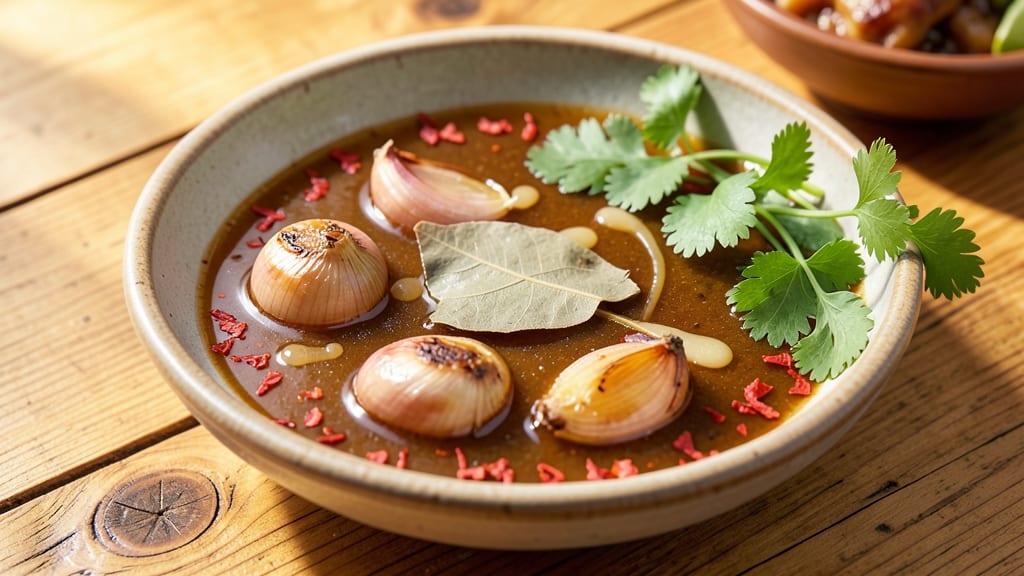
This Baja fish sauce recipe transforms simple ingredients into a bold, umami-rich condiment that elevates tacos, ceviche, and cocktails. The secret lies in balancing fermented fish, citrus, and aromatic spices to create a sauce that’s tangy, salty, and deeply flavorful—just like the ones used in Baja’s iconic seafood dishes.
With just a few pantry staples and a little patience, you’ll have a versatile sauce that adds depth to any dish.
The process is straightforward: simmer anchovies, garlic, and spices in vinegar until dissolved, then strain for a smooth, concentrated base. Lime juice brightens the flavors, while a touch of honey balances the acidity.
Unlike store-bought versions, this homemade sauce delivers authentic Baja character—rich, complex, and full of character. It’s the kind of condiment that turns simple meals into something extraordinary.
Once cooled, this sauce keeps in the fridge for weeks, ready to drizzle over grilled fish, mix into marinades, or stir into cocktails like a ceviche margarita. The umami punch makes it a game-changer for tacos, too—just a splash adds instant depth.
Whether you’re cooking for a crowd or prepping for meal prep, this sauce is a must-have for bold flavors.
For best results, let the sauce sit for at least 24 hours before using—this allows the flavors to meld and intensify. Store it in an airtight container, and you’ll have a pantry staple that’s always ready to transform your dishes. Let’s get started!
Ingredients for baja fish sauce
Nine simple, bold ingredients create a sauce that transforms tacos and seafood dishes instantly.
| Ingredient | Amount | Notes |
|---|---|---|
| Anchovy Fillets 🐟 | 4 oz | High-quality, packed in oil |
| White Vinegar 🍶 | 1 cup | White or apple cider vinegar |
| Garlic Cloves 🧄 | 4 cloves | Fresh, peeled and smashed |
| Lime Juice 🍋 | ¼ cup | Freshly squeezed, strained |
| Honey 🍯 | 1 tbsp | Light or wildflower preferred |
| Bay Leaves 🌿 | 2 whole | Dried, for depth of flavor |
| Cayenne Pepper 🌶️ | ¼ tsp | Adjust for heat preference |
| Ground Black Pepper 🌶️ | ¼ tsp | Freshly ground for best flavor |
| Sea Salt 🧂 | ½ tsp | Diamond Crystal preferred |
| Fresh Cilantro 🌿 | ¼ cup | Chopped, for garnish and freshness |
Anchovies are the heart of this sauce—look for high-quality fillets packed in oil at specialty markets or well-stocked grocery stores like Whole Foods or Trader Joe's. The oil preserves their delicate flavor, so don’t rinse them. Costco often carries large cans of anchovies in oil, perfect for batch cooking. Fresh garlic and bay leaves add depth, so don’t skimp. If you can’t find fresh bay leaves, dried works fine—just use half the amount. The vinegar should be white or apple cider; avoid balsamic—it’ll overpower the sauce’s bright, tangy profile.
No anchovies? High-quality fish sauce works in a pinch, but you’ll lose some of the authentic Baja character. Substitute 2 tbsp fish sauce for the anchovies, but reduce the vinegar by 1 tbsp to balance the saltiness. Fresh lime juice is non-negotiable—bottled lime juice lacks brightness. For a touch of sweetness, agave nectar can replace honey if you’re avoiding it. The cilantro is optional but adds a fresh finish; skip it if you’re sensitive to its flavor. If you’re making this for a crowd, double the batch—it keeps beautifully in the fridge for weeks.
This sauce needs time to develop its bold flavors—let it sit for at least 24 hours before using. Store it in an airtight glass jar in the fridge, where it’ll keep for up to 3 months. The flavors deepen over time, so it’s worth making a big batch. When ready to use, give it a good shake before pouring—it’ll settle over time. A splash over grilled fish, in tacos, or mixed into cocktails adds instant umami zing. Freeze extras in ice cube trays for easy single-use portions.
Why You'll Love This Recipe
- Pantry Magic: I swear by this sauce because it’s made from things I already have—no special shopping trips. The anchovies dissolve into that vinegar like a dream, and the honey just ties it all together without extra effort.
- Umami Bomb: That first taste? Chef’s kiss. The anchovies and garlic give it this deep, savory punch, while the lime keeps it bright and addictive. It’s the kind of flavor that makes you go back for seconds.
- Weeknight Hero: Drizzle it on grilled fish, toss it in noodles, or mix it into mayo for tacos—it works everywhere. Honestly, I’ve even used it in marinades when I’m in a rush. Versatile doesn’t even cover it.
- Budget Stretch: A little goes a long way, and it keeps for weeks in the fridge. I make a big batch and use it in everything, cutting my grocery bill while keeping meals exciting. (Yes, even on a Tuesday night.)
Step-by-step instructions for Baja fish sauce
This vibrant sauce comes together in minutes but delivers restaurant-quality depth—perfect for tacos, ceviche, or dipping.
Bloom the Anchovies and Garlic
In a small saucepan, combine the 4 oz anchovy fillets (drained if packed in oil) with the 4 cloves garlic cloves and 1 cup white vinegar. Heat over medium-low heat for 3-4 minutes, stirring gently until the anchovies dissolve completely and the garlic softens but doesn't brown. You'll see the mixture transform from opaque to a glossy, golden liquid—this is where all that umami magic begins.
Here's the thing—don't rush this step. If the mixture starts to bubble vigorously, reduce the heat immediately. You want the anchovies to melt smoothly into the vinegar, not cook down into a paste. The sauce should smell intensely fishy and garlicky by the end of this process.
Add Lime, Honey, and Spices
Remove the saucepan from heat and let it cool for 1 minute. Then stir in the 0.25 cup lime juice, 1 tbsp honey, 2 whole bay leaves, 0.25 tsp cayenne pepper, 0.25 tsp ground black pepper, and 0.5 tsp sea salt. The lime juice will brighten the sauce, while the honey balances the acidity and adds subtle sweetness. The spices will infuse warmth and depth as the mixture cools.
I like to taste at this stage—you should detect a bold umami punch from the anchovies, tangy brightness from the vinegar and lime, and a hint of heat from the cayenne. If it needs more salt, add it now, but don't overdo it. The flavors will continue developing as the sauce sits.
Simmer and Reduce
Return the saucepan to medium heat and bring the mixture to a gentle simmer. Let it reduce for 8-10 minutes, stirring occasionally, until it thickens slightly and coats the back of a spoon. You're looking for a syrupy consistency—not too thick, but definitely more concentrated than when you started.
Watch carefully during this time—the sauce should never boil vigorously. If it starts to bubble too much, reduce the heat immediately. The goal is to evaporate some of the liquid while preserving all those delicate flavors. When you reach the right consistency, remove from heat and let it cool completely.
Strain and Finish
Once cooled, strain the sauce through a fine-mesh sieve into a clean jar, pressing gently on the solids to extract all the flavor. Discard the bay leaves and any remaining garlic pieces. The strained sauce should be smooth with a deep amber color—this indicates proper reduction and flavor concentration.
Let the sauce sit at room temperature for 1 hour before using. This resting period allows all the flavors to meld together perfectly. The sauce will keep in the refrigerator for up to 2 weeks, developing even more complexity with time.
Garnish and Serve
Just before serving, stir in the 0.25 cup chopped fresh cilantro. This adds a bright, herbal note that cuts through the richness of the anchovies and balances the acidity. The cilantro should be finely chopped—you want it to distribute evenly throughout the sauce without any visible chunks.
This sauce works beautifully drizzled over fish tacos, mixed into ceviche, or used as a dipping sauce for grilled shrimp. The perfect balance of sweet, spicy, tangy, and umami makes it irresistibly addictive. Store any leftovers in an airtight container in the refrigerator for up to 2 weeks.
Pro Tips For Making Baja Fish Sauce
- Crush Garlic Properly: Don’t just chop those garlic cloves—smash them flat with the side of your knife first. I learned this the hard way when my sauce tasted dull because the garlic wasn’t breaking down enough. A few sharp whacks with the heel of your knife releases more flavor and blends smoother into the vinegar.
- Simmer Slow and Steady: This isn’t a race. After adding the anchovies and vinegar, keep the heat at a gentle simmer—no boiling. I used to rush it, and the sauce ended up sharp and one-dimensional. Let it bubble softly for at least 10 minutes to meld the flavors without turning bitter.
- Use Fresh Lime Juice: Bottled lime juice won’t cut it here. The acidity in fresh juice brightens the sauce and balances the anchovies’ saltiness better. I was skeptical until I tried it—I now keep a lime on hand just for this recipe. If you’re using bottled, add a pinch of citric acid to mimic freshness.
- Strain Twice for Smoothness: After simmering, strain the mixture through a fine-mesh sieve first, then a cheesecloth. The second strain removes those stubborn tiny bits that make the sauce look cloudy. I skip this step sometimes, and the texture always feels off—like drinking a smoothie with pulp. Worth the extra 30 seconds.
Pro cooking tips for perfect results
Simmer Control
Keep the heat at medium-low during the reduction phase—this prevents the sauce from boiling vigorously, which would cook off the delicate flavors. I use a small saucepan with a lid slightly ajar to allow gentle evaporation.
If you see bubbles forming too quickly, immediately reduce to low heat and stir constantly. The goal is a slow, controlled reduction that concentrates the umami without turning the sauce bitter. 🌡️
Anchovy Quality
Never use canned anchovies packed in water—they lose flavor and texture. Instead, opt for anchovies packed in oil (like Costco's 14oz cans or Whole Foods' high-quality fillets). Drain them thoroughly but leave a thin film of oil on the fillets to preserve their rich taste.
If you're short on time, high-quality fish sauce (like Red Boat) can substitute, though it won’t replicate the same depth of flavor.
Straining Secrets
Use a fine-mesh sieve or cheesecloth for the best results—this ensures a silky-smooth sauce without any gritty texture. Press gently on the solids with a spoon to extract every last drop of flavor, but avoid mashing the garlic or bay leaves into a paste.
For extra clarity, you can even strain the sauce through a coffee filter lined in the sieve, though this takes a bit more time. 🧂
Flavor Development
Let the sauce rest for at least 24 hours before using—this is when the magic happens. The anchovies release their full umami potential, and the acidity mellows slightly. I like to taste it after 48 hours for maximum depth.
If the sauce seems too sharp after resting, add a touch more honey or a pinch of salt to balance it. The longer it sits, the more complex it becomes.
Heat Adjustments
If you prefer less heat, reduce the cayenne pepper to ¼ tsp or swap it for smoked paprika (½ tsp). For extra kick, add ½ tsp chili powder or a dash of hot sauce (like Cholula) after straining.
Always taste as you go—Baja cuisine balances heat with acidity and sweetness, so adjust gradually. The sauce should excite your palate, not overwhelm it.
Storage Hacks
Store the sauce in an airtight glass jar in the fridge, where it’ll keep for up to 3 months. For long-term storage, freeze it in ice cube trays—each cube makes a perfect single-use portion for tacos or marinades.
When reheating, warm gently on the stovetop (never microwave) to preserve its vibrant flavors. The sauce thickens slightly when chilled, so give it a quick stir before using. ❄️
Nutrition facts
Frequently asked questions
Can I make this sauce without anchovies?
Yes, but the flavor will differ. Replace the 4 oz anchovies with 2 tbsp high-quality fish sauce (like Red Boat) and reduce the vinegar by 1 tbsp to balance the saltiness. For a vegetarian version, use 2 tbsp soy sauce or mushroom powder for umami depth, though the taste won't be identical. The sauce will still be tangy and bright, but the umami complexity will be milder.
How spicy should the sauce be?
The recipe includes ¼ tsp cayenne pepper for a subtle kick, but adjust to taste. For mild heat, reduce to ⅛ tsp or swap for ½ tsp smoked paprika. If you love spice, add ½ tsp chili powder or a dash of hot sauce (like Cholula) after straining. Baja cuisine balances heat with acidity and sweetness, so always taste as you go. The sauce should enhance dishes, not overpower them.
Can I use this sauce in cocktails?
This sauce is perfect for cocktails like ceviche margaritas or spicy fish tacos cocktails. Start with ½ tsp per drink and adjust to taste. It pairs well with tequila, lime, and a touch of agave. For a smoky twist, add a dash of mezcal or smoked sea salt to the rim of your glass. Always stir gently to avoid over-diluting the sauce’s bold flavors.
Why does the sauce need to rest before using?
Resting for 24 hours allows the anchovies to fully dissolve and the flavors to meld. This process deepens the umami, balances the acidity, and lets the spices infuse properly. Skipping this step may leave the sauce sharp or uneven in texture. For best results, taste it after 48 hours—the flavors will be richer and more complex. Think of it like aging wine: patience pays off!
How do I fix a sauce that’s too salty?
If the sauce tastes too salty, dilute it with 1 tbsp water or lime juice (to balance the salt). For a sweeter fix, stir in ½ tsp honey or agave. If the sauce is already strained, you can also thin it with a splash of vinegar or broth. Always taste as you adjust—Baja fish sauce should be bold but well-balanced.