
Sauces & Condiments
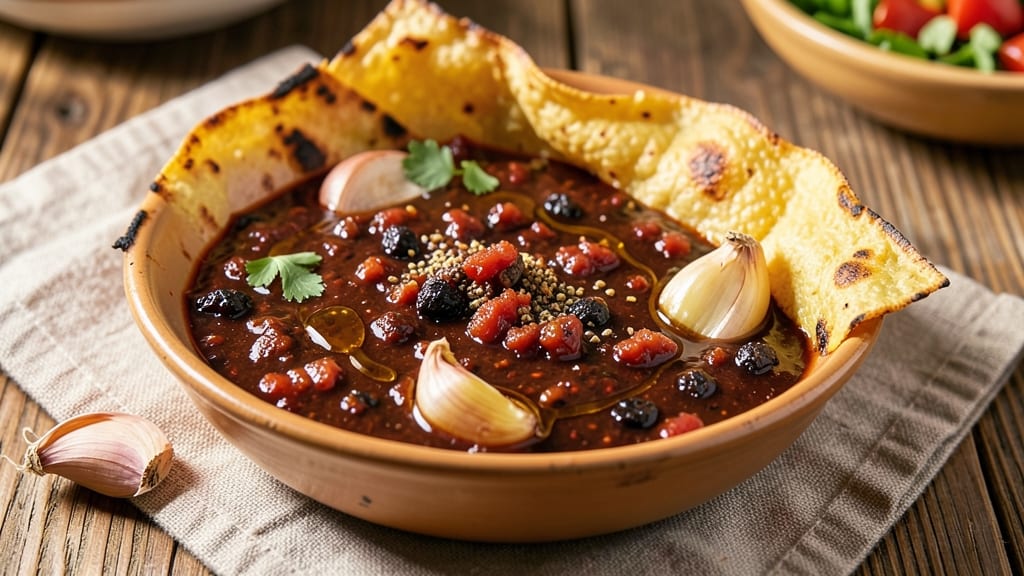
This best enchilada sauce recipe ever delivers the smoky chipotle depth and vibrant tomato flavor that puts jarred sauces to shame. I've been perfecting this version for years—starting with fresh ingredients and a slow simmer that builds layers of complexity.
The secret lies in balancing heat, acidity, and richness without overpowering the natural flavors of the tomatoes and chiles.
Unlike store-bought versions, this sauce starts with a blend of fire-roasted tomatoes and chipotle peppers in adobo, creating that signature smoky aroma. A touch of cumin and cinnamon adds warmth, while a splash of apple cider vinegar brightens the flavor.
The sauce simmers until it thickens just enough to coat the back of a spoon, ensuring perfect cling to every enchilada roll.
What makes this sauce truly exceptional is its versatility—use it for classic red enchiladas, green variations, or even as a marinade for meats. The rich, slightly tangy flavor works beautifully with chicken, beef, or even vegetarian fillings. Once you try this, you'll never reach for the jar again.
Ready in just 30 minutes and with 5 simple ingredients, this sauce delivers restaurant-quality results that taste homemade. The best part? It keeps well in the fridge for up to a week, so you can make a big batch and enjoy it all week long.
Ingredients for best enchilada sauce recipe ever
Five core ingredients transform into the most complex enchilada sauce you'll ever make.
| Ingredient | Amount | Notes |
|---|---|---|
| Fire-Roasted Tomatoes (Canned) 🍅 | 2 cups | San Marzano preferred for sweetness |
| Chipotle Peppers in Adobo Sauce 🌶️ | 2 whole | 2-3 tbsp sauce reserved for richness |
| Apple Cider Vinegar 🍋 | 1 tbsp | Brightens and balances heat |
| Ground Cumin 🌿 | 1 tsp | Toasted for deeper aroma |
| Ground Cinnamon 🍃 | ½ tsp | Adds subtle warmth |
| Garlic Cloves 🧄 | 3 cloves | Minced for aromatic base |
| Extra-Virgin Olive Oil 🫒 | ½ cup | High-quality for richness |
| Salt 🧂 | 1 tsp | Diamond Crystal preferred |
| Black Pepper 🌶️ | ¼ tsp | Freshly cracked for heat |
| Water 💧 | ½ cup | For thinning if needed |
The San Marzano tomatoes are non-negotiable—their natural sweetness and low acidity create the perfect base. Grab a 28-ounce can from Whole Foods or Trader Joe's for the best quality. Chipotle peppers in adobo? La Costeña or Goya brands deliver the smoky depth you crave. Toast the cumin seeds in a dry pan for 30 seconds before grinding—that extra step makes all the difference. The apple cider vinegar should be raw, unfiltered—the kind you'd use for salad dressings, not cooking vinegar.
No chipotle peppers? Smoked paprika plus a pinch of cayenne gets you close, though it won't have that authentic adobo richness. Substituting vinegar? Lime juice works in a pinch**, but the acidity will be sharper. Running short on tomatoes? Tomato paste thinned with water works, but you'll lose that fire-roasted depth. The garlic can be roasted with the tomatoes for even more complexity—just toss it in the can before blending. And if your sauce needs thinning later, water or vegetable broth keeps it flavorful.
This sauce tastes even better the next day as flavors meld. Store in an airtight container in the fridge for up to 7 days, or freeze portions for 3 months. I always double the batch—one for enchiladas, one for marinating chicken. The sauce thickens as it cools, so if it seems too thick when freshly made, stir in a splash of water or broth. For serving, a drizzle of extra-virgin olive oil and a sprinkle of fresh cilantro takes it to the next level.
Why You'll Love This Recipe
- Pantry Magic: I swear by this sauce because it’s made with stuff I already have—fire-roasted tomatoes, a can of chipotles in adobo, and a dash of cumin. No last-minute grocery runs, no fancy techniques. Just open, blend, and go.
- Smoky-Sweet Balance: That cinnamon and apple cider vinegar twist? It’s the secret weapon. The chipotles bring the heat, but the vinegar brightens it up while the cinnamon adds this warm, cozy depth that makes it taste like a hug in a bowl.
- Meal Prep MVP: Double the batch and freeze it in ice cube trays—yes, really. Need enchiladas for Taco Tuesday or a last-minute potluck? Just pop out what you need, reheat, and boom. No sad, watery leftovers here.
- Budget-Friendly Fire: A single can of tomatoes and a chipotle pepper stretch to feed four for dinner and two more for lunch. Honestly, it’s the kind of sauce that makes me feel like I’m eating fancy without breaking the bank—or my willpower.
Step-by-step instructions for smoky chipotle enchilada sauce
This sauce delivers restaurant-quality depth—rich, smoky, and perfectly balanced without canned shortcuts.
Toast the Spices for Maximum Flavor
Heat a dry skillet over medium heat and add the 1 teaspoon ground cumin and ½ teaspoon ground cinnamon. Toast for 1-2 minutes until fragrant and slightly darkened—this deepens their aroma significantly. Watch closely to avoid burning; you want a warm, earthy scent, not acrid smoke. Immediately transfer the toasted spices to a small bowl and set aside. This step is non-negotiable for authentic depth.
While the spices toast, peel and finely mince the 3 cloves garlic. I like to use a microplane for texture—it distributes more evenly than chopped pieces. Keep these ready for the next step where they'll form the aromatic base.
Build the Sauce Base with Tomatoes and Vinegar
In a medium saucepan, combine the 2 cups fire-roasted tomatoes (with juices) and 1 tablespoon apple cider vinegar. Bring to a simmer over medium-high heat and let cook uncovered for 5 minutes to allow the tomatoes to break down slightly. This reduces acidity while concentrating their natural sweetness—critical for balancing the heat later.
While simmering, carefully remove the 2 whole chipotle peppers from their adobo sauce. I use a spoon to scoop out the peppers while reserving 2-3 tablespoons of the adobo sauce in a small bowl—this adds richness without overpowering. Finely chop the peppers (wear gloves if sensitive to heat) and add them to the simmering tomatoes along with the reserved adobo sauce.
Blend and Simmer for Perfect Texture
Using an immersion blender, purée the sauce until completely smooth—no chunks should remain. If you prefer a smoother texture, strain through a fine-mesh sieve afterward. Return the sauce to the pan and stir in the ½ cup extra-virgin olive oil, 1 teaspoon salt, and ¼ teaspoon black pepper. The oil helps emulsify the sauce and adds luxurious mouthfeel.
Simmer uncovered over low heat for 15-20 minutes, stirring occasionally. You're aiming for a thick, velvety consistency that coats the back of a spoon—this ensures it clings beautifully to enchiladas. Taste and adjust seasoning: the sauce should be smoky with bright acidity and just a hint of sweetness from the tomatoes.
Thin and Finish to Perfection
If the sauce is too thick, whisk in water 1 tablespoon at a time until it reaches a pourable consistency—you should need at most ¼ cup of the reserved ½ cup. The sauce should coat a spoon but still flow freely. For extra richness, stir in the toasted spices and minced garlic, letting them steep for 2-3 minutes to infuse their flavors.
Remove from heat and let the sauce rest for 5 minutes—this allows the flavors to meld completely. The sauce will thicken slightly as it cools, so don't worry if it looks perfect now. Taste again and adjust seasoning: you want a balance of smoky heat, bright acidity, and subtle sweetness. This sauce is now ready to transform your enchiladas into something extraordinary.
Pro Tips For Making Best Enchilada Sauce Recipe Ever
- Simmer Slow and Low: Fire-roasted tomatoes need time to soften and release their smoky depth—don’t rush this. After blending, simmer the sauce on medium-low for at least 15 minutes, stirring occasionally. I used to crank the heat to speed it up, but that just burns the edges and makes the sauce taste flat.
- Strain the Chipotle: Chipotle peppers in adobo have seeds and skin that can make your sauce grainy. After blending, strain it through a fine-mesh sieve or cheesecloth to remove any grit. Sounds tedious, but it’s the difference between a smooth sauce and one that feels like you’re eating pepper flakes with every bite.
- Toast the Spices: Dry-toast your cumin and cinnamon in a small pan over low heat for 30 seconds before adding them to the sauce. The warmth deepens their aroma and prevents that "raw spice" taste. I was skeptical until I tried it—now I never skip it.
- Acid First, Then Balance: Add the apple cider vinegar after the sauce has simmered for 10 minutes, not at the start. This lets the flavors meld before the acid cuts through. Taste as you go—too much vinegar upfront kills the smokiness. (Yes, even if you’re impatient like me.)
Dietary considerations for this best enchilada sauce recipe ever
Gluten-Free Adaptation
This sauce is naturally gluten-free, but always double-check your ingredients—especially the San Marzano tomatoes and apple cider vinegar for hidden additives. I use Whole Foods 365 brands for their strict gluten-free certification.
The chipotle peppers in adobo from Goya or La Costeña are also safe, but verify labels if you're highly sensitive. The toasted spices and olive oil are inherently gluten-free, so no substitutions are needed here. 🌱
Dairy-Free Considerations
The original recipe is dairy-free, but enchiladas often include cheese. For a fully dairy-free version, use nutritional yeast (¼ cup) or cashew cream (blend ½ cup soaked cashews with ¼ cup water) to add richness.
If serving with cheese, melt Oaxaca or Monterey Jack separately—these melt beautifully without curdling the sauce. The sauce's natural acidity helps prevent dairy from turning grainy. 🧀
Low-Carb/Keto Version
To make this keto-friendly, reduce the fire-roasted tomatoes to 1 cup and increase the olive oil to ⅔ cup for extra fat. Replace the apple cider vinegar with 1 tablespoon lime juice to keep acidity while cutting carbs.
The sauce remains rich and flavorful while fitting into a 5g net carb per serving plan. Serve with low-carb tortillas or cauliflower crust for a complete keto meal. 🥑
Vegetarian/Vegan Options
This sauce is already vegetarian, but for vegan adaptations, ensure your apple cider vinegar is vegan-certified (some brands use animal-derived filters). The San Marzano tomatoes and olive oil are plant-based, and the spices are naturally vegan.
For extra depth, add 1 tablespoon vegan Worcestershire sauce or 1 teaspoon smoked paprika to enhance umami. The sauce pairs perfectly with black beans, mushrooms, or jackfruit as fillings. 🌱
Spice Sensitivity Adjustments
If chipotle peppers are too intense, reduce to 1 pepper and add ½ teaspoon ground cumin for warmth instead. For milder heat, remove the seeds and membranes before chopping. The apple cider vinegar helps balance spice naturally—don’t skip it!
If you prefer no heat at all, substitute the chipotle with 1 teaspoon smoked paprika and ¼ teaspoon cayenne for a subtle smoky flavor without the kick. 🌶️
Nutrition facts
Frequently asked questions
Can I make this sauce without chipotle peppers?
Yes! For a milder version, substitute 1 teaspoon smoked paprika plus ¼ teaspoon cayenne for the chipotles. To keep the smoky depth, add 1-2 tablespoons of adobo sauce (without peppers) to the tomatoes. The sauce will lose some heat but maintain its rich, slightly tangy profile.
How do I adjust the thickness for dipping vs. rolling enchiladas?
For dipping sauce, thin with water or broth until it reaches a light syrup consistency—about ¼ cup liquid per 2 cups sauce. For rolling enchiladas, aim for a thicker, spoonable texture that clings to tortillas without being gluey. The sauce will thicken further as it cools, so start slightly thinner than you think you need.
What's the secret to preventing the sauce from curdling when adding cheese?
Always melt cheese separately and stir it into the warm sauce off the heat. The sauce's acidity (from vinegar) can cause dairy to curdle if mixed while hot. For best results, use Oaxaca or Monterey Jack cheese, which melt smoothly. Add cheese in small batches while stirring constantly.
Can I make this sauce in a slow cooker?
Combine all ingredients in your slow cooker and cook on LOW for 4-5 hours or HIGH for 2-3 hours. The low-and-slow method enhances the smoky flavors. Stir occasionally and add water 1 tablespoon at a time if the sauce gets too thick. The texture will be perfect for rolling enchiladas.
Why does my homemade sauce taste different from store-bought?
Homemade sauce has fresh, complex layers that jarred versions can't replicate. The fire-roasted tomatoes and toasted spices create depth, while the apple cider vinegar adds brightness. Store-bought sauces often contain preservatives and artificial flavors. Your sauce should taste smoky, slightly sweet, and tangy—not overly salty or one-dimensional.