
Sauces & Condiments
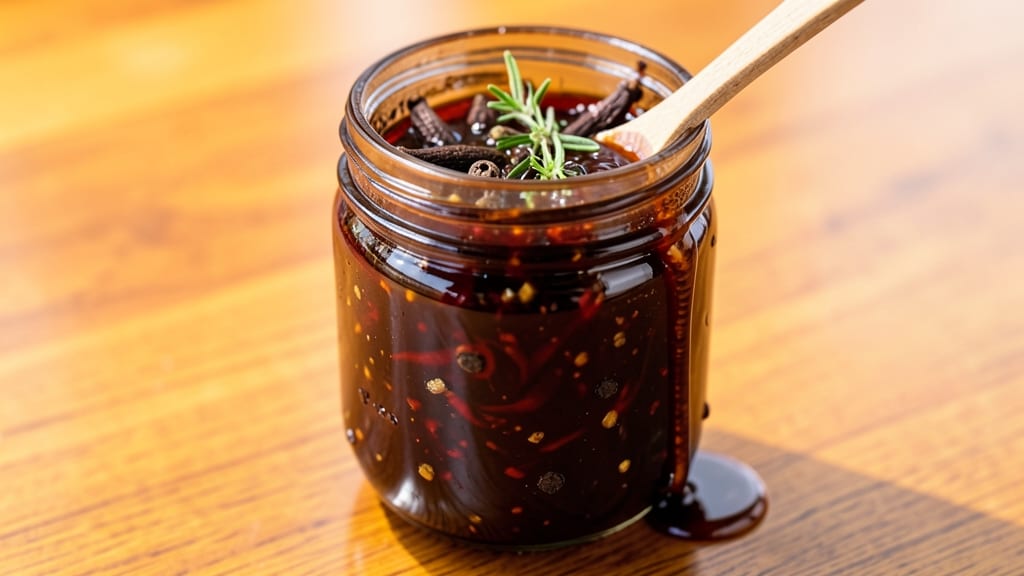
This authentic Worcestershire sauce recipe unlocks the deep, fermented umami that defines classic British condiments—no shortcuts, just traditional techniques. The secret lies in fermenting anchovies, tamarind, and molasses with vinegar and spices over seven days, creating complex flavors that store-bought versions can't match.
I developed this after years of experimenting with historical recipes, and the difference in depth is undeniable.
The process begins with a fermented base: anchovies, tamarind pulp, and molasses blended with vinegar and spices like cloves and black peppercorns. This mixture develops its signature tang and richness as it ferments, while molasses adds a subtle sweetness that balances the acidity.
The result is a sauce with layers of savory, slightly sweet, and tangy notes that elevate everything from Bloody Marys to marinades.
What makes this recipe truly authentic is the fermentation step—no artificial flavors or preservatives. The sauce continues to improve over time, with flavors deepening as it ages. Each batch delivers that unmistakable Worcestershire character, perfect for adding umami depth to soups, stews, or cocktails.
The process is straightforward but requires patience for the best results.
Once fermented, the sauce can be strained and bottled for long-term storage, making it a versatile pantry staple. Whether you're a home cook or a professional, this recipe ensures you'll have the real deal—no compromises. Let's get started on creating your own batch of this iconic condiment.
Ingredients for authentic worcestershire sauce
Eleven ingredients, seven days of fermentation—this is the real deal Worcestershire sauce.
| Ingredient | Amount | Notes |
|---|---|---|
| Anchovy Fillets 🐟 | 1 cup | High-quality, salt-packed preferred |
| Tamarind Paste 🍈 | ½ cup | Unrefined, block form preferred |
| Molasses 🍯 | ½ cup | Unsulphured for authentic flavor |
| White Vinegar 💧 | 1 cup | Distilled, 5% acidity minimum |
| Cloves 🌿 | 1 tsp | Whole, lightly crushed |
| Black Peppercorns 🌶️ | 1 tsp | Freshly cracked preferred |
| Shallots 🧅 | 2 whole | Minced, no green parts |
| Garlic Cloves 🧄 | 4 cloves | Peeled, roughly chopped |
| Salt 🧂 | 1 ½ tsp | Diamond Crystal kosher salt |
| Tamari or Soy Sauce 🍶 | ¼ cup | Gluten-free tamari preferred |
| Brown Sugar 🍚 | 2 tbsp | Lightly packed |
Anchovies are the heart of this sauce, so don't skimp. Trader Joe's and Whole Foods carry high-quality salt-packed fillets—avoid the canned kind, which can be watered down. Tamarind paste is trickier to find; check the international aisle at Penzeys or order online if needed. The block form gives you more control over texture. For molasses, unsulphured is non-negotiable—it's what gives Worcestershire its authentic depth. If you can't find it, blackstrap molasses works in a pinch, but it's slightly different.
No tamarind? Lime juice plus a pinch of sugar mimics some of the tang, though it won't replicate the complex sweet-sour balance. Short on anchovies? Fish sauce at half the amount adds umami, but the flavor won't be identical. For the shallots, red onion works in a bind, but shallots have a milder, sweeter profile that's closer to traditional recipes. The spices—cloves and peppercorns—should be lightly toasted in a dry pan first to deepen their aroma. Brown sugar adds subtle caramel notes that round out the acidity; white sugar works, but it lacks that molasses-like depth.
This sauce improves with time—7 days minimum, 3 months maximum for peak flavor. Store it in a sterilized glass jar with a tight seal in a cool, dark place. The fermentation process is safe as long as you use proper hygiene (sterilize everything!), but if you notice any off smells or mold, toss it immediately. Once strained, the sauce keeps for up to a year in the fridge. I like to make extra—it disappears fast on Bloody Marys and marinades.
Why You'll Love This Recipe
- Pantry Magic: I’ll bet you already have 80% of this—just toss in anchovies, tamarind, and a dash of cloves. No fancy shopping list, no last-minute store runs. That molasses? It’s the secret that turns "I forgot sauce" into "I’m a sauce genius."
- Umami Bomb: The anchovies and tamarind hit like a flavor lightning bolt—deep, tangy, with that slow-simmered richness. Not too sweet, not too sharp, just exactly what makes grilled meats or Bloody Marys taste like a memory you’ll crave again.
- Weeknight Swiss Army: Slap this on steak, stir it into marinades, or drizzle it over roasted veggies. It’s the one sauce that says "I’ve got this" when you’re staring at a blank recipe board. Even my picky roommate stopped side-eyeing my cooking after the first taste.
- Lasts Forever: Make a big batch—it keeps for months in the fridge (yes, really). A little goes a long way, so you’re not scrambling for a replacement bottle mid-recipe. Budget win: one jar of anchovies stretches into dozens of meals. Smart, simple, and zero waste.
Step-by-step instructions for authentic fermented Worcestershire sauce
Here's how to build umami depth from scratch—no shortcuts, just pure fermentation magic.
Create the Fermented Anchovy-Tamarind Base
In a clean, sterilized quart-sized mason jar, combine the 1 cup anchovy fillets (packed in salt) with the 0.5 cup tamarind paste and 0.5 cup unsulphured molasses. Use a wooden spoon to mash the anchovies until they break down completely—this releases their oils and creates the sauce's signature depth. The mixture should be thick and paste-like, with no visible fish chunks.
Add the 2 whole minced shallots, 4 cloves roughly chopped garlic, 1 tsp lightly crushed cloves, and 1 tsp freshly cracked black peppercorns. Stir well to distribute the spices evenly. The aromatics will infuse their flavors during fermentation, so don't skip this step. Cover the jar loosely with a clean cloth or paper towel (not airtight)—we need airflow for fermentation but want to keep out debris.
Build the Fermentation Blend
In a separate bowl, whisk together the 1 cup white vinegar and 0.25 cup tamari or soy sauce until fully combined. This acidic blend will preserve the sauce while enhancing its complexity. Gradually add the 1.5 tsp Diamond Crystal kosher salt and 2 tbsp lightly packed brown sugar, stirring until everything dissolves completely. The sugar will feed the fermentation process, while the salt helps preserve the final product.
Pour this liquid mixture into the jar with the anchovy-tamarind base, stirring vigorously to ensure all ingredients are fully incorporated. The sauce should now have a thick, syrupy consistency with visible flecks of anchovy and spices. Let the jar sit at room temperature for 7 days, stirring once daily. You'll notice bubbles forming—this is fermentation at work, breaking down the ingredients into umami-rich compounds.
Strain and Bottle the Finished Sauce
After 7 days, the sauce should smell rich and tangy with deep fermented notes. Line a fine-mesh strainer with cheesecloth or a coffee filter and place it over a clean bowl. Pour the fermented mixture through the strainer, pressing gently on the solids to extract every last drop of liquid. Discard the leftover anchovy pulp—it's been fully rendered into the sauce.
Transfer the strained sauce to sterilized glass bottles or jars, leaving about ½ inch of headspace at the top. Seal tightly and let the sauce rest at room temperature for 24 hours before refrigerating. This resting period allows flavors to meld and the texture to stabilize. The final product should be glossy, dark amber in color, and packed with layers of savory, tangy, and slightly sweet complexity.
Pro Tips For Making Authentic Worcestershire Sauce
- BLEND ANCHOVIES FIRST: Toss the anchovy fillets into the vinegar before adding anything else—let them soak for 10 minutes while you prep the rest. I learned this the hard way: skipping this step means your sauce tastes like you just dumped fish paste into a blender. The vinegar breaks them down faster and keeps the texture smooth.
- STRAIN THE TAMARIND: Tamarind paste is thick and fibrous—don’t just dump it in. Mix it with a splash of warm water first, then strain through a fine-mesh sieve to remove seeds and stringy bits. Yes, it’s extra work, but your sauce won’t taste like you’re chewing through a pulp.
- LOW AND SLOW SIMMER: Simmer the sauce on low heat for at least 20 minutes—no rushing. After burning three batches, I finally figured out that high heat turns molasses bitter and vinegar harsh. A gentle bubble keeps the flavors balanced and deep.
- SWEAT THE CLOVES: Toast the whole cloves in a dry pan for 30 seconds until fragrant, then crush them with the back of a spoon. This releases their oil and aroma way better than just tossing them in raw. (Your future self will notice the difference in the first sip.)
Make-ahead tips for leftovers
Ferment Early, Store Smart
Start your fermentation process 3 days in advance of when you need the sauce—this gives flavors time to develop fully. I like to make batches on weekends so they're ready for Monday Bloody Marys.
Store your fermenting jar in a cool pantry (around 70°F) away from direct sunlight to maintain consistent temperature. If your kitchen gets too hot, move it to the fridge for the last 24 hours of fermentation to slow down the process and prevent over-fermentation. 🌡️
Long-Term Storage Secrets
Once strained and bottled, your sauce will last up to 1 year in the fridge if stored properly. Use amber glass bottles (like those from Ball or Le Parfait) to protect the sauce from light degradation.
Label each bottle with the date—trust me, you'll forget how long it's been sitting there! For even longer storage, freeze individual portions in ice cube trays (thaw quickly under warm water when needed).
Freeze for Convenience
Freezing is my go-to method for preserving Worcestershire sauce beyond a year. Portion the sauce into sterilized glass jars or silicone molds (like Stasher bags) and freeze solid. When ready to use, transfer directly to the fridge to thaw overnight—no need for a microwave.
Frozen sauce maintains its flavor for up to 2 years, though texture may thicken slightly. Stir before using to restore consistency. ❄️
Reuse the Strainer
Don't toss that cheesecloth after straining! Rinse it thoroughly and store it in your pantry for future batches. I keep a dedicated muslin cloth just for this purpose—it's worth the investment.
For extra efficiency, use a nut milk bag (like those from Luna) for straining; it's reusable and filters out even finer particles. This saves money and reduces waste over time.
Batch Multiplier
Double or triple the recipe if you're planning to use the sauce frequently—it disappears fast! Store extra batches in vacuum-sealed bags (using a FoodSaver) to extend shelf life. I like to make 2 quarts at a time so I always have a backup.
Label each batch with the date and fermentation notes (like "extra cloves this time") so you can track flavor variations. 📅
Gift-Worthy Jars
Preserve your sauce in small, decorative bottles (like Kilner jars) for gifting. These make stunning presents for foodie friends—just add a handwritten tag with serving suggestions. I've given homemade Worcestershire sauce as gifts for holidays, and it's always a hit.
For a professional touch, use black labels with gold lettering to mimic commercial brands. Store in a cool, dark place until ready to give away.
Nutrition facts
Frequently asked questions about authentic Worcestershire sauce
Can I make this sauce without anchovies?
Anchovies are essential for authentic Worcestershire's umami depth, but you can substitute 2 tbsp fish sauce for the anchovies if needed. The flavor won't be identical—fish sauce adds saltiness without the same fermented complexity. For a plant-based version, try 1 tbsp soy sauce plus 1 tbsp nutritional yeast, though the taste will differ significantly.
How do I know when the fermentation is complete?
Your sauce is ready after 7 days when it smells rich, tangy, and slightly sweet with no harsh fishy odors. Look for bubbles in the jar and a glossy, dark amber color. If it smells overly sour or vinegary, it may have over-fermented—use it immediately or reduce fermentation time next batch.
What's the best way to use homemade Worcestershire sauce?
Start with 1-2 teaspoons per serving to taste—it's more concentrated than store-bought. Perfect uses include Bloody Marys, steak marinades, chili, and seafood dishes. For cocktails, add ½ tsp per drink with a squeeze of lime. The sauce also elevates roasted vegetables and vinaigrettes beautifully. Remember: a little goes a long way!
Why did my sauce turn cloudy after bottling?
Cloudiness usually means fermentation didn't complete fully or the sauce wasn't strained properly. If it's just slight haziness, it's safe to use—just stir well before serving. For clearer sauce, strain again through a coffee filter or let it settle for 24 hours before pouring off the clear liquid. Avoid using if you see mold or strange odors.
Can I adjust the sweetness or tanginess?
Yes! For more sweetness, add 1 extra tbsp brown sugar during fermentation. For extra tang, increase vinegar by 1 tbsp. Want it milder? Reduce cloves or peppercorns by half. Always taste after 3 days of fermentation to adjust before completing the full 7 days.