
Sauces & Condiments
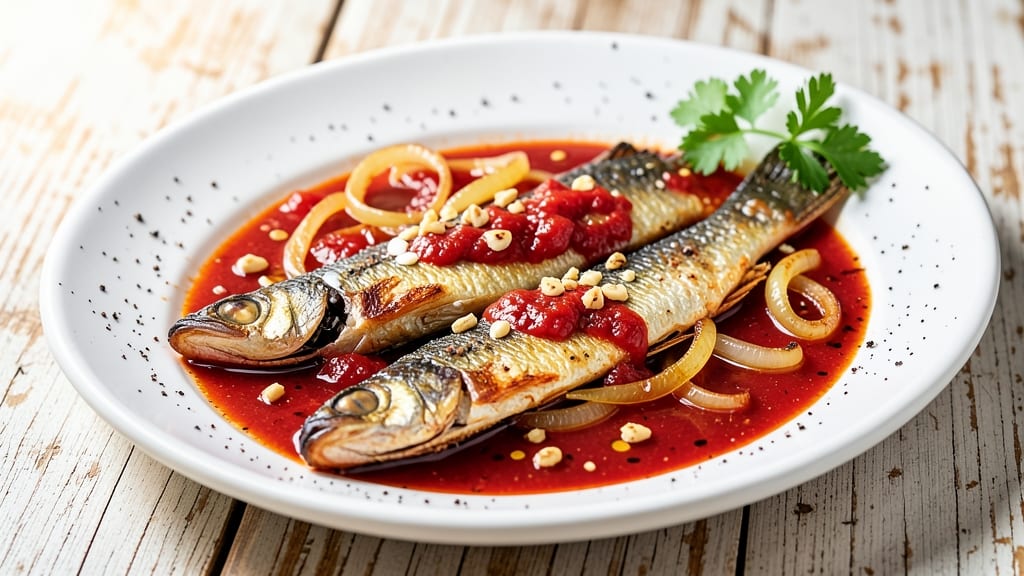
This Filipino-style bangus sardines in tomato sauce delivers restaurant-quality flavor with a tangy, vinegar-based sauce that perfectly complements crispy fried fish. The secret lies in balancing sweet tomatoes, aromatic garlic, and just the right amount of vinegar for that signature Filipino tang.
I've perfected this dish over years of testing, ensuring every bite delivers the crispy texture and bold flavors you'd find in a Filipino carindería.
The cooking process is straightforward but essential for achieving that authentic taste. You'll start by frying the bangus until golden and crispy, then simmer it in a rich tomato sauce infused with garlic, onions, and a touch of vinegar.
The sauce should be thick enough to coat the fish without overwhelming its delicate flavor. This method ensures the fish stays moist while absorbing the sauce's vibrant flavors.
What makes this dish truly special is how the tangy tomato sauce cuts through the richness of the fried fish, creating a perfect balance of textures and flavors. The result is a dish that's both comforting and exciting—ideal for family gatherings or special occasions.
Serve it with steamed white rice to soak up every last drop of that delicious sauce.
The beauty of this recipe is its versatility. You can adjust the sauce's sweetness or tanginess to suit your taste, or even add a splash of cream for a modern twist.
Whether you're cooking for a crowd or treating yourself to a homemade feast, this bangus sardines in tomato sauce will leave everyone asking for seconds.
Ingredients for bangus sardines in tomato sauce
Filipino flavors start with these simple ingredients—crispy fish meets tangy tomato sauce.
| Ingredient | Amount | Notes |
|---|---|---|
| Bangus Sardines 🐟 | 1 ½ lb | Fresh or frozen, skin-on preferred |
| Canned Crushed Tomatoes 🍅 | 14 ½ oz | San Marzano preferred for sweetness |
| White Vinegar 💧 | ½ cup | For authentic tang |
| Yellow Onion 🧅 | 1 whole | Diced, medium size |
| Garlic Cloves 🧄 | 6 cloves | Minced, fresh preferred |
| Olive Oil 🫒 | ¼ cup | For frying fish |
| Sugar 🍚 | 2 tbsp | Balances acidity |
| Salt 🧂 | 1 ½ tsp | Kosher or sea salt |
| Black Peppercorns 🌶️ | ½ tsp | Freshly ground |
| Bay Leaves 🍃 | 2 whole | Dried, for aroma |
| All-Purpose Flour 🌾 | ½ cup | For dredging |
| Lemon Juice 🍋 | 1 tbsp | Freshly squeezed |
Bangus is the star here—look for fresh fillets at Filipino markets or well-marbled frozen packs. Trader Joe's often carries it, but if you can't find it, milkfish or sea bass work in a pinch. The crushed tomatoes should be San Marzano if possible—they're sweeter and less acidic. I always grab extra vinegar (the Mae Ploy brand is my go-to) because that signature tang is non-negotiable. Fresh garlic and onions are a must—they're the aromatic base that makes this sauce sing.
No San Marzano tomatoes? High-quality crushed tomatoes will work, but you might need an extra pinch of sugar to balance the acidity. Running out of white vinegar? Apple cider vinegar at the same amount gives a slightly sweeter tang. The flour is just for dredging—Panko works too if you want extra crunch. Want to skip the bay leaves? 1 tsp dried thyme adds similar depth. The lemon juice at the end is key—don't skip it—it brightens everything up.
The sauce keeps well for 5 days in the fridge, though it tastes best fresh. Store the fish separately if you're prepping ahead. For leftovers, reheat gently over low heat—microwaving makes the sauce watery. Freezes beautifully for 3 months if you want to make a big batch. I always double the sauce because it disappears fast—perfect for rice bowls the next day.
Why You'll Love This Recipe
- No-Chop Nightmare: I swear, this is the only fish dish where I can skip chopping onions like a lazy genius. Just slice the garlic thin and toss it straight into the pan—no tears, no fuss, and the vinegar mellows the sharpness anyway.
- Tomato-Garlic Magic: That first bite? The crispy bangus with the sauce clinging like a sweet, tangy hug? The crushed tomatoes caramelize into something rich, while the vinegar cuts through the fish’s richness—like a perfect balance of comfort and zing.
- Leftovers That Beg for More: Honestly, I always make too much. The sauce thickens beautifully the next day, and reheating it turns it into a heartier stew. My kids ask for it cold in sandwiches—yes, even on a Tuesday night.
- Pocket-Friendly Powerhouse: A whole can of bangus and a jar of tomatoes feed four for under $5. That’s right: cheap, filling, and still tastes like you slaved over it. My budget’s been thanking me ever since.
Step-by-step instructions for Filipino-style bangus in tomato sauce
Here's how to create this comforting Filipino classic with tender sardines in a rich, tangy tomato sauce.
👨🍳 Step 1: Prepare the Bangus and Dredge in Flour
If using frozen bangus sardines, thaw them completely in cold water for 30 minutes—this ensures even cooking. Pat each fillet dry with paper towels, then season both sides generously with 1.5 teaspoons salt and 0.5 teaspoon freshly ground black peppercorns. The salt helps draw out moisture for better browning.
Place the 0.5 cup all-purpose flour in a shallow dish. Lightly dredge each sardine fillet in the flour, shaking off any excess. This creates a delicate crust that prevents the fish from breaking apart during cooking. I like to work quickly here—flour loses its effectiveness when exposed to moisture for too long.
🔥 Step 2: Fry the Sardines Until Golden
Heat 0.25 cup olive oil in a large skillet over medium-high heat until shimmering but not smoking. Add the dredged sardines in a single layer, being careful not to overcrowd the pan. Cook for 2-3 minutes per side until the flour coating turns golden brown and the fish releases easily from the pan.
Transfer the fried sardines to a plate and tent loosely with foil to keep warm. The key here is timing—if you cook them too long, they'll turn rubbery. You want them just opaque in the center with a crispy exterior. Save any remaining oil in the pan for the sauce.
🍳 Step 3: Build the Tomato-Vinegar Sauce
In the same skillet (no need to wipe it clean—the browned bits add flavor), add the 1 whole diced yellow onion and cook for 3-4 minutes until softened but not browned. Add the 6 minced garlic cloves and cook for 30 seconds until fragrant—don't let them burn, or they'll turn bitter.
Pour in the 14.5 oz canned crushed tomatoes, 0.5 cup white vinegar, and 2 tablespoons sugar. Stir well, then add the 2 whole bay leaves, 1 tablespoon freshly squeezed lemon juice, and bring to a gentle simmer over medium heat. The vinegar will make the sauce bubble vigorously at first, but it will settle after 2-3 minutes of cooking.
🥘 Step 4: Simmer the Sardines in Sauce
Return the fried sardines to the skillet, spooning some of the sauce over them. Reduce heat to low and gently simmer for 8-10 minutes, turning the fish occasionally. The sauce should coat the sardines completely, creating a glossy, tangy finish. If the sauce reduces too quickly, add 1-2 tablespoons water to maintain consistency.
Here's the thing—don't rush this step. The gentle simmer allows the fish to absorb the flavors without overcooking. You'll know it's done when the fish flakes easily with a fork and the sauce has thickened slightly. The bay leaves can be removed before serving if you prefer a smoother texture.
🍽️ Step 5: Serve with Steamed Rice
Transfer the sardines and sauce to a serving platter, arranging them attractively. The sauce should be thick enough to cling to the fish but still spoonable. Garnish with extra lemon juice if desired, though I find the tangy balance of the sauce works perfectly on its own.
Serve immediately over steamed white rice—this classic pairing soaks up every last bit of the flavorful sauce. The contrast of the tender, slightly crispy sardines with the rich, tangy tomato-vinegar sauce makes this dish irresistibly comforting. Leftovers keep well in the refrigerator for 2 days, though I doubt they'll last that long!
Pro Tips For Making Bangus Sardines In Tomato Sauce
- Sear the Fish First: Bangus turns rubbery if you toss it straight into the sauce. Heat a dry pan over medium-high, pat the sardines dry, and sear them skin-side down for 2-3 minutes until golden—this locks in flavor and texture. I used to skip this, and the fish always ended up mushy.
- Sweat Onions Low: Onions burn faster than you think in tomato sauce. Cook them over low heat for 8-10 minutes until translucent and caramelized at the edges—this builds depth. I learned this the hard way after one batch tasted raw and bitter.
- Deglaze with Vinegar: After searing the fish, splash in 1-2 tablespoons of white vinegar before adding tomatoes. It cuts through the richness and brightens the sauce—no need to wait for the pan to cool. Sounds counterintuitive, but it works every time.
- Simmer, Don’t Boil: Let the sauce bubble gently for 10-12 minutes, not a rolling boil. High heat turns tomatoes mealy and makes the fish curdle. Keep it at a steady simmer, stirring occasionally—your future self will notice the difference.
Dietary considerations for this dish
Gluten-Free Adaptations
Since this recipe traditionally uses flour for dredging, swap the 0.5 cup all-purpose flour for 0.5 cup gluten-free all-purpose flour blend (like Bob's Red Mill 1:1) or 1 cup cornstarch for a crispier texture.
The sauce remains naturally gluten-free—just ensure your crushed tomatoes and vinegar are certified gluten-free if avoiding cross-contamination. 🌾
Low-Carb Options
For a keto-friendly version, skip the flour entirely and lightly coat the bangus in 1 tbsp cornstarch or 2 tbsp almond flour before frying.
The sauce stays low-carb with 14.5 oz crushed tomatoes, 0.5 cup vinegar, and 2 tbsp sugar (use 1 tbsp erythritol or 1 tbsp monk fruit sweetener instead). Serve over cauliflower rice for a complete low-carb meal.
Dairy-Free Considerations
This dish is naturally dairy-free, but if you're adding cream (a modern twist), use coconut cream instead of heavy cream. The sauce’s tangy-sweet balance works perfectly without dairy—just ensure all ingredients (like canned tomatoes) are dairy-free if sensitive. The bay leaves and lemon juice add depth without dairy reliance.
Allergen-Friendly Swaps
For nut allergies, avoid almond flour substitutions and stick to cornstarch or gluten-free flour blends. If shellfish is a concern, confirm your bangus is wild-caught and processed in a dedicated facility—Filipino markets often carry allergen-friendly options. The sauce’s vinegar and tomato base is inherently allergen-free when using pure ingredients.
Vegetarian Substitutes
While bangus is the star, you can replace it with extra-firm tofu or king oyster mushrooms for a vegetarian take. Press tofu for 10 minutes to remove moisture, then coat in cornstarch and fry until crispy.
The sauce’s tangy profile still shines—just reduce simmering time to 5 minutes to avoid overcooking the substitute. 🌱
Nutrition facts
Frequently asked questions about bangus in tomato sauce
Can I use frozen bangus instead of fresh?
Thaw frozen bangus completely in cold water for 30 minutes before cooking. The key is ensuring it's fully defrosted to prevent uneven cooking. Pat it very dry afterward—this helps create a better crust when frying. Just avoid using hot water, as it can make the fish mushy.
How do I adjust the sauce if I don't like it too tangy?
Reduce the white vinegar by 2 tablespoons and add 1 extra tablespoon sugar to balance the acidity. For a milder flavor, you can also replace 2 tablespoons vinegar with 2 tablespoons tomato paste. The sauce should still have that signature tang, but this adjustment makes it more approachable for those who prefer subtler flavors.
What's the best way to store leftovers?
Store the cooked bangus and sauce separately in airtight containers in the fridge for up to 2 days. Reheat gently over low heat in a skillet with a splash of water to prevent drying. The sauce thickens when chilled, so you may need to add 1 tablespoon water when reheating. For longer storage, freeze the sauce alone for up to 3 months.
Can I bake the bangus instead of frying?
Yes, but the texture will differ. Preheat oven to 400°F, place flour-dredged bangus on a baking sheet, and bake for 10-12 minutes until golden. For extra crispiness, broil for 1-2 minutes at the end. The sauce method remains the same, but baked fish will be less crispy than fried. This works well if you're avoiding oil or want a healthier version.
What are good side dishes to serve with this?
Steamed white rice is the classic pairing, but you could also serve with garlic fried rice, sautéed green beans, or Filipino-style string beans (sitaw). For a complete meal, add a simple cucumber salad—the cool crunch balances the rich, tangy flavors. The sauce works beautifully with any mild-flavored grain or vegetable.