
Sauces & Condiments
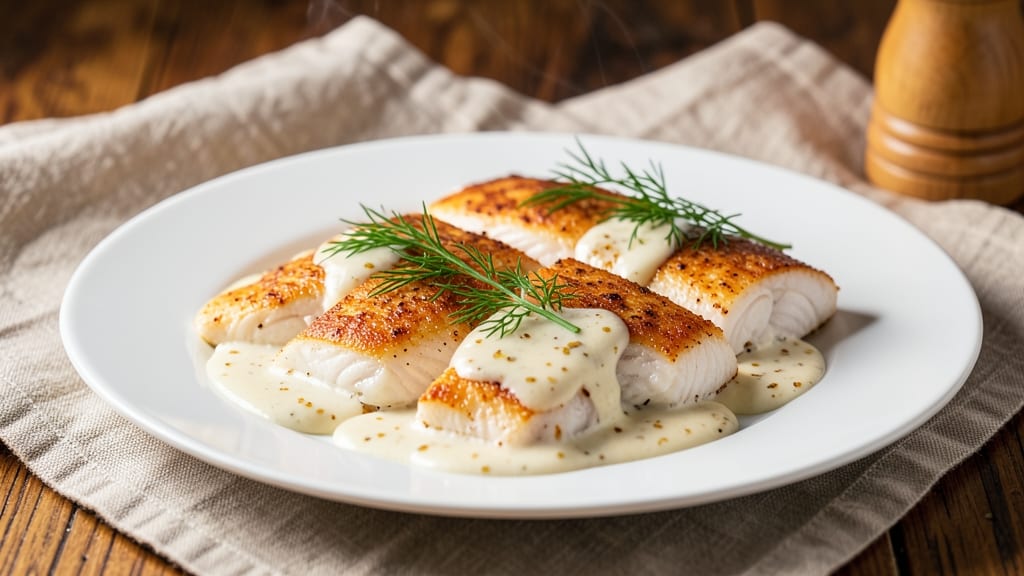
This baked fish in white sauce recipe delivers the perfect balance—crispy golden edges and a melt-in-your-mouth center, all blanketed in a velvety, creamy sauce that tastes like a restaurant favorite.
The secret lies in a simple yet foolproof technique: searing the fish first for that coveted crispiness, then baking it until just tender, all while the sauce simmers into something rich and luxurious. I’ve been making this for years, and it’s the one dish that always gets requested seconds.
What makes this recipe special is how the white sauce transforms from a basic bechamel into something extraordinary—thanks to a touch of lemon zest and fresh herbs that brighten up the richness.
The sauce isn’t just poured over the fish; it’s baked right into the dish, so every bite is creamy and flavorful. Plus, the prep is straightforward: just 15 minutes to get everything ready, then hands-off baking while you finish the sides.
By the time you pull this out of the oven, you’ll have perfectly cooked fish with a crispy top and tender center, all swimming in a glossy, creamy sauce that’s impossible to resist.
The aroma alone will have everyone gathering around the table, and the first bite will have them asking for the recipe. It’s the kind of dish that feels fancy but comes together without stress.
Serve it with steamed vegetables or a fresh salad to round out the meal, or pair it with crusty bread for soaking up every last drop of that luscious sauce. This is comfort food at its finest—creamy, crispy, and utterly satisfying. Let’s get cooking!
Ingredients for baked fish in white sauce
Just 13 ingredients for a restaurant-worthy dish that’s crispy on top and creamy inside.
| Ingredient | Amount | Notes |
|---|---|---|
| White Fish Fillets 🐟 | 4 pieces | Cod, halibut, or tilapia preferred |
| Unsalted Butter 🧈 | ½ cup | Cold, cut into small pieces |
| All-Purpose Flour 🌾 | ¼ cup | For dredging fish |
| Heavy Cream 🥛 | 1 cup | Full-fat for richness |
| Whole Milk 🥛 | ½ cup | Warmed for smooth sauce |
| Shallots 🧅 | 2 whole | Minced, or sub with onion |
| Garlic Cloves 🧄 | 2 cloves | Minced, fresh preferred |
| Lemon Zest 🍋 | 1 tbsp | Brightens the sauce |
| Fresh Parsley 🌿 | ¼ cup | Chopped, for garnish |
| Salt 🧂 | 1 ½ tsp | Kosher or sea salt |
| Ground Black Pepper 🌶️ | ½ tsp | Freshly ground |
| Paprika 🌶️ | ½ tsp | Smoked for color |
| Olive Oil 🫒 | 2 tbsp | For searing fish |
The fish makes or breaks this. Cod or halibut hold up best to the crispy sear, but tilapia works too if it's fresh. Look for fillets with even thickness—Whole Foods or local fish markets usually have the best quality. If you can't find fresh, frozen works too—just thaw overnight in the fridge. The butter matters here: European-style has more flavor, but regular unsalted butter is fine. Cold butter creates the crispy crust when it melts during baking.
No heavy cream? Half-and-half or whole milk with 1 tbsp butter per cup gets you close. Fresh herbs are ideal, but dried parsley at half the amount works in a pinch. The shallots can be swapped for onion, but shallots add subtle sweetness. Want extra richness? Add 1 oz cream cheese to the sauce. The paprika gives that golden color—smoked adds depth, but regular works too. Don't skip the lemon zest: it's what makes this sauce taste restaurant-quality.
Fish stays fresh for 1-2 days in the fridge—use it within 24 hours for best texture. The sauce reheats beautifully, so make extra for leftovers. Store in an airtight container with plastic wrap pressed against the sauce to prevent a skin from forming. This keeps for 3-4 days in the fridge or 3 months frozen. I always double the sauce—it's perfect for dipping bread or tossing with pasta later.
Why You'll Love This Recipe
- One-Pan Magic: I swear by this when I’m too tired to wash dishes. Just toss the fish on a sheet pan, dump the roux (butter + flour) over it, then pour in the cream and milk—no extra pots, no stress. The sauce thickens right there while the fish bakes, and honestly? The cleanup is just wiping one pan.
- Creamy Crisp Contrast: That buttery, velvety sauce clinging to flaky fish? It’s the kind of texture combo that makes me pause mid-bite. The flour roux gives it a light, almost custardy finish, while the fish stays moist—no dry, sad edges here. My kids fight over the last piece, and I don’t even joke about it.
- Weeknight to Dinner Party: Between us, this is my lazy Sunday lunch and my “impress the in-laws” dish. For a casual meal, serve it with crusty bread and a simple salad. Fancy it up with asparagus or a sprinkle of parsley, and suddenly it’s on the table for guests—same recipe, two vibes.
- Leftovers That Don’t Suck: Most baked fish turns into sad, dry scraps by day two. Not this one. The white sauce actually improves when reheated—just a splash of milk to loosen it up. I meal prep it for lunches all week, and it’s still creamy, still rich, still the star of my sad desk salad. Budget win, too: cod or tilapia stretches far, and the pantry staples don’t break the bank.
Step-by-step instructions for baked fish in white sauce
Here's how to achieve that perfect balance of crispy, golden fish with a velvety white sauce.
Prepare the Fish for Crispy Perfection
Start by patting the 4 pieces white fish fillets completely dry with paper towels. This is crucial for achieving that crispy top later. Place them on a clean work surface and season both sides generously with 1.5 teaspoons salt and 0.5 teaspoon ground black pepper. I like to press the seasoning into the fish slightly so it adheres well.
Next, dredge each fillet lightly in the 0.25 cup all-purpose flour, shaking off any excess. The flour creates a delicate crust that will crisp up beautifully in the oven. Place the floured fillets on a plate and set aside. I've found that working with cold fish is easier for this step, so if your fillets are refrigerated, keep them that way until ready to bake.
Sear the Fish for Extra Flavor
Heat 2 tablespoons olive oil in an oven-safe skillet over medium-high heat until shimmering. Add the floured fish fillets and cook for 2-3 minutes per side until they develop a golden crust. You'll know they're ready when they release easily from the pan and the edges look crispy.
Don't overcrowd the pan—cook the fillets in batches if needed. This searing step adds incredible depth of flavor and helps create that perfect crispy exterior. Once seared, transfer the fish to a plate and set aside. Here's the thing—this sear is what separates good baked fish from exceptional baked fish.
Make the Creamy White Sauce
In the same skillet (don't wipe it clean—those browned bits are flavor gold), reduce the heat to medium and add the 0.5 cup unsalted butter. Let it melt completely, then add the 2 minced shallots and 2 minced garlic cloves. Cook for 2-3 minutes until the shallots are soft and translucent but not browned.
Pour in the 1 cup heavy cream and 0.5 cup whole milk, scraping up any browned bits from the bottom of the pan. Add the 1 tablespoon lemon zest and 0.5 teaspoon paprika, then bring the mixture to a gentle simmer. Let it cook for 5-7 minutes until it thickens slightly and coats the back of a spoon. This is where the magic happens—the sauce should be smooth and velvety, not grainy.
Combine and Bake to Golden Perfection
Return the seared fish fillets to the skillet, spooning the white sauce over them completely. The fish should be submerged in the sauce, but don't worry if it's not perfect—it'll finish cooking in the oven. Transfer the skillet to a preheated 375°F oven and bake for 12-15 minutes.
You'll know it's done when the fish is just opaque in the center (it should still be slightly translucent) and the sauce is bubbling gently. The top of the fish should be golden brown and crispy—this is your visual cue that it's ready. If the sauce starts to brown too quickly, tent the skillet with foil to prevent burning.
Garnish and Serve Immediately
Remove the fish from the oven and let it rest for 2-3 minutes before serving. This brief rest allows the fish to set slightly and makes it easier to handle. Sprinkle with the 0.25 cup chopped fresh parsley just before serving for a pop of color and freshness.
Serve the fish immediately while the sauce is still warm and creamy. Each bite should deliver that perfect combination of crispy, golden top and tender, flaky center with a luscious white sauce. The lemon zest brightens the dish, while the paprika adds a subtle smokiness that complements the fish beautifully. Enjoy with crusty bread or your favorite vegetables to soak up every last bit of that delicious sauce.
Pro Tips For Making Baked Fish In White Sauce
- Season Fish First: Pat the fillets dry, then sprinkle them with salt and pepper before adding butter or sauce—this guarantees they don’t turn out bland underneath that creamy layer. I learned this the hard way when my first batch tasted like it was swimming in unsalted broth.
- Melt Butter Slowly: Heat the butter for the sauce over medium-low—not medium or high—until it’s just melted and foaming, but not browned. After burning three batches, I finally figured out that rushing this step turns your white sauce into a beige disaster.
- Whisk Like You Mean It: When combining the flour, milk, and cream, whisk vigorously for at least 30 seconds to eliminate lumps—no blender required. I skip this when I’m lazy, but the sauce clumps up like glue if you don’t give it proper attention.
- Bake at 375°F: Set your oven to 375°F (not 400°F or lower) for even cooking—hot enough to finish the fish in 12-15 minutes without drying it out. Sounds weird, but it works: any hotter, and the sauce burns before the fish is done.
Pro cooking tips for perfect results
Perfect Searing Technique
Start by using a heavy-bottomed oven-safe skillet like All-Clad or Le Creuset—they distribute heat evenly and prevent hot spots. Heat 2 tablespoons olive oil over medium-high heat until it shimmers but doesn’t smoke.
The oil should be hot enough to sizzle when the fish touches it. I like to test it by flicking a drop of water—if it sizzles immediately, it’s ready. 🔥
Work in batches if needed—overcrowding the pan steams the fish instead of searing it. For 4 fillets, I recommend cooking 2 at a time to ensure a crispy crust. Press the fish down gently with a spatula for the first 10 seconds to help it release from the pan.
This creates that perfect golden crust while keeping the inside tender.
Sauce Thickening Secrets
The key to a velvety white sauce is low and slow cooking. After adding the heavy cream and milk, reduce the heat to medium-low and let it simmer gently. If it bubbles too vigorously, it’ll break and become grainy.
I stir constantly for the first 2 minutes, then reduce stirring to just occasional checks—this helps build a smooth, glossy texture.
For extra richness, whisk in 1 tablespoon cold butter at the end. This adds body without curdling the sauce. If your sauce thickens too much, simply whisk in 1 tablespoon warm milk to loosen it.
The sauce should coat the back of a spoon but still be pourable—this ensures it clings beautifully to the fish. ✨
Oven Temperature Control
Preheat your oven to 375°F and let it stabilize for 10 minutes before baking. A digital oven thermometer like Thermoworks is worth the investment—many ovens run 25°F hotter or colder than set.
Place the skillet on the middle rack for even heat distribution. If your oven runs hot, reduce the temperature to 350°F to prevent overcooking.
For extra crispiness, broil the fish for the last 1-2 minutes of baking. Watch it closely—broiling can happen fast! The sauce will bubble vigorously, so keep an eye on it to avoid burning.
If the sauce starts to darken too quickly, tent the skillet loosely with foil and return it to the oven to finish cooking.
Fish Doneness Test
The fish is done when it reaches an internal temperature of 145°F and is just opaque in the center. Use a meat thermometer inserted into the thickest part of the fillet—this is more accurate than visual cues alone.
Overcooking by even 1 minute can turn flaky fish into dry, rubbery texture. I pull the fish out when it’s slightly underdone—it’ll carry over to perfect doneness while resting.
Let the fish rest for 2-3 minutes before serving. This allows the juices to redistribute, ensuring every bite is moist and flavorful. If you can’t wait, at least rest it for 1 minute—trust me, it makes a difference!
The sauce will thicken slightly during resting, so it stays creamy when served. 💫
Nutrition facts
Frequently asked questions
What's the best fish for this white sauce recipe?
For this dish, cod, halibut, or tilapia work best—they stay firm and flaky while absorbing the sauce beautifully. Avoid delicate fish like sole or flounder, which can break apart. If using frozen fish, thaw it overnight in the fridge to prevent uneven cooking.
Can I make this recipe ahead of time?
Assemble the dish up to 1 day ahead—just store it in an airtight container with plastic wrap pressed against the sauce. Reheat gently in a 350°F oven for 10-12 minutes until warmed through. The sauce may thicken slightly, so add a splash of milk if needed.
Why did my sauce turn grainy?
Grainy sauce usually means the heat was too high or you didn't stir enough. Always cook the sauce on medium-low heat and stir constantly for the first 2 minutes to prevent curdling. If it happens, whisk in 1 tablespoon cold butter to smooth it out.
How do I prevent the fish from sticking to the pan?
Pat the fish completely dry before seasoning and dredging in flour. Use a heavy skillet and heat the oil until it shimmers. Press the fish gently with a spatula for 10 seconds after adding it to the pan—this helps release it while creating crispy edges.
Can I use a different type of white sauce?
Yes! For a lighter version, try a beurre blanc (butter-wine sauce) or a lemon-cream sauce with extra zest. For extra richness, add 1 oz cream cheese to the sauce. Just adjust cooking times—thicker sauces may need slightly longer baking to cling properly.