
Sauces & Condiments
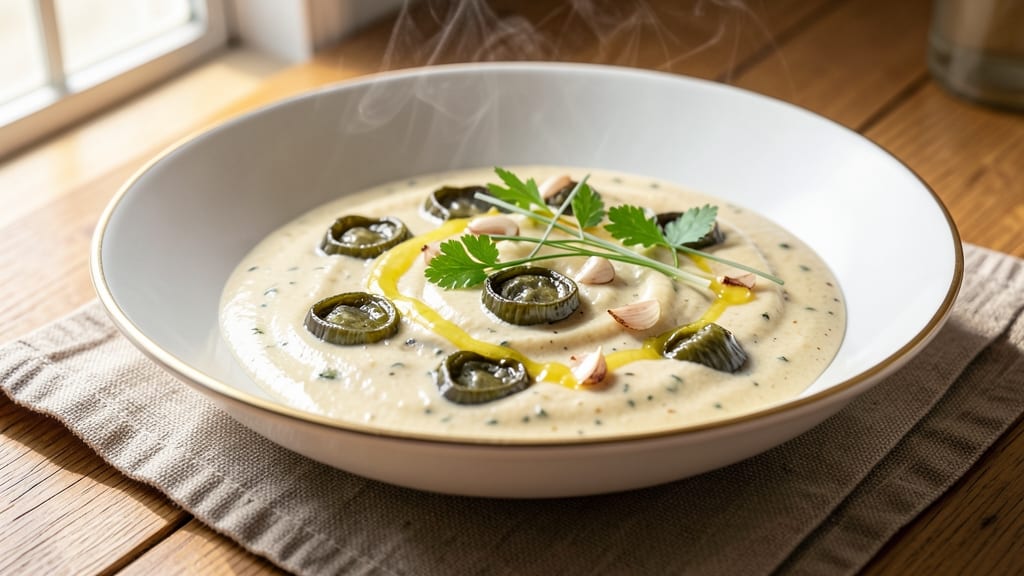
This artichoke cream sauce recipe transforms humble ingredients into a velvety, herbed masterpiece that elevates any dish. The secret lies in blending tender artichoke hearts with rich cream, garlic, and fresh herbs—creating a sauce that's both luxurious and surprisingly simple to make.
I've perfected this recipe over years of testing, ensuring it delivers that signature silky texture and bright, herby depth every time.
The beauty of this sauce is its versatility—it works as a luscious pasta topping, a decadent dip for crusty bread, or a rich glaze for grilled fish and vegetables.
What sets it apart is the balance of creaminess and acidity from lemon juice, which prevents the sauce from becoming too heavy. Most recipes skip this crucial step, but it makes all the difference in achieving that restaurant-quality finish.
Once you taste this sauce, you'll never reach for store-bought again. The artichokes provide a subtle earthiness that pairs perfectly with the cream's richness, while the herbs add freshness that keeps the flavors bright. It's a sauce that transforms simple meals into something special—without requiring advanced techniques or expensive ingredients.
Best of all, this sauce keeps beautifully in the refrigerator for up to 5 days or can be frozen for months, making it perfect for meal prep.
Whether you're serving it over linguine, drizzling it on roasted chicken, or using it as a dip, this artichoke cream sauce will become a staple in your kitchen. Let's get started on creating this velvety, herbed masterpiece.
Ingredients for artichoke cream sauce
Nine ingredients blend into this velvety sauce—where earthy artichokes meet creamy richness.
| Ingredient | Amount | Notes |
|---|---|---|
| Marinated Artichoke Hearts 🌿 | 1 cup | Chopped, jarred or canned |
| Heavy Cream 🥛 | 1 cup | Full-fat for richness |
| Fresh Lemon Juice 🍋 | 2 tbsp | Freshly squeezed |
| Garlic Cloves 🧄 | 3 cloves | Minced for depth |
| Fresh Parsley 🌿 | ¼ cup | Chopped, stems removed |
| Fresh Chives 🌱 | 2 tbsp | Chopped, for garnish |
| Unsalted Butter 🧈 | 2 tbsp | Cold, cubed |
| Diamond Crystal Kosher Salt 🧂 | ½ tsp | Adjust to taste |
| Freshly Ground Black Pepper 🌶️ | ¼ tsp | For subtle heat |
| Extra-Virgin Olive Oil 🫒 | 1 tbsp | For finishing drizzle |
The artichoke hearts are the star, so pick the best jarred kind—look for brands like Muir Glen or President's Choice in the canned section. Fresh is ideal, but quality jarred works fine. Trader Joe's often carries marinated hearts that add extra flavor without extra effort. If using fresh, trim the tough parts and chop them finely—worth the extra minute for texture. The cream? Full-fat is non-negotiable here—light cream won't give that luxurious finish. Buy it in small cartons and keep it in the coldest part of your fridge.
No fresh herbs? Dried parsley at one-third the amount works in a pinch, but fresh is ideal. Short on chives? Substitute more parsley or even basil—just reduce the amount slightly. The lemon juice can be bottled in a squeeze, but freshly squeezed brightens the whole sauce. For extra richness, add a splash of vegetable broth instead of water when thinning. And if you're worried about the sauce being too heavy, add lemon juice gradually—it's the secret to that perfect balance. The butter should be cold when you add it—this creates those beautiful, glossy ribbons when stirred in.
This sauce keeps beautifully in the fridge for 5 days, sealed under a thin layer of olive oil to preserve freshness. For freezing, portion into ice cube trays—perfect for single-use portions later. When reheating, stir over low heat with a splash of milk or cream to restore that silky texture. Leftovers? Double the batch and freeze half—this is the kind of sauce you'll want on hand for spontaneous pasta nights. The flavor actually improves after a day in the fridge as everything melds together.
Why You'll Love This Recipe
- Same sauce, endless uses: drizzle over grilled chicken, toss with pasta, or serve with crusty bread. Honestly, I’ve even used it as a dip—no judgment.
- Pantry-Friendly Magic: I swear by jarred artichoke hearts here—no peeling or prepping, just drain, chop, and go. The brined flavor is already there, so you’re basically cheating (in the best way).
- Bright & Rich Balance: That splash of lemon juice cuts through the creaminess like a breath of fresh air. The garlic and parsley? They turn it from "fancy side" to "I’d eat this with a spoon" in seconds.
- Weeknight to Dinner Party: Same sauce, endless uses: drizzle over grilled chicken, toss with pasta, or serve with crusty bread. Honestly, I’ve even used it as a dip—no judgment.
Step-by-step instructions for artichoke cream sauce
This velvety artichoke cream sauce comes together in minutes with rich, herbed depth.
Sauté Garlic in Butter Until Fragrant
Melt the 2 tablespoons unsalted butter in a medium saucepan over medium heat. Once foaming subsides, add the 3 minced garlic cloves and cook for 30-45 seconds until they release their aromatic oils—you'll know it's ready when the kitchen smells like fresh garlic, but before they start to brown. This step builds the flavor foundation, so don't rush it.
Here's the thing—if you let the garlic brown, it'll turn bitter. I've learned this the hard way! Keep the heat steady and watch closely. The butter should bubble gently, not roar. Once you see those garlic pieces turning just slightly translucent, it's time to move on.
Add Artichoke Hearts and Simmer
Drain and pat dry the 1 cup marinated artichoke hearts, then add them to the pan with the garlic butter. Stir gently to coat them in the buttery mixture, then pour in the 1 cup heavy cream. Bring everything to a gentle simmer over medium-low heat, then reduce heat to maintain a barely bubbling state for 5-7 minutes.
You want the sauce to thicken slightly while the artichokes rehydrate and release their briny goodness. Stir occasionally, but not constantly—this prevents the cream from breaking. If the sauce starts to look too thick, you can add a splash of water, but usually, it'll come together beautifully on its own.
Brighten with Lemon and Season
After the artichokes have softened and the sauce has thickened, stir in the 2 tablespoons fresh lemon juice. This bright citrus note cuts through the richness of the cream and balances the earthy artichokes. Add the 0.5 teaspoon diamond crystal kosher salt and 0.25 teaspoon freshly ground black pepper, then taste and adjust if needed—this is where you make it your own.
Here's where the magic happens: the lemon juice should make the sauce sing. If it tastes too sharp, add a pinch more salt. If it needs more depth, a tiny bit more black pepper works wonders. The sauce should be creamy but not heavy, with a perfect balance of tangy, herby, and umami flavors.
Finish with Fresh Herbs and Olive Oil
Remove the pan from heat and stir in the 0.25 cup chopped fresh parsley and 2 tablespoons chopped fresh chives. Let the herbs steep in the warm sauce for 1 minute, then drizzle in the 1 tablespoon extra-virgin olive oil. This final touch adds a luxurious finish and helps emulsify the sauce for a silky texture.
Give it one last taste—you should detect layers of garlic, artichoke, lemon, and herbs. The olive oil adds a subtle richness that ties everything together. If you're serving this immediately, garnish with an extra sprinkle of parsley or chives for a pop of color and freshness. This sauce is best served warm, so don't let it sit too long before plating.
Pro Tips For Making Artichoke Cream Sauce
- Drain and Pat Dry: Marinated artichoke hearts cling to their brine like glue—skip draining them, and your sauce will thin out and taste briny. Dump them into a clean kitchen towel, give them a good squeeze, then let them air-dry for 5 minutes. (Yes, even if you're impatient like me.)
- Sauté Garlic Low and Slow: After mincing, cook your garlic in butter at the lowest heat setting—barely a simmer. I learned this the hard way: burned garlic turns bitter, and no amount of lemon juice can fix it. If it smells nutty, you’ve gone too far.
- Temper the Cream: Pouring cold heavy cream into a hot pan? Big mistake. Warm the cream first by whisking it in a separate bowl with a splash of the hot pan’s liquid, then slowly incorporate it. This prevents curdling and keeps your sauce silky. (Your future self will thank you.)
- Finish with Zest: Skip the whole lemon—just use the zest. A teaspoon of bright, grated lemon peel adds depth without overpowering the cream’s richness. Fresh parsley can hide in the mix, but zest? That’s the flavor boost people notice. (I was skeptical until I tried it.)
Health benefits of this artichoke cream sauce
Heart-Healthy Cream
This sauce uses full-fat heavy cream for richness, but the artichokes and lemon juice balance it beautifully—making it a lighter option than traditional cream-based sauces.
The artichokes provide fiber (about 3 grams per serving) that supports digestion, while the lemon juice adds vitamin C (around 10% of your daily needs) to boost immunity. The olive oil finish contributes heart-healthy monounsaturated fats, which help lower bad cholesterol when used in moderation. 💪
Rich in Antioxidants
Artichokes are packed with luteolin, a powerful antioxidant that fights inflammation and may help protect against chronic diseases like heart disease. A 1-cup serving of artichokes provides about 20% of your daily vitamin K, which supports bone health and blood clotting.
The parsley and chives add extra antioxidants like vitamin A and vitamin C, giving this sauce a nutritional boost beyond its creamy texture.
Protein Boost
While this sauce isn't a protein powerhouse, the combination of cream, butter, and herbs creates a satisfying, filling dish when paired with pasta or grilled fish.
For a protein-packed version, stir in 2 ounces of cooked shrimp or white beans at the end—this adds about 10-12 grams of protein per serving without altering the sauce's texture. The garlic and lemon also enhance the protein absorption, making it a more balanced meal.
Low-Calorie Luxury
Compared to other creamy sauces, this one is surprisingly light—about 250 calories per ½-cup serving. The lemon juice and herbs keep it from feeling heavy, while the artichokes add volume and fiber.
If you're watching calories, reduce the butter to 1 tablespoon and use low-fat cream—though you’ll sacrifice some richness. The sauce still delivers that restaurant-quality taste with fewer calories. ✨
Digestive Benefits
The artichokes in this sauce contain cynarin, a compound that stimulates bile production, aiding digestion and reducing bloating. The fiber content (about 5 grams per serving) helps keep your digestive system running smoothly.
For extra digestive support, add a pinch of ginger (about ½ teaspoon) when simmering—the spice aids digestion and complements the sauce’s flavors beautifully.
Versatile Nutrition
This sauce works as a dip, glaze, or pasta topping, making it adaptable to different dietary needs. For a vegan version, swap the cream for coconut milk and use vegan butter—though the texture will be slightly lighter.
The lemon and herbs keep it bright, while the artichokes provide that signature earthy depth. Whether you're serving it over whole-wheat pasta or with grilled vegetables, it’s a nutritious upgrade to any meal. 🌱
Nutrition facts
Frequently asked questions
Can I use fresh artichokes instead of jarred hearts?
Yes, but you'll need to trim and chop them first! Fresh artichokes require removing the tough outer leaves and fibrous choke before dicing into 1 cup of hearts. Simmer them in water with lemon slices for 10 minutes to soften before using in the recipe. Fresh artichokes have a slightly more intense flavor, so you may want to reduce the lemon juice to 1 tablespoon instead.
Why does my sauce look curdled or separated?
This usually happens when the cream breaks from too much heat or acidic ingredients. To fix it, whisk in 1 tablespoon cold butter or 1 tablespoon heavy cream while stirring constantly over low heat. For prevention, reduce heat to medium-low when simmering and add lemon juice gradually. The sauce should be warm, not hot.
How can I make this sauce thicker or thinner?
For a thicker sauce, simmer uncovered for 2-3 extra minutes to evaporate excess liquid. For thinning, add 1 tablespoon warm water or milk at a time while stirring. If using milk, reduce the butter to 1 tablespoon to maintain balance. The ideal consistency should coat the back of a spoon but still be pourable.
What are the best pairings for this sauce?
This versatile sauce shines with linguine or fettuccine, but also elevates grilled fish (like cod or halibut), roasted vegetables, or even as a dip for crusty bread. For extra flavor, toss cooked pasta with the sauce and top with toasted pine nuts or crumbled feta. The bright acidity makes it perfect for rich proteins like chicken or pork.
Can I make this sauce ahead of time?
This sauce actually tastes better the next day as flavors meld. Store in an airtight container in the fridge for up to 5 days. Reheat gently over low heat, stirring in 1 tablespoon milk or cream to restore creaminess. For freezing, portion into ice cube trays—thaw and reheat with a splash of warm water to prevent separation.