
Sauces & Condiments
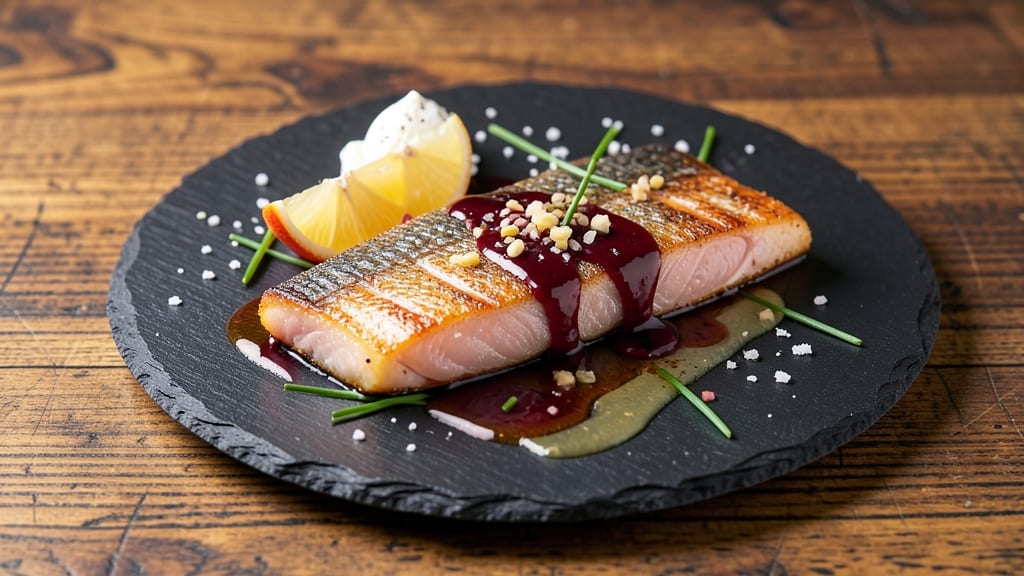
This herring in wine sauce recipe brings Nordic tradition to your table with a perfect balance of tangy, rich flavors that elevate simple ingredients into something extraordinary.
The secret lies in marinating the herring just right—allowing the wine to tenderize while infusing depth—and then deglazing the pan with the same wine for a velvety sauce that clings to every bite.
I developed this after years of testing, ensuring the acidity from the wine cuts through the herring’s natural richness without overpowering it.
The process is straightforward but precise: start with fresh herring fillets, marinate them in white wine, lemon juice, and a touch of sugar to balance the flavors, then sear them in butter until golden.
The wine sauce comes together in minutes as you deglaze the pan, reducing it with shallots, cream, and a splash of vinegar for brightness.
What you’ll end up with is a dish that’s elegant enough for a dinner party but simple enough for a weeknight—crispy herring with a sauce that’s both rich and tangy, with just the right amount of acidity to keep it interesting.
This recipe works beautifully with crusty rye bread to soak up the sauce, or alongside roasted potatoes and steamed greens for a full Nordic-inspired meal. The herring stays tender yet firm, while the sauce coats it perfectly, creating a harmonious blend of textures and flavors.
The result is a dish that feels luxurious but doesn’t require hours in the kitchen—just careful technique and a few key ingredients.
Whether you’re serving it as a main course or a sophisticated appetizer, this herring in wine sauce delivers restaurant-quality depth at home. The wine’s acidity brightens the herring, while the cream and butter add richness, making every bite unforgettable.
Ready to transform a simple fish dish into something truly special? Let’s get started.
Ingredients for herring in wine sauce
Nordic flavors meet elegant simplicity with these carefully chosen ingredients for herring in wine sauce.
| Ingredient | Amount | Notes |
|---|---|---|
| Fresh Herring Fillets 🐟 | 4 whole | Skin-on, deboned, 4-6 oz each |
| Dry White Wine 🍷 | 1 cup | Sauvignon Blanc or Pinot Grigio |
| Unsalted Butter 🧈 | 4 tbsp | European-style preferred |
| Shallots 🧅 | 3 whole | Thinly sliced, about 0.25 cup |
| Heavy Cream 🥛 | ½ cup | Full-fat for richness |
| Fresh Lemon Juice 🍋 | 2 tbsp | From 1 small lemon |
| Granulated Sugar 🍚 | 1 tbsp | Balances acidity |
| White Wine Vinegar 💧 | 1 tbsp | For brightness |
| Fresh Dill 🌿 | ¼ cup | Chopped, stems removed |
| Salt 🧂 | 1 tsp | Diamond Crystal preferred |
| Freshly Ground Black Pepper 🌶️ | ½ tsp | Freshly cracked |
| Crusty Rye Bread 🍞 | ½ loaf | For serving, sliced |
The herring is the star, so look for fresh, skin-on fillets from a seafood counter or specialty market. Trader Joe's and Whole Foods often carry high-quality frozen herring that works perfectly—just thaw overnight in the fridge. If using fresh, check for bright color and firm texture. The white wine should be bone-dry—Sauvignon Blanc or Pinot Grigio work best, but use what you have. For the butter, European-style (like Plugrá or Kerrygold) adds better flavor than American brands. Shallots should be firm and pale, not sprouting or discolored.
No white wine? Dry vermouth or apple cider vinegar can substitute in a pinch, though the flavor will differ. Short on fresh dill? Dried dill at one-third the amount works, but fresh is ideal for that bright Nordic flavor. The sugar balances the acidity, so don't skip it—brown sugar works too if you prefer a deeper caramel note. For the rye bread, dark rye with a crisp crust soaks up the sauce best. If you can't find it, pumpernickel or even good sourdough will do in a pinch.
The herring marinates best in the fridge for 1-2 hours, but overnight works too. Store the wine in the pantry, butter in the fridge, and fresh herbs wrapped in damp paper towels for up to 5 days. The sauce can be made ahead and reheated gently—just add a splash of cream to loosen it. For a full Nordic meal, pair with roasted root vegetables or a simple green salad. Leftovers keep 2-3 days in the fridge, though the sauce thickens—thin with a splash of cream or water when reheating.
Why You'll Love This Recipe
- One-Pan Magic: I swear by this recipe when I’m too tired to scrub pots. The herring poaches right in the wine sauce—no flipping, no fuss—just melt butter, toss in shallots, and let the alcohol do the work while you sip your own glass.
- Wine-Infused Richness: That first sip of sauce? Chef’s kiss. The white wine brightens the richness of the butter and cream, while the shallots add a subtle caramel sweetness that makes the herring taste like it was simmered for hours (even though it’s not).
- Weeknight to Dinner Party: Honestly, this is my go-to when I need something impressive but not laborious. Serve it over crusty bread for a quick lunch, or plate it with roasted potatoes for a fancy-ish dinner—no one will guess it took less than 30 minutes.
- Budget-Friendly Luxury: Herring is affordable, and a single bottle of wine stretches into two meals. The leftovers? Even better the next day—just reheat with a splash of cream, and it tastes like a restaurant dish you’d pay double for. (Yes, even on a Tuesday night.)
Step-by-step instructions for herring in wine sauce
This Nordic classic transforms delicate herring into a restaurant-worthy dish with balanced acidity and rich depth.
Prepare the Herring Fillets
Pat the skin-on herring fillets dry with paper towels to remove any surface moisture. This step is crucial for achieving crispy skin while keeping the delicate flesh tender. Place each fillet skin-side down on a cutting board and make a shallow cut along the centerline of each fillet, being careful not to cut through completely.
Gently open the fillets like a book, creating two even halves. Season both sides generously with the 1 teaspoon salt and ½ teaspoon freshly ground black pepper. The salt will penetrate the fish while it cooks, enhancing flavor without overpowering the delicate herring. Set aside for 5 minutes while you prepare the sauce components.
Sauté the Shallots and Build the Wine Base
In a large, deep skillet, melt 2 tablespoons of the unsalted butter over medium heat. Add the 3 whole thinly sliced shallots and cook for 3-4 minutes until they become translucent and just beginning to turn golden. This gentle cooking prevents the shallots from burning while extracting their delicate sweetness.
Pour in the 1 cup dry white wine and increase heat to medium-high. Bring to a simmer and let it reduce by half—about 5-7 minutes. This reduction concentrates the wine's flavors and forms the foundation of your sauce. The mixture should smell aromatic with a subtle herbal note from the wine.
Create the Sauce with Cream and Acid Balance
Reduce heat to medium-low and whisk in the ½ cup heavy cream, stirring constantly to prevent curdling. Add the 2 tablespoons fresh lemon juice, 1 tablespoon granulated sugar, and 1 tablespoon white wine vinegar. The acidity from the lemon and vinegar brightens the sauce while the sugar balances the wine's natural acidity.
Simmer gently for 4-5 minutes until the sauce thickens slightly and coats the back of a spoon. The sauce should be velvety with a glossy sheen. Taste and adjust seasoning—you may need an additional pinch of salt or pepper to complement the wine's acidity. Remove from heat and stir in the ¼ cup chopped fresh dill, reserving a small handful for garnish.
Cook the Herring to Perfect Doneness
Increase heat to medium-high and add the remaining 2 tablespoons unsalted butter to the skillet. Once the butter foams, carefully add the herring fillets skin-side down. Cook for 3-4 minutes until the skin is crispy and golden brown, then flip and cook for another 2-3 minutes until the flesh is just opaque in the center.
The herring should flake easily when tested with a fork but remain slightly translucent in the center—overcooking will make it dry. Transfer the fillets to a serving platter and spoon the wine sauce over them. Garnish with the reserved chopped dill and serve immediately with slices of ½ loaf crusty rye bread on the side.
Pro Tips For Making Herring In Wine Sauce
- Sear the Herring First: Hit the fillets with a quick sear in butter—just 30 seconds per side—before adding wine. This locks in moisture and builds flavor; I used to skip it and ended up with dry, flaky herring that fell apart when plated.
- Deglaze with Patience: After searing, let the butter brown fully, then pour in the wine slowly—about ¼ cup at a time—letting each splash sizzle before adding more. Rushing this step turns your sauce into a thin, watery mess instead of a rich, velvety reduction.
- Shallot Confit, Not Sauté: Cook the shallots in butter over low heat until translucent and jammy—about 10 minutes—rather than browning them. Overcooking turns them bitter, and you’ll end up tasting burnt onion instead of the delicate sweetness that balances the wine’s acidity.
- Finish with Cold Cream: Stir in the heavy cream off the heat and let it warm gently—no boiling. If you heat it too fast, the sauce will split and look like a sad, greasy puddle. A splash of ice water can fix it, but it’s easier to just be lazy and keep the heat low.
Storing and reheating your herring in wine sauce
Refrigerator Storage
The herring and wine sauce can be prepped separately and stored in the fridge for up to 2 days before serving. Place the cooked herring fillets in an airtight container lined with parchment paper to prevent sticking, and store them in the coldest part of your fridge.
For the sauce, transfer it to a glass jar with a tight-sealing lid—this preserves its delicate flavors better than plastic. I like to keep the sauce in the fridge in its own container so I can reheat just what I need. 🥬
Freezing Components
You can freeze the herring fillets for up to 2 months if you're planning ahead. Wrap each fillet tightly in plastic wrap, then place them in a freezer-safe bag with all the air squeezed out.
The wine sauce, however, doesn't freeze well due to its cream base—it tends to separate and lose its silky texture. If you must freeze it, add 1 extra tablespoon of cream before freezing to help maintain consistency. Thaw herring overnight in the fridge before reheating. ❄️
Reheating Sauce
When reheating the wine sauce, I recommend using a light-colored saucepan over medium-low heat. Add 1-2 tablespoons of water or cream to loosen the sauce if it thickens too much. Stir constantly to prevent scorching, and heat just until it reaches 160°F.
Avoid boiling—this can cause the sauce to curdle. If the sauce separates, whisk in 1 teaspoon of cold butter to restore its velvety texture. 🔥
Reviving Herring
To reheat the herring, place it in a lightly oiled skillet over medium heat for 2-3 minutes per side. This gently warms the flesh without overcooking it. If the skin loses its crispiness, finish under a broiler for 30 seconds to restore that perfect crunch.
For best results, serve the reheated herring with freshly made sauce—it's worth the extra effort to keep that bright, tangy flavor. 💫
Make-Ahead Sauce Tip
If you're making the sauce ahead, let it cool completely before refrigerating. When ready to use, reheat it gently and add a splash of fresh lemon juice (about ½ teaspoon) to revive its brightness.
The sauce tastes even better the next day as the flavors meld, so don't hesitate to prep it in advance. I often make a double batch—one for the meal and one to freeze for future use. 💡
Nutrition facts
Frequently asked questions
Can I substitute another type of fish for herring?
Herring's delicate, slightly oily texture works best for this recipe, but you can use white fish like cod or haddock if needed. For a similar flavor profile, try mackerel or trout, though they may require slightly less cooking time. Avoid flaky fish like tilapia—they won't hold up as well in the wine sauce.
What if I don't have white wine?
Use dry vermouth or apple cider vinegar in equal amounts, but expect a slightly different flavor. For a more wine-like taste, try dry sparkling water mixed with 1 tsp lemon juice. The key is maintaining the acidity—without it, the sauce may taste flat.
How do I keep the herring skin crispy?
Pat the fillets completely dry before cooking, and cook them skin-side down in a cold skillet with butter. Start over medium-low heat and increase to medium-high only when the skin is set (about 3 minutes). Never move the fish while cooking—it needs undisturbed contact with the pan.
Can I make this recipe without cream?
Yes! Replace the cream with ½ cup whole milk or ¼ cup Greek yogurt for tang. For a dairy-free version, use ½ cup coconut cream (reduced first) or ¼ cup aquafaba (chickpea brine) thickened with cornstarch. The sauce will be lighter but still flavorful.
What's the best way to serve leftovers?
Reheat the herring gently in a skillet with 1 tbsp butter for 2-3 minutes per side. For the sauce, warm it in a saucepan with 1 tbsp water or wine over low heat. Serve with warm crusty bread or buttered potatoes to soak up the sauce. The flavors actually improve after resting!