
Sauces & Condiments
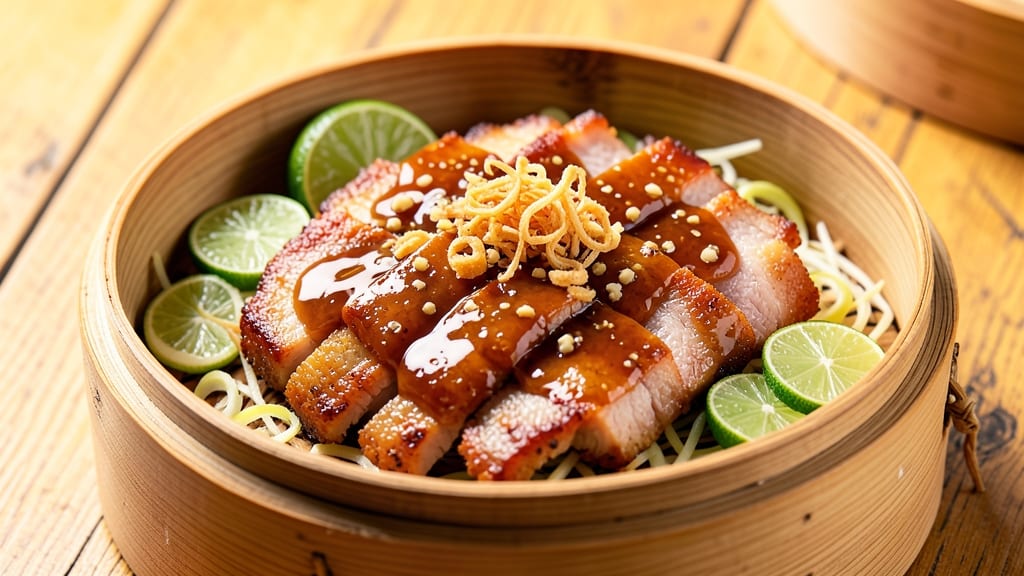
This babi pangang sauce recipe transforms simple grilled pork into a symphony of smoky-sweet flavors that define Filipino street food. The secret lies in balancing tangy calamansi, rich coconut milk, and fiery chili—each ingredient playing its part to create a sauce that clings to meat like liquid gold.
I’ve perfected this version after years of testing, ensuring every spoonful delivers that perfect harmony of sweet, sour, and umami.
The foundation begins with a fragrant paste of garlic, ginger, and shrimp paste (bagoong), toasted until aromatic. Then comes the magic: coconut milk simmers with vinegar and sugar until thickened, while chili peppers add just enough heat to wake up the flavors.
The sauce isn’t just for dipping—it’s the star, enhancing every bite of crispy, caramelized pork skin and tender meat underneath.
What makes this sauce truly special is its versatility. Use it to baste pork as it grills for maximum flavor, or serve it on the side for dipping. The balance of sweetness from coconut and sugar, tang from vinegar, and heat from chili creates a profile that’s addictive yet authentic.
Once you taste it, you’ll understand why this sauce is a staple at every Filipino karinderia.
Store it in the fridge for up to a week, or preserve it longer by canning—just ensure the sauce is fully cooled before sealing. The flavors only deepen over time, making this the perfect sauce to have on hand for spontaneous grilling sessions. Let’s make it.
Ingredients for babi pangang sauce
Nine ingredients, one unforgettable sauce—Filipino street food magic in your kitchen.
| Ingredient | Amount | Notes |
|---|---|---|
| Garlic Cloves 🧄 | 6 cloves | Minced finely for aromatic base |
| Fresh Ginger 🌿 | 2 tbsp | Grated, skin removed |
| Shrimp Paste (Bagoong) 🦐 | 1 tbsp | Filipino shrimp paste, not fish sauce |
| Coconut Milk 🥥 | 1 ½ cups | Full-fat for richness |
| Calamansi Juice 🍋 | ½ cup | Or substitute lime juice |
| White Vinegar 💧 | ¼ cup | For tangy balance |
| Granulated Sugar 🍚 | ¼ cup | Adjust to taste |
| Bird's Eye Chili Peppers 🌶️ | 3 whole | Adjust for heat preference |
| Salt 🧂 | 1 tsp | Kosher or sea salt |
| Black Peppercorns 🌶️ | ½ tsp | Freshly ground preferred |
The shrimp paste (bagoong) is non-negotiable—this is what gives the sauce its authentic umami kick. Grab it at Filipino markets or specialty Asian stores (the Golden Gate brand is my go-to). If you can't find it, anchovy paste at half the amount works in a pinch, but trust me, it's not the same. The garlic and ginger should be freshly minced—no pre-minced jarred stuff here. Toast them lightly in oil first to deepen their flavor, then mix with the shrimp paste until it forms a fragrant paste. This is your flavor foundation, so don't rush it.
No calamansi? Lime juice works but won't be identical—calamansi has that perfect sweet-tart balance. The chili peppers can be adjusted: remove seeds for less heat or keep them for serious kick. Bird's Eye chilies are traditional, but Thai bird's eye or serrano peppers work too. For the coconut milk, full-fat is essential—light versions won't give that creamy richness. If you're making this ahead, the sauce actually tastes better the next day as the flavors meld together (seriously, make extra).
This sauce keeps beautifully—1 week in the fridge sealed in a jar, or 3 months frozen if you want to prep ahead. The flavors only get better with time, so it's perfect for meal prep. For canning, follow standard procedures but ensure the sauce is fully cooled before sealing to prevent condensation. I like to store it in small jars so I can grab just what I need for a quick grilling session. The sauce thickens as it cools, so you might want to add a splash of water if it's too stiff when reheating.
Why You'll Love This Recipe
- No-Chop Nightmare: That shrimp paste and ginger? Just smash them with a spoon—no knife skills required. The garlic gets a quick fry until it’s golden and fragrant, then we’re done chopping. Honestly, the hardest part is peeling the garlic, and even that’s worth it.
- Umami Bomb: That shrimp paste—bagoong—is the secret weapon. It’s funky, salty, and deep all at once, then the coconut milk smooths it into something rich and velvety. Add a splash of calamansi, and suddenly you’ve got a sauce that’s bright, tangy, and impossible to resist.
- Leftovers? Better: This sauce keeps like a champ in the fridge for days, and it only gets deeper in flavor. Toss it with rice the next day, drizzle it over grilled pork chops, or even slather it on toast with a fried egg. I’ve made it three times in a row and still crave it.
- Budget Stretch: Garlic, ginger, shrimp paste—these are pantry staples that won’t break the bank. A can of coconut milk and a few calamansi make it feel fancy without the grocery bill. Between us, this is how I feed my whole family for under $10.
Step-by-step instructions for babi pangang sauce
Here's how to make this rich, smoky-sweet sauce that balances heat and coconut perfectly.
Bloom the Aromatics in a Hot Pan
Heat a large skillet over medium heat until it's hot but not smoking. Add the 6 cloves minced garlic cloves and 2 tablespoons grated fresh ginger, stirring constantly for 1-2 minutes until fragrant and just starting to turn golden. You'll smell that amazing garlic-ginger aroma—this is where the sauce builds its complex flavor base.
Watch carefully—don't let them burn. If they darken too quickly, reduce the heat slightly. The goal is to develop their flavors without adding bitterness. Once they're golden and sizzling, it's time for the next step, but keep the pan on heat—you'll be adding more ingredients immediately.
Add Shrimp Paste and Chili Peppers
Push the garlic-ginger mixture to one side of the pan and add 1 tablespoon shrimp paste (bagoong) to the empty space. Let it sizzle for 30 seconds until it develops a rich, nutty aroma—this is the umami bomb of the sauce. Then add the 3 whole bird's eye chili peppers, cutting them open with kitchen shears if they're too large to fit whole.
Stir everything together for 1 minute until the shrimp paste melts into the garlic-ginger mixture. You'll see the sauce start to darken slightly—that's exactly what you want. The chilies will soften but maintain their shape. If you prefer less heat, remove the seeds first, but I like the full flavor and spice that comes with them.
Deglaze with Vinegar and Sugar
Pour in the 0.25 cup white vinegar and 0.25 cup granulated sugar, stirring vigorously to scrape up all the browned bits from the bottom of the pan. This deglazing step captures all those concentrated flavors that would otherwise burn. Let the mixture simmer for 2-3 minutes until the vinegar smell disappears and the sugar begins to caramelize slightly.
You'll notice the sauce start to thicken and develop a glossy sheen—that's when you know it's working. The vinegar cuts through the richness while the sugar balances the acidity. If the sauce looks too thick at this point, you can add 1-2 tablespoons water to loosen it, but usually, it's just right for the next step.
Build the Coconut Milk Base
Pour in the 1.5 cups coconut milk and stir well to combine. Bring the mixture to a gentle simmer over medium-low heat, then reduce the heat to low and let it cook uncovered for 8-10 minutes. You want the sauce to thicken slightly but remain smooth and creamy.
Stir occasionally to prevent the sauce from sticking to the bottom. The coconut milk will separate a bit at first, but keep stirring—it will come back together into a luscious, velvety sauce. This is where the sauce develops its signature rich, tropical flavor. If you notice the sauce is too thin, simmer it longer; if it's too thick, add a splash more coconut milk.
Finish with Calamansi and Seasonings
Once the coconut milk has thickened, add the 0.5 cup calamansi juice, 1 teaspoon salt, and 0.5 teaspoon freshly ground black peppercorns. Stir well and let the sauce simmer for another 3-4 minutes until it's well combined and heated through.
The calamansi juice will brighten the sauce with its citrusy tang, balancing the richness of the coconut and the heat from the chilies. Taste and adjust the seasoning—you might want to add a bit more sugar if it's too tart, or a pinch more salt if needed. The sauce should be sweet, tangy, spicy, and rich all at once, with a perfect balance of all these flavors.
Pro Tips For Making Babi Pangang Sauce
- STIR CONSTANTLY AT FIRST: The sauce will splatter like a drunken firecracker when you add the shrimp paste—it’s that intense. Keep your spoon moving in a figure-eight pattern for the first 30 seconds to prevent burning, or you’ll end up with bitter, charred bits that ruin the whole dish.
- PEEL GINGER LIKE A PRO: Skip the knife for ginger—use a spoon’s back to smash it flat first, then scrape off the skin in long strips. Freshly grated ginger releases more oil and aroma than pre-peeled chunks, and it blends smoother into the sauce without clumping.
- DILUTE COCONUT MILK GRADUALLY: Don’t dump the full can of coconut milk at once—add it in two batches, stirring well after each. This prevents the sauce from splitting or turning greasy, especially if you’re using full-fat coconut milk. Thin layers let the flavors meld cleaner.
- TAMP THE SHRIMP PASTE: Press the shrimp paste into the hot oil with the back of a spoon before stirring. This ensures it melts evenly and infuses the oil properly, giving your sauce that deep, umami-rich base instead of floating clumps that taste undercooked.
Flavor customization for babi pangang sauce
Sweet Heat Balance
The core of this sauce lies in balancing sweetness, tang, and heat. Start by adjusting the granulated sugar—add 1-2 extra tablespoons if you prefer a sweeter sauce, or reduce to 0.2 cup for a sharper contrast.
For heat, remove chili seeds to cut spice by 30%, or add 1 extra chili for intensity. I often taste as I go, adding sugar first to mellow the heat before adjusting acidity. 🌶️
Coconut Milk Variations
Swap full-fat coconut milk for light coconut milk to cut richness, but expect a thinner sauce that needs 2-3 extra minutes of simmering. For a creamy, dairy-free alternative, blend ½ cup cashews + 1 cup water into the sauce—this adds texture while keeping the tropical flavor.
My go-to is Thai Kitchen coconut milk for its smooth consistency. 🥥
Tangy Twists
Replace calamansi juice with lime juice (equal parts) for a milder tang, or use lemon juice for a brighter finish. For depth, add 1 tbsp tamarind paste (dissolved in warm water) to intensify the sour notes.
I’ve also experimented with pineapple juice (½ cup) for a fruity, modern twist—great with spicy pork. 🍋
Umami Boosters
Deepening the umami is key. Add 1 tbsp soy sauce (Filipino toyo kalaw preferred) for saltiness, or 1 tsp fish sauce (like Red Boat) for a bolder punch. For a vegetarian option, stir in 1 tbsp miso paste at the end.
My secret? A pinch of MSG (½ tsp) elevates the sauce without altering flavor—just don’t tell anyone! 🦐
Spicy-Sweet Finishes
Finish with toasted sesame oil (½ tsp) for nutty depth or honey (1 tsp) to caramelize the sauce further. For smokiness, add ½ tsp smoked paprika or a dash of liquid smoke.
I love drizzling chili oil (store-bought or homemade) over the sauce right before serving—it adds a silky, fiery layer. ✨
Regional Adaptations
In Visayan-style, reduce sugar to 0.15 cup and add 1 tbsp vinegar for extra tang. For Bicolano flair, stir in 2 tbsp coconut curry paste and simmer longer. My favorite regional hack? A splash of banana ketchup (½ cup) for a nostalgic, sweet-spicy balance—trust me, it works. 🗺️
Nutrition facts
Frequently asked questions
Can I make this sauce without shrimp paste (bagoong)?
Yes, but the flavor won't be authentic. For a substitute, use 1 tbsp anchovy paste or 1 tsp fish sauce—both add umami, though shrimp paste has that unique Filipino depth. If you're vegetarian, try 1 tbsp soy sauce + ½ tsp miso paste for a similar savory kick.
How spicy should the sauce be?
The recipe uses 3 whole bird's eye chilies for a balanced heat. For mild heat, remove seeds and reduce to 2 chilies. For extra spice, add 1 more chili or ½ tsp chili flakes. Remember: the sauce thickens as it cools, so adjust before serving.
Can I use this sauce for other meats besides pork?
This sauce pairs beautifully with chicken, beef, or even seafood like shrimp or fish. The coconut and vinegar balance works especially well with fatty meats. For seafood, reduce cooking time to 5-7 minutes to prevent overpowering delicate flavors.
Why did my sauce separate?
This happens when coconut milk isn't stirred enough during cooking. Always stir gently but constantly while simmering. If it separates, whisk in 1 tbsp coconut milk and reheat for 1-2 minutes—it should re-emulsify. For prevention, use full-fat coconut milk and avoid rapid temperature changes.
How long can I store this sauce?
In the fridge, it lasts 1 week in an airtight container. For longer storage, freeze for up to 3 months. Thaw overnight in the fridge—never microwave directly. The sauce actually tastes better after 24 hours as flavors meld!