
Sauces & Condiments
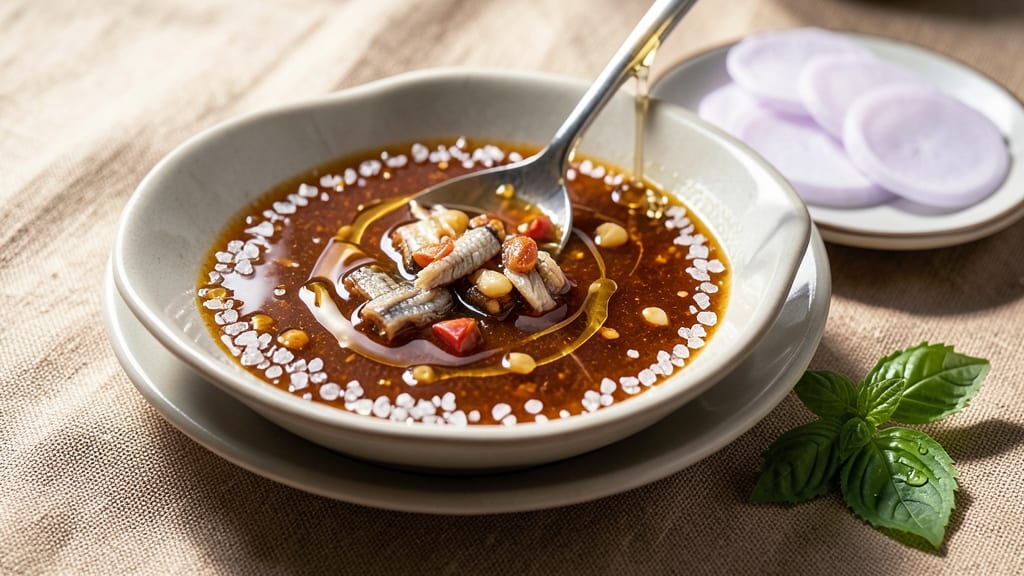
This Asian fish sauce recipe unlocks the authentic umami that elevates everything from stir-fries to marinades—no shortcuts, just pure fermentation magic. 🌟 The secret lies in balancing salty, sweet, and funky notes through careful fermentation, creating a liquid so versatile it transforms simple dishes into restaurant-worthy masterpieces.
Traditional fish sauce develops its signature depth over weeks, as anchovies and saltwork together to create complex, savory richness. We’ll guide you through the exact ratio of ingredients—anchovies, salt, and water—plus optional aromatics like garlic and shallots, to build layers of flavor without overpowering.
The result? A bold, balanced sauce that’s salty yet sweet, funky yet clean.
What makes this recipe stand out is its adaptability—use it as a dipping sauce, marinade, or finishing touch for soups and noodles. The fermentation process (or quick alternative) ensures you get that authentic depth without the fishy aftertaste.
Once bottled, it’ll keep for months, letting you build a pantry staple that’s always on hand.
Whether you’re a home cook or a seasoned chef, this fish sauce will become your secret weapon. Let’s get started—your taste buds (and future meals) will thank you.
Ingredients for asian fish sauce
Eight ingredients transform into the umami powerhouse that makes every dish sing.
| Ingredient | Amount | Notes |
|---|---|---|
| Anchovy Fillets 🐟 | 2 cups | Packed, high-quality preferred |
| Diamond Crystal Kosher Salt 🧂 | 1 ½ cups | Fine grain preferred |
| Water 💧 | 1 cup | Filtered or distilled preferred |
| Garlic Cloves 🧄 | 6 cloves | Minced, optional for depth |
| Shallots 🧅 | 2 whole | Thinly sliced, optional |
| Brown Sugar 🍯 | ¼ cup | Light or dark preferred |
| White Wine Vinegar 🍷 | ½ cup | Dry preferred |
| Fresh Ginger 🌿 | 1 inch | Thinly sliced, optional |
Anchovies are the heart of this sauce—look for high-quality fillets at Asian markets or well-stocked grocery stores like Whole Foods. The salt should be Diamond Crystal if possible (it dissolves cleaner), but any fine-grain kosher salt works. For the aromatics, garlic and shallots add layers of complexity, but skip them if you prefer a cleaner profile. Brown sugar balances the saltiness while adding subtle sweetness—light brown sugar dissolves more smoothly. Fresh ginger is optional but worth it for that bright, zesty kick.
No anchovies? High-quality fish stock works in a pinch, but the flavor won't be identical. Short on salt? Sea salt or soy sauce can bridge the gap, though the texture will differ. The vinegar can be swapped for rice vinegar or lime juice, but white wine vinegar gives the best balance. Brown sugar unavailable? Coconut sugar or maple syrup are decent substitutes. For a quicker version, skip fermentation and simmer everything together for 20 minutes—though it won’t develop the same depth.
This sauce ferments best in a sterilized glass jar with a loose lid, kept at 70-75°F for 2-4 weeks. Once ready, it’ll keep for up to a year in the fridge. For a shortcut, pasteurize by heating to 160°F for 10 minutes—this stops fermentation but preserves flavor. Store in a cool, dark place, and always use a clean spoon to avoid contamination. A little goes a long way—start with 1 teaspoon and adjust to taste.
Why You'll Love This Recipe
- Pantry Magic: I swear by this—no specialty stores, no fancy tools. Just anchovies, salt, and water. That’s it. The shallots and garlic? You’re probably already chopping them for dinner anyway.
- Umami Bomb: The moment the anchovies dissolve into the water, your kitchen smells like a bustling Bangkok street. Salty, funky, and deep—this isn’t just seasoning, it’s flavor explosion.
- Weeknight Swiss Army: Drizzle it on noodles, toss it in stir-fries, or even glaze grilled chicken. Honestly, I’ve used it in everything from ramen to marinades, and it never lets me down.
- Budget Game-Changer: A jar of store-bought fish sauce costs more than this makes for pennies. Plus, it keeps for months—so I batch it, freeze it, and never stress over takeout prices again.
Step-by-step instructions for crafting rich Asian fish sauce
This process transforms simple ingredients into a complex, balanced sauce with layers of umami.
🍳 Step 1: Create the Anchovy and Salt Base
In a heavy-bottomed saucepan, combine the 2 cups anchovy fillets and 1.5 cups Diamond Crystal kosher salt. I use a heavy pan here because we'll be heating this mixture slowly, and it prevents scorching. Add the 1 cup water and bring everything to a gentle simmer over medium-low heat.
Stir occasionally for 15-20 minutes until the anchovies completely dissolve and the mixture becomes a thick, opaque liquid. You'll notice the salt crystals dissolving first, followed by the anchovies breaking down into a rich, savory broth. This is where all the umami magic begins—don't rush this step. If you see any undissolved bits, keep stirring until everything integrates smoothly.
🍳 Step 2: Add Aromatics and Sweeteners
Once the anchovy-salt mixture is fully dissolved, reduce the heat to low and add the 6 cloves minced garlic, 2 whole thinly sliced shallots, and 1 inch thinly sliced fresh ginger. Stir gently to combine, letting these aromatics steep in the hot liquid for 5 minutes to release their flavors.
Next, whisk in the 0.25 cup brown sugar and 0.5 cup white wine vinegar. The vinegar will make the mixture bubble slightly—this is normal. Let it cook for another 5 minutes until the sugar dissolves completely and the mixture becomes glossy. This balance of sweetness and acidity is what gives authentic Asian fish sauce its signature complexity. Taste the mixture now—it should be intensely salty and umami-forward with bright acidity cutting through.
⏰ Step 3: Simmer and Reduce for Depth
Increase the heat to medium and bring the mixture to a gentle boil. Let it simmer uncovered for 20-25 minutes, stirring occasionally. You'll see the liquid reduce significantly as moisture evaporates, intensifying the flavors. The sauce should thicken to a syrupy consistency—it should coat the back of a spoon without being gluey.
Here's where the magic happens: the reduction process concentrates all the flavors. You're looking for a sauce that's dark amber in color with a thick, almost paste-like texture. It should smell like a complex dance of salty, sweet, and funky aromatics. If it's not reduced enough after 25 minutes, continue simmering until it reaches your desired consistency—just keep an eye on it to prevent burning.
🥘 Step 4: Strain and Bottle for Storage
Once the sauce has reached the perfect consistency, remove it from heat and let it cool slightly for 5 minutes. Line a fine-mesh strainer with cheesecloth or a coffee filter, then carefully pour the sauce through, pressing gently on the solids to extract every last drop of flavor. This step is crucial—it removes any remaining solids while preserving all the liquid goodness.
Transfer the strained sauce to clean glass bottles or jars, leaving about ½ inch of headspace at the top. Seal tightly and let it cool completely at room temperature before refrigerating. This homemade fish sauce will keep in the refrigerator for up to 3 months, though I find it develops even more complex flavors over time. Use it to elevate marinades, glaze meats, or drizzle over fresh spring rolls—just a little goes a long way!
Pro Tips For Making Asian Fish Sauce
- STEAM THE ANCHOVIES FIRST: Toss the fillets in a splash of water and bring to a gentle simmer for 3-4 minutes before mashing—this loosens the bones and makes them easier to strain out. I used to skip this and ended up with gritty sauce every time.
- MINCE SHALLOTS FINE: No food processor? Use the flat side of your knife to smash whole shallots against the cutting board, then finely chop—this releases more flavor than rough dicing. My grandmother did this, and the sauce tastes noticeably brighter.
- LOW AND SLOW SIMMER: Keep the heat at a barely bubbling simmer, not a rolling boil, or the garlic and shallots will burn before the anchovies render. I learned this the hard way—now I watch for tiny, consistent bubbles instead of rushing it.
- SALT IN LAYERS: Dissolve half the salt in the water first, then add the remaining salt after the anchovies have broken down. This prevents clumping and lets the salt fully integrate without clouding the sauce. (Yes, even if you’re impatient like me.)
Health benefits of these flavors
Umami Powerhouse
This fish sauce is a nutritional powerhouse packed with high-quality protein from anchovies—about 20 grams per 2 tablespoons—making it a great addition to vegetarian dishes where you need extra protein. The fermentation process also creates probiotics, supporting gut health and digestion. 💪
Rich in Amino Acids
The anchovies provide glutamate, the same compound that gives umami flavor and acts as a natural flavor enhancer in your dishes. This makes your food taste more satisfying without adding extra salt.
The salt content helps preserve the sauce while balancing flavors, but it's the amino acids that truly elevate your cooking.
Balanced Electrolytes
With sodium, potassium, and magnesium from the anchovies and salt, this sauce helps maintain proper electrolyte balance—especially useful after workouts or hot days. The brown sugar adds a touch of natural sweetness while providing trace minerals like calcium and iron. It’s a simple way to boost nutrition in everyday meals.
Versatile Health Booster
Use this sauce in marinades to tenderize meats while adding flavor, or drizzle it over vegetable stir-fries for a protein-rich boost. The vinegar in the recipe adds antioxidants, while the garlic and ginger provide anti-inflammatory benefits.
A little goes a long way—just ½ to 1 teaspoon can transform a dish.
Fermentation Benefits
If you ferment this sauce (instead of pasteurizing), you’ll unlock even more probiotic benefits, improving gut health and immune function. The fermentation process also breaks down proteins further, making the amino acids more bioavailable.
For a quicker version, pasteurizing still preserves most of these benefits while keeping the sauce shelf-stable for months. ✨
Low-Calorie Umami
Despite its bold flavor, this sauce is surprisingly low in calories—about 10-15 calories per teaspoon—making it perfect for flavor-packed, calorie-conscious cooking. The high umami content means you can use less salt in other dishes, reducing sodium intake while keeping flavors rich and satisfying.
It’s a win-win for health-conscious cooks!
Nutrition facts
Frequently asked questions
Can I make this fish sauce without anchovies?
While anchovies are traditional, you can substitute with high-quality fish stock (like from mackerel or sardines) or even shrimp paste for a similar umami depth. Just reduce the liquid by half since stock is less concentrated. For a vegetarian option, use soy sauce or mushroom powder (like shiitake) but expect a milder flavor.
How do I know when my fish sauce is ready?
Fermented fish sauce develops its signature funk over 2-4 weeks at 70-75°F. It's ready when it smells sweet, briny, and slightly tangy—like a mix of sea air and garlic. If it smells overly fishy or sour, it needs more time. For pasteurized versions, reduce until it reaches a syrupy consistency (coats the back of a spoon).
What's the difference between fermented and pasteurized fish sauce?
Fermented sauce develops complex probiotic flavors over weeks, with deeper umami and funk. Pasteurized sauce (heated to 160°F for 10 minutes) stops fermentation but keeps a cleaner taste—ideal for beginners. Fermented versions last 1+ years in the fridge, while pasteurized lasts 3-6 months.
Can I use this sauce in vegetarian dishes?
This sauce adds umami depth to vegetarian dishes like stir-fries, noodles, or marinades. Use it sparingly (½ teaspoon) to avoid overpowering. For a vegan version, replace anchovies with soy sauce + mushroom powder. The garlic, ginger, and vinegar still shine in plant-based cooking!
Why does my fish sauce smell so strong?
That's normal! The fermentation process releases volatile compounds that create a pungent aroma. If it smells rotten or ammonia-like, it's spoiled (discard it). A good fish sauce should smell funky but pleasant—like a mix of seafood, garlic, and vinegar. Always store in a sealed, sterilized container to prevent contamination.