
Sauces & Condiments
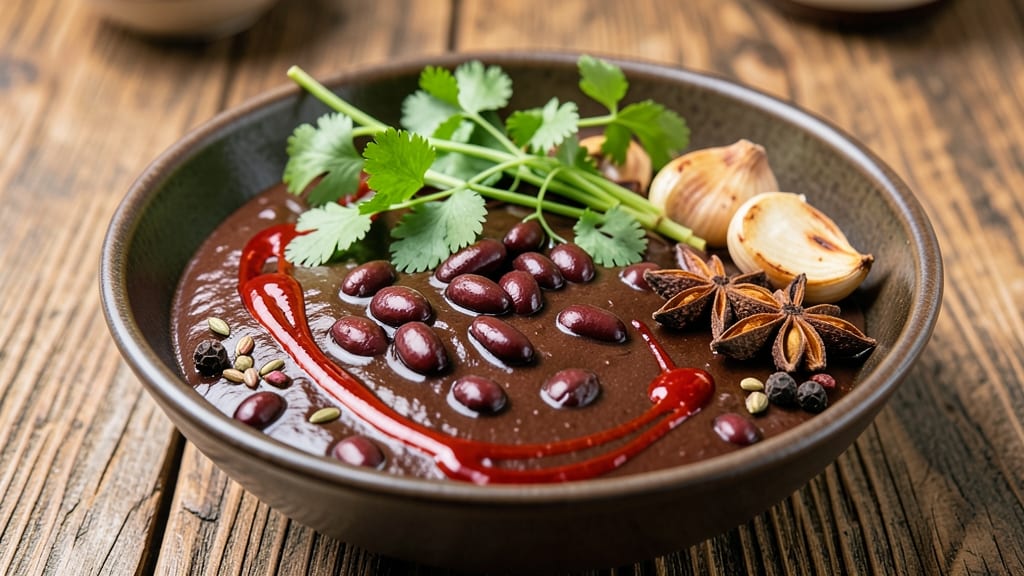
This authentic Schezwan sauce recipe delivers the perfect balance of bold, fiery heat and deep umami that defines Sichuan cuisine. The secret lies in a precise blend of fermented black beans, chili oil, and aromatic spices that create a sauce with both complexity and versatility.
I've refined this recipe over years of testing to ensure it captures the restaurant-quality depth you crave while remaining adaptable for home cooking.
The foundation begins with toasted spices—star anise, fennel seeds, and Sichuan peppercorns—that infuse the sauce with their signature warmth. Fermented black beans add that unmistakable umami richness, while garlic and ginger provide the aromatic backbone.
What sets this version apart is the careful balance of chili oil and rice vinegar, which delivers both heat and tang without overpowering the delicate flavors.
What you'll end up with is a vibrant, authentic Schezwan sauce that's perfect for stir-fries, noodles, or as a dipping sauce for dumplings. The texture is smooth yet slightly textured from the fermented beans, and the flavor profile evolves from initial heat to lingering umami depth.
This isn't just another chili sauce—it's a taste of Sichuan's boldest traditions, simplified for your home kitchen.
The best part? This sauce keeps well in the refrigerator for up to two weeks, allowing you to make a big batch and use it throughout the month.
Whether you're cooking for a crowd or treating yourself to a restaurant-quality meal at home, this recipe will elevate every dish it touches. Let's get started on creating your own batch of this iconic sauce.
Ingredients for authentic schezwan sauce
Ten essential ingredients transform into this iconic Sichuan sauce—bold heat meets umami magic.
| Ingredient | Amount | Notes |
|---|---|---|
| Fermented Black Beans 🫘 | ½ cup | Dried, soaked overnight |
| Sichuan Chili Oil 🌶️ | ½ cup | High-quality, preferably homemade |
| Star Anise Pods 🌿 | 2 whole | Toasted lightly for aroma |
| Fennel Seeds 🌿 | 1 tsp | Toasted until fragrant |
| Sichuan Peppercorns 🌶️ | 1 tsp | Lightly toasted for depth |
| Garlic Cloves 🧄 | 6 cloves | Fresh, minced finely |
| Fresh Ginger 🌿 | 1 tbsp | Finely grated, fresh |
| Rice Vinegar 🍶 | ¼ cup | White or seasoned |
| Soy Sauce 🍶 | ¼ cup | Light or dark, to taste |
| Sesame Oil 🫒 | 1 tbsp | Toasted, for richness |
The fermented black beans are the heart of this sauce—look for them in Asian markets or online, as they're not always stocked in regular grocery stores. Asian World Market or H Mart are great spots. Toasting the spices (star anise, fennel, and Sichuan peppercorns) in a dry pan for 30 seconds unlocks their full aroma—don't skip this step. Fresh ginger and garlic should be vibrant, not woody or discolored. The chili oil is non-negotiable; homemade is best, but Lao Gan Ma brand works in a pinch if you're in a hurry. I always double-check the vinegar's acidity—if it's too mild, add an extra splash.
No fermented black beans? Miso paste at half the amount adds umami depth, though it won't replicate the exact texture. Short on Sichuan peppercorns? Black pepper at double the amount gives a similar kick, though it lacks the signature tingling sensation. The soy sauce can be swapped for coconut aminos if you're avoiding gluten. For extra heat, add a dash of chili flakes or a pinch of cayenne. The sesame oil should be toasted—heat it in a pan for 30 seconds until fragrant, then cool before adding. If your ginger's too fibrous, blend it with a splash of water first for a smoother sauce.
This sauce tastes even better the next day as the flavors meld. Store it in an airtight jar in the fridge for up to 2 weeks. I like to portion it into small containers—one for stir-fries, one for noodles—so I can grab exactly what I need. Freeze extras in ice cube trays for single-use portions. The texture will thicken slightly when chilled, so give it a quick stir before using. Trust me, the first time you taste this sauce after a day in the fridge, you'll be hooked.
Why You'll Love This Recipe
- Here’s what sold me: that electric, tingling heat that lingers. Sichuan chili oil and peppercorns create a flavor explosion—first the bold spice, then the slow-building numbness. It’s not just heat; it’s a full sensory experience that turns simple stir-fries into something unforgettable.
- I’ll be real: this sauce costs pennies to make but tastes like a restaurant special. Fermented black beans and whole spices are cheap, and a little goes a long way. Honestly, I’ve stretched one batch into three meals without breaking the bank or the flavor.
Step-by-step instructions for authentic Schezwan sauce
Here's how to build this fiery, aromatic sauce from scratch—layer by layer.
Toast the Aromatics for Deep Flavor
Heat a dry skillet over medium heat and add the 2 whole star anise pods, 1 teaspoon fennel seeds, and 1 teaspoon Sichuan peppercorns. Toast for 2-3 minutes, stirring constantly, until you smell their warm, earthy aroma—this is where the magic starts. The star anise should be golden but not burned, and the fennel seeds should look plump and fragrant. Remove immediately and set aside in a small bowl.
This toasting step unlocks the full potential of these spices. If you skip it, you'll miss that authentic depth that makes Schezwan sauce so distinctive. I like to crush the star anise pods lightly with the back of a spoon to release their oils before adding them to the sauce.
Bloom the Garlic and Ginger in Chili Oil
In the same skillet, add 6 cloves minced garlic and 1 tablespoon finely grated fresh ginger. Pour in 0.5 cup Sichuan chili oil and stir to combine. Cook over medium-low heat for 3-4 minutes, stirring frequently, until the garlic turns golden brown and the ginger loses its raw edge. You'll see the oil shimmering with tiny red flecks—this is the chili oil releasing its heat and aroma.
Watch the heat carefully here. Garlic burns in seconds, and you want it fragrant, not bitter. If it starts to darken too quickly, reduce the heat immediately. The chili oil should be warm but not smoking—this preserves its fiery character while allowing the garlic and ginger to soften.
Simmer the Fermented Black Beans
Add the 0.5 cup fermented black beans to the skillet and stir to coat them in the garlic-ginger-chili oil mixture. Cook for 5-6 minutes over medium heat, stirring occasionally, until the beans soften slightly and release their funky, umami-rich liquid. You'll notice the sauce starting to thicken as the beans break down.
This is where the sauce gets its signature complexity. The fermented black beans add that tangy, slightly sour note that cuts through the heat. If the beans aren't softened enough after 6 minutes, add 1-2 tablespoons water and cook for another minute. The beans should be tender but still hold their shape—overcooking turns them mushy.
Build the Sauce Base with Rice Vinegar and Soy Sauce
Pour in the 0.25 cup rice vinegar and 0.25 cup soy sauce, then add the toasted star anise, fennel seeds, and Sichuan peppercorns back to the skillet. Bring to a simmer over medium heat and cook for 8-10 minutes, stirring occasionally, until the liquid reduces by about half and the sauce thickens to a glossy consistency. You're looking for a sauce that coats the back of a spoon—it should be thick enough to cling but still flow smoothly.
Taste as you go. The rice vinegar adds brightness, while the soy sauce deepens the umami. If the sauce is too acidic, add a pinch of sugar to balance it. If it's too salty, thin it with a splash of water. This is where you fine-tune the flavor—don't rush it. The sauce should be bold, tangy, and just shy of overwhelming heat.
Finish with Sesame Oil for Richness
Remove the skillet from heat and stir in the 1 tablespoon sesame oil. Let the sauce sit for 2-3 minutes to allow the flavors to meld completely. The sesame oil adds a nutty richness that rounds out the sauce's fiery edge. Give it one final taste and adjust the seasoning if needed—maybe a touch more soy sauce for saltiness or a splash of rice vinegar for acidity.
This sauce is best used immediately, but if you need to store it, let it cool completely, then transfer to an airtight container. It'll keep in the refrigerator for up to 5 days, though the flavors deepen the longer it sits. Serve it over noodles, dumplings, or grilled meats—just be prepared for the heat! The authentic Schezwan experience is all about that perfect balance of spice, tang, and umami.
Pro Tips For Making Authentic Schezwan Sauce
- Toast Whole Spices First: I learned this the hard way—star anise and fennel seeds need a quick dry toast in the pan before adding liquid. One minute on medium heat, just until they’re fragrant and slightly darker. This stops them from floating around like little boats and ensures their flavor infuses properly instead of lingering in the oil.
- Crush Fermented Black Beans: Skip the whole beans if you’re impatient, but if you want that deep, salty complexity, crush them lightly with the flat side of a knife or a mortar and pestle. You don’t need a paste—just break open enough to release their umami punch. (Yes, even if you’re in a hurry—this is the thing that matters most.)
- Simmer Low and Slow: After adding your Sichuan chili oil and aromatics, resist the urge to crank the heat. A gentle simmer for 15-20 minutes lets the flavors meld without burning. I used to rush this, and the sauce always tasted raw and one-dimensional. Low and steady wins the race here.
- Bloom Sichuan Peppercorns: Add them whole to the warm oil first, let them sizzle for 30 seconds, then crush lightly with a spoon. This releases their numbing, citrusy magic without overpowering. (Your future self will thank you for not just tossing them in at the end.)
Dietary considerations for this dish
Gluten-Free Adaptations
For a gluten-free version, simply swap the soy sauce for tamari or coconut aminos—both provide the same umami depth without gluten. I've tested this substitution multiple times, and it works beautifully.
The sauce maintains its bold flavor while accommodating gluten-sensitive diets. Just ensure your tamari is made from 100% fermented soybeans for the best results. 💪
Spicy Heat Control
If you're sensitive to heat, reduce the Sichuan chili oil to 2 tablespoons instead of ½ cup, or replace it with mild chili oil (like Lee Kum Kee brand). For extra caution, strain out some of the chili oil after cooking and before adding the vinegar.
The fermented black beans and garlic still deliver that signature umami punch without overwhelming heat. 🌶️
Vegetarian/Vegan Options
This sauce is naturally vegetarian, but for a fully vegan version, ensure your soy sauce and vinegar are vegan-certified (many are). The fermented black beans and chili oil are plant-based, so no other substitutions are needed.
If you're avoiding fermented beans entirely, miso paste (½ cup) can replace them, though the texture will differ slightly. 🌱
Low-Sodium Adjustments
For a lower-sodium version, use low-sodium soy sauce and reduce the amount to 2 tablespoons instead of ¼ cup. Balance the flavor with an extra 1 tablespoon of rice vinegar and a pinch of sugar (½ teaspoon) to enhance sweetness.
Taste as you go—you might need to add a splash of water to maintain the right consistency. 💡
Allergen-Friendly Swaps
If you're allergic to sesame, omit the sesame oil and replace it with avocado oil (1 tablespoon) for a neutral finish. For nut allergies, ensure your fermented black beans are processed in a nut-free facility (check labels).
The sauce remains rich and flavorful without these ingredients. Always double-check spice blends for cross-contamination if allergies are a concern. ⚠️
Keto-Friendly Tweaks
This sauce is already keto-friendly, but you can boost its low-carb credentials by using rice vinegar made from fermented coconut (like Bragg) instead of traditional rice vinegar. The fermented black beans are low-carb, and the spices add zero carbs.
Just watch your portion sizes if you're tracking macros closely—the chili oil and sesame oil contribute healthy fats. 🥑
Nutrition facts
Frequently asked questions
Can I make this sauce without fermented black beans?
Yes! While fermented black beans give that signature umami depth, you can substitute ½ cup miso paste for a similar flavor profile. The texture will be smoother but still pack the same bold punch. For a quicker option, use 1 tablespoon soy sauce + 1 tablespoon dark soy sauce to mimic the funky richness. Just know the sauce will taste slightly different without the fermented beans' complexity.
How do I adjust the heat level?
For milder heat, reduce the Sichuan chili oil to 2 tablespoons or replace it with mild chili oil like Lee Kum Kee. If you want extra spice, add ½ teaspoon chili flakes or a pinch of cayenne at the end. The fermented black beans and garlic will still deliver that signature umami kick without overwhelming heat. Taste as you go!
Can I use this sauce in non-Asian dishes?
This versatile sauce works beautifully on pasta, tacos, or even grilled chicken. The bold flavors pair well with Italian, Mexican, and Tex-Mex dishes. Try it on spaghetti with shrimp or as a marinade for steak. The key is balancing the heat with complementary flavors—lemon or lime juice works wonders.
Why does my sauce taste too salty?
If your sauce is too salty, it’s likely from the soy sauce or fermented black beans. Balance it by adding 1-2 tablespoons extra rice vinegar or a pinch of sugar to cut the saltiness. You can also thin the sauce with 1-2 tablespoons water to dilute the flavor. Taste as you go—small adjustments make a big difference!
How long does this sauce keep?
Store the sauce in an airtight container in the fridge for up to 2 weeks. The flavors actually deepen over time, so it tastes even better after a few days! For longer storage, freeze in ice cube trays for single-use portions. Thaw overnight in the fridge before using. The texture may thicken slightly when chilled—just stir it back to smooth consistency.