
Sauces & Condiments
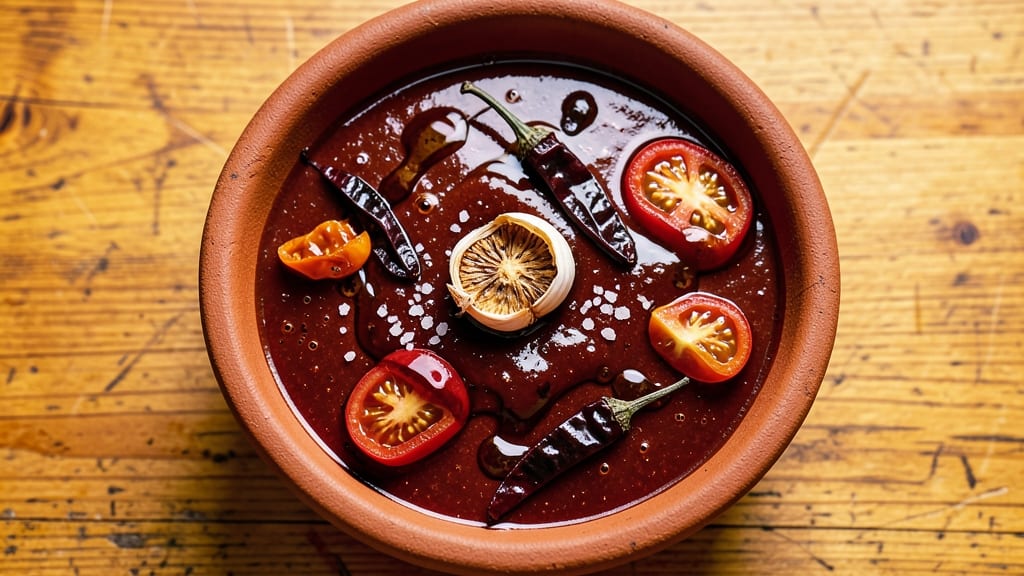
This authentic chili sauce transforms simple ingredients into a smoky, spice-infused condiment that elevates everything from tacos to grilled meats. The secret lies in balancing heat, acidity, and sweetness—just like the sauces you find in authentic Mexican kitchens.
What sets this recipe apart is the slow simmering process, which deepens the flavors and creates that signature thick, velvety texture.
With just 10 ingredients and 30 minutes of active time, you'll create a sauce that's versatile enough for dipping, marinating, or drizzling. The key is using a blend of dried chiles (like ancho and guajillo) for smokiness, combined with vinegar for tang and brown sugar for balance.
This isn't just another chili sauce—it's a flavor bomb that stays with you long after the last bite.
Perfect for weeknight dinners or meal prep, this sauce keeps well in the fridge for up to 2 weeks, letting flavors meld even more over time.
Whether you're serving it with crispy tacos, grilled shrimp, or as a marinade for chicken, the depth of flavor will impress even the most discerning eaters. The instructions are straightforward, but the results are anything but ordinary.
For those who love to experiment, try swapping in different chiles for heat levels or adding a splash of lime juice for brightness. The possibilities are endless, but the foundation remains the same—authentic, bold, and impossible to resist. Let's get started on creating your own batch of this versatile sauce.
Ingredients for authentic chili sauce
Ten ingredients for a sauce that tastes like a trip to Mexico.
| Ingredient | Amount | Notes |
|---|---|---|
| Dried Ancho Chiles 🌶️ | 2 whole | Stems and seeds removed |
| Dried Guajillo Chiles 🌶️ | 2 whole | Stems and seeds removed |
| Tomatoes 🍅 | 2 cups | Ripe, Roma or vine-ripened |
| White Vinegar 💧 | ½ cup | White or apple cider |
| Brown Sugar 🍯 | ¼ cup | Light or dark variety |
| Garlic Cloves 🧄 | 4 cloves | Peeled, rough chopped |
| Cumin Seeds 🌿 | 1 tbsp | Toasted for depth |
| Ground Cumin 🌿 | 1 tsp | For extra earthiness |
| Salt 🧂 | 1 tsp | Kosher or sea salt |
| Olive Oil 🫒 | 2 tbsp | Extra-virgin preferred |
The chiles are non-negotiable—ancho and guajillo give that signature smoky-sweet balance. Mexican markets or specialty stores have the best selection, but most grocery stores carry them too. Look for vibrant, slightly plump chiles (not brittle or shriveled). Toast them lightly in a dry pan before soaking to deepen their flavor—30 seconds per side is perfect. If you can't find ancho, pasilla chiles work as a substitute, though they're more bitter. Guajillo is trickier—Trader Joe's often carries them, or order online from Chili Pepper Madhouse.
No vinegar? Lime juice or white wine works in a pinch, though the tang won't be identical. Brown sugar too sweet? Maple syrup or agave at half the amount keeps it vegan-friendly. The garlic can be roasted for a mellower flavor—wrap whole cloves in foil with the chiles before toasting. Cumin seeds must be toasted (smell the difference!), but if you're short on time, ground cumin is fine. Olive oil adds richness, but avocado oil has a higher smoke point if you're searing anything with the sauce later.
This sauce gets better with time—2 weeks in the fridge, 3 months frozen. Store in a clean glass jar with a tight seal. For longer shelf life, add a thin layer of olive oil on top before sealing. Double the batch and freeze half—perfect for gifting or future tacos. Thin with water or broth if it gets too thick. The flavors meld beautifully over time, so don't rush it.
Why You'll Love This Recipe
- No-Standard-Spice Shopping: I only need two dried peppers and a can of tomatoes—no specialty aisles or confusing labels. Honestly, my local grocery’s Mexican section has everything I need, and I’ve never had to improvise.
- Sweet Heat Balance: That brown sugar and vinegar combo? It’s the magic. The ancho and guajillo give deep, smoky warmth, but the acidity and sweetness cut through it—like a hug for your taste buds that doesn’t overpower.
- Pantry Staple Powerhouse: I make a big batch and use it for tacos, grilled meats, even scrambled eggs. Between us, it’s the reason my slow-cooker chili and roasted veggies always taste next-level—and I didn’t even try.
- Lasts for Months: I freeze it in ice cube trays for dashes here and there, and a jar on my shelf stays fresh for weeks. Not the prettiest, but the taste makes up for it—especially when I’m lazy and just drizzle it on toast.
Step-by-step instructions for authentic chili sauce
This smoky, tomato-based sauce delivers the depth of traditional Mexican flavors—perfect for dipping or marinating.
Toast and Rehydrate the Dried Chiles
Heat a dry skillet over medium heat and toast the 2 whole dried ancho chiles and 2 whole dried guajillo chiles for 30 seconds per side until fragrant but not burnt. This awakens their natural flavors without charring them. Immediately transfer the chiles to a bowl and cover with 2 cups hot water (not boiling) to rehydrate for 15 minutes.
While they soak, the chiles will soften and release their deep, smoky essence into the water. This step is crucial—skipping it results in a dull, underwhelming sauce. After 15 minutes, drain the chiles, reserving the soaking liquid, and carefully remove the stems and seeds. The chiles should now be pliable enough to blend smoothly.
Build the Sauce Base with Tomatoes and Aromatics
In a blender, combine the rehydrated chiles, 2 cups tomatoes, 0.5 cup white vinegar, 0.25 cup brown sugar, 4 cloves rough-chopped garlic, 1 tbsp toasted cumin seeds, 1 tsp ground cumin, and 1 tsp salt. Blend until completely smooth, scraping down the sides as needed. The mixture should have a thick, velvety consistency—this is your sauce’s foundation.
I like to toast the cumin seeds first in the same dry skillet used for the chiles, just until they darken slightly and release their nutty aroma. This extra step adds a layer of complexity that separates this sauce from basic versions. The vinegar brightens the flavors while balancing the sweetness of the brown sugar, creating a perfect harmony.
Simmer and Refine the Sauce
Transfer the blended mixture to a saucepan and cook over medium-low heat for 20-25 minutes, stirring occasionally, until the sauce thickens slightly and reduces by about one-third. You’ll notice the aroma deepen as the flavors meld together—this is where the magic happens. If the sauce becomes too thick before it’s fully reduced, add 2-3 tablespoons of the reserved chile soaking liquid to loosen it.
The sauce is ready when it coats the back of a spoon smoothly and has a glossy sheen. Taste and adjust seasoning—you may need a pinch more salt or sugar to balance the acidity. Here’s the thing: authentic chili sauce should have a complex interplay of smoky heat, sweetness, and tang. If it tastes one-dimensional, you’ve missed a step.
Finish with Olive Oil for Richness
Remove the sauce from heat and stir in the 2 tbsp olive oil. This final step adds a luxurious finish and helps the sauce cling better to foods. Let it cool slightly—this allows the flavors to settle and deepen. The sauce will thicken further as it cools, so don’t worry if it looks too thin while warm.
For best results, let the sauce rest for at least 1 hour before using. This resting period allows the flavors to fully develop and the texture to stabilize. Store any leftovers in an airtight container in the refrigerator for up to 2 weeks, or freeze for up to 3 months. The longer it sits, the more complex and delicious it becomes.
Pro Tips For Making Authentic Chili Sauce
- REMOVE STEMS FIRST: I learned this the hard way—skipping the stem removal from ancho and guajillo chiles leaves a bitter, sandy texture that ruins the smooth finish. Use a small knife to slice open the peppers, then scrape out the stems and veins with your fingernail; don’t just rinse them. The extra 2 minutes makes all the difference.
- SIMMER LOW AND LONG: After burning three batches, I finally figured out: this sauce needs gentle heat. Once the tomatoes and chiles hit the pot, reduce to a bare simmer—think tiny bubbles, not rolling. High heat turns the guajillo’s natural sweetness into ash. Cover and let it melt together for at least 20 minutes, stirring occasionally.
- STRAIN THE SKINS: Sounds weird, but it works: after roasting the tomatoes (whole, in their skins), plunge them into ice water for 30 seconds to loosen the skins. Peel them off before blending—this keeps the sauce silky, not grainy. I know, I know, it’s extra work, but your future self will notice the difference.
- VINEGAR LAST, NOT FIRST: My grandmother swore by this, and she was right: add the white vinegar after the sauce has simmered and blended. Tossing it in early makes the acid fight the chiles’ oils, muting their depth. Stir it in at the end, let it mingle for just 2 minutes, then taste—balance the sweetness with a splash more if needed.
Creative variations of authentic chili sauce
Mexican Street Style
For a bolder, brighter version, add 1 tbsp lime juice and ½ tsp smoked paprika to the finished sauce. This mimics the vibrant flavors of street carts in Oaxaca.
I like to serve it with tostadas or as a marinade for grilled chicken. The acidity cuts through the richness, making it perfect for hot days. 🌶️
Thai-Inspired Chili Sauce
Swap the tomatoes for 1 cup coconut milk and add 1 tbsp fish sauce and 1 tsp shrimp paste (like Red Boat) for an authentic Thai twist. Use bird’s eye chiles instead of ancho/guajillo for extra heat.
This version pairs beautifully with pad thai or grilled shrimp skewers. The umami depth from the fish sauce elevates everything.
Sweet and Tangy BBQ Glaze
Reduce the vinegar to ¼ cup and add ¼ cup molasses or blackstrap syrup for a smoky-sweet BBQ sauce. Stir in 1 tsp chipotle powder for heat and use it as a glaze for pulled pork or ribs.
The deep caramel notes make it ideal for slow-cooked meats. Trust me, this is a game-changer for your next cookout. 🔥
Spicy Sriracha-Inspired
Blend in 2 tbsp sriracha and 1 tsp honey after simmering for a quick, restaurant-quality sauce. This version is perfect for dipping spring rolls or drizzling over fried rice.
The balance of heat and sweetness makes it addictive. For extra depth, add a pinch of white pepper—it adds a subtle complexity that ties everything together.
Smoky Chipotle Marinade
Double the cumin and add 1 canned chipotle pepper in adobo sauce (minced) for a marinade that works wonders on steak or pork. Let the meat marinate for at least 4 hours before grilling.
The smoky, spicy flavors penetrate deep, creating a crust that’s impossible to resist. This is my go-to for summer BBQs—it’s always a crowd-pleaser. ✨
Vegan-Friendly Adaptation
Replace the brown sugar with agave nectar and use vegan olive oil to keep it plant-based. The flavor profile stays rich and complex, perfect for vegan tacos or as a dipping sauce for veggie spring rolls.
I’ve found that Trader Joe’s agave works perfectly—it’s smooth and doesn’t overpower the other ingredients.
Nutrition facts
Frequently asked questions
Why do I need to toast the dried chiles?
Toasting the chiles awakens their deep, smoky flavors without burning them. This 30-second toast per side releases essential oils that give your sauce that authentic, complex taste. Skipping this step results in a dull, one-dimensional flavor—think of it as the difference between a good cup of coffee and a great one.
Can I adjust the heat level in this recipe?
For milder heat, remove the seeds and veins from the chiles before blending. For extra spice, add 1-2 dried arbol chiles (they're tiny but fiery) or a pinch of cayenne. Remember, you can always add more heat later, but you can't remove it once it's in. Start with the recipe as written and adjust to taste.
How can I use this chili sauce beyond dipping?
This versatile sauce works as a marinade for grilled meats, a glaze for roasted vegetables, or even a base for homemade hot sauce. Try mixing it with mayo for a quick spicy aioli, or drizzle it over tacos al pastor. The possibilities are endless—think of it as your secret weapon for adding depth to any dish.
What if my sauce turns out too thin?
Simmer it uncovered for 5-10 more minutes to reduce the liquid. If that doesn't work, mix 1 tsp cornstarch with 1 tbsp water, stir it in, and cook for another 2 minutes. The sauce should thicken nicely. For a smoother texture, blend again briefly after simmering. Patience is key—let it cool before judging thickness, as it often sets up as it cools.
Can I make this sauce without a blender?
Yes, but with some extra effort! Finely chop the rehydrated chiles and tomatoes by hand, then cook everything together in the saucepan. Mash with a potato masher until smooth, then strain through a fine-mesh sieve to remove any remaining chunks. The texture won't be as silky, but it'll still taste amazing. This method works well if you're short on time or equipment.