
Sauces & Condiments
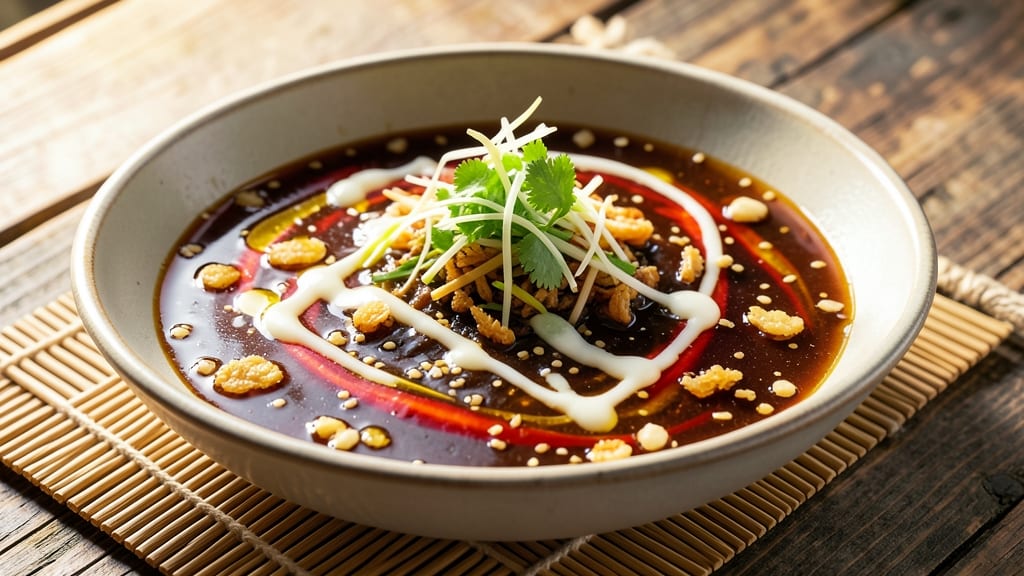
This authentic Asian stir-fry sauce transforms ordinary stir-fries into restaurant-quality meals with just five ingredients. The secret lies in balancing salty soy sauce with sweet, umami-rich oyster sauce, then reducing it to a glossy, concentrated flavor bomb.
I perfected this recipe after years of testing—it’s the one sauce I reach for when I want that deep, complex taste without complicated ingredients.
The magic happens during the simmering process, where the garlic and ginger infuse the sauce with aromatic depth. Unlike store-bought versions, this sauce builds layers of flavor—savory from the soy, sweet from the sugar, and a touch of acidity from the rice vinegar.
It’s foolproof, requiring no special techniques beyond patience and a few minutes on the stove.
What you’ll end up with is a glossy, umami-packed sauce that clings to every bite of your stir-fry, vegetables, or noodles. The best part? It keeps well in the fridge for up to a week, so you can make a big batch and use it all week.
Whether you’re cooking for a family dinner or meal prepping, this sauce elevates everything it touches.
For extra depth, add a splash of sesame oil at the end, or adjust the heat with a dash of chili flakes. The possibilities are endless—let’s get cooking with this authentic, versatile sauce that’s sure to become a staple in your kitchen.
Ingredients for authentic asian stir fry sauce
Five ingredients that pack restaurant-level umami punch into every stir-fry.
| Ingredient | Amount | Notes |
|---|---|---|
| Light Soy Sauce 🥢 | ½ cup | Kikkoman preferred for authentic flavor |
| Oyster Sauce 🦪 | ¼ cup | Lee Kum Kee brand recommended |
| Rice Vinegar 🍶 | ¼ cup | Seasoned variety adds depth |
| Granulated Sugar 🍚 | 2 tbsp | White or brown works equally |
| Sesame Oil 🫒 | 1 tbsp | Toasted sesame oil for aroma |
| Garlic Cloves 🧄 | 4 cloves | Freshly minced for maximum punch |
| Fresh Ginger 🧅 | 1 ½ tbsp | Finely grated, not powdered |
| Chili Flakes 🌶️ | ½ tsp | Adjust for heat preference |
The Lee Kum Kee oyster sauce is non-negotiable here—it's the umami powerhouse that separates homemade from store-bought. Grab the bottle with the red label from any Asian market or well-stocked grocery store. For the soy sauce, Kikkoman is my go-to, but any light soy will work. Fresh ginger and garlic are worth the extra minute to prep—powdered versions just can't match the aromatic depth. If you're short on time, pre-minced garlic from the jar works in a pinch, but fresh is always better. The sesame oil might seem like an afterthought, but that toasted aroma is what makes this sauce sing.
No oyster sauce? Double the soy sauce and add 1 tbsp of fish sauce for umami, though it won't be identical. Fresh ginger too fibrous? Substitute with 1 tsp ground ginger, but you'll lose some of that bright, zesty kick. The chili flakes are optional but recommended—they add just enough heat to balance the sauce's sweetness. For extra depth without extra ingredients, add 1 tsp of miso paste when simmering. And if you're feeling adventurous, swap the rice vinegar for 1 tbsp of mirin for a sweeter, fruitier note that pairs beautifully with seafood stir-fries.
This sauce keeps beautifully—up to 1 week in the fridge sealed in a jar. For longer storage, freeze in ice cube trays and transfer to a bag—just thaw what you need. I always make a double batch because it disappears fast. The sauce thickens as it cools, so stir in 1 tsp of water if it gets too stiff before using. A splash of sesame oil at the end right before serving adds that final aromatic punch. Trust me, the first time you taste this sauce on your stir-fry, you'll never go back to bottled versions.
Why You'll Love This Recipe
- Pantry Magic: I swear by this sauce because it uses what I already have—no special shopping trips. Light soy and oyster sauce team up with a splash of rice vinegar to deliver that signature umami punch, while a teaspoon of sugar cuts through the richness. Honestly, I’ve made it at least 20 times, and I never tire of the simplicity.
- Umami Bomb: That first spoonful of sesame oil hitting the pan? Instant flavor upgrade. The oyster sauce adds depth, the soy brings saltiness, and the vinegar brightens everything up—like a little Asian flavor symphony in your mouth. Between us, this sauce makes even basic veggies taste like they came from a dim sum cart.
- Weeknight Superstar: I toss this together in 5 minutes when I’m starving and need dinner fast. It works with chicken, tofu, noodles, or whatever’s in the fridge—no stress, no fuss. My kids even ask for it on busy nights, and that’s saying something.
- Budget-Friendly Powerhouse: A single jar of oyster sauce stretches across multiple meals, and sesame oil lasts forever. The sugar and vinegar? Cheap staples. I make big batches, store them in the fridge, and use it for stir-fries, marinades, or even drizzling over rice. It’s my secret weapon for eating well without breaking the bank.
Step-by-step instructions for authentic Asian stir fry sauce
Here's how to create this umami-packed sauce that transforms ordinary stir-fries into restaurant-quality masterpieces.
Mince the Aromatics with Precision
Start by finely mincing the 4 cloves garlic and 1.5 tablespoons fresh ginger using a sharp chef's knife. I like to smash the garlic cloves with the flat side of my knife first to break them down, then mince into a paste-like consistency. The ginger should be grated so fine it almost disappears into the sauce—this ensures even distribution of flavor throughout.
Real talk: Don't use pre-minced garlic or powdered ginger. The fresh aroma and texture make all the difference in an authentic sauce. If you're worried about texture, pulse them briefly in a food processor, but I prefer the control of a knife for this step. Set these aside in a small bowl while you prepare the other ingredients.
Combine the Wet Ingredients
In a medium saucepan, combine the 0.5 cup light soy sauce, 0.25 cup oyster sauce, and 0.25 cup rice vinegar. I use a saucepan with slightly sloped sides to make stirring easier as the sauce reduces. Place this over medium-low heat and let it warm through for about 2 minutes, stirring gently to help the ingredients meld.
This is where the magic begins—the soy and oyster sauces start to marry with the vinegar, creating a complex flavor base. You'll notice the mixture might look cloudy at first, but as it heats, it'll begin to clarify slightly. Keep the heat at medium-low—you don't want it to boil yet, just simmer gently.
Add Sugar and Simmer Until Smooth
Stir in the 2 tablespoons granulated sugar and let the mixture simmer for 3-4 minutes until it begins to thicken slightly. You're looking for a sauce that coats the back of a spoon but isn't syrupy yet. The sugar helps balance the acidity of the vinegar and adds just enough sweetness to complement the umami flavors.
Here's the thing—don't walk away. Stir occasionally to prevent sticking, and watch for the sauce to reduce by about 10-15%. It should smell incredible at this point, with layers of savory, slightly sweet, and tangy aromas. If you taste it now, you'll notice the foundation is there, but it needs the aromatic punch to become truly authentic.
Incorporate the Aromatics and Finish with Oil
Add the minced garlic and ginger to the simmering sauce and stir for 1-2 minutes until fragrant. You'll see the mixture bubble gently and the raw garlic aroma will transform into something much more complex. This is the moment that matters: the aromatics should be fully incorporated but not browned—just perfumed.
Reduce the heat to low and stir in the 1 tablespoon sesame oil. The oil will help emulsify the sauce and add that signature nutty aroma. Let the entire mixture simmer for another 1 minute, then remove from heat. Stir in the 0.5 teaspoon chili flakes and taste. Adjust the heat if needed—this is your chance to make it perfect for your palate.
Rest and Use Immediately
Let the sauce sit off the heat for 5 minutes before using. This resting period allows all the flavors to fully meld together. The sauce should be glossy with a velvety texture that clings beautifully to stir-fried vegetables and proteins.
I know it seems weird, but trust me—this sauce tastes even better after it rests. Use it immediately for stir-fries, or store it in an airtight container in the refrigerator for up to 1 week. When you're ready to use it, give it a quick stir and warm it gently before tossing with your stir-fry. The result will be that authentic wok hei flavor you crave!
Pro Tips For Making Authentic Asian Stir Fry Sauce
- Whisk Before Heating: Stir the sauce ingredients thoroughly with a fork or whisk before even thinking about cooking—especially that sugar. I used to just toss it in and wonder why my sauce stayed clumpy. A quick mix dissolves the sugar and blends the oyster sauce’s thickness evenly, so it coats your stir-fry like it’s supposed to.
- Use Cold Oyster Sauce: Pull that oyster sauce from the fridge right before measuring. Cold sauce thickens less when heated, so your stir-fry won’t turn into a gloppy mess. (Yes, even if you’re impatient like me—just grab it 10 minutes early.)
- Taste Before Sesame Oil: Add the sesame oil last—after everything’s cooked and you’ve tasted the sauce. It’s not just flavor; it’s aroma. Drizzle it in while your stir-fry’s still sizzling, then give it a quick toss so the oil doesn’t burn or get lost in the pan.
- Balance the Vinegar: Start with half the rice vinegar called for, then adjust. Store-bought vinegar varies in acidity, and too much will make your sauce taste sharp and unfinished. A splash at the end lets you tweak it to your taste—no second-guessing mid-cook.
Wine and beer pairings for authentic asian stir fry sauce
Rice Wine Pairings
For a truly authentic experience, pair your stir-fry with a crisp Chinese rice wine like Shaoxing wine (the same kind used in cooking). I love sipping Moutai, a Chinese baijiu, alongside spicy stir-fries—its herbal notes complement the chili flakes beautifully. 🍶
Light Beer Options
A Japanese lager like Asahi Super Dry or Sapporo works wonders with this sauce. The clean, crisp profile cuts through the umami richness without overpowering it. For a local option, try a light American wheat beer—the citrus notes enhance the rice vinegar in the sauce.
Dry White Wines
If you prefer wine, opt for a dry Riesling or Sauvignon Blanc from New Zealand. The acidity balances the sauce's sweetness, while the citrusy notes echo the ginger and garlic. A Pinot Grigio from Italy also pairs elegantly, offering a neutral backdrop that lets the sauce shine.
Sweet Dessert Wines
For a sweet finish, a Moscato d'Asti or Riesling Kabinett complements the sauce's caramelized sugar notes. The slight sweetness mirrors the sauce's depth, creating a harmonious dining experience. Just be mindful—these pair best with sweeter stir-fry variations like those with pineapple or bell peppers.
Non-Alcoholic Pairings
Don't drink alcohol? No problem. A sparkling yuzu soda or ginger beer adds a refreshing contrast to the sauce's bold flavors. For something simpler, iced green tea with a squeeze of lemon enhances the ginger and garlic notes without competing for attention.
Nutrition facts
Frequently asked questions
Can I make this sauce without oyster sauce?
Yes! For a vegetarian version, replace the 0.25 cup oyster sauce with 0.5 cup soy sauce + 1 tbsp vegetarian fish sauce or mushroom sauce. The umami won't be identical, but it'll still taste delicious. For extra depth, add 1 tsp miso paste while simmering. The sauce will be slightly less rich but perfectly balanced.
How do I adjust the heat level?
Start with the 0.5 tsp chili flakes as written for mild heat. For medium heat, add 1 tsp chili flakes + 1 tsp gochujang (Korean chili paste). For spicy, double the chili flakes and add 1 tsp sriracha at the end. Always taste before serving—you can always add more, but you can't remove it!
Can I use this sauce for other dishes besides stir-fry?
This versatile sauce works beautifully on grilled meats, noodles, rice bowls, and even as a marinade for tofu or chicken. For dipping, thin it slightly with water or broth. The key is to use it within 2-3 days of making it for maximum flavor—it's best fresh!
Why does my sauce look cloudy or separate?
Cloudiness happens when the sauce cools—it's normal! Gently reheat it over low heat while stirring until smooth. If it separates, whisk in 1 tsp cornstarch mixed with 1 tsp water to help emulsify it. The sauce should thicken slightly but remain glossy. Never boil it vigorously, as this can cause separation.
What's the best way to store leftovers?
Store in an airtight container in the fridge for up to 1 week. For longer storage, freeze in ice cube trays and transfer to a bag. Thaw overnight in the fridge—never microwave frozen sauce directly. When reheating, warm gently over low heat with a splash of water to restore its velvety texture.