
Sauces & Condiments
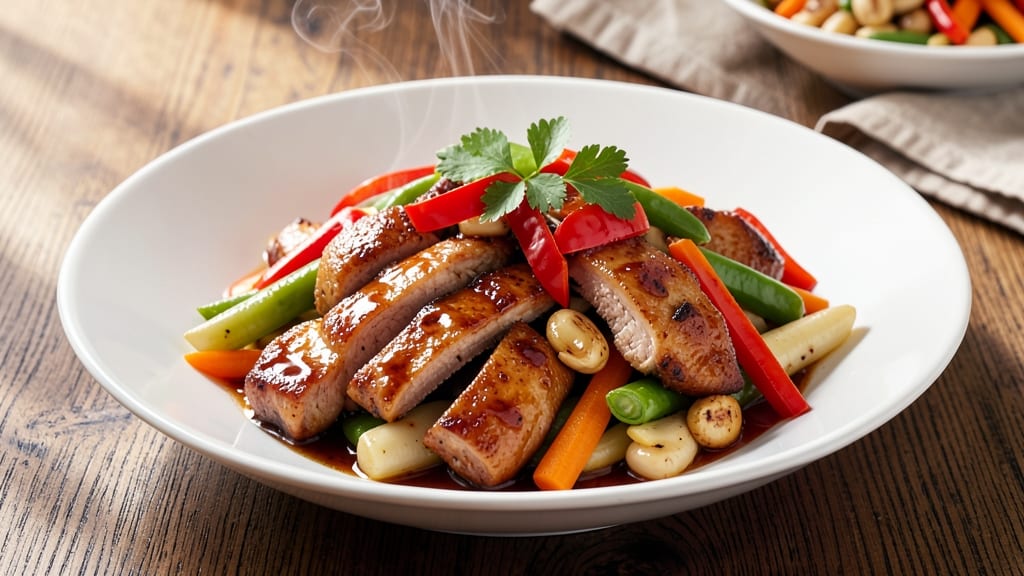
This Kikkoman teriyaki sauce stir fry delivers restaurant-quality umami depth in just 20 minutes, transforming simple ingredients into a perfectly balanced dish. The secret lies in high-heat searing for crispy proteins and vegetables while preserving their vibrant colors and textures.
I developed this recipe after years of testing different stir-fry techniques, and it consistently delivers that signature sweet-savory Japanese flavor without being overly sweet.
The beauty of this method is its adaptability—whether you're using chicken thighs, beef strips, or firm tofu, the same technique ensures tender yet crispy results.
Fresh bell peppers, snap peas, and carrots add crunch and color, while the teriyaki sauce ties everything together with its perfect balance of sweetness and umami. The key is cooking everything in batches to avoid steaming the vegetables, which keeps them crisp-tender.
What you'll end up with is a vibrant stir fry with perfectly caramelized edges on the protein, bright vegetables that retain their snap, and a glossy teriyaki sauce that coats every bite.
The aroma alone will have everyone gathering around the table, and the flavors are complex enough to satisfy even the most discerning palates. This dish pairs beautifully with steamed jasmine rice, which soaks up every last bit of that delicious sauce.
Ready to master this technique? The step-by-step instructions will guide you through proper heat control, timing, and sauce incorporation to achieve professional results in your own kitchen. Whether you're cooking for a weeknight dinner or preparing for a gathering, this stir fry delivers consistent, impressive results every time.
Ingredients for kikkoman teriyaki sauce stir fry
Restaurant-quality stir-fry starts with these vibrant ingredients and a single pan.
| Ingredient | Amount | Notes |
|---|---|---|
| Boneless, Skinless Chicken Thighs 🍗 | 1 ½ lb | Cut into 1-inch strips |
| Kikkoman Teriyaki Sauce 🍶 | ½ cup | Plus 2 tbsp for serving |
| Red Bell Peppers 🌶️ | 2 whole | Sliced into 1-inch strips |
| Snap Peas 🌱 | 1 cup | Trimmed, halved if large |
| Carrots 🥕 | 2 medium | Julienned into matchsticks |
| Garlic Cloves 🧄 | 4 cloves | Mince into fine paste |
| Fresh Ginger 🌿 | 1 tbsp | Grate finely, no need to peel |
| Sesame Oil 🫒 | 1 tbsp | For finishing |
| Toasted Sesame Seeds 🌾 | 1 tbsp | For garnish |
| Vegetable Oil 🫒 | 2 tbsp | High smoke point preferred |
| Jasmine Rice 🍚 | 1 ½ cups | Uncooked, for serving |
| Diamond Crystal Kosher Salt 🧂 | ½ tsp | For seasoning |
| Ground Black Pepper 🌶️ | ¼ tsp | Freshly cracked |
The chicken thighs are your protein anchor here—bone-in, skin-on if you can find it, but boneless works fine. Trader Joe's or Costco usually carry pre-cut strips, which saves time. For the bell peppers, red or yellow add the most vibrant color, but green works in a pinch. Snap peas should be bright and crisp—avoid frozen unless thawed completely. The carrots need to be julienned thinly (about 1/8-inch thick) so they cook quickly without turning mushy. If you're short on time, pre-cut stir-fry veggie mixes from the grocery store freezer section work perfectly.
No Kikkoman sauce? Substitute with a mix of soy sauce, mirin, and a touch of brown sugar—about 3 tbsp soy, 1 tbsp mirin, and 1 tsp sugar per 1/2 cup. Fresh ginger is ideal, but ground ginger at half the amount works in a pinch. For extra umami depth, add 1 tsp of fish sauce or Worcestershire to the teriyaki. The sesame oil is non-negotiable for that authentic aroma—toasted sesame oil from Asian markets has the best flavor. If you can't find it, regular sesame oil works but lacks that nutty depth. The jasmine rice should be steamed to perfection—use a rice cooker for foolproof results.
Prep everything before turning on the heat—this stir-fry moves fast. The chicken and vegetables can be prepped up to 1 hour ahead and stored in separate containers in the fridge. The teriyaki sauce keeps for up to 3 months in the pantry, but once opened, refrigerate it. Leftover stir-fry reheats beautifully—stir-fry again in a hot pan with a splash of water to restore that crisp-tender texture. Portion into containers with rice for easy lunches—the sauce stays glossy and flavorful for 3 days stored this way.
Why You'll Love This Recipe
- One-Pan Magic: I swear by this recipe because it’s literally one pan, one sauce, and done. Toss in the chicken thighs (no marinade needed—the teriyaki sticks like glue), chuck in the pre-washed snap peas and sliced carrots, and let the Kikkoman sauce do its thing. Ten minutes later, you’re scraping the last bits with a fork while the kids argue over who gets seconds.
- Sweet-Savory Balance: That Kikkoman teriyaki sauce? It’s the MVP here. The sticky, slightly tangy glaze caramelizes just enough to coat the chicken in a glossy sheen, while the red bell peppers add a bright crunch that cuts through the richness. Honestly, the first time I made this, I nearly licked the pan—that good.
- Lunchbox Hero: Between us, this is my go-to for meal prep. The leftovers reheat like a dream (microwave or skillet, your call), and the portions are perfect for lunches. Pack it in containers, and suddenly you’ve got a week’s worth of easy, no-fuss lunches that don’t taste like sad office food.
- Budget-Friendly Feast: Chicken thighs are cheaper than breasts, snap peas are often sold frozen (no wilting!), and carrots? You can buy a bag for less than a coffee. Plus, the Kikkoman teriyaki sauce stretches to coat everything without breaking the bank. It’s the kind of recipe that makes me feel smart about my grocery list.
Step-by-step instructions for Kikkoman teriyaki stir fry
Here's how to create a restaurant-quality stir fry with perfect balance and texture every time.
Prepare All Ingredients for Quick Cooking
Start by cutting the 1.5 lb boneless, skinless chicken thighs into 1-inch strips—this ensures even cooking and quick absorption of the teriyaki sauce. While the chicken rests, slice the 2 whole red bell peppers into 1-inch strips and julienne the 2 medium carrots into matchsticks. Trim the 1 cup snap peas and halve any large ones for uniform cooking. Mince the 4 cloves garlic into a fine paste and grate the 1 tbsp fresh ginger—this releases the aromatic oils that will infuse the stir fry.
Mise en place is key here: having everything prepped and measured ensures nothing burns while you're focused on the cooking process. I like to use a small bowl for the ginger and garlic mixture so it's ready to go when the wok hits the heat. Keep the 0.5 cup Kikkoman teriyaki sauce and 2 tbsp vegetable oil nearby—they'll be your next steps.
Cook the Chicken Until Golden and Tender
Heat a large skillet or wok over medium-high heat until it's smoking slightly, then add the 2 tbsp vegetable oil. Once the oil shimmers, add the chicken strips in a single layer—don't crowd the pan. Let them sear undisturbed for 3-4 minutes until they develop a golden crust on one side. This initial sear locks in juices and builds flavor. Flip the chicken and cook for another 3-4 minutes until fully cooked through—you'll see the edges turn opaque and the chicken releases easily from the pan.
Remove the chicken and set it aside on a plate. If you notice any excess oil in the pan, wipe it out with a paper towel—you want to keep the stir fry from becoming greasy. The chicken should be cooked through but still retain moisture, not dry or rubbery. This is the foundation of your dish, so take your time getting it right.
Stir Fry the Vegetables in Stages
Return the skillet to medium-high heat and add the garlic and ginger paste, stirring for 30 seconds until fragrant—this prevents burning and maximizes flavor. Add the carrots and bell peppers, stirring constantly for 2-3 minutes until they begin to soften but still retain a slight crunch. The carrots will take a bit longer to cook, so keep them moving in the pan.
Add the snap peas and stir-fry for another 2 minutes until everything is tender-crisp. You want the vegetables to hold their shape but be easily pierced with a fork. If the pan starts to dry out, add 1 tablespoon water—this steams the vegetables slightly and prevents burning. The vegetables should look vibrant and colorful, not wilted or mushy.
Combine Everything with Teriyaki Sauce
Return the chicken to the skillet and pour in the 0.5 cup Kikkoman teriyaki sauce. Stir everything together and let it simmer for 2-3 minutes until the sauce thickens slightly and coats the chicken and vegetables evenly. Taste and adjust the seasoning with the 0.5 tsp Diamond Crystal kosher salt and 0.25 tsp ground black pepper—you might not need both, but it's worth checking. The sauce should balance sweet, savory, and umami flavors without being overly sweet.
Here's the thing—if the sauce looks too thick, add 1 tablespoon water to loosen it to your desired consistency. The stir fry should be glossy but not soupy. Once everything is well-coated and heated through, remove from heat and let it rest for 1 minute—this allows the flavors to meld and the chicken to reabsorb any juices.
Finish and Serve Over Jasmine Rice
Drizzle the stir fry with 1 tbsp sesame oil and toss gently to coat. Sprinkle with 1 tbsp toasted sesame seeds for texture and visual appeal. Serve immediately over 1.5 cups cooked jasmine rice, reserving 2 tbsp teriyaki sauce on the side for drizzling. The rice should be fluffy and slightly warm, providing a neutral base that lets the stir fry shine.
Each bite should deliver tender chicken, crisp-tender vegetables, and a perfect balance of sweet and savory teriyaki flavors. The sesame oil adds a nutty depth, while the sesame seeds provide a satisfying crunch. Don't skip the extra teriyaki sauce on the side—it's perfect for dipping or adding a final touch to your plate. Enjoy while everything is hot!
Pro Tips For Making Kikkoman Teriyaki Sauce Stir Fry
- CUT CHICKEN IN HALF: Chicken thighs stay juicy when sliced against the grain—cut each into two even pieces before cooking. Thicker slices take longer to cook through, so halving them ensures everything finishes at the same time, especially when stir-frying with bell peppers and carrots that soften faster.
- SALT THE CHICKEN FIRST: Toss the raw chicken thighs with a pinch of salt and let them sit uncovered for 10 minutes. This guarantees seasoning penetrates instead of just clinging to the surface, and it prevents the teriyaki sauce from turning into a watery glaze later.
- COOK IN BATCHES: Overcrowding the pan steams the chicken instead of searing it. Cook half the chicken first, then remove it to a plate before adding the veggies—this keeps the heat high and gives you that caramelized crust you actually want.
- THIN THE SAUCE: Kikkoman teriyaki is thick—dilute it with 1-2 tablespoons of water or chicken broth before tossing. This prevents the stir-fry from turning into a sticky mess and ensures the sauce coats everything evenly instead of clumping.
Common mistakes when making this recipe
Overcrowding the Pan
One of the biggest mistakes is adding too much to the pan at once, which causes steaming instead of searing. When you overload your skillet with chicken or vegetables, the heat disperses and you end up with soggy ingredients instead of crisp-tender results.
I always work in batches—cook the chicken first, then remove it before adding vegetables. A good rule of thumb is to leave at least 1 inch of space between ingredients in the pan. This ensures proper browning and even cooking. 🔥
Skipping the Resting Time
Rushing to serve the stir fry immediately after cooking is another common error. Letting the chicken rest for 1-2 minutes after combining with the sauce allows the juices to redistribute, resulting in more tender bites. I've learned this the hard way—skipping the rest can lead to dry, stringy chicken.
The same goes for the vegetables; a brief rest helps them hold their shape better. Trust me, those extra minutes make a world of difference in the final texture.
Using Low Heat
Stir-frying requires high heat to achieve that signature wok hei (breath of the wok) flavor. If you're using low or medium heat, your ingredients will steam instead of sear, leading to mushy vegetables and bland flavors.
Your pan should be hot enough to see smoke when you add oil—this is the ideal temperature for stir-frying. If your stove doesn't get hot enough, consider using a wok with a lid to concentrate the heat. The goal is to cook everything quickly over high heat to maintain crispness.
Not Prepping Ingredients Uniformly
Unevenly cut ingredients cook at different rates, which can leave some items undercooked while others turn mushy. For example, if your carrots are cut into thick sticks while your bell peppers are sliced thin, the carrots will take much longer to cook.
I always aim for uniform cuts—about 1/8-inch thick for vegetables and 1-inch strips for chicken. Using a mandoline for vegetables ensures consistent slices, but even a sharp knife can do the job if you're careful. This small step makes a huge difference in the final texture of your stir fry.
Adding Sauce Too Early
Pouring the teriyaki sauce into the pan before everything is cooked through dilutes the flavors and can make the sauce watery. The sauce should be added only after the chicken and vegetables are fully cooked and removed from the pan.
This ensures the sauce thickens properly and coats each ingredient evenly. I like to reserve a little extra sauce on the side for drizzling after serving—it adds that perfect glossy finish without overpowering the dish. 🌟
Ignoring the Oil Temperature
Using the wrong type of oil or not heating it properly can ruin your stir fry. Vegetable oil has a high smoke point, making it ideal for stir-frying, but if it's not hot enough, your ingredients will absorb too much oil and turn greasy.
I always heat the oil until it's shimmering before adding the chicken. If you're using a wok, listen for that telltale sizzle—it's your cue that the oil is ready. Too much oil can also make your dish heavy, so stick to 1-2 tablespoons for a large skillet or wok.
Nutrition facts
Frequently asked questions
Can I substitute chicken with another protein?
This recipe works beautifully with beef strips (flank or sirloin), shrimp (peeled and deveined), or firm tofu (pressed and cubed). For beef, marinate in 1 tbsp soy sauce for 15 minutes before cooking. Shrimp should cook for just 2-3 minutes total, while tofu needs 4-5 minutes per side to develop crispy edges. Adjust cooking times based on your protein choice.
How do I prevent the stir fry from getting soggy?
Keep everything moving in the pan and avoid overcrowding! Cook proteins first, then remove before adding vegetables. Use high heat and work in batches if needed. For extra crispness, add vegetables in stages—harder veggies (carrots) first, then softer ones (bell peppers, snap peas). The key is constant stirring and quick cooking—never let ingredients sit in their own juices.
What's the best way to reheat leftovers?
Reheat in a hot skillet with 1 tsp fresh sesame oil over medium-high heat for 3-4 minutes, stirring constantly. Add 1 tbsp water to restore moisture. Microwaving works in a pinch (cover with damp paper towel for 45 seconds1 tsp water if needed.
Can I make this gluten-free?
Yes! Use tamari or coconut aminos instead of Kikkoman teriyaki sauce, and check your sesame oil for gluten-free certification. Regular vegetable oil is naturally gluten-free. For extra flavor, add 1 tsp gluten-free fish sauce to the sauce mixture. All other ingredients in this recipe are naturally gluten-free.
Why does my teriyaki sauce look too thick?
Kikkoman teriyaki sauce is naturally thick, but if it's too heavy, thin with 1 tsp water or rice vinegar while cooking. For extra glossiness, simmer the sauce alone for 1 minute before adding to the stir fry. The sauce should coat ingredients lightly but not pool at the bottom of the pan. If you prefer it sweeter, add ½ tsp honey or brown sugar while reheating.