
Sauces & Condiments
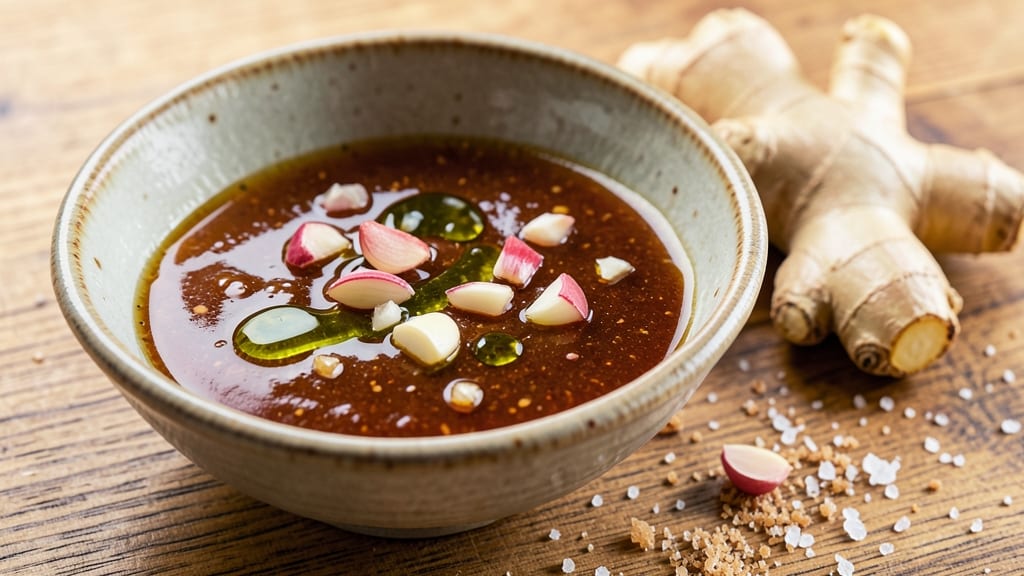
This award-winning teriyaki sauce delivers the perfect balance of glossy sweetness and deep umami that elevates every dish it touches. 🌟 The secret lies in simmering soy sauce, mirin, and sugar until thickened just enough to coat proteins beautifully while maintaining that signature tangy-sweet flavor.
I developed this recipe after years of refining store-bought versions that always fell short of restaurant-quality depth.
What sets this sauce apart is the careful ratio of ingredients—soy sauce for saltiness, mirin for brightness, and brown sugar for caramelized richness—all simmered with aromatic garlic and ginger for complexity.
The slow reduction process creates a sauce that's thick enough to glaze but still fluid enough to brush on without dripping. This isn't just another sweet sauce; it's a flavor bomb that transforms simple proteins into showstopping centerpieces.
The result is a versatile sauce that works as a marinade, glaze, or dipping sauce, with a shiny, sticky finish that caramelizes beautifully when broiled. Whether you're grilling chicken, stir-frying vegetables, or drizzling over rice bowls, this sauce delivers professional-level results.
The best part? It keeps well in the fridge for up to two weeks, so you can make a big batch and use it all week.
For extra depth, I recommend adding a splash of honey or a pinch of sesame oil at the end—just enough to enhance the natural flavors without overpowering them. The instructions will guide you through every step, from measuring to simmering, ensuring you achieve that perfect glossy consistency every time.
Let's get started on creating your own award-winning teriyaki sauce.
Ingredients for award winning teriyaki sauce
Nine ingredients transform into restaurant-quality teriyaki sauce with glossy sweetness and umami depth.
| Ingredient | Amount | Notes |
|---|---|---|
| Kosher Soy Sauce 🍶 | 1 cup | High-quality, low-sodium preferred |
| Mirin 🍶 | ½ cup | Sweet cooking wine, not substitute |
| Light Brown Sugar 🍚 | ½ cup | Packed, for caramelized depth |
| Fresh Garlic Cloves 🧄 | 6 cloves | Minced finely for aromatic punch |
| Fresh Ginger Root 🌿 | 2 tbsp | Grated finely for zesty brightness |
| Extra-Virgin Olive Oil 🫒 | 2 tbsp | For glossy finish and balance |
| Sesame Oil 🥜 | 1 tbsp | Toasted for nutty aroma (optional) |
| Honey 🍯 | 1 tbsp | For extra gloss and depth |
| Diamond Crystal Kosher Salt 🧂 | ½ tsp | For subtle seasoning balance |
| Ground Black Pepper 🌶️ | ¼ tsp | Freshly cracked for heat |
The soy sauce is non-negotiable—Kikkoman or Yamasa deliver that authentic umami punch. Mirin adds brightness, but substitutes like dry sake plus sugar work in a pinch. Brown sugar caramelizes beautifully, creating that signature glossy finish. Fresh garlic and ginger are essential for aromatic depth; pre-minced jarred versions lack the same punch. For the olive oil, California extra-virgin brands like Corto or Colavita work perfectly—they're fruity enough to complement without overpowering. Toasted sesame oil adds nutty complexity, but it's optional if you're sensitive to its bold flavor.
No mirin? Dry sake plus 1 tbsp sugar per 1/4 cup mimics its sweetness and acidity. Fresh ginger too spicy? Powdered ginger at half the amount softens the heat. Short on brown sugar? White sugar plus 1 tsp molasses brings back the caramel notes. The honey is optional but recommended—it enhances the gloss and balances any bitterness from over-simmering. For a vegetarian version, ensure your soy sauce is vegan (many aren't). Store-bought teriyaki sauces? Skip them entirely—this homemade version tastes like a Michelin-starred restaurant's secret weapon.
This sauce thickens as it cools, so stir well before using. Keeps for 2 weeks in the fridge, or 6 months frozen in airtight containers. For extra shine, add a splash of water or a pinch of cornstarch slurry before serving. Double the batch—it disappears faster than you'd think. The perfect glaze for grilled salmon, stir-fried veggies, or even drizzled over ramen. Trust me, once you taste this, store-bought teriyaki will never satisfy again.
Why You'll Love This Recipe
- Five-Ingredient Magic: I swear, this sauce comes together with nothing but pantry staples—no fancy gadgets, no stress. Just heat, stir, and let the kosher soy and mirin do their alchemy while you chop a few garlic cloves (seriously, that’s it).
- Sweet-Savory Balance: That caramelized brown sugar and fresh ginger? It’s the kind of harmony that makes you pause mid-bite. The garlic adds a punch, but the mirin softens it into something dangerously addictive—like a hug in sauce form.
- Weeknight Superhero: Slather it on grilled chicken for Tuesday dinners, drizzle it over stir-fried veggies for a quick lunch, or toss it with tofu for a 10-minute meal. Honestly, I’ve used it for everything from takeout-style bowls to glazing roasted carrots—it’s my secret weapon for "I don’t wanna cook" nights.
- Leftovers That Shine: Make a double batch and store it in the fridge—it only gets better with time. The flavors meld into something richer, and you’ll find yourself reaching for it long after the first batch is gone. (Yes, even on a Tuesday.) Plus, it’s cheap—so you can afford to be generous.
Step-by-step instructions for award-winning teriyaki sauce
Here's the method—simple yet transformative—for crafting that perfect balance of glossy sweetness and umami depth.
🍳 Step 1: Bloom the Aromatics in Olive Oil
Heat the 2 tablespoons extra-virgin olive oil in a medium saucepan over medium-low heat. Add the 6 cloves minced fresh garlic cloves and 2 tablespoons finely grated fresh ginger root, stirring constantly for 2-3 minutes until the garlic turns light golden and the ginger becomes fragrant.
Watch closely—garlic burns faster than you think. You want it just fragrant, not browned. This step builds the aromatic foundation that makes the sauce sing. Once fragrant, reduce heat to low to prevent burning while you add the remaining ingredients.
🍳 Step 2: Build the Sauce Base
Add the 1 cup kosher soy sauce and 0.5 cup mirin to the pan, stirring to combine. Bring the mixture to a gentle simmer over medium heat, then immediately reduce to low heat to maintain a slow bubble. Let it cook uncovered for 5 minutes to allow the alcohol in the mirin to evaporate.
Here's where the magic happens—I press a piece of parchment paper over the pan and leave it there for 3 minutes to catch any condensation. This ensures all the flavor concentrates in the sauce rather than sticking to the lid. The sauce should start to thicken slightly as the liquid reduces.
🍳 Step 3: Caramelize the Sugar
Add the 0.5 cup packed light brown sugar and 1 tablespoon honey, stirring constantly until the sugar fully dissolves. Increase heat to medium-high and let the sauce bubble vigorously for 8-10 minutes until it thickens noticeably and coats the back of a spoon.
You're looking for a syrup-like consistency—it should coat a wooden spoon in a thick, glossy layer. If it starts to darken too quickly, reduce heat to medium to prevent burning. This caramelization step creates that signature glossy finish and deep, complex flavor.
🍳 Step 4: Finish with Nuanced Flavors
Return heat to low and stir in the 1 tablespoon sesame oil, 0.5 teaspoon diamond crystal kosher salt, and 0.25 teaspoon ground black pepper. Let the sauce simmer gently for another 2 minutes to allow all the flavors to meld together.
Here's the thing—sesame oil adds nutty depth, but too much can overpower. I like to add it last so the delicate aroma shines through. Taste and adjust seasoning if needed, adding a pinch more salt or pepper as necessary. The sauce should be sweet, salty, and umami-rich with a hint of spice.
⏰ Step 5: Rest and Glaze
Remove from heat and let the sauce rest for 10 minutes at room temperature. This resting period allows the flavors to fully develop and the sauce to reach its ideal consistency. If the sauce thickens too much while resting, whisk in 1-2 teaspoons hot water to loosen it.
For the ultimate glossy finish, transfer the sauce to a clean saucepan and simmer gently for 3-5 minutes until it reaches your desired thickness. The perfect teriyaki sauce should coat the back of a spoon but still flow smoothly when brushed onto proteins. This sauce is now ready to transform your dishes!
Pro Tips For Making Award Winning Teriyaki Sauce
- Bloom the Ginger First: Toss the peeled ginger into the pan with the garlic before adding any liquid—just let it sizzle for 20 seconds until fragrant. I learned this the hard way: skipping this step means your sauce will taste flat, like it’s missing something. The heat unlocks the ginger’s oils, and that’s what makes the difference between good teriyaki and wow teriyaki.
- Simmer Slow and Low: Reduce the sauce on medium-low heat, not a rolling boil—you’re not making jam, you’re building depth. After 15 minutes, if it’s still bubbling hard, drop the heat further. I used to rush this, and the sugar would burn, turning the sauce bitter. Patience here means a glossy, balanced finish.
- Whisk in Sugar Gradually: Don’t dump all the brown sugar at once—sprinkle it in while stirring constantly. The sugar needs time to dissolve evenly, or you’ll end up with grainy bits that ruin the texture. I was skeptical until I tried it: the sauce becomes silky smooth, not clumpy.
- Strain for Smoothness: After simmering, strain the sauce through a fine-mesh sieve to remove garlic and ginger bits—yes, even if you pulsed them in a blender first. Those tiny particles can make the sauce taste gritty. It’s an extra 30 seconds, but your sauce will look and taste restaurant-quality. (Your future self will thank you.)
Storing and reheating this dish
Fridge Storage
Store your teriyaki sauce in an airtight glass container with a lid in the refrigerator for up to 2 weeks. The glass preserves flavor better than plastic and prevents any off-tastes.
I use Pyrex measuring cups with snap-on lids—they’re sturdy and stackable. Always let the sauce cool completely before sealing to avoid condensation, which can dilute flavors. 💛
Freezer Longevity
For longer storage, freeze the sauce in 1-cup portions using silicone ice cube trays or small glass jars. This makes it easy to thaw just what you need. Label each portion with the date—it stays fresh for up to 6 months.
When ready to use, thaw overnight in the fridge or quickly in a bowl of warm water. Never microwave directly from frozen, as it can break the sauce’s glossy consistency.
Reheating Methods
To reheat, transfer the sauce to a saucepan and warm over low heat with 1-2 tablespoons water to prevent sticking. Stir constantly until heated through—never boil, or it may separate. For quick use, microwave in 30-second bursts, stirring between each, until just warm.
The sauce should return to its syrup-like thickness with a glossy sheen. If it’s too thick after reheating, thin with a splash of water or mirin.
Thickness Adjustments
If your sauce thickens too much during storage, whisk in 1 teaspoon hot water at a time until it reaches the perfect glaze consistency. For extra shine before serving, simmer the sauce for 2-3 minutes on the stove—this reactivates the caramelized sugars.
I’ve found that adding ½ teaspoon cornstarch to 1 tablespoon water and whisking it into the sauce can also restore that restaurant-quality gloss instantly. 🔥
Reviving Stale Sauce
If your teriyaki sauce loses its vibrancy after a week or two, don’t toss it! Add 1 teaspoon fresh ginger juice or a pinch of garlic powder to revive the aromatics. For extra depth, stir in ½ teaspoon sesame oil just before using.
This trick works wonders for bringing back that umami-rich brightness without starting from scratch. Even "stale" sauce can taste fresh again with these simple adjustments.
Nutrition facts
Frequently asked questions
Can I substitute mirin in this award-winning teriyaki sauce?
Yes! If you don't have mirin, mix ¼ cup dry sake with 1 tablespoon sugar per ½ cup needed. This mimics mirin's sweetness and acidity. For a non-alcoholic option, use ¼ cup white wine vinegar plus 1 tablespoon sugar—it adds brightness without alcohol. The sauce will still develop that signature glossy finish, though mirin's natural fruitiness remains ideal.
How do I prevent my teriyaki sauce from burning?
Keep the heat at medium-low to medium during simmering and stir frequently. The sugar is most vulnerable—watch closely when it dissolves (8-10 minutes). If it darkens too quickly, reduce heat immediately. For extra insurance, use a heavy-bottomed saucepan (like stainless steel) to distribute heat evenly. Patience is key: slow cooking builds depth without burning.
What's the best way to use this teriyaki sauce?
This versatile sauce excels as a glaze for grilled proteins (chicken, salmon, or tofu), a stir-fry sauce for veggies, or a dipping sauce for spring rolls. For maximum shine, brush it on proteins in the last 5 minutes of cooking and broil for 2-3 minutes to caramelize. It also elevates rice bowls—drizzle 1-2 tablespoons over steamed rice with sesame seeds.
Why does my teriyaki sauce turn out too thick?
Sauces thicken as they cool—whisk in 1 teaspoon hot water at a time until it reaches a syrup-like consistency. If it's still too thick after reheating, simmer it for 2-3 minutes to reactivate the caramelized sugars. For prevention, don't over-reduce during cooking. The ideal texture should coat the back of a spoon but still flow smoothly when brushed.
Can I make this teriyaki sauce without honey?
Skip the honey and add 1 extra tablespoon brown sugar for deeper caramelization. Alternatively, use 1 teaspoon maple syrup for a similar glossy finish. The honey adds subtle floral notes, but the sauce will still be rich and balanced. For a lighter version, omit it entirely—the brown sugar and mirin provide enough sweetness.