
Sauces & Condiments
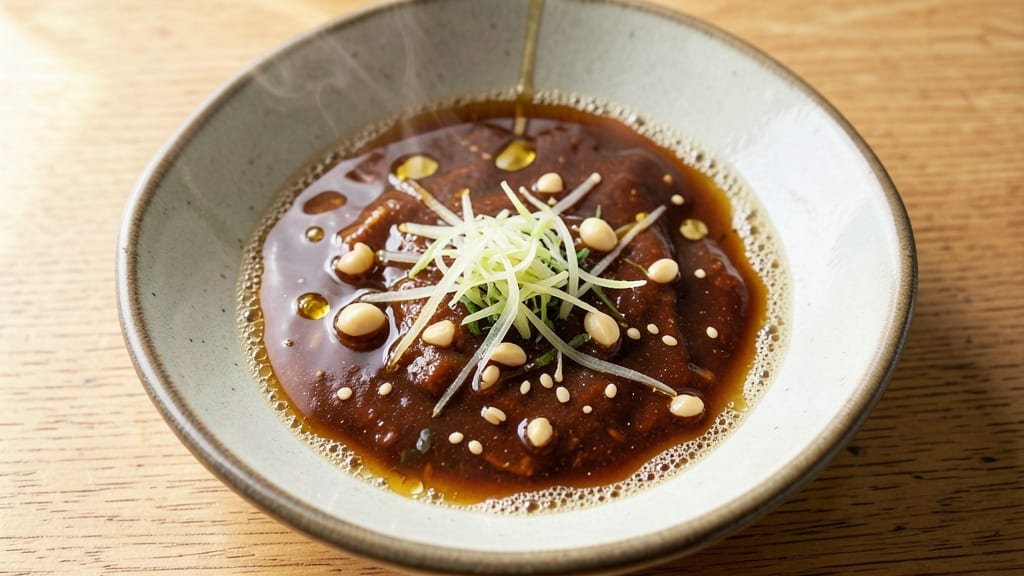
This Asian vegetable stir-fry sauce recipe transforms simple stir-fries into restaurant-quality dishes with its perfect balance of umami, sweetness, and tang. The secret lies in combining soy sauce, rice vinegar, and a touch of honey to create a sauce that clings to every vegetable while enhancing their natural flavors.
I developed this recipe after years of experimenting with store-bought sauces that never quite hit the mark.
The sauce comes together in just 10 minutes using simple pantry staples, yet delivers complex flavor that elevates even the most basic vegetables. A splash of sesame oil adds aromatic depth, while fresh ginger and garlic bring warmth and brightness.
The sauce thickens slightly as it sits, creating a glossy finish that makes every bite irresistible.
What makes this sauce truly special is its versatility—use it on stir-fried bok choy, snap peas, or shiitake mushrooms for an instant flavor upgrade.
The recipe yields about 1 cup, perfect for 2-3 servings, and stores well in the refrigerator for up to 5 days or freezes for 3 months. For extra depth, consider adding a spoonful of miso paste or a dash of chili flakes.
Whether you're serving this sauce over steamed rice, noodles, or fresh greens, it brings a professional touch to any meal. The balance of flavors is what makes it stand out—sweet enough to please, tangy enough to excite, and umami-rich enough to satisfy.
Let's make this sauce and transform your stir-fries today.
Ingredients for asian vegetable stir fry sauce
Ten simple ingredients create a restaurant-quality stir-fry sauce with perfect umami-sweet balance.
| Ingredient | Amount | Notes |
|---|---|---|
| Organic Soy Sauce 🥄 | ⅓ cup | Low-sodium preferred for balance |
| Rice Vinegar 🍶 | ¼ cup | White or seasoned variety |
| Raw Honey 🍯 | 2 tbsp | Vegan alternative: agave nectar |
| Fresh Ginger Root 🧄 | 2 tbsp | Finely grated, aromatic |
| Garlic Cloves 🧄 | 3 cloves | Minced for even distribution |
| Sesame Oil 🫒 | 1 tbsp | Toasted sesame preferred |
| Cornstarch 🌾 | 1 tsp | For thickening consistency |
| Water 💧 | ¼ cup | Room temperature preferred |
| Red Chili Flakes 🌶️ | ½ tsp | Adjust for spice preference |
| White Peppercorns 🌶️ | ¼ tsp | Freshly ground for aroma |
The soy sauce forms the umami foundation—Kikkoman or Pearl River Bridge brands deliver consistent quality. For rice vinegar, Mushroom or Seasoned varieties add subtle depth, though white works fine. Fresh ginger and garlic are non-negotiable; organic ginger from the produce section has more punch than pre-peeled bottles. Sesame oil should be toasted, not flavored—the nutty aroma is essential. If you can't find toasted, lightly toast regular sesame oil in a dry pan for 30 seconds before using.
No honey? Agave nectar or maple syrup works perfectly as a vegan substitute. Chili flakes can be swapped for Sichuan peppercorns (½ tsp) for a numbing effect, or omitted entirely for mild heat. The cornstarch-water slurry is crucial for thickening—arrowroot powder works at half the amount. For extra umami depth, add 1 tsp white miso paste (ensure it's vegan). The sauce thickens as it sits, so start with slightly less cornstarch if you prefer a looser consistency for dipping.
This sauce keeps beautifully—5 days refrigerated or 3 months frozen. For freezing, portion into ice cube trays before transferring to a bag. Reheat gently in a saucepan over low heat, adding 1 tsp water if it thickens too much. The sauce pairs exceptionally with steamed jasmine rice or udon noodles. For a quick flavor boost, mix 1 tbsp sauce with 1 tsp toasted sesame seeds before serving.
Why You'll Love This Recipe
- Pantry Magic: I swear by this sauce because it uses what I already have—no last-minute grocery runs. That jar of organic soy sauce, the rice vinegar sitting in my fridge, and a knob of ginger I bought weeks ago? Suddenly, they’re the stars of dinner.
- Ginger-Garlic Zing: The moment I toss in freshly grated ginger and minced garlic with a drizzle of raw honey, my kitchen smells like a street food stall. It’s bright, punchy, and just sweet enough to make every bite irresistible—no complicated spice blends needed.
- Weeknight Wonder: This sauce turns limp veggies into a showstopper in 15 minutes. Toss it with whatever’s in the crisper (bell peppers, snap peas, even leftover broccoli) and serve. It’s my go-to when I’m too tired to plan but still want something that feels special.
- Budget-Friendly Powerhouse: A little goes a long way—this sauce stretches to coat three meals, and the ingredients cost pennies. Honestly, I’ve made it last a week in my fridge, saving me from takeout while still feeling like I’m eating out. Win.
Step-by-step instructions for Asian vegetable stir fry sauce
This sauce delivers a perfect balance of sweet, tangy, and umami flavors with precise technique.
Prepare the Aromatics and Base Ingredients
In a small bowl, finely grate the 2 tablespoons of fresh ginger root using a microplane or the smallest holes on a box grater. The goal is to create a paste-like texture that will infuse deeply into the sauce. In a separate small dish, mince the 3 cloves garlic as finely as possible—this ensures even distribution of flavor throughout the sauce.
Measure out the 0.33 cup organic soy sauce and 0.25 cup rice vinegar into a liquid measuring cup. I prefer low-sodium soy sauce here to control the salt balance precisely. The honey should be at room temperature to mix smoothly—if it's cold from the fridge, let it sit for 5 minutes before using. The 1 tablespoon sesame oil adds nutty depth, so I recommend using toasted sesame oil for maximum flavor impact.
Build the Sauce Base on Medium Heat
In a medium saucepan, combine the 0.33 cup organic soy sauce, 0.25 cup rice vinegar, 2 tablespoons raw honey, 2 tablespoons grated ginger, and 3 minced garlic cloves. Place the pan over medium heat and bring to a gentle simmer. Stir occasionally for 5 minutes until the mixture begins to thicken slightly and the raw garlic aroma transforms into a toasty, aromatic scent.
This initial cooking step develops the foundation of your sauce. You'll notice small bubbles forming around the edges of the pan—this indicates the sauce is beginning to reduce. If the mixture boils vigorously, reduce the heat slightly to maintain a gentle simmer. The sauce should reduce by about 20% during this stage, creating concentrated flavors.
Incorporate the Spices and Thicken the Sauce
Add the 0.5 teaspoon red chili flakes and 0.25 teaspoon freshly ground white peppercorns to the simmering mixture. Stir well to distribute the spices evenly. The chili flakes will add subtle heat while the white peppercorns contribute a bright, aromatic quality that complements the other ingredients beautifully.
In a small bowl, whisk together the 1 teaspoon cornstarch with the 0.25 cup water until completely dissolved. This slurry is crucial for achieving the right consistency—it should be smooth with no lumps. Slowly pour the cornstarch mixture into the saucepan while stirring constantly with a wooden spoon or silicone spatula. The sauce will begin to thicken immediately as the cornstarch activates.
Finish and Adjust the Sauce
Continue cooking the sauce over medium-low heat for an additional 3-4 minutes, stirring frequently. You're looking for a sauce that coats the back of a spoon but still flows smoothly. The final texture should be slightly glossy with a velvety consistency—this indicates proper thickening without becoming pasty.
Taste the sauce and make any final adjustments. If it needs more sweetness, add a touch more honey. For additional tang, a splash of rice vinegar works well. If the heat from the chili flakes is too intense, you can balance it with a pinch more honey or a drop of sesame oil. The sauce should be vibrant in color—deep amber from the soy sauce with bright red flecks from the chili flakes.
Cool and Store for Optimal Flavor Development
Remove the sauce from heat and let it cool to room temperature. This cooling period allows the flavors to meld completely. I find that letting the sauce sit for 10-15 minutes before using it enhances the depth of all the components.
Transfer the finished sauce to an airtight container and store it in the refrigerator for up to 5 days. The flavors actually improve over time as the ingredients continue to marry. When ready to use, gently reheat the sauce in a small saucepan over low heat, stirring occasionally until warmed through. This sauce is perfect for tossing with fresh vegetables, tofu, or noodles, delivering that authentic Asian restaurant flavor at home.
Pro Tips For Making Asian Vegetable Stir Fry Sauce
- Mince, Don’t Pulse Ginger: That food processor habit? Stop. Pulse ginger until it’s roughly chopped—no paste, no fine dust. You want visible texture in your sauce, not a smooth, muddy mess that loses its bright kick. A sharp knife and 30 seconds of elbow grease give you real flavor, not just blended-up regret.
- Toast Garlic First: Skip the raw garlic in the sauce—it turns bitter. Sauté 2 mined cloves in a dry pan until golden (just past the point of smelling amazing), then mash them into the sauce. That caramelized depth makes all the difference, especially when paired with the sharpness of rice vinegar.
- Balance Honey Last: Add honey after everything else simmers, then taste. Too much too soon? Your sauce will taste cloying. Start with 1 teaspoon, let it mingle, then adjust—you can always add more, but you can’t un-sweeten it. Trust your palate, not the recipe’s numbers.
- Simmer, Don’t Boil: A rolling boil kills the vinegar’s brightness and makes the sauce taste flat. Keep it at a gentle simmer—tiny bubbles at the edges, maybe a few larger ones in the middle. Five minutes is enough; any longer and the soy sauce turns salty and dull.
Regional styles of these flavors
Japanese Shoyu Style
For a lighter, more delicate profile, replace the rice vinegar with 0.25 cup mirin and add 1 teaspoon grated daikon radish for subtle sweetness. Use Kikkoman shoyu instead of soy sauce and finish with 1 teaspoon toasted sesame seeds stirred in at the end.
This variation works beautifully with shungiku greens or shiso leaves for a true Japanese-inspired dish. The mirin adds a subtle floral note that brightens the sauce. 🌸
Thai-Inspired Chili Sauce
Transform this into a Thai-style sauce by swapping the honey for 2 tablespoons palm sugar and adding 1 tablespoon fish sauce (or soy sauce for vegan) plus 1 tablespoon lime juice. Include 1 tablespoon chopped Thai basil and 1 teaspoon shrimp paste (optional) for depth.
The lime juice adds a zesty tang that cuts through the richness of Thai-style stir-fries. Serve over pad thai noodles or green papaya salad for authenticity. 🌶️
Korean Gochujang Twist
Add 1 tablespoon gochujang (Korean red pepper paste) and 1 teaspoon toasted sesame oil for a spicy, fermented kick. Reduce the honey to 1 tablespoon and add 1 teaspoon grated pear for natural sweetness.
This variation pairs perfectly with kimchi or bulgogi-style vegetables. The gochujang brings deep, smoky heat that complements the umami base. For extra richness, stir in 1 teaspoon toasted sesame seeds before serving. 🔥
Vietnamese Nuoc Cham Fusion
Create a dipping sauce hybrid by adding 1 tablespoon rice vinegar and 1 tablespoon lime juice (instead of rice vinegar alone). Include 1 teaspoon fish sauce (or soy sauce for vegan) and 1 teaspoon sugar. Finish with 1 tablespoon chopped cilantro and 1 tablespoon crushed peanuts.
This sauce works wonderfully with spring rolls or grilled tofu. The lime and fish sauce create a bright, tangy profile that’s perfect for dipping. 🍋
Chinese Szechuan Peppercorn Sauce
For a numbing, aromatic twist, replace the red chili flakes with 1 teaspoon Sichuan peppercorns (toasted and crushed) and add 1 teaspoon doubanjiang (fermented chili bean paste). Use 1 tablespoon Shaoxing wine instead of rice vinegar and reduce the honey to 1 tablespoon.
This sauce pairs exceptionally with stir-fried bok choy or dry-fried green beans**. The Sichuan peppercorns add a tingling sensation that balances the sauce’s richness. 🌶️✨
Nutrition facts
Frequently asked questions
Can I make this sauce without honey?
Yes! Replace the 2 tablespoons honey with 2 tablespoons agave nectar or maple syrup for a vegan option. For a more authentic Asian touch, try 1 tablespoon palm sugar or 1 teaspoon brown sugar—both work well but may slightly alter the sauce's glossy finish. The key is to maintain the sweet-tangy balance.
How do I adjust the spice level?
For milder heat, reduce the 0.5 teaspoon chili flakes to 0.25 teaspoon or omit them entirely. For extra spice, add 0.25 teaspoon cayenne pepper or 1 teaspoon gochujang. Always taste as you go—you can balance heat with a touch more honey or sesame oil. The sauce thickens as it cools, so final adjustments are easier after resting.
Can I use this sauce on non-Asian vegetables?
This sauce works beautifully with bell peppers, zucchini, or broccoli. The umami-sweet balance complements earthy vegetables like mushrooms or even roasted potatoes. For heartier veggies, add 1 teaspoon toasted sesame seeds or a splash of oyster sauce (vegan: mushroom sauce) to enhance richness.
Why did my sauce turn out too thick?
Over-thickening usually happens when the cornstarch slurry cooks too long or the heat is too high. To fix it, whisk in 1-2 teaspoons warm water while stirring constantly. For prevention, use medium-low heat and cook only until the sauce lightly coats the back of a spoon. If you prefer a thinner consistency for dipping, reduce the cornstarch to 0.5 teaspoon next time.
How can I make this sauce nut-free?
Simply omit the 1 tablespoon sesame oil and replace it with 1 teaspoon avocado oil or neutral oil. For nutty depth without sesame, add 0.5 teaspoon toasted coconut oil (ensure it's unsweetened). The sauce will still have rich umami flavors—just without the sesame aroma. Always check labels on other ingredients like soy sauce for hidden nut traces.