
Sauces & Condiments
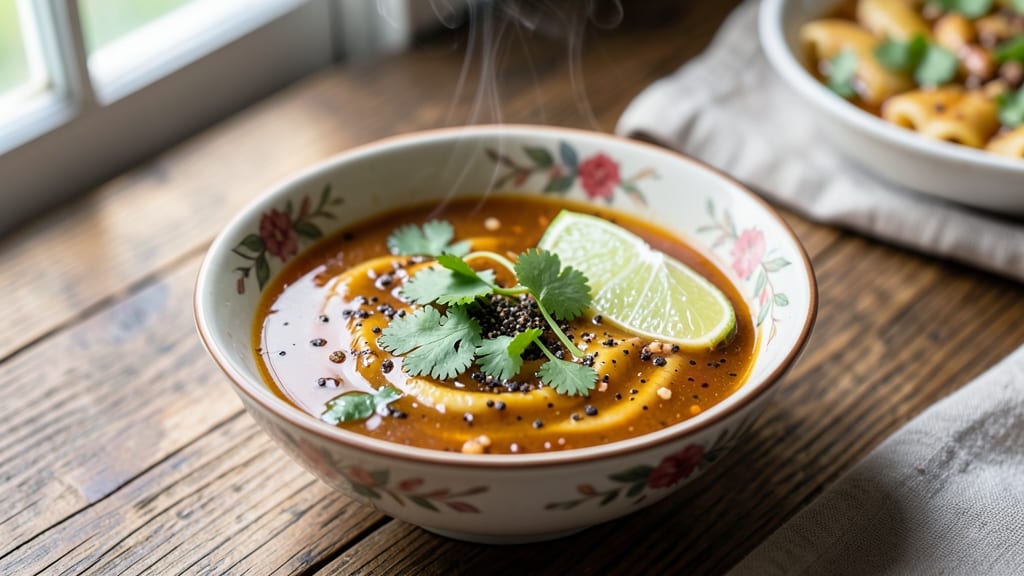
The perfect banh cuon dipping sauce balances nutty fish sauce with bright lime and aromatic herbs—this recipe delivers that signature Vietnamese harmony in just 10 minutes.
The key lies in blending traditional ingredients like shrimp paste and black pepper with a touch of sugar to create a sauce that's tangy, savory, and irresistibly complex. I've refined this version over countless banh cuon sessions to ensure the flavors are perfectly balanced every time.
This sauce transforms simple rice rolls into a gourmet experience with its bold umami depth and refreshing acidity. The shrimp paste adds a subtle funkiness that complements the fish sauce, while fresh herbs like cilantro and Thai basil contribute bright, aromatic notes.
What makes this recipe special is the ability to adjust the sweetness and sourness to your preference—simply add more sugar for sweetness or lime juice for extra tang.
By the time you're done, you'll have a vibrant, aromatic sauce that enhances every bite of banh cuon. The texture is smooth yet slightly textured from the blended ingredients, creating a perfect balance between creaminess and complexity.
This sauce keeps well in the refrigerator for up to 5 days, making it an excellent make-ahead option for your next Vietnamese feast.
The beauty of this recipe is its versatility—it works equally well with store-bought or homemade banh cuon. Whether you're serving a casual gathering or a special dinner, this sauce will elevate your meal to restaurant-quality standards. Let's create this essential accompaniment that brings out the best in every bite.
Ingredients for banh cuon dipping sauce
Just ten ingredients transform into the perfect banh cuon companion—nutty, tangy, and vibrant.
| Ingredient | Amount | Notes |
|---|---|---|
| Fish Sauce 🍶 | ½ cup | High-quality Vietnamese preferred |
| Shrimp Paste 🦐 | 1 tbsp | Fresh or well-preserved kind |
| Fresh Lime Juice 🍋 | ¼ cup | Freshly squeezed, seeds removed |
| Granulated Sugar 🍚 | 1 ½ tbsp | Adjust to taste for sweetness |
| Black Pepper 🌶️ | ½ tsp | Freshly cracked for best flavor |
| Fresh Cilantro Leaves 🌿 | ¼ cup | Stems removed, loosely packed |
| Thai Basil Leaves 🌿 | ¼ cup | Fresh, loosely packed |
| Garlic Cloves 🧄 | 2 cloves | Minced finely for smooth texture |
| Shallots 🧅 | 2 whole | Finely minced, about 2 tbsp |
| Water 💧 | ¼ cup | Room temperature preferred |
The fish sauce is your flavor foundation—Red Boat or Three Crabs are my go-tos, but any high-quality brand works. Shrimp paste can be tricky to find; check the Asian aisle at Trader Joe's or H Mart. Fresh lime juice is non-negotiable—bottled won't cut it. For the herbs, grab Thai basil from the same aisle (it's darker and more aromatic than regular basil). The garlic and shallots should be freshly minced—no pre-minced jarred stuff here. If you can't find shrimp paste, anchovy paste at half the amount works in a pinch.
No fish sauce? Soy sauce with a splash of oyster sauce mimics the umami, though it won't be identical. Short on lime? Lemon juice plus a pinch of sugar gets you close. The herbs can be swapped—mint or Vietnamese coriander add different but lovely notes. For extra depth, add 1 tsp of chili oil or a pinch of Sichuan peppercorns if you're feeling adventurous. The sugar is adjustable—start with the full amount, then add more if you want it sweeter. This sauce is all about balance, so taste as you go!
This sauce is made to be enjoyed fresh but keeps beautifully in the fridge for 5 days. Store it in a sealed jar with a layer of olive oil on top to preserve the herbs. For longer storage, freeze in ice cube trays—just thaw and whisk. The flavors actually improve after sitting overnight, so make it ahead if you can. Trust me, the first bite after chilling is next-level. If you make extra, it pairs perfectly with spring rolls or summer rolls too.
Why You'll Love This Recipe
- Five-Ingredient Magic: I swear by this sauce—just fish sauce, shrimp paste, lime, sugar, and pepper. No fancy prep, no extra bowls, and it transforms in minutes. Honestly, the only thing harder is resisting seconds.
- Umami Bomb: That shrimp paste and fish sauce combo? It’s the secret weapon. Salty, funky, and just sweet enough to make your taste buds do a happy dance. I’ll be real: my picky husband actually asks for this.
- Party in a Jar: Make a big batch and forget it. It’s the ultimate lazy hostess move—stays fresh for days, works with banh cuon or grilled meats, and even elevates a simple salad. (Yes, even on a Tuesday night.)
- Budget-Friendly Flex: Fish sauce and sugar? Two cents per serving. Shrimp paste adds depth without breaking the bank, and lime keeps it bright. My wallet and my family thank me every time I pull this out.
Step-by-step instructions for banh cuon dipping sauce
This sauce brings the perfect balance of umami, sweetness, and bright citrus to your banh cuon.
Bloom the Aromatics and Shrimp Paste
In a small saucepan, combine the 2 whole shallots and 2 cloves garlic cloves with 1 tablespoon shrimp paste. Cook over medium-low heat for 3-4 minutes, stirring constantly, until the mixture becomes fragrant and the shrimp paste releases its deep, nutty aroma. You'll see the colors darken slightly—this is your cue that the flavors are developing.
Here's the thing—don't rush this step. The shrimp paste needs time to mellow out its intensity and blend with the shallots and garlic. If it starts to brown too quickly, reduce the heat slightly. You're building the flavor foundation, so take your time. The mixture should smell rich and slightly funky, like the ocean meets a spice market.
Add Fish Sauce and Water
Pour in the 0.5 cup fish sauce and 0.25 cup water, then stir to combine. Increase the heat to medium and let the mixture simmer gently for 5-6 minutes. You'll notice the sauce reduce slightly and become glossy—this is when the umami flavors start to concentrate. The sauce should smell intensely savory, with a hint of that salty, fermented fish character.
I like to taste the sauce at this stage to gauge the balance. It should be salty but not overpowering. If it's too strong, you can add a splash of water later to adjust. The goal is to create a base that's rich but not cloying—this sauce needs room for the bright, fresh flavors to shine.
Sweeten and Season
Reduce the heat to low and stir in the 1.5 tablespoons granulated sugar and 0.5 teaspoon black pepper. Let the mixture simmer for another 2-3 minutes, stirring occasionally, until the sugar dissolves completely. The sauce should begin to take on a slightly syrupy consistency, with a beautiful balance of sweet and salty notes.
This is where the magic happens—the sugar helps round out the sharpness of the fish sauce and shrimp paste. Taste again and adjust the sugar if needed. You want it to be sweet enough to complement the lime but not so sweet that it overpowers the other flavors. The black pepper adds a subtle warmth that will come through beautifully in the final sauce.
Finish with Herbs and Lime
Remove the saucepan from heat and let it cool slightly for 1-2 minutes. Then stir in the 0.25 cup fresh cilantro leaves and 0.25 cup Thai basil leaves. Add the 0.25 cup fresh lime juice and give everything a final stir. The herbs will brighten the sauce, while the lime juice adds that essential tangy zing that makes this sauce so irresistible.
Let the sauce sit for 5 minutes before serving—this allows the flavors to meld together perfectly. The lime juice will mellow slightly, and the herbs will release their oils into the sauce. The final result should be a glossy, vibrant sauce with layers of umami, sweetness, and citrus that will elevate every bite of your banh cuon.
Adjust and Serve
Taste the sauce one last time and make any final adjustments. If it needs more sweetness, add a pinch of sugar. If it's too tangy, a splash of water can help balance it out. The sauce should be vibrant, aromatic, and ready to complement the delicate flavors of your banh cuon.
Serve the sauce immediately while the banh cuon is still warm. The contrast of the cool, tangy sauce with the warm, tender rolls is what makes this dish truly special. The sauce should coat the banh cuon beautifully, enhancing every bite with its complex, layered flavors. Enjoy it fresh—this sauce doesn't keep well once mixed with the herbs and lime.
Pro Tips For Making Banh Cuon Dipping Sauce
- Toast the Shrimp Paste: Heat it in a dry pan until it smells nutty—about 2 minutes on medium. Cold shrimp paste tastes like fishy dish soap, and toasting brings out its deep, umami punch. (Yes, even if you’re impatient like me, don’t skip this.)
- Balance the Lime Juice: Add lime juice last, then taste immediately—you can’t fix over-acidity later. Start with half the recipe’s lime, wait 30 seconds, then adjust. The sauce should sting your tongue but still taste bright, not sour.
- Dissolve the Sugar First: Mix sugar with 1 tablespoon of warm water before adding it to the fish sauce. This prevents grainy clumps and lets the sweetness integrate smoothly. (I learned this the hard way after straining a lumpy mess.)
- Let It Rest 10 Minutes: Stir everything together, then walk away. The flavors meld better if you let the sauce sit uncovered—this cuts the fishy sharpness and lets the sugar mellow out. (Your future self will thank you.)
Best sauces and condiments for banh cuon dipping sauce
Classic Nuoc Cham
The traditional nuoc cham version swaps shrimp paste for anchovy paste (use 1 tbsp) and adds 1 tsp of rice vinegar for extra tang.
I like to finish with 1 tsp of chili oil for heat lovers—it adds a smoky depth that cuts through the richness of the fish sauce. For authenticity, use Red Boat fish sauce and let the sauce sit for 10 minutes before serving to deepen the flavors. 🌶️
Sweet and Tangy Twist
Craving something sweeter? Replace 0.5 tsp of black pepper with 1 tsp of coconut sugar and add 1 tbsp of mango puree for a tropical twist. The mango adds natural sweetness while keeping the sauce vibrant.
I balance this version with extra lime juice (3 tbsp) to maintain that essential tang. This works amazingly well with grilled meats or spring rolls too. 🍍
Herb-Forward Variation
For a fresher profile, double the herbs to 0.5 cup each of cilantro and Thai basil and add 1 tbsp of mint leaves. Reduce the lime juice slightly to 0.2 cup to prevent overpowering the delicate herb flavors.
This version is lighter but still packed with umami from the fish sauce. It’s perfect for those who love bright, herbaceous notes in their dipping sauces. 🌿
Spicy Sriracha Kick
Add 1 tbsp of Sriracha to the simmering fish sauce base before adding sugar and herbs. For extra heat, stir in ½ tsp of cayenne pepper at the end. This version is ideal if you enjoy a fiery contrast to the creamy banh cuon filling.
I like to balance it with a touch more sugar (2 tbsp) to soften the heat. 🔥
Storage and Reuse Tips
This sauce keeps beautifully in the fridge for 5 days if stored in an airtight container with a layer of olive oil on top to preserve freshness. For longer storage, freeze in ice cube trays—thaw and whisk before using.
The sauce also works as a marinade for grilled shrimp or a dressing for summer rolls. Just remember, once mixed with herbs and lime, it’s best enjoyed fresh for maximum brightness. ✨
Nutrition facts
Frequently asked questions
Can I substitute fish sauce in this recipe?
Yes, but the flavor will change slightly. For a similar umami profile, use soy sauce with 1 teaspoon oyster sauce (mix 0.5 cup soy sauce with 1 tsp oyster sauce). If you prefer a milder taste, try coconut aminos—just add 1 extra teaspoon of sugar to balance the sweetness. The sauce will lose some depth, but it'll still work well with banh cuon.
How do I adjust the sauce if it's too salty?
If your sauce tastes too salty, add 1-2 tablespoons of water and stir well. For extra balance, a splash of lime juice (1-2 teaspoons) or a pinch of sugar (½ teaspoon) can help mellow the saltiness. Avoid adding water too early—let the sauce reduce first to concentrate the flavors properly. Taste as you go!
Can I make this sauce ahead of time?
Prepare the base (everything except herbs and lime) up to 2 days ahead and store it in an airtight container in the fridge. When ready to serve, stir in the herbs and lime juice just before eating. The flavors actually improve overnight as the ingredients meld together. For longer storage, freeze the base in ice cube trays—thaw and whisk with fresh herbs and lime when needed.
What if I can't find shrimp paste?
Use anchovy paste (½ teaspoon) as a substitute—it provides a similar funky depth. For a milder option, try 1 teaspoon of miso paste (white or red) mixed with ½ teaspoon of soy sauce. If you're avoiding seafood entirely, 1 teaspoon of nutritional yeast adds a savory note, though the flavor will be less complex. Adjust the lime and sugar to taste after substituting.
How can I make this sauce spicier?
Add ½ teaspoon of chili flakes or 1 teaspoon of sriracha to the simmering fish sauce base before adding sugar. For extra heat, stir in ½ teaspoon of cayenne pepper or a few drops of hot sauce at the end. Balance the heat with an extra ½ teaspoon of sugar to prevent overpowering the other flavors. Start with small amounts—you can always add more!