
Sauces & Condiments
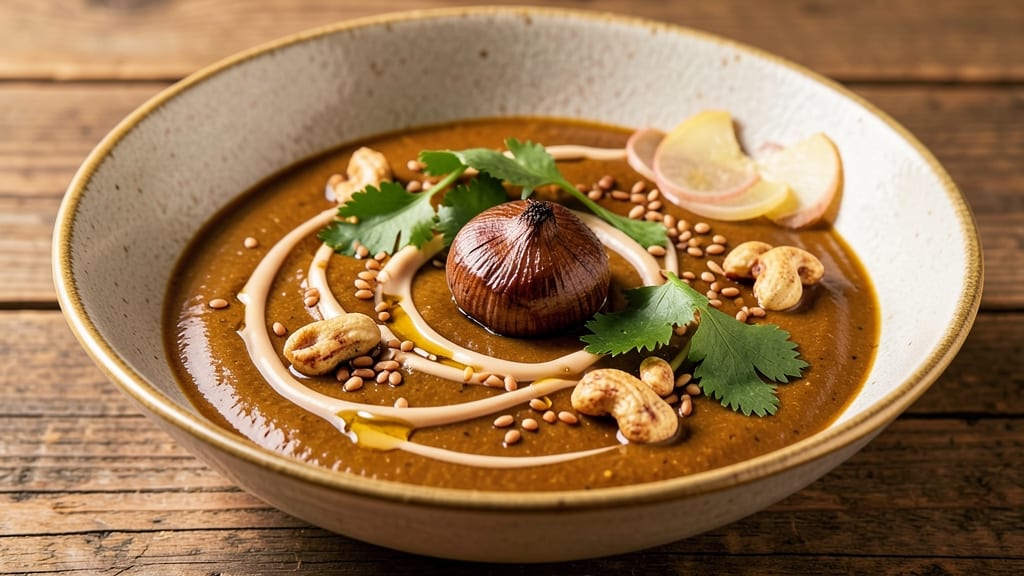
This Asian pesto sauce recipe transforms classic Italian flavors into a nutty, zesty condiment perfect for noodles, dipping, or drizzling over grilled meats. The blend of toasted sesame seeds, fresh cilantro, and ginger creates a vibrant sauce with a perfect balance of creaminess and heat—no cheese required.
What makes this version stand out is the fusion of traditional pesto techniques with bold Asian ingredients like peanut butter and soy sauce, delivering a complex flavor profile that’s both familiar and exciting.
The foundation of this sauce lies in its three key components: the nutty base (sesame seeds and peanuts), the aromatic blend (cilantro, ginger, and garlic), and the tangy binder (soy sauce and lime).
Unlike traditional pesto, this version uses tahini or peanut butter for creaminess instead of cheese, making it rich, velvety, and packed with umami depth. The sauce comes together in just 10 minutes with minimal effort—no special equipment needed, just a food processor or blender.
What you’ll end up with is a versatile, restaurant-quality sauce that’s equally at home drizzled over ramen, slathered on spring rolls, or served as a dipping sauce for fresh vegetables. The ginger adds a bright kick, the sesame delivers nutty warmth, and the lime keeps it fresh and tangy.
Best of all, it keeps well in the fridge for up to 5 days, making it a perfect make-ahead condiment for meal prep or entertaining.
For extra depth, toast the sesame seeds and peanuts before blending to enhance their nutty flavors, and adjust the spice level to your taste with chili flakes or sriracha. This sauce is a game-changer for anyone looking to elevate their meals with bold, Asian-inspired flavors—without the fuss of traditional recipes.
Ingredients for asian pesto sauce
Game-changing Asian pesto comes together with these bold, nutty, zesty ingredients—no cheese needed!
| Ingredient | Amount | Notes |
|---|---|---|
| Toasted Sesame Seeds 🌿 | ½ cup | Store-bought or toasted in dry pan |
| Peanuts 🥜 | ½ cup | Raw or roasted, unsalted |
| Fresh Cilantro 🌿 | ¾ cup | Stems removed, loosely packed |
| Ginger Root 🧄 | 2 tbsp | Fresh, grated (about 1-inch piece) |
| Garlic Cloves 🧄 | 4 cloves | Peeled, roughly chopped |
| Peanut Butter 🥜 | ¼ cup | Natural, unsweetened preferred |
| Tahini 🥛 | ¼ cup | Substitute for peanut butter if preferred |
| Lime Juice 🍋 | 3 tbsp | Freshly squeezed, about 1 lime |
| Light Soy Sauce 🍶 | 2 tbsp | Or tamari for gluten-free |
| Extra-Virgin Olive Oil 🫒 | ⅓ cup | For creaminess and balance |
| Red Chili Flakes 🌶️ | 1 tsp | Adjust for heat preference |
| Salt 🧂 | ½ tsp | Kosher or sea salt |
| Water 💧 | ¼ cup | As needed for blending |
The sesame seeds and peanuts are your flavor powerhouses—toast them first in a dry pan for 2-3 minutes until fragrant. Trader Joe's has the best pre-toasted sesame seeds, but if you're toasting your own, don't walk away or they'll burn. For peanuts, raw or roasted unsalted works best—skip the salted kind. Fresh ginger and garlic are non-negotiable here; pre-minced garlic lacks the punch. If you're short on time, pre-grated ginger in the refrigerated section works, but it's not as vibrant. The cilantro should be bright green with no wilt—Mexican cilantro from the Latin aisle has a more citrusy kick.
No peanut butter? Tahini is the perfect swap—it's nuttier and deeper, but both work beautifully. Short on fresh ginger? Powdered ginger at half the amount gets you close, but it's not the same. The lime juice should be freshly squeezed—bottled lime juice tastes flat and artificial. For the soy sauce, light soy or tamari both work; just don't use dark soy unless you want a molasses-like flavor. The red chili flakes can be swapped for sriracha at half the amount if you prefer liquid heat. And if you're making this ahead, add the lime juice last—it keeps the sauce brightest when fresh.
This sauce keeps like a dream—5 days in the fridge sealed tightly, or 3 months frozen in ice cube trays for single servings. The texture thickens as it chills, so stir in a splash of water if it gets too stiff. I always make a double batch because it disappears fast—drizzled over ramen, slathered on spring rolls, or as a dipping sauce for veggies. Freeze extras in 1-tablespoon portions for quick use in stir-fries or marinades.
Why You'll Love This Recipe
- No-Fuss Blender Magic: I swear by this recipe—just toss everything into a food processor, pulse, and boom, you’ve got sauce. No straining, no fancy techniques, just raw flavor with zero cleanup.
- Nutty-Ginger Zing: That toasted peanut crunch meets fresh ginger’s kick—it’s like a warm hug for your taste buds. Honestly, the garlic and cilantro make it sing, but the peanuts keep it from being too sharp.
- Weeknight Workhorse: Slather it on noodles, stir it into ramen, or drizzle over grilled chicken—it’s my go-to for lazy nights. Even my picky roommate asks for seconds (and he hates cilantro).
- Budget-Friendly Pantry Staple: Sesame seeds and peanuts last forever, and ginger/garlic are cheap. I make a big batch, store it in the fridge, and use it for days without breaking the bank.
Step-by-step instructions for Asian pesto sauce
This vibrant sauce comes together in minutes with bold flavors you'll want to drizzle everywhere.
Toast the Nutty Base
Heat a dry skillet over medium heat and add the 0.5 cup toasted sesame seeds and 0.5 cup peanuts. Toast for 3-4 minutes until fragrant and golden brown, stirring constantly to prevent burning. You'll know it's ready when you smell that nutty aroma - it should fill your kitchen and make your mouth water.
Immediately transfer the toasted mixture to a food processor or high-powered blender. Let it cool for just 1 minute before processing - this prevents the oil from separating later. I always give the mixture a quick pulse first to break up any large peanut chunks before moving to full speed.
Add Aromatics and Wet Ingredients
Add the 0.75 cup fresh cilantro, 2 tbsp grated ginger root, and 4 cloves garlic to the processor. Pulse 2-3 times to chop finely before adding the remaining ingredients. This step ensures even distribution of the fresh flavors throughout the sauce.
Next, add the 0.25 cup peanut butter, 0.25 cup tahini, 3 tbsp lime juice, 2 tbsp light soy sauce, 1 tsp red chili flakes, and 0.5 tsp salt. The mixture will look thick and chunky at this stage, but don't worry - we're about to transform it into something silky smooth.
Blend with Oil and Water
With the processor running on medium speed, slowly drizzle in the 0.33 cup extra-virgin olive oil. This gradual addition prevents the sauce from becoming too thick. After about 30 seconds, add the 0.25 cup water and continue blending until completely smooth, scraping down the sides as needed.
Blend for a total of 1-2 minutes until the sauce is completely smooth with no visible texture. Taste and adjust seasoning - you might need a bit more lime juice for brightness or soy sauce for umami. The perfect sauce should balance nutty, fresh, and slightly spicy flavors with a creamy texture.
Rest and Adjust Consistency
Transfer the sauce to a bowl and let it rest for 5 minutes at room temperature. This resting period allows the flavors to meld together perfectly. If the sauce is too thick for your liking, thin it with an additional 1-2 tablespoons of water, blending briefly to combine.
Give it one final taste and adjust the seasoning if needed. The sauce should be vibrant green with nutty red flecks from the sesame and peanuts. This versatile sauce keeps well in the refrigerator for up to 5 days, making it perfect for meal prep - just give it a quick stir before using.
Pro Tips For Making Asian Pesto Sauce
- Toast the Peanuts First: I learned this the hard way—tossing raw peanuts into the mix makes the sauce taste flat and mealy. Dry-toast them in a pan over medium heat until they’re golden and fragrant (about 5 minutes), then cool before blending. That extra step unlocks their nutty depth.
- Use a Microplane for Ginger: Peeling and grating ginger with a knife is a hassle, and pre-minced ginger in jars tastes like sawdust. A microplane gets you fine, fresh shreds without the bitterness, and it blends into the sauce smoothly. (Yes, even if you’re impatient like me.)
- Pulse the Garlic: Whole garlic cloves in a food processor? They’ll turn your pesto into a thick paste. Pulse them first until they’re rough chunks, then add the rest. This keeps the texture light and lets the garlic flavor shine without overpowering.
- Blend in Stages: Don’t dump everything in at once—cilantro and sesame seeds clog the works. Start with the peanuts, garlic, and ginger, then add cilantro and seeds last. If it’s too thick, thin with a splash of neutral oil or lime juice, but don’t skip this step. (Your future self will thank you.)
Common mistakes when making this dish
Over-Toasting Nuts
Watch those sesame seeds and peanuts like a hawk—they burn faster than you think! I’ve ruined batches by walking away for just 30 seconds while toasting. The goal is golden brown and fragrant, not crispy or bitter.
Use a light-colored skillet for better visual cues, and keep the heat at medium-low to prevent scorching. If you smell smoke, you’ve gone too far. 🔥
Skipping the Rest
I can’t stress this enough: never skip the 5-minute rest after blending. This isn’t just about flavor—it’s about texture. The sauce will thicken slightly as it cools, and resting prevents it from separating later.
If you’re in a rush, at least let it sit for 2 minutes before using. Trust me, the difference is noticeable!
Using Bottled Lime Juice
Bottled lime juice is a flavor crime in this sauce. It lacks the bright acidity and freshness of freshly squeezed juice. If you’re short on time, at least use freshly zested lime (the peel) mixed with a little water—it’s closer to the real deal.
For extra zing, add ½ tsp lime zest directly to the sauce after blending. 🍋
Incorrect Oil Addition
Drizzling oil too quickly is a common mistake that leads to a greasy, unbalanced sauce. Always add oil slowly while blending on medium speed. If you pour it all at once, the sauce will seize up and become too thick to emulsify properly.
For a smoother texture, use a high-powered blender like a Vitamix—it handles oil better than basic food processors.
Ignoring the Water
The ¼ cup water isn’t just filler—it’s essential for achieving the perfect creamy consistency. Without it, the sauce can turn into a dense paste. If you’re worried about thinning too much, start with 2 tablespoons and add more as needed.
Pro tip: Use ice-cold water to prevent overheating the sauce during blending. ❄️
Not Adjusting Seasoning
Taste your sauce before storing—don’t assume it’s perfect just because the recipe says so. I’ve made batches that needed an extra ½ teaspoon salt or 1 more tablespoon lime juice to balance the flavors.
Keep a small bowl of each ingredient nearby so you can tweak it easily. The sauce should sing with nutty, tangy, and slightly spicy notes—if one flavor dominates, adjust accordingly.
Nutrition facts
Frequently asked questions
Can I make this sauce without peanut butter?
Swap the peanut butter for ½ cup tahini (sesame paste) or ¼ cup almond butter for a similar nutty richness. For a vegan option, use ¼ cup silken tofu blended smooth—it adds creaminess without altering the flavor profile. Just reduce the water by 1 tablespoon if using tahini, as it's thicker.
How can I adjust the spice level?
Start with the 1 teaspoon red chili flakes as written, but adjust to taste. For mild heat, reduce to ½ teaspoon or swap for ½ teaspoon sriracha. For extra kick, add ½ teaspoon gochugaru (Korean chili flakes) or a dash of chili crisp. Always taste before serving—spice builds as the sauce rests!
What’s the best way to store leftovers?
Transfer the sauce to an airtight container and refrigerate for up to 5 days. The texture thickens when chilled, so stir in 1-2 teaspoons water before using. For longer storage, freeze in 1-tablespoon portions in ice cube trays—thaw overnight in the fridge. Never freeze with lime juice, as it can cause separation.
Can I use this sauce on non-Asian dishes?
Yes! This sauce elevates grilled chicken, steak sandwiches, or even tacos with its nutty-sweet depth. Drizzle it over roasted vegetables or use as a marinade for tofu or shrimp. The ginger and lime cut through richness, making it perfect for hearty dishes. Think of it as a flavor bridge between Asian and Western cuisines!
Why did my sauce separate?
Separation usually happens from over-blending or skipping the rest time. To fix it, stir in 1 teaspoon water and blend briefly. For prevention: add oil slowly while blending, and always rest the sauce 5 minutes before using. If it still separates, reheat gently (don’t boil) while stirring constantly.