
Sauces & Condiments
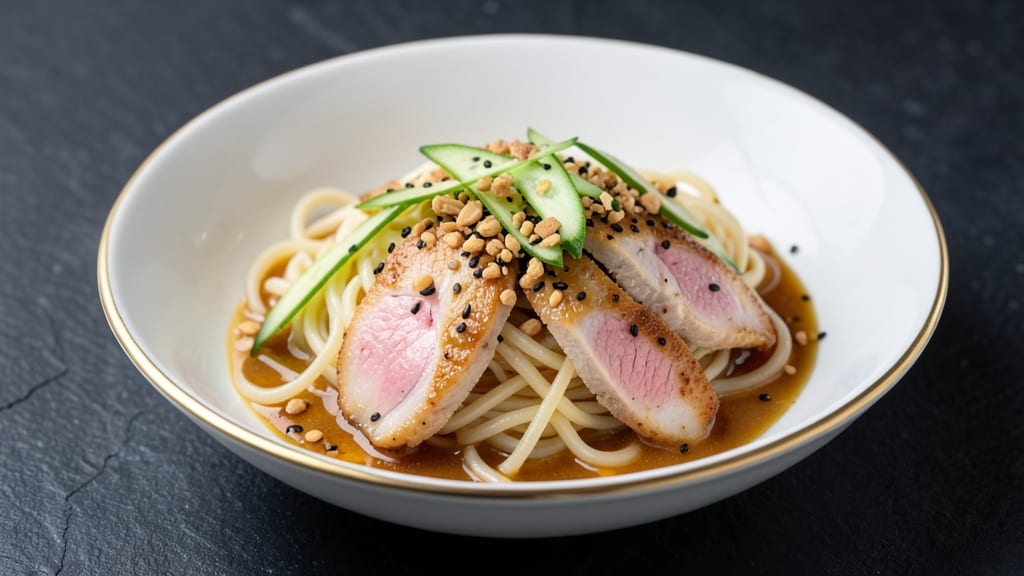
This Asian noodles with peanut sauce recipe delivers restaurant-quality takeout flavors in under 30 minutes. 💛 The secret lies in balancing creamy peanut sauce with bold aromatics—ginger, garlic, and soy—that transform simple noodles into a satisfying meal.
I developed this version after craving that perfect harmony of nutty richness and savory depth without the takeout markup.
The foundation is a smooth, velvety peanut sauce that coats every strand of noodle, whether you choose fresh egg noodles or chewy rice sticks. Stir-frying the protein (chicken, shrimp, or tofu) in small batches ensures perfect doneness while preserving texture.
What makes this dish special is how the sauce clings to everything—no soggy noodles here, just a perfect marriage of textures and flavors.
By the time you're done, you'll have a bowl packed with tender noodles, flavorful protein, and that signature peanut sauce that's creamy yet tangy. The aroma alone will have everyone at the table asking for seconds.
Garnish with crushed peanuts, fresh cilantro, and a squeeze of lime for brightness that cuts through the richness.
This recipe scales beautifully for weeknight dinners or meal prep—just adjust the sauce quantity accordingly. The beauty of this dish is its versatility: swap proteins based on what you have, or make it vegetarian with extra tofu. Let's get cooking!
Ingredients for asian noodles with peanut sauce
These simple yet bold ingredients create restaurant-style peanut noodles with nutty depth and savory punch.
| Ingredient | Amount | Notes |
|---|---|---|
| Egg Noodles 🍜 | 8 oz | Fresh or dried, any width |
| Peanut Butter 🥜 | ½ cup | Creamy, unsweetened preferred |
| Soy Sauce 🍶 | ¼ cup | Light or dark, no sugar added |
| Rice Vinegar 🍶 | 2 tbsp | White or seasoned |
| Sesame Oil 🫒 | 1 tbsp | Toasted, for aroma |
| Chicken Breast 🍗 | 1 lb | Boneless, skinless, thinly sliced |
| Garlic Cloves 🧄 | 4 cloves | Minced, fresh preferred |
| Fresh Ginger 🌿 | 1 tbsp | Grated, not powdered |
| Honey 🍯 | 1 tbsp | For sauce balance |
| Vegetable Oil 🫒 | 2 tbsp | High smoke point |
| Crushed Peanuts 🥜 | ¼ cup | For garnish, unsalted |
| Fresh Cilantro 🌿 | ¼ cup | Chopped, stems removed |
| Lime Juice 🍋 | 1 tbsp | Freshly squeezed |
| Salt 🧂 | 1 tsp | Kosher or sea salt |
| Black Pepper 🌶️ | ½ tsp | Freshly ground |
The peanut butter is the star—creamy, unsweetened gives the best texture, but chunky works too if you prefer. Trader Joe's has the best-priced natural peanut butter in jars, and it's worth the extra for this dish. Fresh ginger and garlic are non-negotiable—they're the aromatic backbone that makes this taste like takeout. I always grab extra ginger because it keeps in the freezer for months once peeled. The soy sauce should be no sugar added if you want to control sweetness yourself, but regular works fine too.
No peanut butter? Cashew butter or tahini in a pinch, but the flavor profile changes slightly. Short on chicken? Shrimp or extra-firm tofu cooks faster—just adjust time. The sesame oil is for aroma only, so don't skimp! If you can't find toasted, regular sesame oil plus a pinch of toasted sesame seeds works. The noodles can be fresh or dried—just cook them al dente since they'll finish in the sauce. For extra richness, stir in a spoonful of coconut milk with the peanut butter.
This sauce keeps for 5 days in the fridge—make extra for stir-fries or sandwiches. The noodles reheat best with a splash of water to loosen them up. Garnish with crushed peanuts and cilantro right before serving (the lime juice should go in last). Freeze the sauce in ice cube trays for single portions—just thaw and stir. The fresh ginger and garlic can be prepped ahead and stored in the freezer for 3 months.
Why You'll Love This Recipe
- One-Pot Magic: I swear by this recipe when I’m too tired to wash dishes. Just toss the cooked noodles with that rich peanut sauce—no extra pans, no fuss—and the sesame oil ties it all together with zero cleanup.
- Craving-Worthy Balance: The peanut butter gives this dish that deep, nutty richness, while the rice vinegar and soy sauce cut through it with just the right tang. Honestly, it’s the kind of flavor that makes you go back for seconds without even thinking.
- Lunchbox Hero: Between us, this is my secret weapon for packed lunches. The sauce clings to the noodles perfectly, and it stays fresh in the fridge for days. Toss in some chopped peanuts or veggies, and you’ve got a meal that’s as satisfying as it is easy.
- Budget-Friendly Staple: Peanut butter and soy sauce? Those are pantry basics that cost next to nothing. I make this for my college-aged kids all the time—it’s filling, packed with flavor, and won’t break the bank when grocery shopping.
Step-by-step instructions for Asian noodles with peanut sauce
Here's how to create restaurant-quality peanut sauce in minutes—creamy, tangy, and packed with flavor!
🍳 Step 1: Cook the Chicken Until Fully Done
Slice the 1 lb chicken breast into thin strips about ¼-inch thick. Heat 2 tablespoons vegetable oil in a large skillet over medium-high heat until shimmering. Add the chicken in a single layer and cook for 4-5 minutes, stirring occasionally, until the edges turn opaque white and the internal temperature reaches 165°F. You'll know it's ready when the chicken releases easily from the pan.
Remove the chicken from the skillet and set it aside on a plate. Keep the skillet on the burner—those flavorful browned bits are about to become your sauce base. If the pan looks dry, add 1 tablespoon water to deglaze and scrape up any stuck-on bits. This ensures maximum flavor in your peanut sauce.
👨🍳 Step 2: Build the Peanut Sauce Foundation
With the skillet still on medium heat, add 4 cloves minced garlic cloves and 1 tablespoon grated fresh ginger. Cook for 30 seconds until fragrant—you should smell that bright, zesty aroma. Immediately add 0.5 cup peanut butter and stir vigorously for 1 minute until completely melted and smooth. The sauce should thicken noticeably as it cooks.
Pour in 0.25 cup soy sauce and 2 tablespoons rice vinegar, stirring constantly to combine. Let the mixture simmer for 2 minutes until it begins to bubble gently. This is where all the flavors meld together—don't rush this step. The sauce should now have a rich, nutty base with a tangy kick from the vinegar.
🥘 Step 3: Finish the Sauce with Sweet and Tangy Notes
Reduce heat to medium-low and stir in 1 tablespoon honey and 1 tablespoon sesame oil. Add 1 tablespoon lime juice and 1 tablespoon vegetable oil (if needed to thin slightly). The sauce should coat the back of a spoon but still be pourable. If it's too thick, add 1-2 tablespoons hot water from the noodle pot to reach your desired consistency.
Season with 1 teaspoon salt and 0.5 teaspoon black pepper, then taste and adjust. I like to add just a pinch more soy sauce for saltiness or a splash of lime for brightness. The perfect sauce balances sweet, salty, tangy, and nutty flavors—this is where you fine-tune that harmony.
🍳 Step 4: Cook and Toss the Noodles
While the sauce simmers, bring a large pot of water to a rolling boil and cook the 8 oz egg noodles according to package instructions until al dente (usually 4-5 minutes). Reserve ½ cup pasta water before draining. Drain the noodles and immediately return them to the pot.
Pour the peanut sauce over the noodles and toss vigorously with tongs for 1-2 minutes. Add reserved pasta water 1 tablespoon at a time until the noodles are fully coated with sauce and the texture is silky. The noodles should glisten with sauce—this is what makes them irresistibly creamy.
🍽️ Step 5: Assemble and Garnish for Maximum Appeal
Transfer the noodles to serving bowls and top with the cooked chicken. Sprinkle generously with 0.25 cup crushed peanuts and 0.25 cup chopped fresh cilantro. The peanuts add crunch while the cilantro brings freshness to cut through the richness. Serve immediately while the noodles are hot and the sauce is glossy.
Each bite should deliver tender chicken, chewy noodles, and that perfect peanut sauce—creamy yet tangy, sweet yet savory. This dish comes together faster than takeout but tastes like you've been cooking all day. Trust me, your taste buds will thank you!
Pro Tips For Making Asian Noodles With Peanut Sauce
- STIR THE PEANUT SAUCE HOT: The peanut butter will clump like a stubborn child if you add it cold. Heat your sauce base (soy sauce, vinegar, water) to a gentle simmer first—just until tiny bubbles form—then whisk in the peanut butter. It’ll melt smooth and creamy, not turn into peanut butter glue. (Yes, I’ve had to scrape it off the pan before. You’re welcome.)
- USE CREAMY PEANUT BUTTER ONLY: Skip the crunchy stuff—it doesn’t dissolve the same way. Creamy peanut butter blends into the sauce without grainy surprises, and it’s easier to control the thickness. If you’re out of creamy, blend crunchy with a splash of hot water first, but strain it afterward. (Trust me, your sauce will thank you.)
- COOK NOODLES UNTIL AL DENTE: Egg noodles finish cooking in the sauce, so pull them out when they’re still slightly firm—about 2 minutes before package instructions say. Toss them straight into the warm (not scorching) peanut sauce, and they’ll soften perfectly while soaking up flavor. (Overcooked noodles turn to mush. We’re avoiding that.)
- FINISH WITH SESAME OIL LAST: Add sesame oil right before serving—it’s heat-sensitive and burns easily. A single teaspoon drizzled over the top gives that nutty aroma without turning bitter. (I learned this after one disastrous batch where the whole dish tasted like burnt hay. Don’t be me.)
Serving suggestions for this dish
Protein Swaps
This dish works beautifully with any protein—swap chicken for shrimp (cook just 2-3 minutes per side) or extra-firm tofu (press for 15 minutes, then pan-fry until golden). For a heartier option, try chicken thighs (they stay juicier and absorb more sauce).
I love using rotisserie chicken for quick weeknight meals—just shred it and toss with the noodles. 🍗
Veggie Add-Ins
Add bell peppers (sliced thin) or bok choy (stir-fried for 2 minutes) for extra crunch and color. Shredded carrots or bean sprouts work well too—they add freshness that balances the peanut sauce.
For a smoky twist, toss in grilled mushrooms or charred corn. Always stir-fry veggies until tender-crisp before combining with noodles. 🌱
Sauce Variations
For a spicier kick, add 1 tsp chili flakes or ½ tsp sriracha to the sauce. A sweeter version? Swap honey for maple syrup or add 1 tsp brown sugar.
For extra creaminess, stir in 2 tbsp coconut milk at the end. I also love a savory twist with 1 tsp fish sauce for umami depth. 🌶️
Garnish Ideas
Beyond crushed peanuts and cilantro, try toasted sesame seeds for nutty crunch or lime wedges for a zesty finish. Thinly sliced scallions add brightness, while crumbled bacon gives a smoky contrast.
For a pop of color, add red pepper flakes or pickled onions. Garnishes should complement, not overpower—the sauce is the star! ✨
Serving Styles
Serve this dish family-style in a large bowl for sharing or individual bowls for a restaurant feel. For a meal-prep hack, store components separately and assemble when ready—sauce keeps for 5 days in the fridge.
Double the sauce for stir-fry leftovers or sandwiches. I love pairing it with steamed dumplings or spring rolls for a full Asian feast. 🍜
Beverage Pairings
A light lager like Asahi or Sapporo cuts through the richness perfectly. For something bolder, try jasmine tea or lychee iced tea—both complement the peanut sauce’s sweetness. Sparkling water with lime is my go-to for a refreshing contrast.
Avoid heavy drinks like red wine, which can overpower the dish. 🍺
Nutrition facts
Frequently asked questions
Can I make this peanut sauce without peanut butter?
For a nut-free version, substitute ½ cup cashew butter or ¼ cup tahini plus 1 tablespoon coconut milk to maintain creaminess. The flavor will be slightly different but still delicious. If you're allergic, check labels for cross-contamination warnings.
How do I prevent the sauce from getting too thick?
The sauce should coat the back of a spoon but remain pourable. If it thickens too much, add 1 tablespoon hot water or reserved noodle water at a time while stirring. For extra insurance, reduce the peanut butter to ¼ cup if you prefer a lighter sauce. The key is to adjust while the sauce simmers on medium-low heat.
What's the best way to store leftovers?
Store the sauce separately in an airtight container for up to 5 days in the fridge. Reheat gently in a saucepan with 1 tablespoon water to prevent thickening. For noodles, refrigerate them in the sauce for 3 days max—they absorb more moisture over time. To reheat, add a splash of water and toss until warmed through. Freeze sauce in ice cube trays for single portions.
Can I use dried noodles instead of fresh?
Yes! Dried noodles work perfectly—just cook them 1 minute less than package instructions and rinse briefly with cold water to stop cooking. The slight chewiness pairs beautifully with the peanut sauce. For extra flavor, add 1 teaspoon sesame oil to the cooking water. Fresh noodles are ideal but not required.
Why does my sauce taste too sweet?
This usually happens when the peanut butter is sweetened or if you added too much honey. Balance it by increasing soy sauce (add 1 teaspoon at a time) or rice vinegar (add ½ teaspoon) for acidity. A squeeze of lime juice also helps cut sweetness. Always taste as you go—adjust gradually!