
Sauces & Condiments
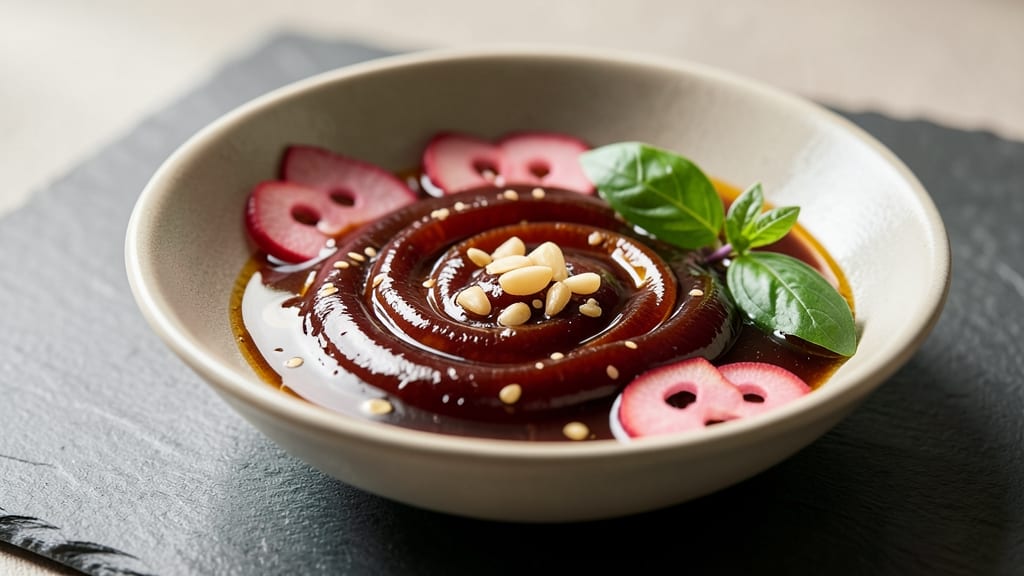
This Asian glaze sauce recipe transforms ordinary stir-fries and grilled dishes into restaurant-worthy masterpieces with its perfect balance of sticky-sweet and savory flavors. 🌟 The secret lies in simmering honey, soy sauce, and aromatic spices until it reduces to a glossy, velvety consistency—ideal for locking in moisture and adding depth to meats, vegetables, or noodles.
I developed this version after years of testing, ensuring it delivers that signature shine and complex flavor profile without overpowering your dish.
The beauty of this glaze is its versatility—it works equally well as a finishing sauce for grilled chicken, a dipping sauce for spring rolls, or a glaze for roasted vegetables.
The combination of honey and soy creates that signature caramelized sweetness, while fresh ginger and garlic add a bright, aromatic kick. For an extra umami boost, a splash of fish sauce or oyster sauce elevates it to another level, making it adaptable to any Asian-inspired meal.
What sets this recipe apart is the foolproof technique for achieving that glossy finish without burning. By simmering the sauce on medium-low heat and stirring constantly, you’ll create a thick, syrupy consistency that clings beautifully to whatever you’re glazing.
The result? A sauce that’s rich, balanced, and packed with layers of flavor—every bite feels like a taste of your favorite takeout, but made at home.
Whether you're prepping for a weeknight dinner or hosting a gathering, this glaze sauce is a game-changer. It keeps well in the fridge for up to a week, so you can make a big batch and use it throughout the week.
Let’s get started—your dishes are about to taste like they’ve been cooked by a pro.
Ingredients for asian glaze sauce
Nine simple ingredients transform any dish into a restaurant-quality masterpiece with sticky-sweet brilliance.
| Ingredient | Amount | Notes |
|---|---|---|
| Honey 🍯 | ½ cup | Light or dark amber preferred |
| Soy Sauce 🍶 | ½ cup | Light or dark soy sauce |
| Rice Vinegar 🍶 | ¼ cup | White or seasoned rice vinegar |
| Fresh Ginger 🧄 | ¼ cup | Finely grated or minced |
| Garlic Cloves 🧄 | 4 cloves | Minced or finely chopped |
| Sesame Oil 🫒 | 1 tbsp | Toasted sesame oil preferred |
| Fish Sauce 🍶 | 1 tbsp | Optional for umami boost |
| Cornstarch 🌾 | 1 tbsp | For thickening consistency |
| Water 💧 | ¼ cup | Room temperature preferred |
| Red Pepper Flakes 🌶️ | ½ tsp | Adjust for heat preference |
The honey is your secret weapon here—local, raw honey adds the deepest flavor, but any light amber works. Grab a small jar from Trader Joe's if you want to splurge, or use what you've got. Fresh ginger and garlic are non-negotiable for that bright, aromatic kick—peeling and grating ginger (no zesting) gives you the perfect texture. The soy sauce? Light soy for subtle flavor, dark for richer color. I always double-check my fish sauce—Red Boat or Three Crabs brands are my go-tos for that clean, umami punch.
No fish sauce? Oyster sauce or extra soy sauce works in a pinch. Short on ginger? Ginger powder at half the amount gets you close, but it won't be as vibrant. The cornstarch is your thickening MVP—Diamond Crystal brand dissolves perfectly. For extra depth, add a dash of white pepper or a pinch of sugar if your honey isn't sweet enough. The red pepper flakes? Taste first—start with 1/4 tsp if you're sensitive to heat. And if you're making this ahead, store the dry ingredients separately until ready to use.
This sauce keeps beautifully—up to 2 weeks in the fridge once fully reduced. For long-term storage, freeze in ice cube trays and transfer to a bag. Thaw overnight in the fridge, then reheat gently. The glaze thickens as it cools, so add a splash of water if it gets too stiff. Pro tip: Brush it on while hot for that signature caramelized crust on grilled meats or veggies. Leftovers? Toss them into stir-fries or use as a dipping sauce—versatile stuff.
Why You'll Love This Recipe
- Five-Ingredient Magic: I swear by this combo—honey’s sweetness cuts through the sharpness of fresh ginger and garlic, while soy sauce and rice vinegar balance it like a well-choreographed dance. No fancy techniques, just a quick simmer and you’ve got flavor that sticks.
- Weeknight Glaze Hero: When I’m too tired to measure, this sauce still delivers. Toss it on grilled chicken, drizzle over stir-fried veggies, or even mix into a marinade—it’s the one sauce that never lets me down, even when I forget to prep ahead.
- Pantry Staple Power: Honestly, I make this so often I’ve stopped counting. The ingredients are cheap, the sauce keeps for weeks in the fridge, and I never regret having it on hand. No more scrambling for store-bought glaze when I’m craving something quick.
- Secret Crowd-Pleaser: Between us, this is the sauce that gets my picky eaters to actually finish their plates. The honey’s caramelized kick makes everything taste richer, and the ginger adds just enough zing to keep it interesting—not too sweet, not too salty, just right.
Step-by-step instructions for Asian glaze sauce
This sauce delivers perfect balance—sticky, sweet, and packed with umami. Let's make it together.
🍳 Step 1: Bloom the Aromatics in Sesame Oil
Heat a small saucepan over medium-low heat and add the 1 tablespoon sesame oil. Let it warm for 30 seconds until fragrant—you'll smell that nutty aroma. This is where the magic starts.
Add the 4 minced garlic cloves and ¼ cup finely grated fresh ginger. Cook for 1-2 minutes until the garlic turns golden and the ginger softens slightly. Watch closely—ginger burns quickly, so keep the heat gentle. Stir constantly to prevent browning.
🍳 Step 2: Combine Wet Ingredients
Pour in the ½ cup honey, ½ cup soy sauce, and ¼ cup rice vinegar all at once. Stir vigorously to dissolve the honey completely—it should melt smoothly into the mixture. This is where the sauce starts to take shape.
Add the 1 tablespoon fish sauce (if using) and ½ teaspoon red pepper flakes. Bring the mixture to a gentle simmer over medium heat, then reduce heat to low. Let it cook uncovered for 5 minutes to develop the flavors. You'll notice the sauce darkening slightly—that's perfect.
🥘 Step 3: Thicken the Glaze
In a small bowl, whisk together the 1 tablespoon cornstarch with the ¼ cup water until completely dissolved. This is your thickening agent—no lumps allowed.
Slowly pour the cornstarch mixture into the simmering sauce while stirring constantly. The sauce will thicken immediately—keep stirring for 1-2 minutes until it reaches a glossy, syrupy consistency. It should coat the back of a spoon smoothly. If it's too thick, add 1 teaspoon water at a time until you reach the perfect glaze texture.
⏰ Step 4: Cool and Adjust
Remove the sauce from heat and let it cool for 5 minutes. Taste and adjust seasoning if needed—add more soy sauce for saltiness, honey for sweetness, or rice vinegar for tang. The sauce should be balanced between sweet, salty, and slightly tangy with a hint of spice.
For best results, let the sauce cool completely before using. This allows all the flavors to meld together. Store any leftovers in an airtight container in the refrigerator for up to 2 weeks. Reheat gently in a saucepan over low heat, stirring occasionally, until warmed through.
Pro Tips For Making Asian Glaze Sauce
- Simmer Low and Slow: This sauce isn’t a race—keep the heat at a gentle simmer (barely bubbling) or you’ll burn the honey and end up with bitter, charred bits instead of that glossy, balanced glaze. I learned this the hard way when my first batch turned into syrup-like sludge.
- Grind the Ginger Fine: Skip the julienne or rough chop—use a microplane or finely grate the ginger so it dissolves completely into the sauce. Lumpy ginger means texture issues, and you’ll taste every speck. (Yes, even if you’re impatient like me.)
- Balance the Vinegar Last: Add the rice vinegar at the very end, just before removing the pan from heat. Too early and the acid will cut the sweetness too aggressively; too late and you’ll have to reheat the whole thing. Taste as you go—this is where the magic happens.
- Use Dark Soy for Depth: Swap half the regular soy sauce for dark soy—it adds a richer, caramelized note that cuts through the honey’s sweetness without overpowering it. I was skeptical until I tried it; now I never go back. (Your future self will thank you.)
Troubleshooting perfect results
Burnt Ginger Fix
If your ginger turns dark brown or bitter while cooking, it’s overcooked—this happens fast! Remove the pan immediately and add 1 teaspoon fresh lemon juice or ½ teaspoon sugar to neutralize the bitterness.
Stir in 1 tablespoon honey to restore balance. For next time, keep heat at medium-low and stir every 30 seconds. 💡
Sauce Too Thin?
If your glaze isn’t thick enough, don’t panic! Mix 1 teaspoon cornstarch with 1 tablespoon water and stir it into the sauce while simmering. For a quicker fix, reduce heat to low and cook uncovered for 5-10 extra minutes, stirring often.
If it’s still too runny, repeat with another ½ teaspoon cornstarch. 🥄
Grainy Texture?
Graininess usually means undissolved cornstarch or honey. Whisk in 1 tablespoon warm water and simmer for 1-2 minutes to smooth it out. For stubborn clumps, strain the sauce through a fine-mesh sieve.
If the issue persists, try a fresh batch with 1 extra minute of simmering time to ensure everything blends. ✨
Overpowering Fish Sauce?
Fish sauce can dominate if overused. Balance it by adding ½ teaspoon sugar or 1 teaspoon honey to mellow the funk. For a milder umami, swap 1 tablespoon oyster sauce or ½ teaspoon soy sauce instead. Taste as you go—adjust gradually! 🧂
Glaze Too Sweet?
If your glaze tastes cloyingly sweet, add 1 teaspoon rice vinegar or ½ teaspoon soy sauce to cut the sweetness. For extra depth, stir in 1 teaspoon toasted sesame oil or a pinch of white pepper. Simmer for 1 extra minute to let flavors meld. 🍯
Storage Issues
If your glaze separates or thickens too much in storage, whisk in 1 teaspoon water to restore consistency. For moldy glaze (rare but possible), discard it immediately—never risk it. To prevent separation, store in a glass jar with a tight-sealing lid. Reheat gently over low heat to avoid clumping. ❄️
Nutrition facts
Frequently asked questions
Can I use this glaze sauce on vegetables instead of meat?
This sauce works beautifully on roasted or grilled vegetables like broccoli, carrots, or bell peppers. Brush it on after cooking to create a caramelized crust, or toss cooked veggies in the sauce for a sticky-sweet finish. For extra flavor, add a pinch of garlic powder or smoked paprika to the glaze before applying.
How do I adjust the sweetness level for different dishes?
For less sweetness, reduce honey by 1 tablespoon and add ½ teaspoon extra soy sauce or 1 teaspoon rice vinegar. For richer sweetness, increase honey by 1 tablespoon and balance with ½ teaspoon ginger juice to maintain complexity. Always taste as you go—adjust gradually!
What's the best way to store leftover glaze sauce?
Store in an airtight container in the fridge for up to 2 weeks. For longer storage, freeze in ice cube trays and transfer to a bag. Thaw overnight in the fridge—never microwave directly. If it thickens too much, whisk in 1 teaspoon water to restore consistency.
Can I make this sauce without cornstarch?
Yes! Swap cornstarch for 1 tablespoon arrowroot powder or 1 teaspoon xanthan gum (mixed with 1 tablespoon water). For a grain-free option, simmer the sauce uncovered for 10-15 extra minutes to reduce naturally—just stir constantly to prevent sticking. The texture will be slightly thinner but still glossy.
How can I use this glaze for takeout-style dishes?
Drizzle over stir-fried noodles or rice for instant flavor, or use as a dipping sauce for spring rolls or dumplings. For extra richness, mix 1 teaspoon toasted sesame oil into the glaze before serving. Pro tip: Warm the sauce gently before using to enhance its aromatic qualities.