
Sauces & Condiments
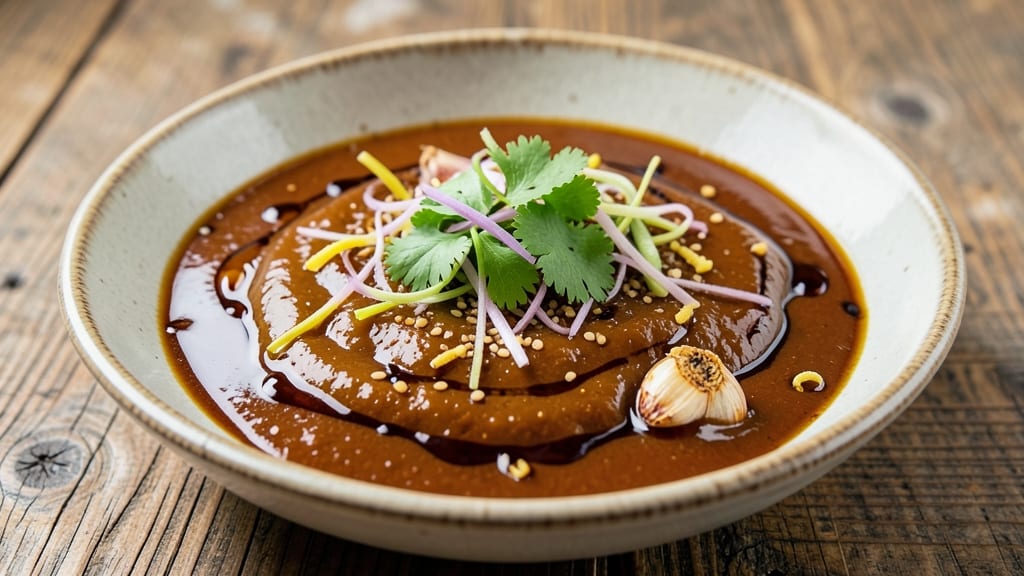
This Asian Cajun sauce recipe merges bold Cajun heat with umami-rich Asian flavors for a fusion sauce that elevates stir-fries, wings, and more. The perfect balance of sweet, spicy, and savory comes from a blend of traditional Cajun spices and essential Asian pantry staples like soy sauce and fish sauce.
What makes this sauce special is its versatility—it works as a marinade, dipping sauce, or stir-fry glaze, adapting seamlessly to chicken, tofu, or seafood.
The sauce builds flavor through a simple yet effective process: simmering garlic, ginger, and Cajun seasoning in oil until fragrant, then deglazing with soy sauce, fish sauce, and a touch of honey for depth.
A splash of vinegar brightens the flavors, while optional chili or cayenne adds customizable heat. The result is a glossy, aromatic sauce with layers of complexity that stay balanced even when reheated.
What you’ll achieve is a sauce that’s restaurant-quality yet easy to replicate at home, with a texture that clings beautifully to proteins and vegetables. The sweetness from honey and soy plays against the smoky Cajun spices, creating a harmony that’s both familiar and exciting.
This sauce transforms ordinary meals into standout dishes with minimal effort.
Use it immediately for crispy wings or stir-fried noodles, or store it in the fridge for up to a week—it only gets better as the flavors meld. Whether you’re cooking for a crowd or meal prepping, this sauce delivers bold flavor without the fuss. Let’s make it!
Ingredients for asian cajun sauce
Nine pantry staples blend Cajun heat with Asian umami for a sauce that's restaurant-worthy at home.
| Ingredient | Amount | Notes |
|---|---|---|
| Extra-Virgin Olive Oil 🫒 | ¼ cup | High-quality, fruity variety |
| Garlic Cloves 🧄 | 6 cloves | Minced finely for aroma |
| Fresh Ginger 🌿 | 2 tbsp | Grated finely for zing |
| Cajun Seasoning 🌶️ | 2 tbsp | Store-bought or homemade blend |
| Light Soy Sauce 🥢 | ½ cup | Kikkoman preferred |
| Fish Sauce 🐟 | 1 tbsp | Red Boat brand recommended |
| Honey 🍯 | 2 tbsp | Wildflower for floral notes |
| Rice Vinegar 🍶 | 1 tbsp | Seasoned preferred |
| Cayenne Pepper 🔥 | 1 tsp | Adjust for heat preference |
| Sesame Oil 🥜 | 1 tbsp | Toasted for nutty aroma |
The Cajun seasoning is the backbone here—Tony Chachere's or a homemade blend works best. Grab Red Boat fish sauce if you can, it's smoother than most. For ginger, freshly grated is ideal (the jarred stuff lacks punch), but if you're in a rush, a microplane makes quick work of it. The garlic? Roast it first for 10 minutes at 400°F if you want a deeper, caramelized flavor—trust me, it changes everything. Soy sauce? Kikkoman is the standard, but any light soy will do.
No fish sauce? Oyster sauce or extra soy sauce works in a pinch, but you'll lose some depth. Honey substitute? Maple syrup or agave keeps it vegan. The cayenne is totally optional—skip it if you're sensitive to heat, but add more if you're feeling bold. Sesame oil is what gives this sauce its signature aroma, so don't skip it. Kadoya or La Choy are great budget options. For extra richness, stir in 1 tbsp peanut butter at the end—it sounds weird, but it rounds out the flavors perfectly.
This sauce keeps for 1 week in the fridge, and honestly, it gets better as it sits. The flavors meld beautifully overnight. For leftovers, store in a glass jar with a tight lid—it's perfect for drizzling over noodles or tossing with stir-fried veggies. Freeze in ice cube trays for single-use portions, then transfer to a bag. Thaw overnight in the fridge, no microwave needed.
Why You'll Love This Recipe
- Foolproof Pantry Mix: I swear by this—no fancy ingredients, just what’s already in my cabinet. That Cajun seasoning and light soy sauce? They’re the secret handshake here, turning simple garlic and ginger into something special without extra shopping trips.
- Umami Bomb Combo: Between us, the olive oil and ginger sizzle together until the kitchen smells like a dream. The Cajun seasoning adds that smoky kick, while the soy sauce ties it all into a rich, salty-sweet punch that’ll make you reach for seconds.
- Weeknight to Dinner Party: Slather it on grilled shrimp for a 20-minute weeknight meal, or drizzle it over roasted chicken for Sunday dinner. Honestly, it’s the one sauce that works just as hard for takeout night as it does for impressing guests—no stress, all flavor.
- Lasts Like a Champ: I make a double batch every time because it keeps in the fridge for weeks. Toss it in stir-fries, use it as a marinade, or even drizzle it on eggs—it’s my go-to for lazy mornings and last-minute cravings without breaking the bank.
Step-by-step instructions for Asian Cajun sauce
This bold sauce comes together in minutes with a perfect balance of heat and sweetness.
Bloom the Spices in Olive Oil
Heat the 0.25 cup extra-virgin olive oil in a medium saucepan over medium heat. Add the 6 cloves minced garlic and 2 tablespoons grated fresh ginger, stirring constantly for 1-2 minutes until the garlic turns golden and fragrant. This step unlocks their full flavor—don't let it burn, or you'll get a bitter taste.
Next, sprinkle in the 2 tablespoons Cajun seasoning and stir for 30 seconds until the spices sizzle and release their aroma. The oil should shimmer slightly, indicating it's ready for the next ingredients. If you smell anything burning, reduce the heat immediately—this is your cue to slow things down.
Build the Sauce Base
Pour in the 0.5 cup light soy sauce and 1 tablespoon fish sauce, stirring to combine. Let the mixture simmer gently for 3-4 minutes until it thickens slightly. You'll notice the sauce darkening as the flavors meld together—this is where the magic happens.
Add the 2 tablespoons honey and 1 tablespoon rice vinegar, stirring constantly. The honey will help balance the heat while the vinegar adds a bright acidity. Let it simmer for another 2 minutes, stirring occasionally, until the sauce begins to coat the back of a spoon. This is your signal that the flavors are starting to harmonize.
Add Heat and Finish
Reduce the heat to low and stir in the 1 teaspoon cayenne pepper. Be careful—cayenne can be potent, so taste as you go if you're sensitive to heat. The sauce should now have a deep, vibrant color with a glossy sheen.
Finally, remove the pan from heat and stir in the 1 tablespoon toasted sesame oil. This adds a nutty depth that ties everything together. Taste and adjust the seasoning—you might want to add a pinch more cayenne for extra heat or a splash of rice vinegar for brightness. Let the sauce sit for 5 minutes off the heat so the flavors fully meld.
Use Immediately or Store
This sauce is best used fresh, but it keeps well in an airtight container in the refrigerator for up to 1 week. Give it a quick stir before using, as the flavors continue to develop over time. It's perfect for tossing with stir-fried veggies, drizzling over grilled wings, or even as a glaze for roasted meats.
The sauce should have a perfect balance of smoky, spicy, sweet, and umami notes. If it's too thick, thin it with a splash of water or broth. If it's too thin, simmer it uncovered for a few minutes to reduce. Trust your taste buds—this sauce is all about finding that sweet spot between bold and balanced.
Pro Tips For Making Asian Cajun Sauce
- Bloom the Ginger First: After burning three batches, I finally figured out that fresh ginger needs a head start—peel and slice it, then let it sit in the olive oil for 3-4 minutes before adding garlic. This softens the heat and lets the oil infuse properly. (Yes, even if you're impatient like me.)
- Low and Slow for Depth: Crank the heat to medium-low once the garlic hits the pan. I used to rush it, and the sauce ended up raw-tasting. Let it simmer uncovered for 8-10 minutes—this evaporates excess moisture and lets the Cajun seasoning bloom into something complex.
- Use Light Soy, Not Dark: Light soy sauce has less molasses, so it won’t overpower the Cajun spices. I learned this the hard way after a batch tasted cloyingly sweet. Stick to 1-2 tablespoons unless you’re going for a dessert sauce.
- Toast the Spices Dry: Before adding Cajun seasoning, toast it in a dry pan for 30 seconds until fragrant. This cuts through the raw paprika flavor and makes the sauce taste deeper. (Skip this, and it’ll taste like you just dumped seasoning in blind.)
Troubleshooting perfect results
Sauce Too Thin?
If your sauce isn’t clinging to your food, simmer it uncovered over medium-low heat for 3-5 minutes, stirring occasionally. The alcohol from the fish sauce and rice vinegar will evaporate, thickening the sauce naturally.
For an instant fix, mix 1 teaspoon cornstarch with 1 tablespoon cold water, stir into the sauce, and simmer for 1 minute until thickened. 🌡️
Too Spicy?
Cayenne can be aggressive! Balance the heat by adding 1 teaspoon honey or 1 tablespoon more rice vinegar to mellow it out. If you need to neutralize it completely, stir in 1 tablespoon unsweetened coconut milk or a pinch of sugar. Taste as you go—this sauce is all about customization.
Grainy or Separated?
If your sauce looks streaky or separates (common with sesame oil), whisk in 1 tablespoon neutral oil (like avocado or vegetable) and simmer for 2 minutes to emulsify.
For a smoother texture, strain the sauce through a fine-mesh sieve before using—this removes any lingering garlic or ginger bits while keeping the bold flavor intact.
Not Enough Umami?
Boost the depth by adding 1 teaspoon fish sauce or 1 tablespoon oyster sauce (if you skipped it earlier). For a vegetarian option, stir in 1 teaspoon mushroom powder or 1 tablespoon miso paste—both add that savory punch. Simmer for 1-2 minutes to let the flavors meld.
Burnt Garlic or Ginger?
If your garlic or ginger turns bitter, it’s a sign you cooked it too long. Next time, keep the heat at medium and stir constantly—1-2 minutes max is all you need for fragrant, not burnt, aromatics.
For a quick fix, strain out the burnt bits and stir in ½ teaspoon extra honey to mask the bitterness.
Storage Issues?
If your sauce develops a strange smell or mold after refrigerating, it’s time to toss it—this sauce should last 1 week in an airtight container. For longer storage, freeze in ice cube trays, then transfer to a bag.
Thaw overnight in the fridge—never microwave, as it can alter the texture and flavors. ❄️
Nutrition facts
Frequently asked questions
Can I make this sauce without fish sauce?
Yes! Skip the fish sauce and use 1 extra tablespoon soy sauce plus 1 teaspoon oyster sauce for depth. For vegetarian versions, substitute with 1 tablespoon miso paste or 1 teaspoon mushroom powder. The umami will still shine, though the flavor profile shifts slightly.
How spicy will this sauce be with cayenne?
The 1 teaspoon cayenne adds noticeable heat, but it's balanced by the sweetness of honey and tang of vinegar. For milder heat, reduce to ½ teaspoon or swap for ½ teaspoon smoked paprika. If you love spice, add ¼ teaspoon extra cayenne—just taste as you go!
What’s the best way to use this sauce?
This versatile sauce works as a marinade (30 minutes for chicken, 15 minutes for tofu), stir-fry glaze, or dipping sauce for wings or spring rolls. For extra richness, simmer it with 1 tablespoon peanut butter at the end—it adds a creamy depth that pairs perfectly with the spicy-sweet balance.
Can I make this sauce ahead of time?
The flavors actually improve when stored. Make it 1-2 days ahead and let it sit in the fridge. Stir before using, as the sauce thickens slightly. For long-term storage, freeze in ice cube trays—thaw overnight in the fridge for best results. The sauce keeps for 1 week refrigerated or 3 months frozen.
What if I don’t have sesame oil?
Don’t worry—swap it for 1 tablespoon neutral oil (like avocado or vegetable) to maintain balance. For extra aroma, add ½ teaspoon toasted sesame seeds at the end. The nutty depth from sesame oil is ideal, but the sauce will still taste delicious without it. The key is keeping the other flavors harmonized!