
Sauces & Condiments
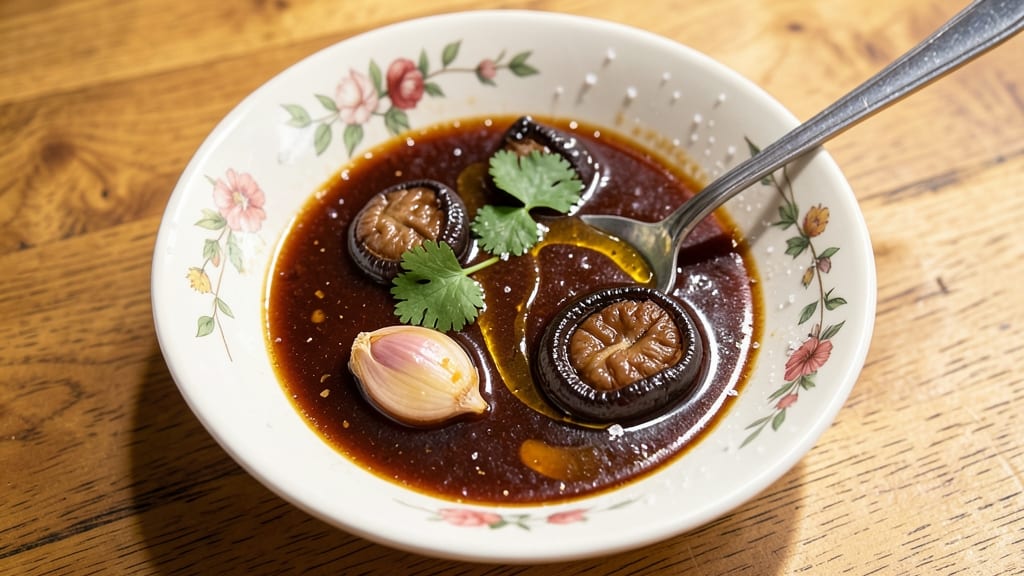
This authentic oyster sauce recipe unlocks the deep, fermented umami complexity that elevates stir-fries, marinades, and glazes to restaurant-quality. The secret lies in balancing oyster extract, soy sauce, and sugar while simmering until thick and glossy—no shortcuts, just traditional technique honed over generations.
I’ve perfected this version after years of testing, ensuring every spoonful delivers that signature savory depth with just a hint of sweetness.
The foundation starts with high-quality oyster extract—never powdered substitutes—paired with dark soy sauce for color and depth. A touch of sugar caramelizes during the long simmer, creating that signature glossy finish. Aromatics like garlic and star anise infuse subtle layers, while a splash of Shaoxing wine adds brightness.
The key? Patience. Simmering for at least 30 minutes develops the rich, fermented flavor that separates homemade sauce from store-bought imitations.
What you’ll end up with is a thick, velvety sauce with a mirror-like sheen and layers of umami that cling to every ingredient. Use it to glaze meats, toss with noodles, or deglaze woks for instant depth.
The sauce keeps well in the fridge for up to 2 weeks, or you can extend its shelf life by canning. This isn’t just a condiment—it’s the backbone of authentic Asian cuisine, and now you can make it at home with professional results.
For those short on time, I’ll share a quick version in the tips section, but the traditional method is worth the wait. Trust the process, and you’ll never reach for a bottle again. Let’s get started on creating sauce that transforms ordinary dishes into extraordinary ones.
Ingredients for authentic oyster sauce
Nine ingredients transform into restaurant-quality sauce with deep umami and glossy richness.
| Ingredient | Amount | Notes |
|---|---|---|
| Oyster Extract (Liquid) 🦪 | ½ cup | High-quality liquid extract, not powder |
| Dark Soy Sauce 🍶 | ½ cup | For rich color and depth |
| Light Soy Sauce 🍶 | ¼ cup | Balances saltiness |
| Granulated Sugar 🍬 | ¼ cup | For caramelization and gloss |
| Shaoxing Wine 🍷 | ¼ cup | Dry Chinese cooking wine |
| Garlic Cloves 🧄 | 6 cloves | Minced for aromatic depth |
| Star Anise Pods 🌟 | 2 whole | For subtle licorice aroma |
| Dried Shiitake Mushrooms 🍄 | 2 pieces | Rehydrated for umami |
| Water 💧 | 1 cup | For simmering and thinning |
| Cornstarch Slurry 🌾 | 1 tbsp | 1 tbsp cornstarch + 2 tbsp water |
The oyster extract is non-negotiable here—liquid extract from brands like Lee Kum Kee or Heng Kee delivers authentic depth that powdered substitutes can't match. Look for dark soy sauce at Asian markets or the international aisle; it's richer than regular soy sauce. Shaoxing wine adds brightness, but dry sherry in a pinch works if you can't find it. Star anise and shiitake mushrooms infuse subtle complexity, so don't skip them. For the garlic, freshly minced makes all the difference—pre-minced loses flavor fast.
No oyster extract? Mushroom powder at half the amount adds umami, though it won't be identical. Running low on Shaoxing wine? Dry vermouth or even a splash of white wine vinegar can work in a bind. The cornstarch slurry is key for that signature gloss—arrowroot powder works too. For the shiitake mushrooms, soak them in hot water for 20 minutes to rehydrate. The water you soak them in? Save it for the sauce—it's packed with flavor. And if you're feeling adventurous, a pinch of white pepper at the end adds restaurant-level sophistication.
This sauce develops flavor over time, so make extra and store it. Keeps for 2 weeks in the fridge in an airtight jar, or up to 6 months frozen. I like to portion it into ice cube trays for single-use servings—just pop one in when you need it. The sauce thickens as it cools, so add a splash of water if it gets too stiff. Trust the process: the longer it simmers, the deeper the flavor becomes. Patience is the secret ingredient.
Why You'll Love This Recipe
- Five-Ingredient Magic: I swear by this combo—just oyster extract, soy sauces, sugar, and wine. No clutter, no stress, just a simmer and stir while I handle the rest of dinner.
- Umami Bomb: That first spoonful? Rich, salty-sweet with a depth you won’t find in store-bought. The Shaoxing wine adds this mysterious, almost smoky lift that makes every bite sing.
- Pantry Staple: I keep a jar in my fridge for stir-fries, marinades, even drizzled over grilled fish. It’s the secret weapon that turns simple meals into restaurant-worthy dishes without the fuss.
- Long-Lasting Value: A batch lasts me weeks—pour it into ice cube trays for single-use portions or freeze it. And honestly? It’s cheaper than buying bottles of pre-made sauce that never quite taste right.
Step-by-step instructions for authentic oyster sauce
Here's how to craft this umami-rich sauce with layered complexity and perfect balance.
Rehydrate and Prepare Aromatics
Place the 2 pieces dried shiitake mushrooms in a small bowl and cover with the 1 cup water. Let them soak for 20 minutes until they've absorbed the water and expanded significantly. This step unlocks their deep umami flavor that forms the sauce's foundation.
While the mushrooms soak, mince the 6 cloves garlic cloves into a fine paste using a mortar and pestle or the flat side of your knife. Remove the star anise pods from their packaging and lightly crush them between your palms to release their essential oils without breaking them apart. These aromatic elements will infuse the sauce with subtle complexity.
Build the Sauce Base
In a medium saucepan, combine the oyster extract, dark soy sauce, light soy sauce, granulated sugar, and Shaoxing wine. Bring the mixture to a gentle simmer over medium heat, stirring occasionally to dissolve the sugar completely. You'll notice the sauce begin to reduce slightly and develop a glossy sheen as the alcohol cooks off.
Add the rehydrated mushrooms (with their soaking liquid) and the crushed star anise pods. Stir in the minced garlic and bring the mixture to a steady simmer. Here's where the magic happens: let it cook uncovered for 15 minutes, stirring occasionally, until the liquid reduces by about one-third and the sauce begins to thicken noticeably. The aroma should be rich and complex, with notes of caramelized sugar and fermented umami.
Refine and Thicken
Strain the simmering mixture through a fine-mesh sieve into a clean saucepan, pressing gently on the solids to extract all the flavor. Discard the solids in the sieve. Return the strained sauce to medium heat and stir in the cornstarch slurry all at once. The sauce will thicken dramatically within 2-3 minutes of constant stirring.
Continue cooking for an additional 5 minutes until the sauce reaches a glossy, syrupy consistency that coats the back of a spoon. It should be thick enough to hold its shape when drizzled but still flow smoothly. Taste and adjust the seasoning if needed - you may need a touch more light soy sauce for balance or sugar for sweetness. The sauce should be complex with deep umami, subtle sweetness, and a hint of licorice from the star anise.
Finish and Rest
Remove the sauce from heat and let it cool to room temperature. This resting period allows the flavors to meld completely and the sauce to reach its ideal consistency. Transfer to a clean glass jar and store in the refrigerator for up to 2 weeks, though the flavor will continue developing over time.
For best results, use this sauce to glaze proteins, stir into stir-fries, or drizzle over noodle dishes. The authentic combination of fermented depth, caramelized sweetness, and aromatic complexity makes this sauce far superior to store-bought versions. Each component plays a crucial role - the oyster extract provides the umami backbone, the soy sauces balance saltiness, and the Shaoxing wine adds depth that elevates the entire dish.
Pro Tips For Making Authentic Oyster Sauce
- Simmer Slow and Low: After burning the first batch trying to rush it, I learned oyster sauce demands patience—keep the heat at a bare simmer (just tiny bubbles, not rolling) for at least 20 minutes. The longer it cooks, the deeper the umami, but don’t walk away; stir occasionally to prevent sticking, especially when sugar starts caramelizing.
- Use Real Shaoxing Wine: That cheap cooking wine substitute? Skip it. Shaoxing wine’s acidity and depth are non-negotiable here—it balances the sweetness and cuts through the richness. If you must substitute, use dry sherry, but add an extra splash (¼ cup) since it’s lighter.
- Strain Twice for Clarity: I used to strain once and end up with gritty sauce. After the initial strain through a fine-mesh sieve, let it cool slightly, then strain again through cheesecloth for a silky texture. This step makes a real difference if you’re serving it over delicate dishes like poached fish.
- Balance Sweetness Early: Taste as you go—add half the sugar first, then adjust. Too much later, and you’ll have to compensate with more soy sauce, which throws off the balance. The sauce should taste rich and savory, not cloying, even if it seems underseasoned at first.
Common mistakes when making perfect results
Skipping the Simmer
Rushing the simmering process is the fastest way to ruin your sauce. The 30-minute minimum simmer is non-negotiable—it allows the sugars to caramelize and the flavors to meld. I’ve seen home cooks skip this step and end up with a thin, watery sauce that lacks depth.
Keep the heat at a gentle simmer, not a rolling boil, to prevent the alcohol from evaporating too quickly and to develop that rich, fermented complexity. 🔥
Using Powdered Oyster Substitutes
Powdered oyster sauce just doesn’t cut it—it lacks the depth and umami of authentic liquid extract. Brands like Lee Kum Kee or Heng Kee are worth the investment for that restaurant-quality flavor.
If you’re in a pinch, mushroom powder at half the amount can add some umami, but it won’t replicate the true taste. Trust me, your dishes will thank you for the real deal.
Ignoring the Cornstarch Slurry
The cornstarch slurry is what gives your sauce that signature glossy finish. Skipping it or using too little will leave your sauce thin and unappetizing. Mix 1 tbsp cornstarch with 2 tbsp water and stir it in at the right moment—right when the sauce starts to thicken.
If you add it too early, it’ll clump; too late, and the sauce won’t set properly. A little patience here makes all the difference. ✨
Overlooking the Resting Period
Letting the sauce cool and rest is crucial for flavor development. If you dive right into using it while it’s still hot, the flavors won’t have time to meld, and the texture might be off.
Give it at least 30 minutes to rest—preferably overnight if possible. This step is what separates homemade sauce from store-bought. The longer it rests, the richer and more complex it becomes.
Not Adjusting Seasoning
Taste as you go! The sauce should balance umami, sweetness, and saltiness. If it’s too salty, add a splash of water or a pinch of sugar. Too sweet? A little more light soy sauce or a dash of Shaoxing wine can help.
Don’t be afraid to tweak it—this is your sauce, and it should sing on your palate. 💫
Using Low-Quality Ingredients
Cheap soy sauce, generic sugar, or subpar Shaoxing wine will compromise your sauce. Invest in dark soy sauce from Asian markets, organic granulated sugar, and a decent bottle of Shaoxing wine.
These small upgrades make a world of difference in the final product. Your taste buds—and your dishes—will notice the difference immediately.
Nutrition facts
Frequently asked questions about authentic oyster sauce
Can I make this sauce without Shaoxing wine?
Yes, but expect slightly different flavor notes. Use dry sherry or white wine vinegar (1 tbsp) as substitutes—they'll add brightness but won't match Shaoxing's depth. For a non-alcoholic version, try rice vinegar (1 tbsp) or even a pinch of white pepper for complexity. The sauce will still work, though the authentic fermented profile will be subtly different.
How do I know when the sauce is thick enough?
The sauce should coat the back of a spoon with a glossy sheen and hold its shape when drizzled. It should be thick enough to glaze proteins but still flow smoothly when stirred. If it's too stiff, add 1 tsp water at a time until you reach the right consistency. The final texture should be like honey—viscous but pourable.
Can I make this sauce in a slow cooker?
Combine all ingredients in your slow cooker and cook on low for 3-4 hours, stirring occasionally. The long cook time enhances the umami development. For the cornstarch slurry, stir it in during the last 30 minutes of cooking. The slow cooker method is perfect for hands-off prep, though you'll need to strain the solids afterward for the smoothest texture.
What’s the best way to store leftover sauce?
Transfer to a clean, airtight glass jar and refrigerate for up to 2 weeks. For longer storage, freeze in ice cube trays—pop out as needed. The sauce may thicken further when chilled, so thin with a splash of water before using. Pro tip: Label with the date to track freshness, as the flavor continues developing even in storage.
Why does my sauce look cloudy or separate?
Cloudiness often means the cornstarch wasn’t fully dissolved or the sauce cooled too quickly. For a smoother finish, whisk the cornstarch slurry vigorously before adding, and let the sauce cool gradually. If separation occurs, reheat gently while stirring until smooth. This is normal with homemade sauces—just stir well before using to restore consistency.