
Sauces & Condiments
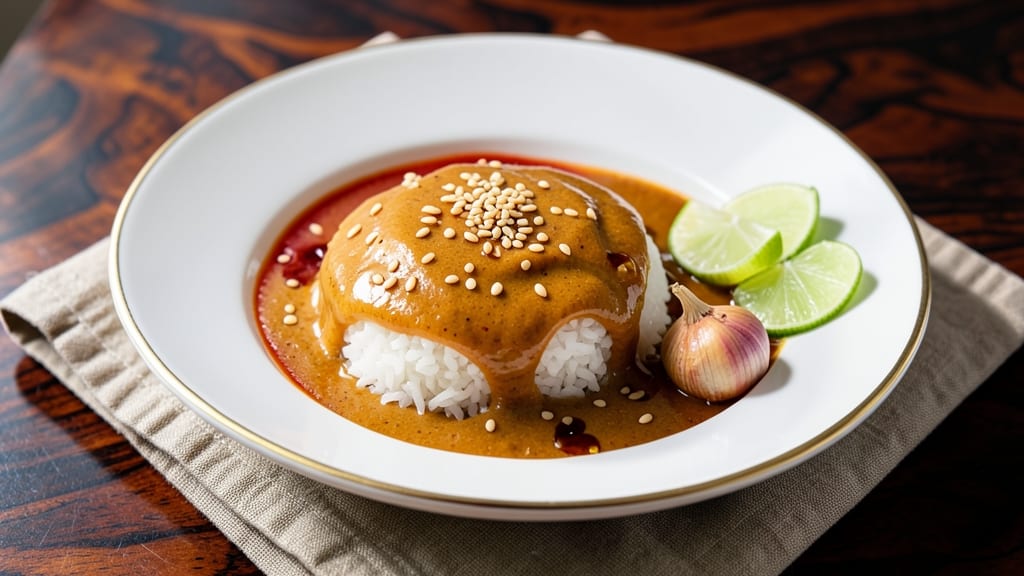
This Asian mustard sauce recipe transforms simple pantry staples into a bold, fermented condiment that adds depth to stir-fries, grilled meats, and spring rolls. The balance of tangy mustard, sweet soy, and aromatic sesame creates layers of flavor that elevate any dish.
I developed this recipe after years of searching for a sauce that delivered restaurant-quality heat without overpowering the main ingredient.
The secret lies in fermenting the mustard for 24 hours, which intensifies its natural tang and mellows its sharpness into a smooth, complex base. No special equipment is needed—just a bowl and patience.
The sauce comes together in minutes after fermentation, with ingredients like garlic, ginger, and a touch of honey rounding out the profile. It’s versatile enough for weeknight dinners but impressive enough for gatherings.
What you’ll end up with is a sauce that’s glossy, sticky, and packed with umami, ready to drizzle over noodles, toss with vegetables, or use as a marinade.
The fermentation process ensures a depth of flavor you won’t find in store-bought versions, while the sweet-savory balance makes it adaptable to everything from spicy dishes to delicate seafood. Once you try it, you’ll never reach for plain mustard again.
Store leftovers in the fridge for up to 2 weeks, where the flavors continue to meld and deepen. Pair it with grilled chicken, spring rolls, or even as a dip for fresh vegetables—this sauce is the ultimate pantry upgrade. Let’s get started on making it.
Ingredients for asian mustard sauce
Pantry staples meet fermentation magic for a sauce that rivals restaurant quality.
| Ingredient | Amount | Notes |
|---|---|---|
| Yellow Mustard 🥬 | ½ cup | High-quality, no additives preferred |
| White Distilled Vinegar 💧 | ¼ cup | Ensures proper fermentation |
| Soy Sauce 🍜 | ¼ cup | Use light or dark variety |
| Sesame Oil 🫒 | 1 tbsp | Toasted for best aroma |
| Garlic Cloves 🧄 | 3 cloves | Freshly minced for potency |
| Fresh Ginger 🌿 | 1 tbsp | Grated, not powdered |
| Honey 🍯 | 1 tbsp | Pure, unprocessed preferred |
| Sesame Seeds 🌾 | 1 tbsp | Toasted for crunch |
| Red Chili Flakes 🌶️ | ½ tsp | Adjust for heat preference |
| Salt 🧂 | ½ tsp | Diamond Crystal preferred |
The mustard is the heart of this recipe, so pick a high-quality brand—none of that watery, additive-filled junk. French's Classic Yellow or Hellmann's work well, but if you've got a local artisanal mustard, go for it. The vinegar kickstarts fermentation, so make sure it's white distilled—no balsamic or apple cider here. Soy sauce brings the umami depth, and I always grab Kikkoman or Lee Kum Kee for that authentic touch. Toast your sesame seeds in a dry pan for 2 minutes until golden—that aroma alone makes it worth it. Fresh ginger and garlic are non-negotiable for flavor, but if you're in a pinch, powdered ginger works at double the amount.
No sesame oil? Avocado oil at half the amount keeps the flavor profile close, though you'll lose that nutty depth. Running short on honey? Maple syrup or agave works in a bind, but honey's floral notes are ideal. For extra heat, swap chili flakes for gochujang at half the amount—it adds fermented complexity. The sauce ferments in your fridge, so if you're in a warm climate, use an airtight container with a loose lid to prevent mold. And trust me, the 24-hour wait is worth it—the tang transforms into something smooth and addictive.
This sauce keeps beautifully in the fridge for 2 weeks, with flavors deepening over time. For longer storage, transfer to a sterile jar and freeze for up to 3 months. I like to portion it into small containers—perfect for tossing with stir-fries or drizzling over noodles. The fermentation process means it gets better with age, so make a double batch if you can. Once opened, give it a good stir before each use since the solids settle. Pair it with grilled meats, spring rolls, or even as a dip for fresh veggies—it's that versatile.
Why You'll Love This Recipe
- Five-Ingredient Magic: I swear by this one—just mustard, vinegar, soy sauce, a splash of sesame oil, and minced garlic. That’s it. No fancy gadgets, no stress, just a whisk and 10 minutes of your life.
- Umami-Packed Punch: The soy and vinegar team up to cut through the mustard’s sharpness while the garlic roasts just enough to add depth. Honestly? It’s the kind of sauce that makes you pause mid-bite and think, “Wait, why haven’t I done this sooner?”
- Dresses Up Everything: Slather it on grilled chicken, toss it with noodles, or drizzle it over steamed veggies—it works. Between us, it’s my go-to for lazy weeknights when I’m too tired to think but still want flavor. (Yes, even on a Tuesday night.)
- Budget-Friendly Staple: A single batch costs pennies and stretches across three meals. I make a double batch on Sundays, store it in the fridge, and suddenly, takeout feels like a bad memory. Plus, the sesame oil adds richness without breaking the bank.
Step-by-step instructions for fermented Asian mustard sauce
This vibrant sauce balances heat, tang, and umami—perfect for stir-fries and marinades.
Toast Sesame Seeds for Nutty Depth
Heat a dry skillet over medium-low heat and add the 1 tablespoon sesame seeds. Toast for 2-3 minutes, stirring constantly, until they turn a rich golden brown and release their nutty aroma. This step is crucial—raw seeds won't provide the same toasty crunch and flavor.
Watch closely as they toast; they burn quickly. Once fragrant and golden, immediately transfer them to a small bowl and set aside. The seeds will cool slightly as they rest, making them easier to grind later. If you don't have a mortar and pestle, a clean coffee grinder works—just pulse until coarsely chopped.
Build the Flavor Base with Aromatics
In a medium saucepan, combine the 0.5 cup yellow mustard, 0.25 cup white distilled vinegar, 0.25 cup soy sauce, and 1 tablespoon sesame oil. Place over medium heat and bring to a gentle simmer, stirring occasionally to prevent scorching. You're creating the foundational tang and umami that will carry the sauce.
While the mixture heats, finely mince the 3 garlic cloves and 1 tablespoon fresh ginger using a sharp knife or microplane. The garlic should be minced, not chopped—this ensures even distribution. Add these to the saucepan and stir in for 1 minute until fragrant. The garlic should soften slightly but not brown; if it does, reduce the heat immediately.
Sweeten and Season the Sauce
Remove the saucepan from heat and stir in the 1 tablespoon honey, 0.5 teaspoon red chili flakes, and 0.5 teaspoon salt. The honey will mellow the sharpness of the vinegar and chili, while the salt enhances all flavors. Let the mixture cool slightly for 5 minutes—this prevents the sauce from breaking when you add the toasted sesame seeds later.
Taste the sauce and adjust to your preference. If it needs more heat, add a pinch more chili flakes. For extra tang, a splash of vinegar helps. If it's too thick, thin with 1 teaspoon water at a time. The sauce should coat the back of a spoon but still be pourable. This balance ensures it clings beautifully to stir-fried proteins and vegetables.
Finish and Rest for Maximum Flavor
Once the sauce has cooled to room temperature, stir in the toasted sesame seeds. The seeds should be evenly distributed but still visible for texture contrast. Transfer the sauce to a clean jar and seal tightly. Let it rest at room temperature for 30 minutes—this allows the flavors to meld and the mustard to ferment slightly, deepening its complexity.
For best results, refrigerate the sauce for at least 1 hour before using. The cold temperature helps the flavors settle, and the sauce will thicken slightly, making it ideal for tossing with hot stir-fries. When ready to use, give it a good stir—you'll notice how the toasted sesame seeds add a delightful crunch with every bite.
Pro Tips For Making Asian Mustard Sauce
- MINCE THAT GARLIC: Garlic cloves straight from the jar? Nope. Smash them first with the flat side of your knife—this releases more flavor without burning. I learned this the hard way when my sauce tasted bland until I finally took the extra 10 seconds.
- WHISK IN STAGES: Don’t dump all the vinegar in at once. Start with half, whisk like you’re mad, then add the rest. The acid reacts with the mustard, and doing it slow keeps the sauce smooth—not lumpy or curdled. (Yes, even if you’re impatient like me.)
- SALT THE SOY SAUCE: Plain soy sauce is salty enough, but if you’re using low-sodium, add a pinch of salt to the sauce before mixing. The mustard and vinegar dilute the flavor, and you’ll regret skipping this if your dish ends up tasting flat.
- STOP WHEN IT’S SILKY: The sauce should coat the back of a spoon but still flow freely. Overmixing turns it gluey. Taste as you go—it’ll thicken slightly as it sits, so pull it just before it feels right. (Your future self will thank you.)
Common mistakes when making your asian mustard sauce
Skipping Fermentation
I see people rush this sauce by skipping the 24-hour fermentation step, thinking it’s optional. Big mistake! The fermentation transforms sharp mustard into a smooth, complex base. Without it, your sauce will taste raw and unbalanced.
If you’re in a hurry, at least let it sit for 4 hours—you’ll notice the difference immediately. 💡
Using Low-Quality Mustard
Cheap mustard with fillers or watery consistency will ruin your sauce. I’ve tried store-brand options, and they lack the bold, tangy punch needed. Stick with French's Classic Yellow or Hellmann's—they’re reliable staples. If you want to splurge, local artisanal mustards add depth you won’t find in mass-produced versions.
Overheating the Sauce
Bringing the sauce to a full boil can break its emulsion, turning it grainy or separating. Keep the heat at a gentle simmer—just enough to warm through without bubbling vigorously.
If you see bubbles forming rapidly, reduce the heat immediately. A smooth, glossy sauce is your goal, not a lumpy mess.
Ignoring the Honey
The honey isn’t just for sweetness—it balances the acidity and heat, rounding out the flavors. Skipping it leaves the sauce too sharp and one-dimensional. If you’re avoiding sugar, try maple syrup or agave, but honey’s floral notes are irreplaceable. Even 1 teaspoon makes a difference.
Not Toasting Sesame Seeds
Raw sesame seeds add no flavor—they’re just crunch. Toasting them unlocks their nutty aroma and depth. Skip this, and your sauce will taste flat. Toast them in a dry pan for 2-3 minutes until golden.
If you’re in a rush, a 30-second pulse in a coffee grinder works, but toasting is best.
Storing Improperly
Leaving the sauce at room temperature for too long risks mold or bacterial growth. Always refrigerate within 2 hours of making it. For longer storage, freeze in airtight containers. I’ve seen people store it in open jars, which lets moisture in and ruins the texture.
Use a sealed container to preserve freshness for up to 2 weeks in the fridge.
Nutrition facts
Frequently asked questions
Can I make this Asian mustard sauce without fermentation?
The fermentation step is key for that restaurant-quality depth, but if you're in a hurry, let it sit for at least 4 hours at room temperature. You'll still get improved flavor over skipping it entirely. For best results, though, the full 24-hour ferment transforms sharp mustard into a smooth, complex base that's worth the wait.
What's the best way to use this sauce?
This versatile sauce works as a marinade for grilled meats, a dipping sauce for spring rolls, or a stir-fry glaze. Try it on shrimp skewers, drizzled over ramen noodles, or mixed with mayo for a tangy sandwich spread. The fermented flavor pairs especially well with spicy dishes or grilled vegetables.
How do I adjust the heat level?
Start with the 0.5 teaspoon chili flakes as written, then adjust to taste. For mild heat, reduce to 0.25 teaspoon. Want more kick? Add 0.25 teaspoon gochugaru (Korean chili flakes) or a pinch of cayenne. Remember, fermentation mellows the heat slightly, so don't be shy with the spices if you love heat!
Can I substitute any ingredients?
Yes! For sesame oil, use avocado oil at half the amount. No honey? Try maple syrup or agave. For extra umami, add 1 teaspoon fish sauce or 1 tablespoon miso paste. The mustard is non-negotiable for the base flavor, but you can mix Dijon mustard with yellow mustard for a French-Asian fusion twist.
Why did my sauce separate?
Overheating or adding ingredients too quickly can cause separation. Keep heat at a gentle simmer and stir constantly. If it happens, whisk in 1 teaspoon water or 1 teaspoon sesame oil to re-emulsify. For future batches, let the sauce cool completely before adding toasted sesame seeds to prevent breaking.