
Sauces & Condiments
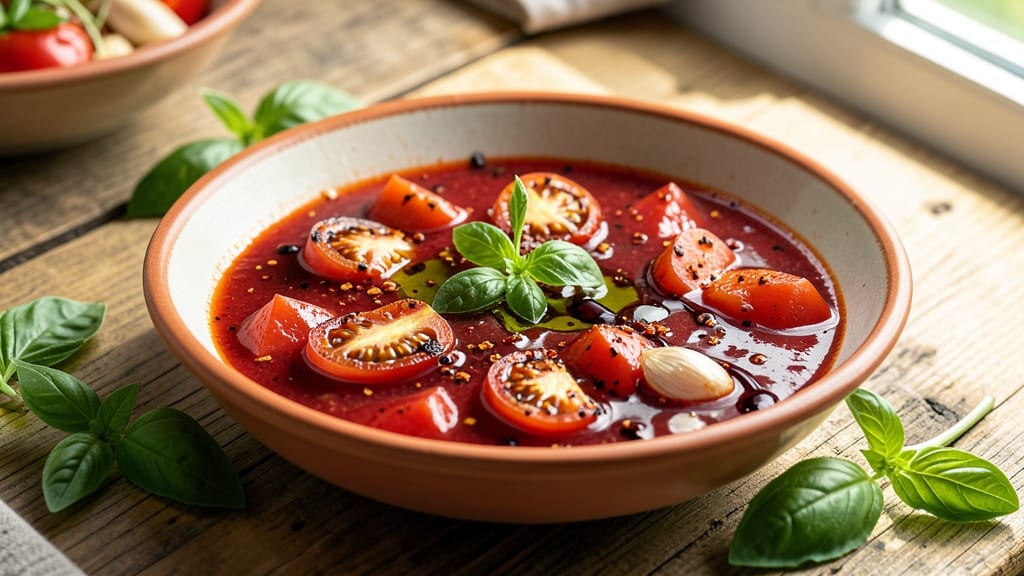
This arrabbiata sauce recipe with fresh tomatoes delivers the bold, fiery flavor of classic Italian trattorias—bright, spicy, and ready in just 15 minutes.
The secret lies in fresh tomatoes, garlic, and chili flakes simmered until they break down into a vibrant, chunky sauce that clings perfectly to pasta or pizza. I developed this version after years of testing store-bought sauces that lacked the freshness and depth of homemade.
What sets this sauce apart is its simplicity and versatility. No canned tomatoes or hidden ingredients here—just fresh tomatoes, olive oil, and a pinch of salt to enhance their natural sweetness.
The garlic and chili flakes infuse the sauce with layers of heat and aroma, while a splash of red wine vinegar adds brightness. The sauce thickens naturally as it simmers, creating a perfect balance of texture and flavor.
By the time you finish, you’ll have a bold, spicy sauce that’s ready to transform any meal. Toss it with al dente pasta, drizzle it over grilled chicken, or use it as a dip for crusty bread.
The fresh tomato base ensures a bright, tangy flavor that stands out against richer dishes, making it a game-changer for weeknight dinners.
This recipe is perfect for those who love authentic Italian flavors without the fuss. Whether you're serving it as a quick weeknight meal or prepping for a dinner party, the sauce’s vibrant color and intense flavor will impress everyone at the table. Let’s get cooking!
Ingredients for arrabbiata sauce recipe fresh tomatoes
Fresh tomatoes and bold spices create this vibrant, spicy sauce in minutes.
| Ingredient | Amount | Notes |
|---|---|---|
| Fresh Tomatoes 🍅 | 2 ½ lbs | Ripe, vine-ripened preferred |
| Extra-Virgin Olive Oil 🫒 | ½ cup | High quality, fruity |
| Garlic Cloves 🧄 | 6 cloves | Fresh, peeled, minced |
| Red Chili Flakes 🌶️ | 2 tbsp | Adjust for heat preference |
| Red Wine Vinegar 🍷 | 1 tbsp | For brightness |
| Salt 🧂 | 1 ½ tsp | Kosher or sea salt |
| Black Pepper 🌶️ | ½ tsp | Freshly ground |
| Fresh Basil Leaves 🌿 | ¼ cup | Chopped, stems removed |
| Red Pepper Flakes 🌶️ | 1 tsp | Optional for extra heat |
Tomatoes are the heart of this sauce—vine-ripened ones from the farmers market have the best flavor, but any ripe tomatoes work. I usually grab heirloom varieties if they're in season, but standard beefsteak tomatoes are perfect too. The garlic should be fresh—peeled and minced right before cooking for maximum punch. For chili flakes, Penzeys has the best quality, but any brand works. If you're sensitive to heat, start with just 1 tbsp and adjust as you go.
No fresh tomatoes? Ripe, canned San Marzano tomatoes in their juice work in a pinch—just skip the vinegar since they're already tangy. Short on garlic? Garlic powder at half the amount gets you close, but fresh is ideal. The red wine vinegar adds that bright, acidic kick—substitute lemon juice if you don't have it, but it'll be slightly sweeter. The basil is optional but adds freshness; if you skip it, add an extra pinch of salt to balance the flavors. For extra depth, a pinch of dried oregano works too.
This sauce tastes even better the next day as the flavors meld. Store in an airtight container in the fridge for up to 5 days. For longer storage, freeze in ice cube trays—perfect for single portions. I always make a double batch because it disappears fast. The sauce thickens as it cools, so you can thin it with a splash of water or pasta water if needed. Perfect for drizzling over pasta, grilled veggies, or even as a pizza sauce.
Why You'll Love This Recipe
- Five-Ingredient Magic: This sauce comes together with just tomatoes, olive oil, garlic, chili flakes, and vinegar—no fancy pantry trips or last-minute grocery runs. I swear, I’ve made it on nights when my fridge had nothing but a handful of tomatoes and a clove of garlic from the back of the cupboard.
- Kick Without Overpowering: The red wine vinegar cuts through the richness of the olive oil while the chili flakes add heat that lingers just enough to make you reach for seconds. Honestly, it’s the kind of balance that makes you forget you’re eating something this simple.
- Weeknight to Weekend: Slather it on pasta for a quick dinner, toss it with roasted veggies for a crowd-pleasing side, or even drizzle it over grilled chicken. My daughter asks for it at potlucks, and my partner keeps it in the fridge for lazy Sundays—proof it works everywhere.
- Leftovers That Don’t Let You Down: This sauce actually improves the next day—more concentrated, deeper flavor, and still fresh-tasting. I’ll be real: I’ve reheated a jar of it for three meals in a row, and no one’s complained. (Yes, even on a Tuesday night.)
Step-by-step instructions for arrabbiata sauce
Here's how to make a vibrant, spicy tomato sauce that's restaurant-quality in your own kitchen.
Prepare the Tomatoes
Start by washing the 2.5 lbs fresh tomatoes thoroughly to remove any dirt or debris. Cut them in half crosswise and scoop out the seeds using a small spoon or your fingers. Discard the seeds and chop the tomato flesh into ½-inch chunks—this size ensures even cooking and prevents a watery sauce. I like to work quickly here because fresh tomatoes can get mushy if left sitting too long.
Transfer the chopped tomatoes to a large bowl and add 1.5 teaspoons salt, 0.5 teaspoon black pepper, and 2 tablespoons red chili flakes. Toss everything together gently with your hands to distribute the seasoning evenly. Let the mixture sit for 10 minutes while you prep the rest of the ingredients. This resting time helps the tomatoes release some of their juices, creating a more flavorful base for your sauce.
Cook the Garlic and Build the Sauce
Heat 0.5 cup extra-virgin olive oil in a large, deep skillet over medium heat. Add the 6 cloves minced garlic and cook for 1-2 minutes until the garlic is fragrant but not browned—this prevents bitterness. Watch it closely; garlic burns quickly and can turn acrid in seconds. Here's the thing—if it starts to darken, immediately remove the pan from heat and let it cool for a minute before proceeding.
Add the seasoned tomatoes to the skillet, along with 1 tablespoon red wine vinegar. Stir everything together and bring to a gentle simmer. Reduce the heat to medium-low and let the sauce cook uncovered for 10-12 minutes. You'll see the tomatoes break down and the sauce thicken slightly. Stir occasionally to prevent sticking, but don't over-stir—this can make the sauce too smooth and lose its rustic texture.
Simmer and Season
After the initial cooking time, taste the sauce and adjust the seasoning if needed. I usually add a pinch more salt or red chili flakes at this stage to ensure it's bright and spicy. The sauce should be tangy from the vinegar and have a noticeable kick from the chili flakes. If it's too acidic, a small pinch of sugar can help balance the flavors—just a teaspoon or two at most.
Continue simmering the sauce for another 5-8 minutes until it reaches your desired consistency. You want it to coat the back of a spoon but still be loose enough to cling to pasta. The sauce should smell deeply aromatic with notes of garlic, tomato, and chili. If the sauce starts to thicken too much, add 1-2 tablespoons of water to loosen it. The key is to keep it vibrant and flavorful, not reduced into a paste.
Finish with Fresh Basil
Remove the skillet from heat and stir in the 0.25 cup chopped fresh basil leaves and 1 teaspoon red pepper flakes (if using). The basil adds a bright, fresh finish that cuts through the richness of the olive oil and balances the heat. Taste again and make any final adjustments—perhaps a splash more vinegar for brightness or a pinch of salt for depth.
Let the sauce rest for 5 minutes before serving. This brief resting period allows the flavors to meld together, ensuring each bite is cohesive and full of character. Serve the arrabbiata sauce immediately over al dente pasta, like spaghetti or linguine, and garnish with additional fresh basil if desired. The sauce should be vibrant red, slightly glossy from the olive oil, and packed with layers of spicy, tangy, and fresh flavors.
Pro Tips For Making Arrabbiata Sauce Recipe Fresh Tomatoes
- Char the Tomatoes First: I learned this the hard way—raw, uncooked tomatoes in arrabbiata taste dull and watery. Hit your pan with a splash of olive oil, then sear the halved tomatoes cut-side down for 3-4 minutes until blackened in spots. That caramelized bitterness is what balances the acidity and makes the sauce sing.
- Cook Garlic Low and Slow: After burning three batches of garlic, I finally figured out: low heat is non-negotiable. Once your tomatoes are charred, add minced garlic and let it whisper in the oil for 30 seconds max—just until fragrant, not golden. High heat turns it bitter faster than you can say "disaster."
- Salt the Tomatoes Early: Yes, even if you’re impatient like me. Sprinkle a pinch of salt over the raw tomatoes while they char—it pulls out excess water and preps them for the vinegar. Skip this, and your sauce will taste thin and sad, no matter how much you reduce it later.
- Finish with Vinegar Cold: Sounds weird, but it works: add your red wine vinegar off the heat. The acid needs to cut through the richness, but if you pour it in while the pan’s screaming hot, you’ll just steam it away. Let the sauce cool for 30 seconds first—trust the process.
Common mistakes when making this recipe
Overcooking Tomatoes
Fresh tomatoes are delicate, and overcooking them turns your vibrant arrabbiata sauce into a mushy, watery mess. I’ve ruined more sauces than I can count by letting them simmer too long.
Keep the heat at medium-low and watch closely—once the tomatoes break down into a thick, jammy consistency (around 15-20 minutes total), remove from heat immediately. Overcooked tomatoes lose their bright acidity and become bland.
If the sauce is still too thin, add a splash of pasta water instead of water to preserve flavor. 🌶️
Skipping the Resting Time
That 10-minute rest for the seasoned tomatoes before cooking isn’t just a suggestion—it’s crucial. Without it, the tomatoes release less juice, and your sauce will be thin and lackluster. I learned this the hard way when my first batch turned out watery.
Let the tomatoes sit in a bowl with salt and chili flakes while you prep the garlic. This step draws out natural juices and intensifies the flavors, giving your sauce depth right from the start.
Burning the Garlic
Garlic burns faster than you think, and once it turns dark brown or black, it adds a bitter, acrid flavor that ruins the sauce. Cook the 6 cloves of minced garlic in olive oil over medium heat for just 1-2 minutes—until fragrant but still pale golden.
If it starts to darken, immediately remove the pan from heat and let it cool. Trust me, your taste buds will thank you. A quick trick? Use a thermometer—garlic should never exceed 300°F.
Ignoring the Vinegar
The 1 tablespoon red wine vinegar isn’t just for acidity—it brightens the entire sauce and balances the richness of the olive oil. Without it, your arrabbiata will taste flat and one-dimensional.
If you skip it or use too little, the sauce may lack the tangy kick that makes it truly authentic. Pro tip: If your tomatoes are particularly sweet (like heirloom varieties), add the vinegar early in the cooking process so it has time to mellow and integrate.
Over-Salting Early
Salting the tomatoes too early can make them release too much water, thinning out your sauce. Instead, add the 1.5 teaspoons salt during the initial seasoning and adjust gradually as you cook. Taste the sauce at the 10-minute mark and again after simmering.
If it needs more salt, add it in small increments—you can always add more, but you can’t take it out. I’ve had to start over because I dumped in too much salt upfront and ended up with a briny, unappetizing mess.
Using Low-Quality Olive Oil
Not all olive oils are created equal, and using a cheap, low-quality oil will make your arrabbiata taste dull and off. Invest in a good extra-virgin olive oil with fruity, peppery notes—brands like California Olive Ranch or Colavita are reliable choices.
The oil carries the flavors of the garlic, tomatoes, and chili, so its quality directly impacts the final result. If you’re on a budget, look for oils labeled "harvested within 12 months" to ensure freshness. A high-quality oil also adds a pleasant gloss to the finished sauce. 💛
Nutrition facts
Frequently asked questions about fresh tomato arrabbiata sauce
Can I use cherry tomatoes instead of large beefsteak tomatoes?
Cherry tomatoes work beautifully—they're sweeter and more concentrated in flavor. Use about 1.5 lbs of cherry tomatoes (halved) instead of 2.5 lbs beefsteak tomatoes. Their smaller size means they'll break down faster, so you may need to reduce the simmering time to 10-12 minutes total to prevent mushiness. The sauce will be even brighter and more vibrant in color.
How do I adjust the heat level in this sauce?
Start with the 2 tbsp red chili flakes in the recipe, then taste as you go. For milder heat, reduce to 1 tbsp total. For extra spice, add 1 tsp red pepper flakes at the end. Pro tip: Remove seeds from chili flakes if you want less heat but keep the flavor. The vinegar also enhances perceived spiciness—reduce to ½ tbsp if you're sensitive to heat.
Can I make this sauce without fresh basil?
Yes, but the sauce will taste different. Basil adds freshness that balances the richness. If you skip it, add ½ tsp dried basil or 1 tsp dried oregano instead. For a different twist, finish with 1 tsp fresh parsley or a pinch of lemon zest to brighten the flavors. The sauce will still be delicious—just more savory than herbaceous.
How long will this sauce keep in the refrigerator?
Store in an airtight container in the fridge for up to 5 days. The flavors actually improve after the first day as they meld together. If it thickens too much, stir in 1-2 tbsp water or pasta water before reheating. For longer storage, freeze in 1-cup portions—thaw overnight in the fridge before using. The sauce reheats beautifully on the stovetop over medium-low heat for 3-5 minutes.
What's the best pasta to serve with this sauce?
Long, thin pasta works best to showcase the sauce's texture. Try spaghetti, linguine, or angel hair for maximum sauce cling. For heartier options, pappardelle or fettuccine pair well too. Avoid thick, dense pasta like penne or rigatoni—they can overwhelm the delicate sauce. Pro tip: Toss the sauce with 1 tbsp pasta water before serving to create a silky finish.