
Sauces & Condiments
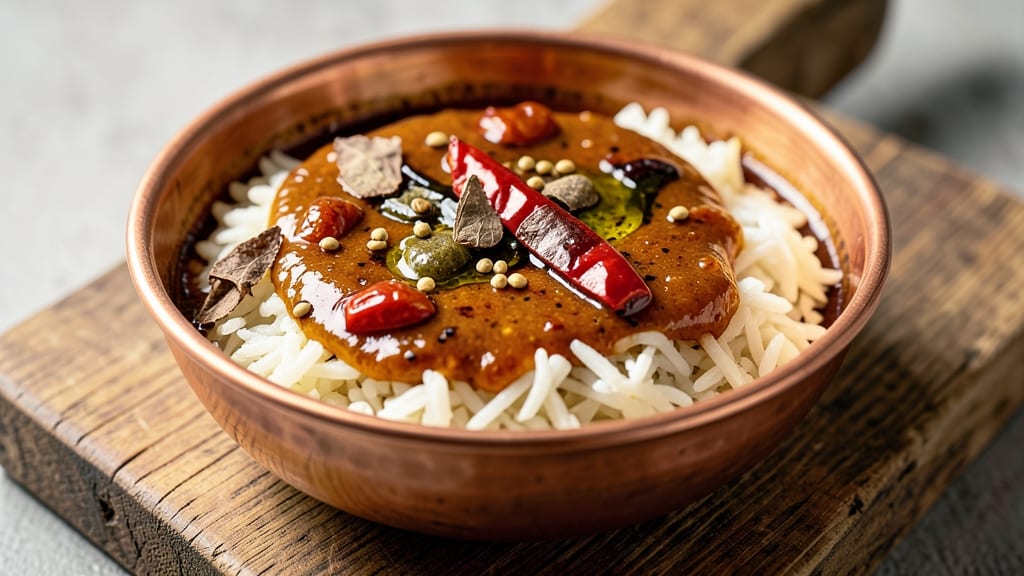
This achari sauce recipe transforms simple ingredients into a vibrant, tangy condiment that elevates every Indian meal. The perfect balance of tamarind, mustard oil, and dried spices creates a bold flavor profile that pairs beautifully with dosas, idlis, or even rice.
I developed this version after years of experimenting with traditional recipes, ensuring every bite delivers that signature tangy, spicy kick without sacrificing authenticity.
The sauce begins with a fragrant base of mustard seeds, dried chilies, and fenugreek, toasted in hot mustard oil until they release their deep, nutty aromas. Fresh ginger, garlic, and pickled vegetables like mango and tamarind add layers of complexity—sweet, sour, and spicy all in one spoonful.
What sets this recipe apart is the slow simmering process, which allows the flavors to meld into a harmonious blend that’s both bold and balanced.
By the time you’re done, you’ll have a rich, aromatic sauce that’s ready to drizzle over steaming hot dosas, sprinkle on crispy idlis, or serve alongside snacks like vada or pakoras.
The tangy, spicy notes cut through the richness of fried foods, making every bite more vibrant. This is the kind of condiment that turns a simple meal into a flavor explosion.
Best of all, the sauce keeps well in the refrigerator for up to a week, so you can make a big batch and enjoy it throughout the week.
Whether you’re serving a traditional South Indian breakfast or a casual snack spread, this achari sauce will be the star of the show. Let’s get started!
Ingredients for achari sauce
Nine simple ingredients create this vibrant, tangy sauce that transforms any meal.
| Ingredient | Amount | Notes |
|---|---|---|
| Mustard Seeds 🌿 | 2 tbsp | Whole, dark variety preferred |
| Mustard Oil 🫒 | ½ cup | Hot-pressed, not refined |
| Dried Red Chilies 🌶️ | ¼ cup | Kashmiri or bird's eye |
| Fenugreek Seeds 🌿 | 1 tsp | Lightly crushed |
| Asafoetida Powder 🧂 | ¼ tsp | Pure, no fillers |
| Tamarind Paste 🍈 | ½ cup | Fresh or high-quality block |
| Fresh Ginger 🧄 | 2 tbsp | Grated, organic preferred |
| Garlic Cloves 🧄 | 6 cloves | Peeled, roughly chopped |
| Pickled Mango 🍈 | ¼ cup | Chopped, with brine |
| Salt 🧂 | 1 tsp | Kosher or sea salt |
Mustard oil is the heart of this sauce—look for hot-pressed varieties at Indian grocery stores like Patel Brothers or Apna Bazaar. The dark mustard seeds add a deep, nutty aroma when toasted, so don’t skip them. Fresh tamarind paste makes all the difference—block tamarind is best—just soak, grind, and strain for the purest flavor. If you can’t find it, tamarind pulp from a can works in a pinch, but taste it first—some brands add sugar or preservatives. The dried chilies? Kashmiri chilies give a vibrant red color and mild heat, while bird’s eye chilies bring serious kick. Adjust based on your spice tolerance.
No mustard oil? Coconut oil or sesame oil will work, but the flavor won’t be the same—mustard oil’s pungency is key. Short on tamarind? Lemon juice or vinegar adds tang, but you’ll miss the depth. The pickled mango can be swapped for pickled lime or amchur powder, though the texture changes slightly. For a quicker version, store-bought achari powder (like MTR or Everest) can replace half the spices, but homemade always tastes better. Fresh ginger and garlic are non-negotiable—they’re the base of the sauce’s bright, zesty flavor. If you’re short on time, jarred minced garlic works, but fresh is worth the extra minute.
This sauce keeps beautifully—up to 1 week in the fridge, sealed tightly. The flavors actually improve over time as the tanginess mellows into a deeper complexity. For longer storage, freeze in ice cube trays and transfer to a bag—perfect for drizzling over curries or rice later. If the oil separates, just stir it back in. The sauce pairs perfectly with steaming hot dosas, crispy idlis, or even grilled sandwiches. Make a big batch—you’ll want to use it everywhere.
Why You'll Love This Recipe
- No-Fuss Stir-Fry: That first sizzle of mustard seeds in hot oil? Pure magic. I swear, the moment the fenugreek hits the pan, my kitchen smells like home—no fancy skills, just a pan and 10 minutes.
- Taste Like a Feast: The dried chilies and asafoetida give it that deep, smoky punch, but it’s balanced—never overpowering. Honestly, this sauce turns even simple veggies into something that tastes like it belongs on a restaurant menu.
- Weeknight Superstar: Slap it on dosas, mix it into dal, or drizzle it over rice—it’s my go-to when I’m too tired to plan. My kids ask for it after school snacks, and my partner sneaks seconds when he thinks I’m not looking.
- Pantry Goldmine: Mustard oil and dried spices last forever, so this sauce costs pennies to make. Plus, a big batch keeps for weeks in the fridge—perfect for lazy days when I don’t want to cook from scratch.
Step-by-step instructions for achari sauce
Aromatic, tangy, and packed with bold flavors, this achari sauce brings depth to curries and rice dishes.
Bloom the Spices in Mustard Oil
Heat the 0.5 cup mustard oil in a heavy-bottomed pan over medium-low heat. Add the 2 tbsp whole mustard seeds and let them sizzle until they pop and turn golden—this should take about 2-3 minutes. Be patient; rushing this step can make the oil bitter.
Next, add the 0.25 cup dried red chilies and the 1 tsp lightly crushed fenugreek seeds. Stir gently and cook for another 1-2 minutes until the chilies darken slightly and release their aroma. This is where the sauce builds its signature depth and warmth. Keep the heat low to prevent burning the spices.
Add Aromatics and Tamarind
Push the spices to one side of the pan and add the 2 tbsp grated fresh ginger and 6 cloves roughly chopped garlic. Sauté for 1-2 minutes until the garlic turns golden and fragrant. This step ensures the flavors meld perfectly with the tamarind and other ingredients.
Now, sprinkle in the 0.25 tsp asafoetida powder and stir for 30 seconds to release its pungent aroma. Then, add the 0.5 cup tamarind paste and mix well. The sauce will start to thicken slightly as the tamarind dissolves. If it looks too thick, add 1-2 tablespoons of water to help it blend smoothly.
Incorporate the Pickled Mango and Salt
Add the 0.25 cup chopped pickled mango (including its tangy brine) to the pan. Stir well and let it cook for 2-3 minutes until the flavors meld together. The pickled mango adds a bright, fruity contrast to the tamarind’s tanginess, balancing the sauce beautifully.
Finally, add the 1 tsp salt and stir everything together. Taste the sauce and adjust the salt if needed—this is where you fine-tune the balance of flavors. The sauce should be vibrant, tangy, and slightly spicy with a hint of sweetness from the mango.
Simmer and Finish
Reduce the heat to low and let the sauce simmer for 5-7 minutes, stirring occasionally. This step allows the flavors to deepen and the oil to infuse fully into the mixture. The sauce should thicken slightly but remain smooth and glossy.
Once the sauce reaches your desired consistency—thick enough to coat the back of a spoon but still pourable—remove it from the heat. Let it cool slightly before using it in your favorite dishes. This sauce keeps well in the refrigerator for up to 2 weeks, making it perfect for batch cooking and storing for future meals.
Pro Tips For Making Achari Sauce
- CRACK THE SEEDS: Mustard seeds and fenugreek need a medium-high flame to pop properly—too low, and you’ll end up with bitter, half-cooked seeds. I learned this the hard way after making sauce that tasted like a chemical experiment. Keep the heat steady and stir constantly; if they’re not sizzling within 10 seconds, crank it up.
- TOAST THE CHILIES: Dry roast the red chilies for 30 seconds before grinding—just until they smell fragrant and darken slightly. Skipping this step leaves the sauce flat and one-dimensional. A quick blast in a dry pan (no oil needed) makes all the difference.
- CONTROL THE OIL HEAT: Mustard oil has a low smoke point, so once the seeds start popping, immediately lower the heat to medium. Let the seeds dance for 30 seconds before adding anything else—this prevents the oil from turning acrid and ruins the delicate balance of flavors.
- GRIND WHEN HOT: Add a splash of warm water to the toasted spices and chilies right after turning off the heat. Grinding them while still steaming ensures the flavors meld properly. I used to grind everything cold, and the sauce always tasted disjointed—this fix changed that.
Perfect pairings for this achari sauce
Dosa & Idli Pairing
This achari sauce is a must-have for South Indian breakfasts. Drizzle it generously over steaming hot dosas or crispy idlis—the tangy, spicy punch cuts through the richness of the rice crepes or lentil cakes.
I like to serve it with a side of coconut chutney for balance. The mustard oil base gives the sauce a bold aroma that wakes up your taste buds every time. 🌶️
Curry & Rice Elevator
Stir a tablespoon of achari sauce into your biryani, sambar, or dal right before serving. The tamarind’s tang brightens the dish, while the spices add warmth. For rice, drizzle it lightly over jeera rice or lemon rice—the contrast of textures and flavors makes every bite exciting.
A pinch of asafoetida in the sauce enhances the umami depth, making it perfect for rice-based meals.
Snack & Chat Companion
Achari sauce transforms simple snacks into a flavor explosion. Spread it on vada or pakoras, or serve it in a small bowl with mango pickle and papadums.
The spicy, tangy notes complement the crunch of fried snacks beautifully. For a quick snack spread, mix it with yogurt and serve with roasted peanuts—the combination is addictive. 💫
Beverage Pairings
Pair this sauce with cool, refreshing drinks to balance its bold flavors. A masala chai or filter coffee helps tame the spice, while mango lassi adds a creamy contrast.
For non-dairy options, coconut water or ginger beer works surprisingly well. The effervescence of ginger beer cuts through the sauce’s richness, making it a perfect match for spicy dishes.
Global Fusion Twist
Think beyond Indian cuisine! Use achari sauce as a marinade for grilled chicken or toss it with noodles for an Indian-inspired stir-fry. It also adds a bold kick to sandwiches—try it on grilled cheese or PB&J for a spicy-sweet surprise.
The versatility of this sauce makes it a game-changer in fusion cooking. 🌟
Nutrition facts
Frequently asked questions
Can I make achari sauce without mustard oil?
Yes, but the flavor will change! Use coconut oil or sesame oil instead—they’ll give a milder, nuttier taste. For a closer match, blend 1 tbsp mustard oil with 0.375 cup neutral oil to maintain the authentic aroma. The sauce will still be delicious, just with a different profile.
How spicy should my achari sauce be?
Adjust the heat to your preference! For mild sauce, use Kashmiri chilies (they’re red but mild). For extra kick, add 1-2 bird’s eye chilies or increase the quantity. Taste as you go—you can always add more spice, but you can’t remove it once it’s in!
What’s the best way to store leftover achari sauce?
Store it in an airtight container in the fridge for up to 2 weeks. The flavors actually improve over time! For longer storage, freeze in ice cube trays—just thaw and stir before using. If the oil separates, simply whisk it back together before serving.
Can I use store-bought achari powder instead of fresh ingredients?
Yes, but homemade tastes better! For a quick version, mix 2 tbsp achari powder with 0.25 cup water and 1 tbsp mustard oil. However, fresh ingredients create a more complex, aromatic sauce. If using powder, add extra tamarind paste (1 tbsp) for better tanginess.
Why did my achari sauce turn out too thick?
This usually happens if the tamarind wasn’t dissolved properly or if the sauce simmered too long. Fix it by adding 1-2 tbsp water and reheating gently, stirring constantly. For future batches, ensure the tamarind is fully dissolved before adding other ingredients—this prevents clumping.