
Sauces & Condiments
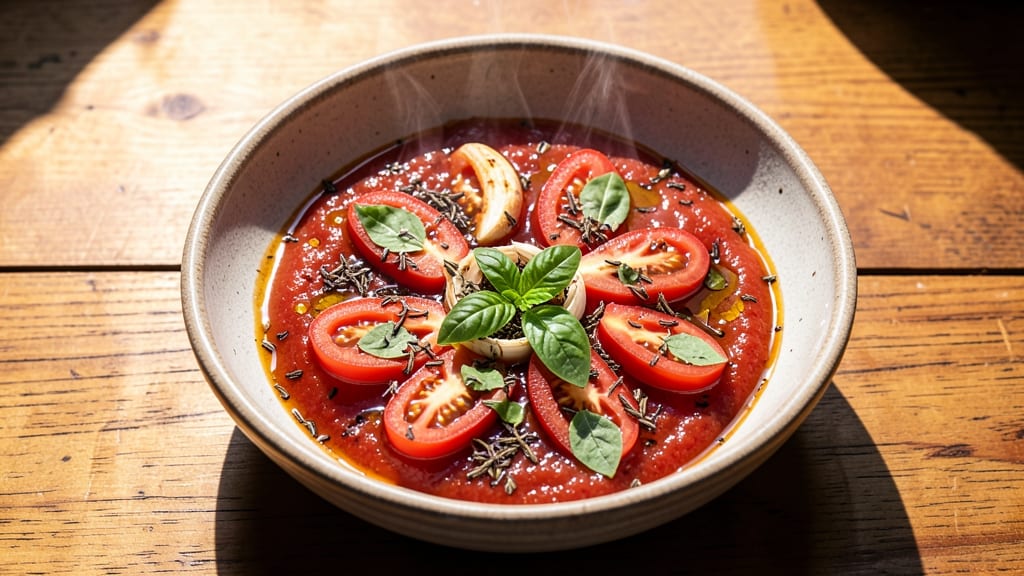
This authentic fresh tomatoes pizza sauce captures the bright, herby essence of traditional Italian cooking in just 20 minutes. The secret lies in using ripe, fresh tomatoes blended with garlic, olive oil, and aromatic herbs—no canned shortcuts here.
I developed this recipe after years of testing, seeking that perfect balance of sweetness, acidity, and umami that defines Neapolitan-style sauce.
The process is simple yet precise: blend fresh tomatoes with garlic, olive oil, and a touch of salt, then simmer until thickened. This method preserves the natural sweetness and vibrant color of the tomatoes while concentrating their flavor.
The result is a sauce that’s rich yet light, with a texture that clings beautifully to pizza dough without overwhelming it.
What sets this sauce apart is its authenticity—no sugar or artificial preservatives, just pure, unadulterated tomato flavor. The herbs (basil, oregano) add depth, while a splash of red wine vinegar brightens the sauce, ensuring every bite tastes like it came straight from a pizzeria in Naples.
The sauce also keeps well in the fridge for up to 5 days, making it perfect for meal prep.
Whether you’re making classic Margherita pizza or experimenting with bold toppings, this sauce will elevate your dish. The key is patience—let it simmer until it reaches the perfect consistency, and you’ll have a sauce that’s restaurant-quality at home. Ready to transform your pizza night? Let’s get started.
Ingredients for authentic pizza sauce recipe with fresh tomatoes
Fresh tomatoes, vibrant herbs, and a touch of acidity create this authentic Italian pizza sauce.
| Ingredient | Amount | Notes |
|---|---|---|
| Fresh Tomatoes 🍅 | 2 ½ lbs | Ripe, vine-ripened preferred |
| Extra-Virgin Olive Oil 🫒 | ½ cup | High quality, fruity |
| Garlic Cloves 🧄 | 5 cloves | Fresh, peeled, roughly chopped |
| Fresh Basil Leaves 🌿 | ½ cup | Packed, stems removed |
| Dried Oregano 🍃 | 1 tsp | Mexican oregano if available |
| Red Wine Vinegar 🍷 | 1 tbsp | For brightness |
| Sea Salt 🧂 | 1 ½ tsp | Diamond Crystal preferred |
| Freshly Ground Black Pepper 🌶️ | ½ tsp | Freshly cracked |
The tomatoes are everything here—vine-ripened ones from a farmers market have the best flavor, but grocery store tomatoes work too. I always grab Heirloom varieties if they're available, but any ripe, juicy tomato will do. Garlic should be fresh—no pre-minced jars—and the basil? Fresh is non-negotiable. The olive oil matters too—extra-virgin with a peppery kick works best. If you're feeling fancy, grab some at Whole Foods or Trader Joe's—their Italian varieties are perfect for this sauce.
No fresh basil? Dried oregano at double the amount gets you close, but it won't have that same bright flavor. Short on tomatoes? San Marzano canned tomatoes (no sugar added) are a great backup, but they won't have the same freshness. Want more depth? Add 1 tsp tomato paste to the blend. The red wine vinegar is key for that tangy brightness—substitute lemon juice if you don't have it, but it'll taste slightly different. And if you're missing the oregano, Italian seasoning works in a pinch.
This sauce keeps beautifully in the fridge for up to 5 days, but it actually tastes better the next day as the flavors meld. For longer storage, freeze it in ice cube trays—just thaw and warm before using. The sauce thickens as it cools, so if it's too thick after simmering, just add a splash of water or broth. And trust me, make extra—it disappears fast, especially when you're making pizza night after night.
Why You'll Love This Recipe
- The secret’s in the balance: let those tomatoes simmer until they’re just breaking down, then finish with a glug of good olive oil and a handful of basil torn right from the stem. It’s the kind of sauce that makes you pause mid-bite and wonder why store-bought ever worked.
- No Chopping Nightmare: I swear by this sauce because the tomatoes just need a quick boil and smash—no dice, no fuss. That first burst of fresh garlic and olive oil hitting the pan takes all of two minutes, and suddenly you’ve got something that smells like summer.
- Taste Like Nonna’s: The secret’s in the balance: let those tomatoes simmer until they’re just breaking down, then finish with a glug of good olive oil and a handful of basil torn right from the stem. It’s the kind of sauce that makes you pause mid-bite and wonder why store-bought ever worked.
- Weeknight Hero: This isn’t just for pizza—slather it on grilled bread, toss it with pasta, or use it to deglaze a pan after roasting veggies. I keep a jar in the fridge all summer so I’m never scrambling for a quick, flavorful base. (Yes, even on a Tuesday night.)
Step-by-step instructions for authentic fresh tomatoes pizza sauce
Here's how to transform simple ingredients into a vibrant, restaurant-quality sauce that captures authentic Italian flavor.
Prepare the Tomatoes for Cooking
Start by cutting the 2.5 lbs fresh tomatoes in half crosswise. I like to use a sharp chef's knife for this—it gives you clean cuts and prevents the tomatoes from crushing. Scoop out the seeds and any white pith using a spoon, being careful not to remove too much of the juicy flesh. This step concentrates the tomato flavor while keeping the sauce naturally sweet and vibrant.
Transfer the deseeded tomatoes to a medium saucepan and add the 0.5 cup extra-virgin olive oil. I always use a high-quality olive oil here—its fruity notes will shine through in the finished sauce. Place the pan over medium heat and let it warm through for 3-4 minutes, stirring occasionally. You'll notice the tomatoes start to soften and release their juices, creating a thick, glossy base for your sauce.
Cook Until Tomatoes Break Down
Once the tomatoes are warm and releasing juices, add the 5 cloves garlic cloves and 1 tsp dried oregano. Stir everything together and let it simmer gently for 15-20 minutes. This is where the magic happens—the tomatoes will break down into a thick, chunky sauce. I keep the heat at medium-low to prevent burning, but you want to see the mixture bubble gently and reduce by about one-third in volume.
Here's the thing—don't rush this step. The longer the tomatoes cook, the more their natural sugars caramelize, creating depth of flavor. You'll know it's ready when the sauce thickens enough to coat the back of a spoon and the raw tomato taste mellows into something rich and savory. If it's getting too thick too quickly, you can add 1-2 tablespoons of water to keep it workable.
Finish with Herbs and Vinegar
After the tomatoes have broken down, remove the pan from heat and let it cool slightly for 2-3 minutes. This prevents the fresh basil from wilting into the sauce. Add the 0.5 cup fresh basil leaves and 1 tbsp red wine vinegar, then stir gently. The vinegar brightens the sauce with a subtle tang that balances the richness, while the basil adds that classic Italian freshness you can't get from dried herbs.
Return the pan to low heat and let the sauce simmer for another 5 minutes. This final step infuses the basil's aroma into the sauce without overcooking it. Taste and adjust seasoning with the 1.5 tsp sea salt and 0.5 tsp freshly ground black pepper. The sauce should be bright, herby, and perfectly balanced—not too sweet, not too acidic, just right for pizza.
Cool and Use Immediately
Transfer the sauce to a bowl and let it cool to room temperature. I like to press a plate on top of the sauce to help remove any excess air bubbles—this gives you a smooth, professional-looking finish. The sauce will thicken slightly as it cools, which is perfect for spreading on pizza dough. Use it immediately for the best results, or store it in an airtight container in the refrigerator for up to 5 days. When reheating, warm it gently over low heat and stir in a splash of water if it thickens too much.
This sauce is the heart of any great pizza—bright, herby, and full of authentic flavor. The key is using ripe, fresh tomatoes and letting them cook slowly to develop their natural sweetness. Spread it generously on your dough, and you'll have a pizza that tastes like it came straight from a Roman trattoria.
Pro Tips For Making Authentic Pizza Sauce Recipe With Fresh Tomatoes
- Char Tomatoes First: I used to skip this step, but searing the tomato halves cut-side down in a dry pan for 3-4 minutes concentrates their sweetness and deepens the flavor—no extra oil needed. The caramelized edges disappear into the sauce, leaving only that rich, jammy depth.
- Use Whole Garlic Cloves: Peeling and mincing garlic is a hassle, but tossing 3-4 whole cloves into the simmering sauce (unpeeled) lets them infuse flavor without burning. After 5 minutes, remove them with tongs—they’ll slide right out, leaving behind just the aromatic oils.
- Simmer Low and Long: Rushing this sauce turns it watery. After the initial blitz in the pan, reduce heat to a bare simmer and let it cook uncovered for 20-25 minutes. The liquid will thicken naturally, and the acidity mellows—no need to add flour or sugar.
- Salt in Stages: Add half the salt at the start, then taste again after 10 minutes of cooking. Fresh tomatoes release water as they cook, so you’ll likely need more than you think—but wait until the end to adjust acidity with a pinch of sugar if needed. (Yes, even with fresh tomatoes.)
Make-ahead tips for this recipe
Prep Ahead Sauce
Make this sauce up to 3 days in advance—it actually tastes better after flavors meld! Store in an airtight glass container in the fridge, leaving ½ inch headspace for expansion.
I like using mason jars because they’re easy to grab and reheat. The sauce thickens as it cools, so stir in 1-2 tbsp water when reheating to restore spreadable consistency. 💫
Freezer-Friendly
For long-term storage, freeze the sauce in ice cube trays—perfect portions for single pizzas! Once frozen, transfer cubes to a ziplock freezer bag, squeezing out excess air to prevent freezer burn.
Thaw overnight in the fridge, then reheat gently on the stovetop with 1 tbsp water to loosen the texture. The sauce retains its vibrant color and flavor for up to 3 months.
Batch Prep Tips
Double the recipe if you’re making multiple pizzas—this sauce disappears fast! Use a blender to process 1 lb tomatoes at a time for consistency, then combine batches in a large bowl.
Label containers with the date to track freshness. I always keep a small jar in my fridge for quick Margherita pizzas—just add fresh mozzarella and basil! 🍕
Reheating Perfection
Never microwave this sauce—it turns rubbery! Instead, warm in a small saucepan over low heat for 3-4 minutes, stirring constantly. For extra richness, add 1 tsp olive oil while reheating.
If the sauce separates, whisk in 1 tbsp water or tomato paste until smooth. The gentle heat preserves the bright, herby flavors you worked so hard to create. 🔥
Sauce Consistency Hacks
Too thick? Thin with warm water or broth (¼ cup at a time). Too thin? Simmer uncovered for 5-10 minutes to reduce. For a chunkier texture, blend only half the tomatoes before mixing in the rest whole.
Pro tip: Press a plate on top of the cooled sauce to remove bubbles—it’ll look restaurant-fresh! ✨
Nutrition facts
Frequently asked questions
Can I use canned tomatoes instead of fresh?
Fresh tomatoes give the brightest, most vibrant flavor, but you can use San Marzano canned tomatoes (no sugar added) in a pinch. For the best results, drain the tomatoes well and simmer them longer (25-30 minutes) to concentrate the flavor. Avoid regular canned tomatoes—they often contain added salt or sugar that alters the authentic taste.
How do I adjust the sauce if it's too acidic?
If the red wine vinegar makes the sauce too sharp, balance it by adding ½ tsp sugar or 1 extra clove of garlic while simmering. For a richer flavor, stir in 1 tsp tomato paste at the end. The key is to taste as you go—authentic Italian pizza sauce should be bright but never overpowering.
Can I make this sauce without a stove?
Yes! Use an Instant Pot or electric pressure cooker—simmer on high pressure for 8 minutes, then release naturally. For a stovetop-free method, blend the tomatoes with olive oil and garlic, then microwave in 30-second intervals for 5-6 minutes, stirring between each. The texture will be slightly thinner, but the flavor stays authentic.
What's the secret to avoiding a watery sauce?
Simmer the sauce uncovered on medium-low heat until it reduces by about one-third in volume. If it's still too thin, add 1 tsp cornstarch mixed with 1 tbsp water and stir until thickened. The goal is a sauce that coats the back of a spoon but still spreads easily on dough. Patience is key—rushing leads to wateriness.
How much sauce should I use per pizza?
For a 12-inch pizza, use ⅓ to ½ cup of sauce—just enough to coat the dough without drowning it. Spread it thinly and evenly, leaving a ½-inch border for the crust. This recipe makes about 3 cups, perfect for 4-6 personal pizzas. Less is more—overloading makes soggy pizza!