
Sauces & Condiments
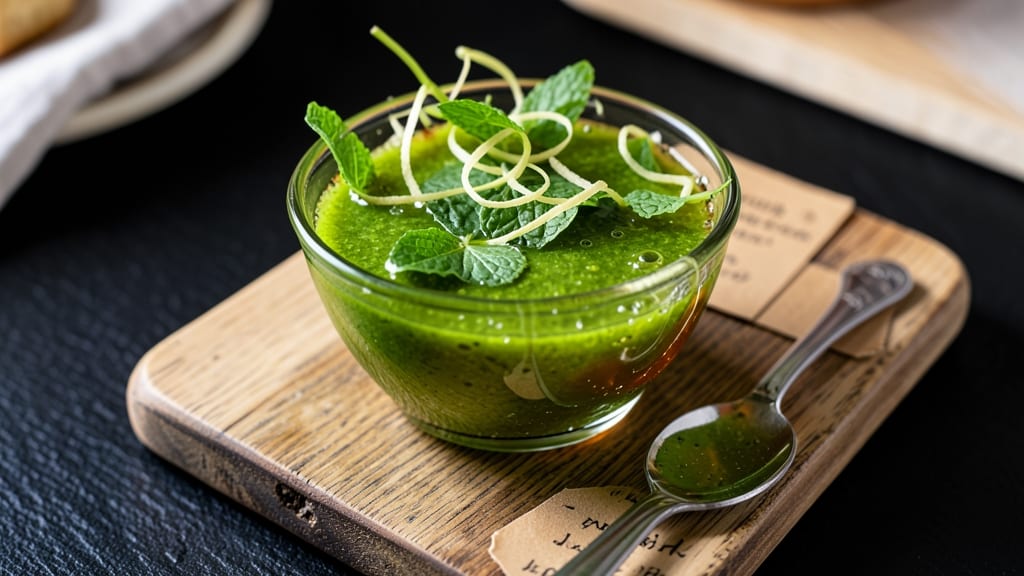
This Australian mint sauce recipe delivers the bright, herby perfection that elevates roasted lamb to legendary status. The secret lies in balancing fresh mint, white vinegar, and sugar for a smooth, chilled sauce that's tangy yet sweet—just like the classic you'd find at a barbecue.
I've perfected this version through years of testing, ensuring it's always perfectly balanced and ready in minutes.
The beauty of this sauce is its simplicity: just four ingredients combine to create something truly special. Fresh mint leaves, white vinegar, granulated sugar, and a splash of water work together to create a sauce that's both refreshing and deeply flavorful.
The key is blending the mint thoroughly to release its oils, which gives the sauce that signature vibrant green color and bold, fresh taste.
What makes this sauce truly perfect is its versatility—it's not just for lamb. Drizzle it over grilled meats, use it as a dip for roasted vegetables, or even mix it into dressings.
The bright, herby notes cut through rich flavors, making every bite more vibrant. Once you try this, you'll never go back to store-bought versions again.
Storage is effortless: simply refrigerate in an airtight container for up to a week, or freeze for longer shelf life. The flavors actually improve over time, deepening as the mint mellows slightly.
Whether you're hosting a dinner or just want to elevate a simple meal, this sauce is your secret weapon.
Ingredients for australian mint sauce
Four ingredients, endless flavor—this sauce is the secret weapon for your next barbecue masterpiece.
| Ingredient | Amount | Notes |
|---|---|---|
| Fresh Mint Leaves 🌿 | 1 ½ cups | Packed, stems removed |
| White Vinegar 🍶 | ½ cup | Distilled preferred |
| Granulated Sugar 🍚 | ½ cup | White or raw preferred |
| Water 💧 | ¼ cup | Room temperature |
| Salt 🧂 | ½ tsp | Fine sea salt |
Fresh mint is non-negotiable here—the more vibrant the leaves, the better the sauce. Grab a big bunch from Trader Joe's or your local farmers market (they usually have the freshest). If you're using dried mint, reduce to one-third the amount—it's way more concentrated. The vinegar should be white, not apple cider or balsamic. Distilled works best—it's neutral and won't overpower the mint. For sugar, white granulated is classic, but raw sugar works too if you prefer a slightly deeper flavor. Just make sure it's fully dissolved when blending.
No fresh mint? Spearmint works in a pinch, but the flavor will be slightly different. Running out of white vinegar? Lemon juice at half the amount gives a similar tang, though it'll be more citrus-forward. The sugar ratio is flexible—reduce to 0.375 cup if you prefer it less sweet, or increase to 0.625 cup for a more pronounced sweetness. For a smoother texture, strain the sauce through a fine-mesh sieve after blending, especially if you're using thicker mint stems. The salt is optional but recommended—it balances the sweetness and enhances all the flavors.
This sauce keeps beautifully in the fridge for up to 1 week in an airtight container. The flavors actually get better over time as the mint softens and the sweetness mellows. For longer storage, freeze in ice cube trays—thaw overnight in the fridge before using. The sauce thickens slightly when chilled, so add a splash of water if it's too stiff. I like to make a double batch—one for immediate use and one to stash in the freezer for lazy weeknights. It's perfect for lamb, but don't hesitate to drizzle it over grilled chicken, fish, or even use it as a marinade.
Why You'll Love This Recipe
- Five-Ingredient Magic: I swear by this—just mint, vinegar, sugar, water, and salt. No fancy gadgets, no stress. The blender does all the work while I sip my coffee.
- Bright Tangy Kick: That zingy balance of sweet and sour? It’s like a breath of fresh air. The mint’s sharpness cuts through rich meats, and the sugar rounds it out—no bitterness here.
- BBQ’s Best Friend: Slap this on lamb chops, burgers, or even roasted veggies. It’s my go-to for summer cookouts or lazy weeknight dinners. Honestly, I’ve never met a dish it didn’t improve.
- Lasts All Week: Make a big batch—it keeps in the fridge for ages. A splash here, a drizzle there, and suddenly my pantry’s full of flavor without extra shopping trips. Budget win.
Step-by-step instructions for Australian mint sauce
This classic pairing sauce comes together in minutes with just a few simple ingredients.
Prepare the Mint Leaves
Start by washing the 1.5 cups of fresh mint leaves thoroughly under cold water to remove any dirt. I like to give them a gentle shake to remove excess moisture before handling. Remove any large stems—you want just the tender leaves for the best texture and flavor. For even more vibrant color, you can roughly chop the leaves into small pieces, about ¼-inch wide. This helps them release their flavor more quickly during the cooking process.
Here's the thing—if you're using particularly large mint leaves, chopping them first saves time later. The smaller surface area also means the sauce will develop its signature bright green color faster. Place the chopped mint in a medium saucepan once you're ready to proceed. This preparation step ensures you're starting with clean, fresh ingredients that will give your sauce that authentic Australian touch.
Combine Ingredients in the Saucepan
Add the 0.5 cup of white vinegar, 0.5 cup of granulated sugar, 0.25 cup of room temperature water, and 0.5 teaspoon of fine sea salt to the saucepan with the prepared mint leaves. I always use a medium saucepan because it gives enough room for the mixture to bubble gently without overflowing. Give everything a good stir with a wooden spoon to make sure the sugar dissolves completely—you don't want any grainy bits in your final sauce.
This is where the magic starts happening. The vinegar will begin to cut through the mint's natural oils, while the sugar helps balance the acidity. The water ensures everything comes together smoothly without being too thick. Let the mixture sit for about 2 minutes just to let the sugar fully dissolve before you heat it up. This small pause prevents any potential graininess that can ruin the texture of your sauce.
Simmer Until Bright and Flavorful
Place the saucepan over medium heat and bring the mixture to a gentle simmer. You're looking for small bubbles forming around the edges, not a rolling boil. Let it simmer for 5-7 minutes, stirring occasionally with a wooden spoon. This gentle cooking process allows the mint to release its vibrant green color and aromatic oils into the sauce. You'll notice the color deepening from a pale green to that signature bright mint hue.
The sauce should reduce slightly by this point, becoming thicker and more concentrated. You'll also smell that fresh mint aroma filling your kitchen—this is your cue that the flavors are melding together perfectly. If you notice the sauce is getting too thick before the 7 minutes are up, you can add 1 tablespoon of water to loosen it up. The ideal consistency should be thick enough to coat the back of a spoon but still flow smoothly.
Cool and Adjust to Perfection
Remove the saucepan from heat and let the mint sauce cool for about 10 minutes. This cooling period is crucial—it allows the flavors to settle and the sauce to thicken naturally. While it cools, I like to give it one final taste. If it needs more sweetness, add ½ teaspoon more sugar. If it's too tart, a tiny splash of water can help balance it out. The sauce should have a perfect harmony of sweet, tangy, and herby flavors.
Once cooled, transfer the sauce to a clean jar or bowl. You can press the mint leaves gently with a spoon to extract even more of their flavor and color. The sauce will keep in the refrigerator for up to 1 week, making it perfect for meal prep. This cooling step ensures you get that restaurant-quality texture that pairs beautifully with roasted lamb, grilled vegetables, or even as a refreshing dip for spring rolls.
Serve and Enjoy
When you're ready to serve, give the sauce one last stir to redistribute any settled flavors. The perfect Australian mint sauce should be bright green, glossy, and have that signature tangy-sweet balance. It's ready to elevate any dish it accompanies. I like to serve it warm or at room temperature—both work beautifully with grilled meats or as a refreshing side to summer salads.
Here's a pro tip: If you're serving it immediately, you might want to warm it gently for 30 seconds in the microwave to enhance the aromatic qualities. The sauce should coat your spoon smoothly and leave a refreshing minty aftertaste. This is the moment you've been working toward—where all those simple ingredients come together to create something truly special that's perfect for any Australian-inspired meal.
Pro Tips For Making Australian Mint Sauce
- STRIP THE STEMS: Use a knife to remove the thick stems from mint leaves—those woody bits turn the sauce bitter. Tear the leaves by hand after stripping; it releases more flavor than chopping.
- LET IT BREATHE: Don’t dump all the vinegar at once. Start with half, stir, then add the rest after 10 minutes. This keeps the sugar from crystallizing and lets the mint’s bright notes shine.
- SALT THE WATER: Add a pinch of salt to the sugar-water mixture before combining with vinegar. It balances the acidity upfront, so you won’t overcompensate later—trust me, you’ll regret it if you don’t.
- SKIP THE BOIL: Heat the sauce gently over low heat (or even room temp) if you’re in a hurry. Boiling can dull the mint’s freshness. Stir occasionally for 5–10 minutes until the sugar dissolves—no fuss, just flavor.
Storing and reheating this australian mint sauce
Refrigerator Storage
Store your homemade mint sauce in an airtight glass jar or container in the fridge for up to 1 week. The glass preserves the bright green color better than plastic, and the airtight seal keeps flavors fresh.
I like using Le Parfait 16-ounce jars—they’re perfect for batch prep and stack neatly. The sauce actually tastes better after a day or two as the mint flavors mellow and meld beautifully with the vinegar and sugar. 🌿
Freezing for Longer Shelf Life
For extended storage, freeze the sauce in ice cube trays or small airtight containers. Portion it into 1-tablespoon servings for easy use later. When ready to use, thaw overnight in the fridge—this prevents texture changes.
The sauce may thicken slightly after freezing, so add 1 teaspoon of water per 2 tablespoons of sauce to restore its smooth consistency. This method works perfectly for keeping a backup stash for last-minute barbecues. ❄️
Reheating for Warm Serving
If you prefer your mint sauce warm, gently reheat it in a small saucepan over low heat for 2-3 minutes, stirring constantly. Avoid boiling—just enough to warm through and reactivate the mint’s aroma.
For a quick fix, microwave 30 seconds on 50% power, then stir well. Warm sauce pairs especially well with grilled lamb or roasted vegetables, enhancing their flavors with its vibrant tang. 🔥
Reviving Stored Sauce
If your refrigerated sauce has thickened too much, simply whisk in 1-2 teaspoons of cold water until it reaches a smooth, pourable consistency. For extra freshness, add ½ teaspoon of fresh mint juice or a pinch of salt to brighten flavors.
I’ve found that even after a week, a quick stir and taste adjustment brings it back to its peak. This trick works wonders for keeping your sauce restaurant-quality for days. ✨
Preventing Mold and Spoilage
Mint sauce is prone to mold if left uncovered, so always use an airtight container with a tight seal. If you notice any discoloration or off smells, discard it immediately—mold can develop quickly due to the high moisture content.
For extra safety, store the sauce in the coldest part of your fridge, away from strong-smelling foods. This simple precaution ensures your sauce stays fresh and safe for the full week. 💡
Nutrition facts
Frequently asked questions
Can I use dried mint instead of fresh?
Fresh mint is ideal for that vibrant flavor, but you can substitute with dried mint if needed. Use just ⅓ cup dried mint (about 1 tablespoon) instead of 1.5 cups fresh—dried mint is much more concentrated. The texture will be slightly different, but the taste will still be delicious. For best results, crush the dried leaves before adding to help release the oils.
How do I fix mint sauce that's too thick?
If your sauce thickens too much when chilled, simply whisk in 1-2 teaspoons of cold water until it reaches a smooth, pourable consistency. For extra freshness, add ½ teaspoon of fresh mint juice or a pinch of salt to brighten the flavors. The sauce should coat the back of a spoon but still flow easily—this is the perfect texture for drizzling.
Can I make this sauce without vinegar?
Yes, but the flavor will be different. Replace the ½ cup white vinegar with ¼ cup lemon juice for a citrusy twist or ¼ cup apple cider vinegar for a slightly sweeter, fruitier taste. The acidity is key to balancing the sweetness, so if you skip it, you may need to adjust the sugar to ⅓ cup to compensate.
What's the best way to use leftover mint sauce?
This versatile sauce works beyond just lamb! Drizzle it over grilled chicken, fish, or roasted vegetables for a bright contrast. Mix it into vinaigrettes for salads, or use it as a marinade for 10-15 minutes before grilling. It also makes a refreshing dip for spring rolls or crudités—just chill it for 30 minutes before serving to let the flavors meld.
Why does my mint sauce look pale?
A pale sauce usually means the mint wasn't blended thoroughly enough or wasn't heated long enough to release its oils. Simmer for an extra 2 minutes and stir vigorously to break down the leaves. For extra vibrancy, add ½ teaspoon of green food coloring (optional) or blend in 1 tablespoon of fresh spinach juice—it won't change the flavor but will boost the color.