
Sauces & Condiments
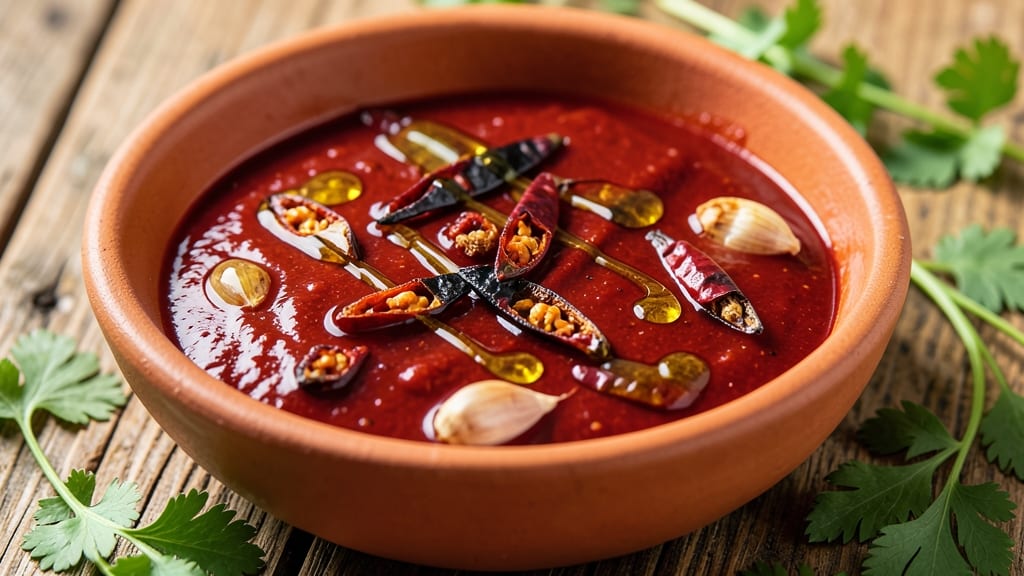
This authentic Portuguese peri peri sauce recipe delivers the fiery, smoky heat that makes grilled dishes unforgettable. The secret lies in fresh piri-piri peppers (or African bird’s eye chilies), garlic, and vinegar—balancing heat with tangy depth.
I’ve perfected this sauce to stay true to Portuguese flavors while being adaptable for any grill master.
The key to authenticity is proper chili preparation: roasting the peppers over an open flame to develop their signature smoky flavor before blending with garlic, vinegar, and olive oil.
This sauce isn’t just spicy—it’s complex, with layers of heat that build gradually. The result? A versatile sauce that elevates grilled meats, fish, or even roasted vegetables.
Once blended, this sauce transforms into a perfect finishing touch or marinade, infusing dishes with bold, aromatic heat. It keeps well in the refrigerator for up to two weeks, making it ideal for batch cooking.
Whether you’re grilling sardines, chicken, or shrimp, this peri peri sauce will take your meal from ordinary to extraordinary.
For those without access to piri-piri peppers, African bird’s eye chilies work beautifully—just adjust the quantity to control the heat level. The sauce’s tangy, smoky profile makes it a must-have for any grilling enthusiast. Let’s get cooking!
Ingredients for authentic portuguese peri peri sauce
Six peppers, eight cloves, and a splash of vinegar—this is where the magic happens.
| Ingredient | Amount | Notes |
|---|---|---|
| Piri-Piri Peppers 🌶️ | 6 whole | Fresh, stems removed |
| African Bird’s Eye Chilies 🌶️ | 12 whole | Substitute if piri-piri unavailable |
| Garlic Cloves 🧄 | 8 cloves | Fresh, peeled |
| White Vinegar 💧 | ½ cup | White or apple cider |
| Extra-Virgin Olive Oil 🫒 | ½ cup | High quality, fruity |
| Red Wine Vinegar 🍷 | ¼ cup | For depth of flavor |
| Salt 🧂 | 1 ½ tsp | Kosher or sea salt |
| Black Peppercorns 🌶️ | ½ tsp | Freshly cracked |
| Fresh Lemon Juice 🍋 | 2 tbsp | Freshly squeezed |
| Bay Leaves 🍃 | 1 whole | Dried, optional |
Piri-piri peppers are the heart of this sauce, but don’t stress if you can’t find them. African bird’s eye chilies work perfectly—just double the amount for similar heat. Look for fresh peppers at Latin markets or specialty stores; they should be bright red and firm. If using dried chilies, soak them first. The garlic? Fresh is non-negotiable—pre-minced loses flavor fast. I always grab a head of garlic from Whole Foods or the produce section at Trader Joe’s, where they keep it cool.
No white vinegar? Apple cider vinegar or lemon juice in a pinch, but white gives that classic tang. Want extra depth? Add a splash of Portuguese red wine (about 1 tbsp) for authenticity. The olive oil should be fruity and extra-virgin—none of that cheap stuff. If you’re sensitive to heat, start with fewer chilies and adjust to taste. The bay leaf is optional but adds a subtle earthiness that ties everything together. Pro tip: Toast the peppers over an open flame for that signature smoky flavor—char them slightly but don’t burn.
This sauce keeps for 2 weeks in the fridge, sealed tightly. The flavors actually improve over time, so make a big batch. For leftovers, store in a glass jar with a tight lid—vinegar-based sauces last longer that way. Freeze in ice cube trays for single-use portions. Use it on grilled meats, fish, or even drizzled over roasted veggies. Trust me, the first time you grill sardines with this, you’ll be hooked.
Why You'll Love This Recipe
- Five-Ingredient Magic: I swear by this recipe because it’s that simple—just peppers, garlic, vinegar, oil, and a blender. No fancy techniques, no waiting for hours, just pulse, simmer, and you’re done. Honestly, I’ve made it while chatting on the phone.
- Smoky Garlic Heat: That first taste? Chef’s kiss. The charred piri-piri and African bird’s eye chilies bring a deep, smoky kick, while the raw garlic adds a bright punch. It’s the kind of sauce that makes you reach for seconds without thinking.
- Weeknight Workhorse: Slap it on grilled chicken, drizzle over roasted potatoes, or toss with shrimp—it’s my go-to for lazy dinners. Between us, it’s the only sauce I keep in the fridge because it works every time.
- Lasts All Week: A little goes a long way, and this batch keeps for ages in the fridge. I’ve had it linger for over two weeks, still bold and flavorful. Plus, the vinegar base means it won’t spoil like fresh herbs would.
Step-by-step instructions for authentic Portuguese peri peri sauce
Here's how to make a sauce that delivers real Portuguese firehouse heat—smoky, spicy, and perfect for grilled meats.
Toast the Chilies and Garlic for Deep Flavor
Heat a dry skillet over medium heat and add the 6 whole Piri-Piri Peppers and 12 whole African Bird's Eye Chilies. Toast them for 3-4 minutes, turning occasionally, until they darken slightly and smell intensely aromatic. This step develops their natural oils and smoky depth—don't rush it or they'll burn.
Remove the chilies and set aside. In the same skillet, add the 8 cloves Garlic Cloves and toast for 1-2 minutes until golden and fragrant. Watch closely—the garlic burns quickly. Immediately transfer both to a heatproof bowl to stop the cooking process. 2
Blend the Chilies and Aromatics with Vinegars
Add the toasted chilies, garlic, 0.5 cup White Vinegar, and 0.25 cup Red Wine Vinegar to a blender. Blend on high for 30-45 seconds until you get a coarse, chunky paste. The acidity from the vinegars helps break down the chilies' heat while preserving their smoky character. If your blender struggles, pulse in short bursts to avoid overheating.
This is where the sauce starts building its signature balance—bright acidity cutting through the heat. Don't worry if it looks uneven; we'll refine it in the next step. The texture should be thick but still pourable, like a loose paste.
Step 3: Cook the Sauce Until Silky and BalancedPour the blended mixture back into the skillet and add 0.5 cup Extra-Virgin Olive Oil. Stir over medium-low heat for 8-10 minutes, letting the sauce thicken slightly. You'll see the oil emulsify with the vinegar, creating that signature glossy sheen. Stir frequently to prevent sticking.
Add the 1 whole Bay Leaves (if using), 1.5 tsp Salt, and 0.5 tsp Black Peppercorns (cracked between your fingers). Let it simmer for another 5 minutes until the flavors meld. The sauce should coat the back of a spoon but still flow easily—this is the perfect consistency for dipping or basting.
Step 4: Finish with Lemon and Adjust the HeatRemove the sauce from heat and stir in the 2 tbsp Fresh Lemon Juice. This brightens the flavors and balances the smoky heat. Taste immediately—the sauce should be intensely spicy with a lingering smokiness, not overwhelming. If it's too fiery, add a splash of water to dilute slightly.
Let the sauce rest for 10 minutes before serving. This allows all the flavors to settle and the heat to distribute evenly. The sauce will thicken further as it cools, so adjust with water if needed. Serve immediately over grilled meats, fish, or with crusty bread for the full Portuguese experience.
Step 5: Store Properly for Maximum FreshnessTransfer any leftovers to a clean jar and refrigerate for up to 1 week. The flavors actually improve over time as the chilies mellow slightly. When reheating, warm gently over low heat—never boil, or the sauce will separate. If it thickens too much, whisk in a tablespoon of water or vinegar to restore consistency.
This sauce is the heart of Portuguese grilled dishes, but don't limit it to meats. Drizzle it over roasted potatoes, mix it into mayo for sandwiches, or use it as a marinade. The key is balance—smoky, spicy, and bright all at once. That's what makes it authentic.
Pro Tips For Making Authentic Portuguese Peri Peri Sauce
- CHAR THE PEPPERS LOW AND SLOW: I learned this the hard way—blasting those piri-piri and bird’s eye chilies on high heat turns them bitter. Instead, simmer them in olive oil over medium-low for 10-12 minutes, stirring often. You want them soft enough to mash into the sauce, not crispy remnants at the bottom.
- REMOVE PEPPER SEEDS—BUT NOT ALL: Don’t strip the seeds completely; leave a few in each chili for authentic heat. I used to go overboard and end up with a sauce that’s all smoke and no fire. The seeds add depth—just don’t let them dominate.
- USE AGED WHITE VINEGAR: Skip the cheap stuff. Aged white vinegar (6+ months) has a smoother acidity that balances the chilies without overpowering them. I started saving a bottle of vinegar for this recipe after realizing the generic store brand made the sauce taste harsh.
- BLEND IN BATCHES—DON’T OVERLOAD: Immersion blenders are your friend here. Pulse the sauce in two parts—first the peppers and garlic, then the vinegar and oil—to avoid a watery mess. I once dumped everything in at once and ended up with a chunky, uneven sauce.
Regional styles of these flavors
Northern Portugal
In the northern regions like Braga and Porto, peri peri sauce is often made with African bird’s eye chilies—a common substitute for piri-piri peppers. The locals here prefer a slightly thicker sauce, perfect for basting grilled sardines or pork ribs.
I’ve found that adding 1 extra bay leaf during cooking enhances the earthy notes that complement the region’s hearty dishes. 🌶️
For an authentic touch, use Portuguese white wine (like Vinho Verde) instead of vinegar—just 2 tablespoons added during blending. The wine’s crisp acidity softens the heat while keeping the sauce vibrant.
This variation is a staple at local festivals, where it’s served with broa de milho (cornbread) to cool the palate.
Algarve Coast
The Algarve’s coastal climate brings out the sauce’s bright, citrusy qualities. Here, peri peri is lighter, often drizzled over grilled prawns or octopus. I like to add 1 extra tablespoon of lemon juice and reduce the garlic to 6 cloves for a more delicate flavor.
The heat level is milder but still packs a punch.
Locals in Lagos and Tavira sometimes blend in 1 teaspoon of smoked paprika for a subtle smokiness that pairs beautifully with seafood. This version is less about heat and more about enhancing the natural flavors of the fish. It’s a favorite for summer barbecues by the Atlantic.
Madeira Island
Madeira’s peri peri sauce is a sweeter, fruitier take, reflecting the island’s tropical influences. The secret? Adding 1 tablespoon of honey or agave syrup to the blend. This balances the chilies’ heat while keeping the sauce versatile for both grilled meats and roasted vegetables.
I’ve seen it used as a glaze for pork chops here.
Madeirans also love to infuse the sauce with 1 teaspoon of orange zest during cooking. The citrus notes elevate the sauce’s complexity, making it a standout for seafood platters or as a marinade for chicken skewers. The heat is manageable but still bold—perfect for the island’s warm climate.
Azores Adaptation
The Azores take peri peri sauce to a herb-forward level, often incorporating fresh cilantro or parsley into the blend. The volcanic soil gives local chilies a unique depth, so I recommend using extra-virgin olive oil from the Azores if possible.
The sauce here is less about heat and more about aromatic layers.
For a true Azorean twist, add 1 crushed clove of garlic and ½ teaspoon of dried oregano to the skillet during cooking. This version is ideal for grilled lamb or cornbread, reflecting the islands’ rustic, hearty cuisine. The sauce’s smokiness pairs perfectly with the region’s black pork dishes.
Nutrition facts
Frequently asked questions
What's the difference between peri peri sauce and piri piri sauce?
They're essentially the same! "Peri peri" is the Portuguese name for piri-piri peppers (African bird's eye chilies), so the sauce goes by both names. The key difference is regional: "peri peri" is more common in Portugal's mainland, while "piri piri" is used in Mozambique and other African countries where the peppers originated. The recipe and flavors remain identical.
Can I make this sauce without fresh piri-piri peppers?
Use African bird's eye chilies as a substitute—just double the quantity (12 chilies for 6 piri-piri peppers). For even more authenticity, look for dried piri-piri flakes in Portuguese markets. The sauce will still deliver that signature smoky heat, though the texture may be slightly thicker. Never use cayenne or jalapeños—they lack the complex, fruity heat of piri-piri.
How do I control the heat level in this sauce?
Start with fewer chilies and adjust to taste. For mild heat, use 4-6 African bird's eye chilies. For medium heat, use 8-10. If it's too spicy, thin with 1 tablespoon of vinegar or water and let it rest—heat often mellows after 10 minutes. The key is balancing the vinegar's acidity with the chilies' oils, which naturally softens the burn over time.
Can I use this sauce as a marinade?
Yes! This sauce makes an excellent marinade for grilled meats, fish, or shrimp. For best results, use it for 30 minutes to 2 hours (never longer than 4 hours). The acidity in the vinegar tenderizes proteins while the chilies infuse flavor. For extra safety, reserve 1/4 cup of the sauce to use as a finishing sauce after grilling—this prevents overcooking the meat.
Why does my peri peri sauce separate when reheating?
This happens when the oil and vinegar emulsion breaks down from too much heat. To fix it, whisk in 1 teaspoon of vinegar or lemon juice while warming over low heat. For prevention, store the sauce in a glass jar and reheat gently—never boil. The original recipe's 10-minute resting time before serving helps stabilize the emulsion, so always let it sit before using.