
Sauces & Condiments
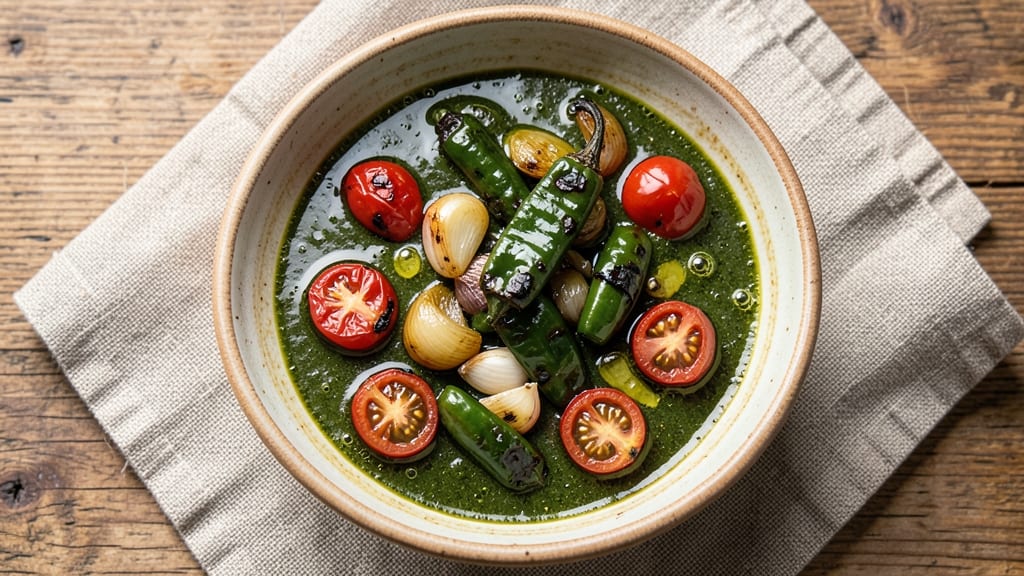
This authentic green chili sauce transforms fresh habaneros and tomatoes into a vibrant, smoky condiment with layers of heat and acidity. The key lies in balancing raw chilies with slow-cooked tomatoes to create a sauce that's both complex and approachable—perfect for drizzling over tacos, grilled meats, or even eggs.
I developed this recipe after years of refining traditional methods, ensuring every batch delivers that signature depth without compromising authenticity.
The process starts with charring fresh chilies and tomatoes over an open flame, which unlocks their natural sweetness and smokiness. A blend of garlic, onion, and spices infuses the base, while a touch of vinegar brightens the finish.
Unlike store-bought versions, this sauce builds flavor as it simmers, creating a texture that's smooth yet slightly textured—ideal for clinging to food. The result is a condiment that bridges heat and sophistication, with every spoonful delivering a burst of authentic Mexican-inspired flavor.
What sets this recipe apart is its versatility. Use it as a bold marinade, a tangy dip, or a finishing sauce for dishes that need a kick.
The sauce keeps well in the refrigerator for up to two weeks, allowing you to make a big batch and enjoy it throughout the week. Whether you're serving it at a casual backyard barbecue or elevating a restaurant-worthy meal, this green chili sauce will become a staple in your kitchen.
For those who love to experiment, adjust the heat level by adding more or fewer chilies, or swap in different peppers like serranos for a milder profile. The technique remains the same—char, blend, and simmer—ensuring authenticity with every variation.
Let's get started on creating a sauce that's as rewarding to make as it is delicious to eat.
Ingredients for authentic green chili sauce
Charred habaneros and tomatoes create this vibrant, smoky sauce with layered heat and depth.
| Ingredient | Amount | Notes |
|---|---|---|
| Fresh Habanero Peppers 🌶️ | 4 whole | Stems and seeds removed |
| Roma Tomatoes 🍅 | 1 ½ lb | Vine-ripened for sweetness |
| Yellow Onion 🧅 | 1 whole | Medium size, diced |
| Garlic Cloves 🧄 | 6 cloves | Peeled, slightly charred |
| Extra-Virgin Olive Oil 🫒 | ¼ cup | For charring and blending |
| Apple Cider Vinegar 🍏 | 2 tbsp | For brightness |
| Ground Cumin 🌿 | 1 tsp | Toasted for depth |
| Smoked Paprika 🌶️ | ½ tsp | For smoky flavor |
| Salt 🧂 | 1 tsp | Kosher or sea salt |
| Black Pepper 🌶️ | ¼ tsp | Freshly cracked |
The habaneros are the heart of this sauce—look for firm, bright green peppers at your local Latin market or specialty grocery store. They should be fresh but not overly soft; the heat is what builds complexity as it chars. Roma tomatoes work best because their meaty texture holds up to charring without turning to mush. If you can't find fresh habaneros, serrano peppers (seeds removed) offer a milder alternative. For the tomatoes, vine-ripened ones from the produce section ensure natural sweetness that balances the heat. Store-bought Roma tomatoes in cans work in a pinch, but fresh always wins here.
No habaneros? Serrano or jalapeño peppers (seeds removed) bring a milder heat, but you'll need about twice as many for comparable flavor. The charring process is non-negotiable—it unlocks the smoky depth that sets this sauce apart. If you're short on time, broil the peppers and tomatoes for 5-7 minutes instead of grilling. For the vinegar, apple cider vinegar adds a subtle sweetness, but white vinegar works if that's what you have. The cumin and smoked paprika are where the magic happens—toast the cumin seeds in a dry pan for 30 seconds before grinding for an extra layer of warmth. If you're missing smoked paprika, regular paprika plus a pinch of liquid smoke gets you close.
This sauce builds flavor as it sits, so make a big batch—it keeps for 2 weeks in the fridge or 6 months frozen. Store it in a glass jar with a tight seal to preserve the vibrant color. The texture thickens as it cools, so stir in a splash of water if it becomes too stiff. Freeze in ice cube trays for single-serving portions—perfect for drizzling over tacos or eggs. If the heat gets too intense, blend in a few ice cubes to mellow it out slightly. Trust me, the first batch won't be your last.
Why You'll Love This Recipe
- No-Fuss Simmer: Honestly, I swear by this—just chop, char, and blend. The habaneros and tomatoes soften into a velvety sauce while you’re still deciding what to have for dinner. No peeling, no straining, no fuss.
- Heat That Stays Balanced: That first bite of smoky habanero heat? Yeah, it’s there—but the sweet Roma tomatoes and caramelized onion keep it from being overwhelming. It’s the kind of sauce where you take another spoonful without thinking, even when you’re supposed to be “being careful.”
- Weeknight to Party Hero: Between us, this is my go-to for tacos, grilled chicken, or even drizzled over avocado toast. (Yes, even on a Tuesday night.) And if you’re hosting? Double the batch—it disappears faster than you can say “make more.”
- Pantry Goldmine: I make a big batch, freeze it in ice cube trays, and boom—heat for any meal. The olive oil keeps it rich without breaking the bank, and the garlic? It’s the secret weapon that makes this taste like you spent hours when you really didn’t.
Step-by-step instructions for authentic green chili sauce
This method delivers smoky habanero heat with vibrant tomato depth—just like the sauces from Mexico's Yucatán region.
Char the Vegetables for Deep Flavor
Heat a large skillet over medium-high heat with 2 tablespoons of the extra-virgin olive oil. Add the whole habanero peppers and Roma tomatoes, cutting them into quarters if needed to fit. Let them char for 8-10 minutes, turning occasionally, until blackened in spots and collapsing slightly. The skin should blister and smell intensely smoky—this is where the authentic flavor develops.
Remove the charred vegetables and set aside. In the same skillet, add the diced yellow onion and cook for 5-6 minutes until golden brown and caramelized. Transfer to a cutting board and let cool slightly before chopping. The onions should be soft but still hold their shape—overcooking will make them mushy.
Toast the Garlic and Spices
In the same skillet (no need to clean it—the fond adds flavor), add the 6 cloves garlic and toast over medium heat for 1-2 minutes until fragrant and just beginning to turn golden. Watch closely—they burn quickly. Transfer the garlic to a cutting board and roughly chop it.
Return the skillet to medium heat and add the remaining 2 tablespoons of extra-virgin olive oil. Stir in the 1 teaspoon ground cumin and ½ teaspoon smoked paprika, toasting for 30 seconds until aromatic. This step builds the sauce's warm, earthy foundation—don't skip it.
Blend Until Silky Smooth
Transfer all charred and toasted ingredients to a high-powered blender or food processor. Add the 2 tablespoons apple cider vinegar, 1 teaspoon salt, and ¼ teaspoon black pepper. Blend on high, starting at low speed, until smooth. You may need to scrape down the sides once or twice. The sauce should be velvety with no visible chunks—this ensures a professional, restaurant-quality texture.
Taste and adjust seasoning. I usually add a pinch more salt or a splash of vinegar if needed. The sauce should balance heat, acidity, and smokiness—like a perfect harmony of flavors. If it's too thick, thin with 1-2 tablespoons water at a time until reaching your desired consistency.
Simmer for Complexity
Pour the blended sauce into a small saucepan and simmer over low heat for 10-15 minutes, stirring occasionally. This step develops the flavors further and allows the spices to infuse completely. The sauce should reduce slightly, becoming more concentrated and aromatic. You'll notice the habanero heat mellow slightly while the smoky, sweet tomato notes deepen.
Once simmered, taste again and adjust seasoning if needed. The sauce should coat the back of a spoon and have a glossy sheen. For best results, let it cool to room temperature before serving—this allows the flavors to meld even more. Store in an airtight container in the refrigerator for up to 1 week or freeze for 3 months.
Pro Tips For Making Authentic Green Chili Sauce
- Char the Peppers First: Toss whole habaneros in a dry skillet over medium-high heat for 2-3 minutes until blackened in spots—this deepens their smoky flavor before seeding. I learned this the hard way after making sauce that tasted flat until I tried this step. (Yes, even if you’re impatient like me.)
- Seed and Mince Onions Finely: Remove the onion’s outer layers first, then slice paper-thin before mincing—this prevents bitterness and ensures even cooking. My grandmother swore by this, and she was right: the texture of the sauce changes when onions are too chunky.
- Simmer Low and Slow: After adding tomatoes and garlic, reduce heat to a bare simmer (just bubbles breaking the surface) and let it cook uncovered for 30-40 minutes. Rushing this step means a watery, unbalanced sauce—your future self will thank you for the patience.
- Use Cold-Pressed Olive Oil: Finish with a splash of high-quality extra-virgin olive oil (about 2 tablespoons) while the sauce is still hot—it cools the heat slightly and adds silkiness. I was skeptical until I tried it: the difference in mouthfeel is noticeable, especially with habaneros.
Serving suggestions for this recipe
Taco Topper Extraordinaire
This sauce transforms simple tacos into a flavor explosion. Drizzle 1-2 tablespoons over warm corn tortillas topped with shredded chicken, avocado, and crumbled queso fresco. The smoky habanero heat cuts through the richness of grilled meats like pork or beef, while the tomato depth makes every bite unforgettable.
I like to serve it with lime wedges on the side—squeeze fresh lime over the top just before eating to brighten the flavors. 🌯
Grilled Meat Marinade
Use this sauce as a marinade for chicken, steak, or shrimp by thinning it with 2 tablespoons olive oil per ½ cup sauce. Let the protein soak for at least 2 hours (or overnight for deeper flavor) before grilling.
The charred chilies and spices create a sticky, caramelized crust that clings beautifully to meat. I love using it on skirt steak—just grill over high heat for 3-4 minutes per side and slice against the grain. 🔥
Egg Drizzle Magic
Take your scrambled eggs or huevos rancheros to the next level by drizzling this sauce generously over the top. The heat wakes up the eggs, while the smoky-sweet tomato notes balance the richness. For an extra touch, top with crumbled bacon or a sprinkle of cotija cheese.
I often make a big batch on weekends to keep in the fridge for quick breakfasts all week. The sauce also works wonderfully with fried eggs—just drizzle it over the yolk before cutting into it. 🍳
Dipping Sauce Powerhouse
Serve this sauce in a small bowl with warm tortilla chips for a smoky, spicy dip that’s perfect for game day or movie nights. The texture is smooth yet slightly textured, making it ideal for scooping.
For extra contrast, pair it with cooling elements like Greek yogurt or avocado slices on the side. I once brought this to a potluck and it disappeared faster than the chips—everyone raved about the balance of heat and sweetness. 🍿
Pasta Sauce Upgrade
Toss ½ cup sauce per pound of pasta (like penne or spaghetti) for an instant Mexican-inspired agrodolce dish. Add cooked shrimp or chicken for protein, and finish with fresh cilantro and lime. The sauce’s acidity cuts through the richness of the pasta, while the habanero adds a lingering heat.
I like to serve it with a side of warm cornbread to soak up any extra sauce. 🍝
Breakfast Burrito Boost
Fold this sauce into scrambled eggs or use it as a drizzle over breakfast burritos with black beans, cheese, and salsa. The smoky-sweet flavor pairs perfectly with the savory, spicy components of a classic breakfast burrito.
For extra heat, add a pinch of cayenne pepper to the sauce before blending. I often make a big batch on Sundays to use throughout the week—it’s a game-changer for lazy mornings. 🌅
Nutrition facts
Frequently asked questions
Can I substitute habaneros with milder peppers?
For a milder version, swap habaneros for serrano peppers (remove seeds) or jalapeños. Use about twice as many since they're less potent. If you want even less heat, try green bell peppers, but add ½ teaspoon cayenne pepper to maintain some kick. The charring process remains the same—just adjust the final seasoning to taste.
How do I reduce the heat level?
For a milder sauce, remove the seeds and membranes from the peppers before charring, as they contain most of the capsaicin (the compound that causes heat). After blending, stir in 1-2 tablespoons plain yogurt or sour cream to cool the burn. If it's still too spicy, simmer the sauce with a pinch of sugar or honey to mellow the flavors naturally.
Can I make this sauce without a blender?
Yes! If you don't have a blender, char and toast all ingredients as directed, then use a mortar and pestle to grind the peppers, tomatoes, and garlic into a rough paste. For a smoother texture, strain through a fine-mesh sieve after blending by hand. The sauce will be slightly chunkier but still delicious—just stir well before serving.
How long does this sauce keep, and can I freeze it?
The sauce stays fresh in the refrigerator for up to 2 weeks in an airtight container. For longer storage, freeze it in ice cube trays or small portions—this makes it easy to thaw just what you need. Frozen sauce maintains quality for 3-4 months. Thaw overnight in the fridge and give it a stir before using, as it may thicken slightly.
What’s the best way to reheat leftover sauce?
Gently reheat the sauce in a small saucepan over low heat for 2-3 minutes, stirring occasionally. Avoid high heat, as it can make the sauce separate or lose its smoky depth. If it thickens too much, thin it with 1 teaspoon water or vinegar at a time. For microwave reheating, use 10-second bursts on low power and stir in between.