
Sauces & Condiments
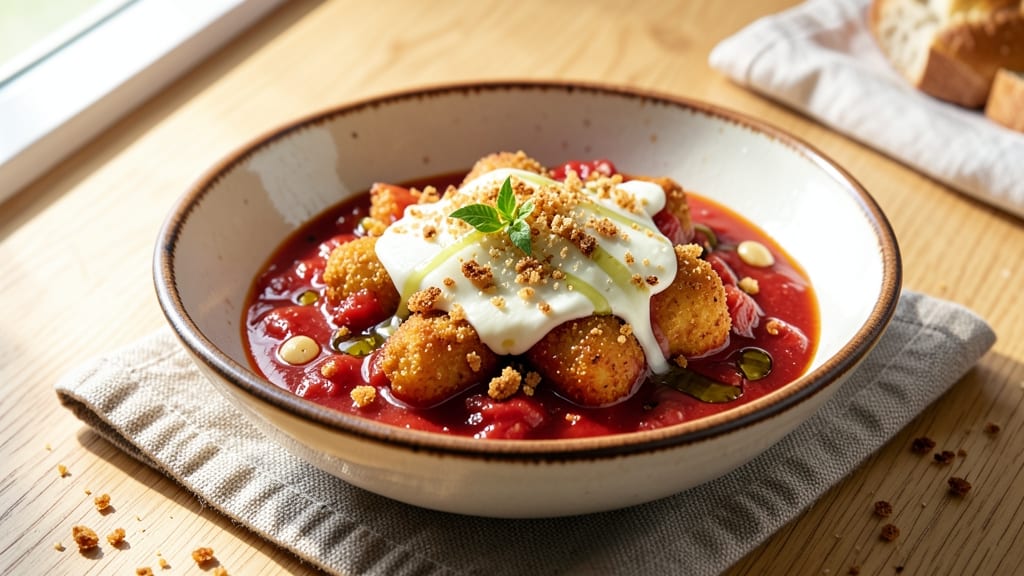
This arancini sauce recipe transforms simple ingredients into a velvety ragù that clings perfectly to crispy arancini. The secret lies in a slow-simmered tomato base enriched with toasted breadcrumbs for texture and depth—no blending required.
I developed this version after years of testing, ensuring it's rich enough to stand alone but light enough to complement golden fried rice balls.
The sauce begins with a simple tomato base—san marzano tomatoes, garlic, and olive oil—simmered until deeply concentrated. Toasted breadcrumbs add a subtle crunch and help thicken the sauce naturally, creating that signature creamy yet rustic texture.
A splash of white wine brightens the flavors, while a touch of parmesan adds umami richness. The result is a sauce that's bold enough for arancini but versatile enough for pasta or as a dipping sauce.
What makes this sauce truly special is its balance—never too heavy, never too thin. The breadcrumbs absorb excess moisture during simmering, ensuring a perfect consistency every time. It's the kind of sauce that elevates arancini from ordinary to extraordinary, with each bite delivering layers of tomato, garlic, and toasted crunch.
Once you taste it, you'll never go back to store-bought versions.
Best of all, this sauce keeps beautifully for up to 5 days in the refrigerator, making it perfect for meal prep. The flavors actually improve as it sits, allowing the breadcrumbs to soften slightly and the tomato base to deepen.
Serve it warm over arancini, drizzled generously, or use it as a base for other Italian dishes. Here's how to make it.
Ingredients for arancini sauce
Nine simple ingredients create a sauce that makes arancini unforgettable—creamy, rich, and packed with toasted crunch.
| Ingredient | Amount | Notes |
|---|---|---|
| San Marzano Tomatoes 🍅 | 1 ½ cups | Crushed by hand, seeds removed |
| Extra-Virgin Olive Oil 🫒 | ½ cup | High-quality, fruity variety |
| Garlic Cloves 🧄 | 4 cloves | Minced for aromatic depth |
| White Wine 🍷 | ½ cup | Dry variety, like Pinot Grigio |
| Parmesan Cheese 🧀 | ½ cup | Freshly grated, fine texture |
| Breadcrumbs 🍞 | ½ cup | Toasted until golden brown |
| Vegetable Broth 💧 | ½ cup | Low-sodium preferred |
| Salt 🧂 | 1 tsp | Diamond Crystal preferred |
| Black Pepper 🌶️ | ½ tsp | Freshly ground for heat |
| Dried Oregano 🍃 | ½ tsp | Italian variety preferred |
San Marzano tomatoes are non-negotiable here—their sweetness and consistency make all the difference. Trader Joe's or Whole Foods carry them canned, but if you spot fresh at a farmers market, grab them. The breadcrumbs? Toast them in the same olive oil you start with—this adds depth you won't get from store-bought. I use panko for extra crispiness, but regular breadcrumbs work too. For the Parmesan, grate it yourself—pre-grated has anti-caking agents that ruin texture. And that white wine? Don't skimp—it brightens the sauce more than you'd expect.
No San Marzanos? Crushed Roma tomatoes are your backup, but drain them well. Out of white wine? Substitute vegetable broth—just add an extra pinch of salt. The breadcrumbs can be swapped for crushed crackers (like Triscuits) for a different texture. For extra richness, stir in 1 tbsp tomato paste at the end. And if you're feeling fancy, add 1 tsp balsamic vinegar with the wine for complexity. The oregano is key—Italian or Mediterranean blends work best, not the Mexican kind.
This sauce tastes even better the next day as flavors meld. Store it in an airtight container in the fridge for up to 5 days. For freezing, portion into ice cube trays—perfect for single servings. To reheat, warm gently on the stove with a splash of water or broth. The breadcrumbs will soften slightly but still add that magical crunch. Make a double batch—it disappears fast, especially when paired with crispy arancini.
Why You'll Love This Recipe
- Here’s what sold me: a single can of San Marzano tomatoes and a wedge of Parmesan stretch across multiple meals. The wine and olive oil are pantry staples I already had, so this sauce costs pennies to make but tastes like a restaurant dish. Plus, it reheats like a dream—no sad, watery leftovers here.
- No-Fuss Simmer: I swear by this sauce because it’s basically set-it-and-forget-it. Toss in crushed San Marzano tomatoes, a splash of white wine, and let the garlic and olive oil work their magic while you chop veggies or wait for pasta water to boil. Fifteen minutes later—boom—you’ve got a sauce that tastes like it simmered for hours.
- Umami Bomb: That first spoonful of Parmesan swirled into the sauce? It’s the kind of flavor that makes you pause mid-bite. The San Marzano tomatoes bring sweetness, the wine adds brightness, and the olive oil ties it all together—rich, balanced, and ridiculously satisfying. Honestly, I’ve made simpler sauces that didn’t hit this hard.
- Double-Duty Sauce: This isn’t just arancini’s best friend—it’s my go-to for everything. Drizzle it over grilled chicken, toss it with roasted veggies, or use it as a quick marinade. I even keep a jar in the fridge for lazy nights when I just need something fast but still feels special. (Yes, even on a Tuesday night.)
Step-by-step instructions for creamy arancini ragù
This sauce delivers the perfect balance of rich tomato depth and creamy texture that makes arancini irresistible.
Build the Tomato-Garlic Base
Heat the 0.5 cup extra-virgin olive oil in a heavy saucepan over medium heat until shimmering. Add the 4 minced garlic cloves and cook for 1-2 minutes until fragrant but not browned—this prevents bitterness. Here's the thing: if you let the garlic color, it'll turn bitter and ruin the delicate balance of flavors.
Pour in the 1.5 cups crushed San Marzano tomatoes and stir to combine. Let the mixture simmer gently for 10-12 minutes until the tomatoes break down and the sauce thickens slightly. You'll see the sauce reduce and darken—this is when the natural sweetness emerges. Stir occasionally to prevent sticking, but don't rush this step. The longer you let it cook, the deeper the flavor becomes.
Deglaze and Develop Flavor
Pour in the 0.5 cup dry white wine and scrape up all the browned bits from the bottom of the pan—this is called deglazing, and it captures all the concentrated flavor. Let the wine simmer for 3-4 minutes until it's completely evaporated. You'll notice the alcohol smell dissipates, leaving behind just the pure wine flavor.
Add the 0.5 cup vegetable broth, 1 teaspoon salt, 0.5 teaspoon black pepper, and 0.5 teaspoon dried oregano. Stir well and let the sauce simmer for another 5-7 minutes until it thickens to a consistency where it lightly coats the back of a spoon. This is where the sauce starts to come together—don't walk away. The flavors need time to meld.
Create the Creamy Texture
Reduce the heat to low and gradually stir in the 0.5 cup freshly grated Parmesan cheese until fully melted and smooth. This is the moment that matters: adding the cheese too quickly can cause clumping. Stir gently and let it melt completely before adding the next ingredient.
Finally, sprinkle in the 0.5 cup toasted breadcrumbs and stir for 1-2 minutes until they're evenly distributed and the sauce achieves that perfect creamy consistency. The breadcrumbs will absorb some of the sauce, so don't be surprised if it looks like too much at first. Taste and adjust seasoning if needed—this sauce should be rich but not overpowering.
Finish and Serve
Remove the sauce from heat and let it rest for 5 minutes to allow the flavors to fully meld. This resting period is crucial—it lets the sauce thicken slightly and the flavors settle. If the sauce looks too thick when you return, stir in 1-2 tablespoons of hot water or broth to reach your desired consistency.
Serve the sauce immediately over your arancini, drizzled generously on top. The sauce should cling beautifully to the golden, crispy exterior of the rice balls, creating that perfect balance of creamy ragù and crunchy texture. Each bite should deliver rich tomato flavor, creamy cheese, and a hint of wine brightness—this is what makes this sauce so special.
Pro Tips For Making Arancini Sauce
- Sweat the Garlic Low: I learned this the hard way—crisping garlic in olive oil for arancini sauce turns it bitter fast. Instead, cook the 2-3 minced cloves over lowest possible heat until just fragrant (about 3-4 minutes), stirring constantly. The sauce will taste like summer, not burnt regret.
- Seed and Crush Tomatoes: San Marzano tomatoes are sweet, but their seeds can make sauce watery. Scoop them out with a spoon, then lightly crush the flesh with your fingers before simmering—this releases flavor without turning it into soup. (Yes, even if you’re impatient like me.)
- Deglaze with Wine Early: Pour the white wine into the pan right after the garlic softens, before the tomatoes go in. The alcohol burns off faster this way, leaving behind bright acidity that cuts through the richness of fried arancini. Skip this step, and your sauce tastes dull.
- Finish with Cold Parmesan: Grate the Parmesan fresh and stir it in off the heat for the last 30 seconds. The cold cheese melts smoother and doesn’t clump like it does when tossed in hot sauce. (Your future self will notice the difference.)
Wine and beer pairings for arancini sauce
White Wine Pairings
This sauce's bright acidity and creamy texture make it a perfect match for dry Italian whites. I always reach for a Vermentino from Sardinia—its crisp citrus notes cut through the richness beautifully.
The mineral finish of a Pinot Grigio from Alto Adige also works wonders, balancing the tomato depth without overpowering it. Avoid anything too oaky or buttery, as those flavors will clash with the delicate breadcrumb texture. 🍷
Crisp Lager Complements
For beer lovers, a crisp Italian lager like Peroni or Moretti is ideal—their light body and subtle hop bitterness cleanse your palate between bites. If you prefer craft options, try a Belgian witbier (like Hoegaarden) for its coriander and citrus notes, which echo the sauce's white wine brightness.
Stay away from heavy stouts or IPAs—they'll drown out the sauce's delicate flavors.
Red Wine Options
If you're serving with red wine, opt for light-bodied Italian varieties like Chianti or Sangiovese. Their bright acidity and earthy notes complement the tomato base without competing. I've found that a Chianti Classico with its cherry undertones pairs surprisingly well, especially when the sauce has simmered longer.
Just avoid anything too tannic—it'll make the breadcrumbs taste bitter.
Non-Alcoholic Choices
For non-drinkers, a sparkling blood orange soda (like San Pellegrino Aranciata) adds a refreshing contrast to the creamy sauce. Alternatively, an Italian mineral water with a squeeze of lemon enhances the tomato's natural brightness.
I've also seen success with ginger beer—its spicy kick complements the garlic and oregano beautifully. 💧
Serving Temperature Tips
Serve your wine or beer at room temperature (around 55-60°F) to let the flavors shine. For whites, chill slightly after opening but don't refrigerate—this dulls the aromatics. With reds, decant for 10-15 minutes to soften tannins and enhance fruit notes.
The sauce itself should be served warm (around 160°F) to maintain its creamy texture and allow the breadcrumbs to stay slightly crisp. 🌡️
Nutrition facts
Frequently asked questions
Can I make this sauce without white wine?
Replace the 0.5 cup white wine with an equal amount of vegetable broth or apple juice for brightness. Add an extra pinch of salt if using broth to balance flavors. The sauce will still develop depth—just without the wine's acidity.
How do I prevent the breadcrumbs from getting soggy?
Toast the breadcrumbs in the olive oil until golden before adding them to the sauce. This creates a protective barrier that resists moisture. Also, stir them in just before removing the sauce from heat—1-2 minutes max—to maintain their crunch. For extra insurance, sprinkle a pinch of salt over the breadcrumbs while toasting.
Can I use this sauce for other dishes besides arancini?
This versatile sauce works beautifully with pasta, as a dipping sauce for fried foods, or even as a topping for bruschetta. The creamy texture pairs well with grilled chicken or roasted vegetables. For pasta, add a splash of pasta water to thin it slightly if needed.
Why did my sauce turn out too thick?
This usually happens if you simmered it too long or didn't account for the breadcrumbs absorbing liquid. Thin with 1-2 tablespoons of hot water or broth while stirring. For future batches, reduce simmering time slightly—15-20 minutes total is ideal. The sauce should coat the back of a spoon but still be pourable.
Can I make this sauce ahead of time?
Yes! This sauce actually tastes better the next day as flavors meld. Store in an airtight container in the fridge for up to 5 days. For freezing, portion into ice cube trays—thaw and reheat gently with a splash of water. The breadcrumbs soften slightly but maintain their texture. Perfect for meal prep!