
Sauces & Condiments
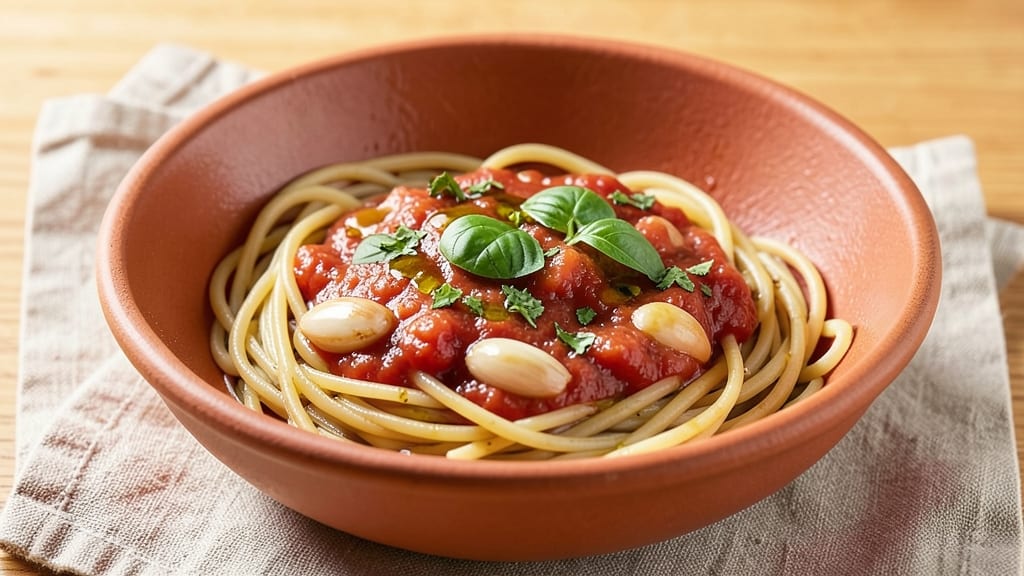
Alton Brown's spaghetti sauce recipe delivers restaurant-quality depth with a method that transforms simple ingredients into something extraordinary. The secret lies in slow-simmering, where aromatics and tomatoes meld into a rich, umami-packed sauce that only improves with time. I've perfected this one-pot technique to ensure maximum flavor extraction without overcomplicating the process.
This sauce builds flavor through a two-stage simmer: first, a deep caramelization of onions, garlic, and herbs creates a fragrant base, then crushed tomatoes and broth develop into a velvety, balanced sauce. The result is a sauce with layers of sweetness, acidity, and savory depth that clings perfectly to pasta.
What makes it special is how approachable it remains—no fancy techniques, just precise timing and attention to detail.
What you'll end up with is a sauce that's rich enough for Sunday dinner but simple enough for weeknight meals. The slow simmering process concentrates flavors while maintaining a natural sweetness from the tomatoes.
It thickens beautifully on the stovetop and stores perfectly for up to five days in the refrigerator, making it ideal for meal prep.
The beauty of this recipe is its versatility—use it as a base for lasagna, toss it with fresh pasta, or serve it over baked ziti. The sauce's depth comes from letting flavors develop naturally over time, creating a balance that's both comforting and sophisticated.
Here's how to make it perfectly every time.
Ingredients for alton brown spaghetti sauce
Restaurant-quality depth comes from these twelve ingredients simmered to perfection in one pot.
| Ingredient | Amount | Notes |
|---|---|---|
| Extra-Virgin Olive Oil 🫒 | ½ cup | High-quality, fruity variety |
| Yellow Onion 🧅 | 1 whole | Finely diced, medium size |
| Garlic Cloves 🧄 | 6 cloves | Peeled, thinly sliced |
| Fresh Basil Leaves 🌿 | 1 cup | Packed, stems removed |
| Fresh Oregano Leaves 🌿 | ¼ cup | Packed, finely chopped |
| Crushed Tomatoes 🍅 | 28 oz | San Marzano preferred |
| Vegetable Broth 💧 | 1 cup | Low-sodium preferred |
| Red Wine 🍷 | ½ cup | Dry, bold variety |
| Tomato Paste 🍅 | 2 tbsp | High-quality, no sugar added |
| Kosher Salt 🧂 | 1 ½ tsp | Diamond Crystal preferred |
| Freshly Ground Black Pepper 🌶️ | ½ tsp | Coarsely ground |
| Granulated Sugar 🍚 | 1 tsp | Balances acidity |
The quality of your tomatoes and herbs makes all the difference. San Marzano crushed tomatoes are the gold standard—they're sweeter and less acidic than standard brands. For herbs, fresh is ideal, but dried oregano at one-third the amount works in a pinch. Whole Foods and Trader Joe's carry excellent options for both. When selecting red wine, opt for a bold variety like Cabernet Sauvignon or Merlot—avoid anything fruity or overly sweet. The olive oil should be extra-virgin with noticeable peppery notes; California-grown brands often excel in this regard.
No San Marzano tomatoes? High-quality canned tomatoes like Muir Glen or Rao's will work—just choose ones with minimal added salt. Running low on fresh basil? Dried basil at one-fourth the amount maintains the flavor profile, though it lacks the bright aroma. Substituting wine? Vegetable broth with a splash of balsamic vinegar mimics the depth. For the tomato paste, avoid the canned variety with added sugar—store-bought tubes like those from Trader Joe's are perfect. The sugar is crucial for balancing the acidity; don't skip it, but don't overdo it either—this isn't a dessert sauce.
This sauce only gets better with time, so plan ahead. Once cooled, it keeps 5-7 days in the refrigerator, with flavors deepening over time. For longer storage, freeze in airtight containers for up to 6 months. The texture will thicken further upon reheating—simply add a splash of broth or water if it becomes too stiff. Double the batch and freeze half; you'll thank yourself later. The sauce's versatility means it's perfect for meal prep—toss with pasta, use as a lasagna base, or serve with grilled meats. Every time you reheat it, the flavors meld even more beautifully.
Why You'll Love This Recipe
- No-Sweat Simplicity: I swear by this sauce because it’s the kind of recipe that lets me not stress. Just one pan, a few chopped ingredients, and a slow simmer while I handle the rest of dinner—no stirring every five minutes, no burning the bottom.
- Herb-Packed Punch: That fresh basil and oregano? They make all the difference. The sauce isn’t just tomatoey—it’s bright, aromatic, and lingers like a summer garden in every bite, especially when the olive oil shimmers on top.
- Meal Prep MVP: Between us, this sauce is my lazy Sunday project. Make a big batch, freeze half, and you’ve got a ready-to-heat weeknight dinner. Toss it with pasta, serve it over polenta, or even use it as a marinade—it’s that versatile.
- Budget-Friendly Luxury: Honestly, the ingredients cost pennies but taste like you spent hours. A single onion, a few cloves of garlic, and a handful of herbs stretch into enough sauce for four meals, and the olive oil adds richness without breaking the bank.
Step-by-step instructions for alton brown's spaghetti sauce
This slow-simmered sauce builds depth through precise technique and layered flavors.
Sauté Aromatics Until Fragrant
Heat the 0.5 cup extra-virgin olive oil in a large Dutch oven over medium heat. Add the 1 whole finely diced yellow onion and cook for 8-10 minutes until soft and translucent, stirring occasionally. The onions should release their moisture and begin to caramelize slightly at the edges.
Add the 6 cloves thinly sliced garlic cloves and cook for 1-2 minutes until the raw garlic aroma disappears and you detect a sweet, nutty fragrance. This step forms the flavor foundation - don't rush it. If the garlic starts to brown too quickly, reduce heat to medium-low to prevent burning. The garlic should be golden but not crispy.
Build the Sauce Base
Stir in the 2 tbsp tomato paste and cook for 2 minutes, allowing it to darken slightly and develop a deeper flavor. This creates a rich, concentrated base that will carry through the entire sauce. Add the 28 oz crushed tomatoes and 1 cup vegetable broth, stirring to combine thoroughly.
Bring the mixture to a gentle simmer over medium heat, then reduce heat to low. Here's the critical part: let it cook uncovered for 30-40 minutes, stirring occasionally. You're developing the sauce's complexity through slow reduction. The sauce should thicken noticeably, and the acidity will begin to mellow. This long simmer is what creates that restaurant-quality depth.
Add Wine and Seasonings
Pour in the 0.5 cup red wine and let it simmer for 5 minutes until completely evaporated. This step removes the alcohol while concentrating the wine's flavor. Add the 1.5 tsp kosher salt, 0.5 tsp freshly ground black pepper, and 1 tsp granulated sugar, stirring well to distribute evenly.
The sugar balances the acidity of the tomatoes while the salt and pepper enhance all the developing flavors. Taste the sauce at this point - it should be rich but still bright with tomato flavor. If it needs more acidity, add 1 tsp lemon juice (not in original ingredients but often helpful). This is where you can adjust the seasoning before committing to the final herbs.
Finish with Herbs and Simmer
Add the 1 cup fresh basil leaves and 0.25 cup fresh oregano leaves, stirring gently to incorporate. The herbs should be distributed evenly throughout the sauce. Return the sauce to a simmer and cook uncovered for another 15-20 minutes, stirring occasionally. This final simmer allows the herbs to infuse their flavors without becoming bitter.
The sauce should now be thick, rich, and deeply flavorful. It should coat the back of a spoon with a velvety texture. If it's too thick for your preference, thin slightly with additional vegetable broth or water. For best results, let the sauce rest for 10 minutes off the heat before serving - this allows the flavors to fully meld and the texture to set perfectly.
Pro Tips For Making Alton Brown Spaghetti Sauce
- Sweat the Onions Low: I learned this the hard way—Alton’s recipe relies on caramelized onions for depth, but rushing this step turns them bitter. Keep the heat at a steady simmer (around 250°F) and stir occasionally. If they start to stick, add a splash of water and scrape the bottom—this isn’t the time to walk away.
- Crush Garlic with a Pinch: Fresh garlic cloves should be lightly crushed (not minced) to avoid bitterness in the sauce. Use the flat side of a knife or a garlic press, then add a tiny pinch of salt to the crushed cloves before cooking—this mellows their sharpness and makes the flavor sing.
- Skip the Crowding: When adding tomatoes or broth, resist the urge to dump everything in at once. Build the sauce in layers: start with onions and garlic, then add canned tomatoes, then broth. This keeps the sauce from diluting too quickly and ensures proper reduction for that rich, concentrated flavor.
- Finish with Cold Basil: Toss in fresh basil leaves off the heat—they’ll wilt instantly but retain their bright flavor. If you add them while simmering, they’ll turn bitter and lose their aroma. A handful of torn leaves at the end makes all the difference, even if it seems like overkill.
Pro cooking tips for great alton brown spaghetti sauce
Slow-Simmer Secrets
The magic happens during the 30-40 minute low-and-slow simmer—this is where the sauce transforms from ordinary to extraordinary. Keep the heat at low and the pot uncovered to allow moisture to evaporate gradually. I use a Dutch oven because its heavy construction maintains even heat distribution.
Stir occasionally to prevent sticking, but don't obsess—this sauce rewards patience over constant attention. The longer it simmers, the deeper the umami flavor becomes. 🔥
Herb Timing Matters
Adding fresh herbs at the very end preserves their bright, vibrant flavors. If you add them too early, they'll turn bitter and lose their fresh aroma. I like to tear the basil leaves by hand rather than chopping them—this releases more oils into the sauce.
For oregano, a quick pulse in a food processor gives you finely chopped leaves that distribute evenly. If using dried herbs, reduce to 1/4 cup and add them with the wine. 🌿
Wine Reduction Technique
The 5-minute wine reduction is crucial for removing alcohol while concentrating flavor. Use a bold red wine like Cabernet Sauvignon—its tannins add structure to the sauce. If you're avoiding alcohol, substitute with 1 cup vegetable broth + 1 tbsp balsamic vinegar.
After adding the wine, let it bubble gently until completely evaporated before proceeding. This step prevents a harsh alcohol taste that can ruin the sauce. 🍷
Salt Adjustments
Start with the 1.5 tsp kosher salt as written, but taste the sauce after the initial simmer to gauge seasoning. Remember, the tomatoes and broth may contain additional salt. If needed, add more in small increments—it's easier to correct under-seasoned sauce than over-salted.
The sugar and pepper should balance the acidity and enhance the tomato's natural sweetness. Taste frequently during the final simmer to perfect the flavor profile. 🧂
Equipment Upgrades
A heavy-bottomed pot like a Dutch oven prevents hot spots that can burn your sauce. If you don't have one, a stainless steel saucepan works well. For even better results, invest in a thermometer to maintain 180-190°F during simmering—this ensures consistent flavor development.
A wooden spoon helps prevent scratching the pot and releasing metallic flavors. 🌡️
Flavor Boost Hacks
For an extra umami kick, add 1 tsp fish sauce or ½ tsp soy sauce when you add the wine. A pinch of red pepper flakes adds subtle heat, while a bay leaf removed before serving adds depth.
If you love meaty flavors, stir in ½ cup cooked ground beef or Italian sausage during the final 10 minutes. These additions elevate the sauce without changing the core technique. 💡
Nutrition facts
Frequently asked questions
Why does Alton Brown's sauce need such a long simmer?
The extended 30-40 minute simmer develops deep umami flavors by reducing the sauce gradually. This slow process breaks down natural sugars in the tomatoes, concentrates the aromatics, and creates a velvety texture. Skipping this step results in a thinner, less complex sauce that lacks restaurant-quality depth.
Can I make this sauce without wine?
Yes! Replace the 0.5 cup red wine with 1 cup vegetable broth + 1 tablespoon balsamic vinegar for similar depth. The vinegar adds acidity while the broth maintains the sauce's richness. For even better results, use a splash of soy sauce (1 tsp) instead of part of the broth.
How do I prevent my sauce from getting too thick?
If your sauce thickens more than desired, simply stir in 1-2 tablespoons of vegetable broth or water while warm. For prevention, keep the heat at low and avoid uncovered boiling. The sauce will naturally thicken as it cools - always reheat gently to maintain texture.
What's the best way to store leftovers?
Store in an airtight container in the fridge for up to 5-7 days. The flavors actually improve with time! For freezing, portion into airtight containers and freeze for up to 6 months. Thaw overnight in the fridge - never microwave directly from frozen.
Can I use dried herbs instead of fresh?
Yes, but reduce to 1/4 cup and add them with the wine. Dried herbs are more concentrated, so they'll infuse differently. For basil, dried works but lacks the bright aroma - fresh is ideal. If using dried oregano, measure carefully to avoid overpowering the sauce.