
Sauces & Condiments
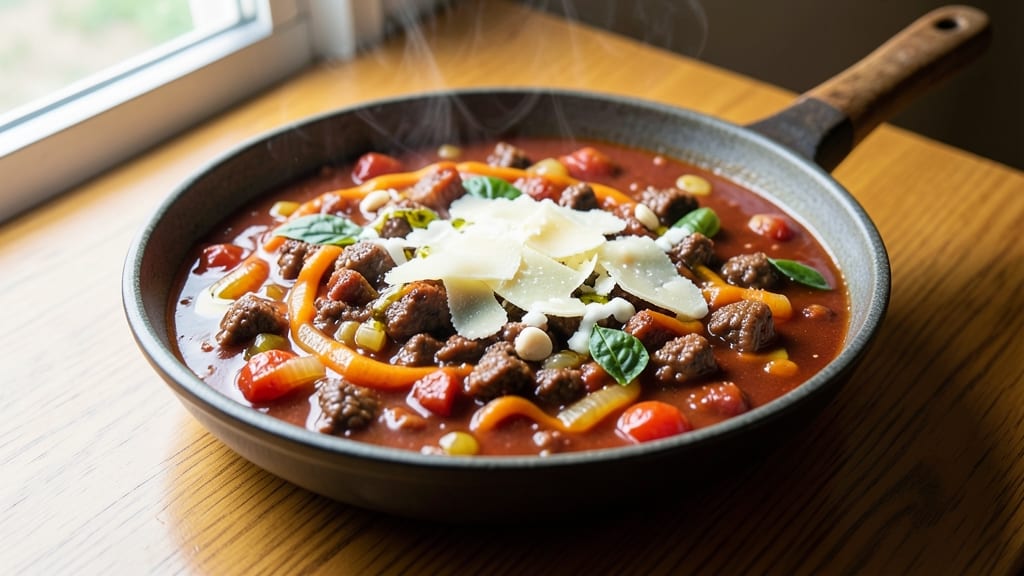
Alton Brown's bolognese sauce delivers restaurant-quality depth with a technique that transforms simple ingredients into something extraordinary. The secret lies in slow cooking—allowing flavors to meld over hours rather than minutes, creating a sauce that's rich, velvety, and packed with umami.
This isn't your average weeknight sauce; it's a labor of love that rewards patience with layers of caramelized meat, deep tomato notes, and aromatic herbs.
What sets this recipe apart is the methodical approach: browning the meat in batches to develop a deep, meaty crust, deglazing with wine to capture every flavorful bit, and simmering for hours until the sauce thickens to perfection.
The result is a sauce that clings beautifully to pasta, melts into lasagna layers, or stands alone as a hearty ragu. Every spoonful delivers that satisfying combination of tender meat, concentrated tomato flavor, and herbal complexity.
By the time you're done, you'll have a sauce so rich and flavorful it could easily pass for a gourmet restaurant's signature dish. The texture is velvety yet substantial, with just enough body to coat pasta without being gluey.
This is the kind of sauce that transforms ordinary meals into something special—whether you're serving it over al dente spaghetti or using it as a filling for homemade lasagna.
The beauty of this recipe is its versatility. Make a big batch and freeze portions for future use, or adjust the seasoning to suit your taste.
The technique is precise, but the results are anything but ordinary—this is Alton Brown's signature approach to bolognese, where science meets art in every simmering pot.
Ingredients for alton brown bolognese sauce
Umami-packed ingredients that transform into velvety perfection—no shortcuts here.
| Ingredient | Amount | Notes |
|---|---|---|
| Ground Beef 🥩 | 2 lb | 80% lean, finely ground |
| Yellow Onion 🧅 | 1 whole | Medium size, finely chopped |
| Carrot 🥕 | 2 whole | Medium size, finely diced |
| Celery Stalks 🥬 | 2 whole | Finely chopped, stringy bits removed |
| Garlic Cloves 🧄 | 4 cloves | Peeled, finely minced |
| Canned San Marzano Tomatoes 🍅 | 28 oz | Crushed by hand or blender |
| Dry Red Wine 🍷 | 1 cup | Bold, like Cabernet Sauvignon |
| Tomato Paste 🍅 | 2 tbsp | Smooth, not chunky |
| Fresh Rosemary 🌿 | ¼ cup | Finely chopped, stems removed |
| Fresh Thyme 🌿 | ¼ cup | Leaves only, finely chopped |
| Extra-Virgin Olive Oil 🫒 | ¼ cup | High-quality, fruity |
| Beef Broth 💧 | 1 cup | Low-sodium preferred |
| Whole Milk 🥛 | ½ cup | Full-fat for creaminess |
| Salt 🧂 | 1 ½ tsp | Kosher or sea salt |
| Ground Black Pepper 🌶️ | ½ tsp | Freshly ground preferred |
The beef is non-negotiable—80% lean ground chuck gives that meaty richness without too much fat. Costco sells it pre-ground in huge tubs, which is perfect for this recipe. If you're buying whole chuck roast, trim off excess fat and pulse it in a food processor for the same effect. The San Marzano tomatoes? Worth every penny for that sweet, rich flavor—skip the generic brands. Fresh herbs are ideal, but dried thyme at one-third the amount works in a pinch. The rosemary adds that earthy depth that separates home bolognese from restaurant-quality.
No red wine? Substitute beef broth with a splash of balsamic vinegar—it mimics the acidity and depth. Short on fresh rosemary? Dried rosemary at half the amount, but crush it between your fingers first to release the oils. The tomato paste can be the squeeze-tube kind from Trader Joe's—it's perfect for this recipe and lasts forever. Want to make it vegetarian? Swap the beef for lentils or mushrooms, but the technique stays the same. The milk at the end is what gives it that signature velvety texture—don't skip it.
This sauce tastes even better the next day as flavors meld. Store in an airtight container in the fridge for up to 5 days or freeze for 3 months. I always make a double batch—one for dinner, one for lasagna later in the week. Portion into ziplock bags for easy freezing. When reheating, add a splash of water or broth to prevent drying out. The key is patience—rush it, and you'll get gluey sauce. Let it simmer low and slow.
Why You'll Love This Recipe
- One-Pot Magic: This sauce builds itself while you chop—just brown the beef, toss in the onion, carrot, celery (that classic soffritto combo), and let it simmer. No fancy techniques, no last-minute scrambling.
- Deep Umami Bomb: The slow cookdown lets the garlic and beef develop layers of richness—earthy, meaty, with just enough sweetness from the carrot to balance it. Honestly, the first bite makes me want to eat it straight from the pot.
- Leftover Goldmine: Make a double batch and you’ve got next-day pasta, stuffed peppers, or even a lazy breakfast hash. My freezer’s always stocked with portions because reheating this sauce is chef’s kiss—just warm and serve.
- Budget-Friendly Hero: Ground beef stretches far, and the veggies (onion, carrot, celery) are pantry staples you’re already buying. I’ll be real: this feeds four for under $10, and the flavor makes it feel like a splurge.
Step-by-step instructions for alton brown's bolognese sauce
This isn't your grandma's bolognese—it's rich, slow-cooked perfection with deep umami flavor and silky texture.
Build the Sofritto Base
Heat the 0.25 cup extra-virgin olive oil in a large Dutch oven over medium-low heat. Add the finely chopped yellow onion, finely diced carrots, and finely chopped celery stalks. Cook for 10-12 minutes, stirring occasionally, until the vegetables are completely softened and the onion is translucent.
Here's the thing—don't rush this step. The vegetables need to break down completely so they disappear into the sauce. If they stay chunky, you'll end up with a bolognese that's more like a vegetable stew. Add the finely minced garlic cloves and cook for another 1 minute until fragrant but not browned—burnt garlic makes the whole sauce bitter.
Brown the Beef and Develop Deep Flavor
Increase heat to medium-high and add the 2 lb ground beef, breaking it up with a wooden spoon. Cook for 8-10 minutes, stirring frequently, until the beef loses its raw color and develops a rich brown crust. This browning step is crucial—it creates the deep, meaty flavor that makes bolognese special.
Don't be tempted to drain the fat. That rendered beef fat is what carries all those beautiful flavors through the cooking process. If the pan gets too dry before the beef is fully browned, add 1-2 tablespoons of beef broth to keep it moist.
Deglaze and Simmer the Sauce
Pour in the 1 cup dry red wine, scraping up all those delicious browned bits from the bottom of the pan. Let it simmer for 3-4 minutes until the wine has mostly evaporated. Stir in the 2 tbsp tomato paste and cook for 1 minute to deepen the tomato flavor.
Add the 28 oz crushed San Marzano tomatoes, 1 cup beef broth, 0.25 cup finely chopped fresh rosemary, 0.25 cup finely chopped fresh thyme, 1.5 tsp salt, and 0.5 tsp freshly ground black pepper. Bring to a gentle simmer, then reduce heat to low and cover partially. Let it cook for 2 hours, stirring occasionally, until the sauce has thickened and the flavors have melded together.
Finish with Milk for Creamy Texture
After the initial 2-hour simmer, stir in the 0.5 cup whole milk. This might seem counterintuitive—milk in a meat sauce—but it creates that signature silky texture that makes this bolognese so special. Simmer uncovered for another 30-45 minutes until the sauce has reduced to your desired consistency. You want it thick enough to coat the back of a spoon but still saucy enough to cling to pasta.
The milk also balances the acidity from the tomatoes, creating that perfect harmony of flavors. Taste and adjust seasoning if needed—sometimes you need a little more salt or pepper to bring out all the flavors. Let the sauce sit off heat for 10 minutes before serving to let the flavors settle.
Serve Over Perfectly Cooked Pasta
This sauce tastes best when served over al dente pasta like tagliatelle or pappardelle. Reserve 1 cup of pasta water before draining your pasta—you might need to thin the sauce slightly with it if it's too thick. Toss the sauce with the pasta, adding pasta water as needed to reach your ideal consistency.
Each bite should deliver that perfect balance of rich, meaty flavor, sweet tomatoes, and aromatic herbs. The sauce should coat the pasta beautifully without being gluey. Garnish with additional fresh thyme if you're feeling fancy, and serve immediately while the pasta is hot and the sauce is at its peak flavor.
Pro Tips For Making Alton Brown Bolognese Sauce
- CRUSH THE SOFFRITO: Alton’s recipe builds flavor through that onion-carrot-celery base, so don’t rush it. Cook the veggies over medium-low heat until they’re actually translucent—no brown spots, no rushing. I used to walk away for "just a minute," and my sauce always tasted flat. Five minutes of steady attention here makes a real difference.
- BROWN THE BEEF IN BATCHES: This isn’t the time to crowd the pan. Split the ground beef into two portions and cook them separately—you’ll get a much better sear and avoid steaming the meat. I learned this the hard way after ending up with gray, sticky beef that tasted like it was cooked in its own juices. A hot pan and thin layer of beef = flavor gold.
- CHOP THE VEGETABLES SMALL: No, "small" isn’t "medium dice." Aim for a ¼-inch cube or smaller—this ensures even cooking and prevents chunks that stay underdone. My grandmother swore by this, and she was right: when the veggies melt into the sauce instead of sitting as separate pieces, the whole dish tastes richer.
- SAVE TIME WITH FROZEN GARLIC: Fresh garlic is ideal, but frozen minced garlic works in a pinch—just drain it well first. I skip this when I’m lazy, but the dish is noticeably better when I don’t. If using fresh, mince it just before adding to the pan so it doesn’t burn. No need to pre-cook it; a quick toss at the end releases all the aroma.
Troubleshooting this recipe
Sauce Too Thin?
If your bolognese turns out watery, it’s usually because the simmering time wasn’t long enough or the liquid wasn’t reduced properly. Simmer uncovered for an extra 30-45 minutes after the initial 2-hour cook—this lets excess moisture evaporate naturally.
For a quick fix, mix 1 tbsp cornstarch with 2 tbsp cold water, stir into the sauce, and simmer for 5 minutes until thickened. Always taste as you go—seasoning needs may change as the sauce reduces. 💫
Meat Not Tender?
Overcooking the beef is a common mistake, but undercooking it can leave your sauce with chewy bits. Cook the ground beef until it reaches 160°F internally—this ensures it’s fully tender but still holds its shape in the sauce.
If you’re worried about dryness, add 1-2 tbsp beef broth while browning to keep it moist. For extra tenderness, pulse the beef in a food processor before cooking to break up fibers further. 🥩
Sauce Too Acidic?
The tomatoes and wine can sometimes make the sauce taste sharp or unbalanced. Balance the acidity with a splash of whole milk (2-3 tbsp) or a pinch of sugar—just enough to round out the flavors.
If it’s still too tangy, add ½ tsp tomato paste and simmer for 5 minutes to deepen the sweetness. The milk at the end of cooking also helps neutralize acidity naturally. 🍷
Herbs Too Strong?
Fresh herbs can overpower if not used carefully. Start with half the recommended amount and taste as you go—you can always add more, but you can’t take it out.
If the rosemary or thyme tastes too intense, strain the sauce through a fine-mesh sieve before serving to remove excess herb bits. Dried herbs are less potent, so use ⅓ the amount of fresh if substituting. 🌿
Fat Floating on Top?
Beef fat is flavorful, but too much can make the sauce look unappetizing. Skim excess fat with a spoon before serving, or use a fat separator if you have one.
For a cleaner finish, chill the sauce in the fridge overnight—the fat will solidify on top and can be easily removed. Save the rendered fat for future cooking or discard if you prefer a lighter sauce. 🧂
Sauce Too Gluey?
This happens when the sauce reduces too much or lacks proper emulsification. Add ¼ cup warm beef broth or pasta water and simmer gently for 10 minutes to restore balance.
The milk at the end helps prevent glueiness, but if it still happens, whisk in 1 tbsp heavy cream to add body without thickening too much. Avoid rushing the simmering process—patience is key to a silky texture. ✨
Nutrition facts
Frequently asked questions about alton brown's bolognese sauce
Why does this recipe call for milk in a meat sauce?
The milk creates that signature velvety texture by breaking down proteins in the sauce, making it silky rather than gluey. It also balances the acidity from the tomatoes and wine, creating a more harmonious flavor profile. Think of it as the secret weapon for restaurant-quality richness at home!
Can I make this sauce in a slow cooker?
Brown the meat first in a skillet, then transfer everything to a slow cooker. Cook on low for 6-8 hours instead of the stovetop's 2 hours. The milk should be added during the last 30 minutes of cooking. Just stir occasionally to prevent sticking.
What's the best pasta to serve with this sauce?
Alton Brown recommends tagliatelle or pappardelle—wide, flat noodles that hold the rich sauce beautifully. For extra texture, try fresh egg pasta. Avoid small shapes like penne, as they won't showcase the sauce's velvety texture. Always cook pasta al dente (1 minute less than package instructions).
How can I make this vegetarian?
Replace the beef with 1.5 cups cooked brown lentils or finely chopped mushrooms (cremini or portobello). Use the same browning technique with olive oil to develop deep flavor. For umami depth, add 1 tbsp soy sauce or ½ tsp miso paste with the tomatoes. The cooking time remains the same—just stir occasionally to prevent burning.
Why does my sauce sometimes separate?
This usually happens from sudden temperature changes or too much stirring. Always simmer on low heat and avoid rapid boiling. For a quick fix, whisk in 1 tbsp cold water and simmer gently for 5 minutes**. The milk at the end helps prevent separation, but if it occurs, a quick whisk with a splash of broth usually restores the emulsion.