
Sauces & Condiments
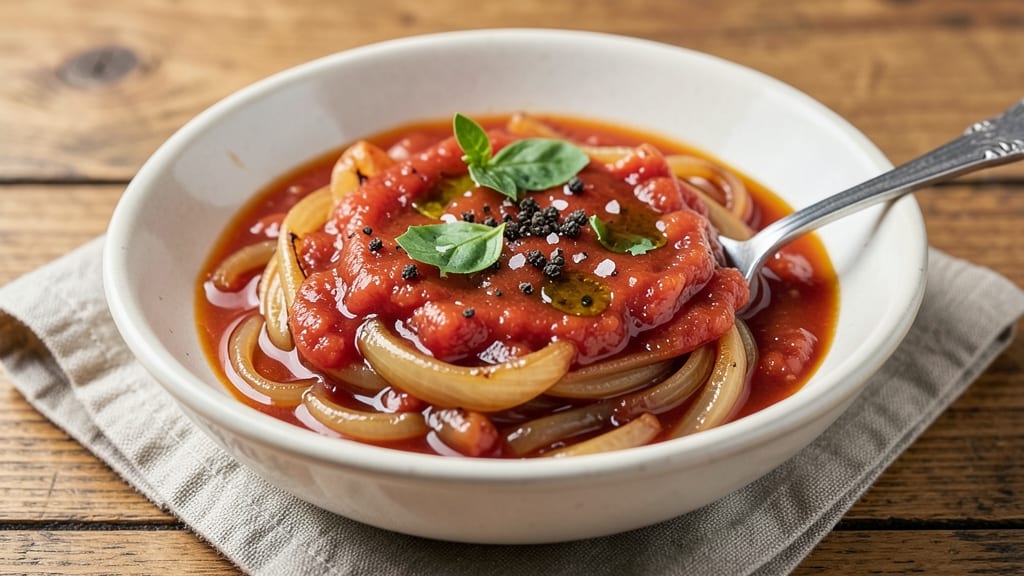
Anthony's spaghetti sauce delivers the rich, slow-simmered flavor of a Sunday dinner—without the risk of burnt edges or overcooked tomatoes. The secret lies in carefully balancing acidity, sweetness, and umami through a 30-minute simmer, where onions and garlic develop deep caramelized notes before the tomatoes even enter the pot.
This isn't your basic quick sauce; it's a complex, layered foundation that transforms simple ingredients into something restaurant-worthy.
The technique centers on patience: low heat, frequent stirring, and a splash of red wine to brighten the sauce as it reduces. No sugar is needed—the natural sweetness of tomatoes and caramelized onions create perfect balance.
The result is a sauce with velvety texture, concentrated tomato flavor, and just enough acidity to keep it vibrant, not dull. It's the kind of sauce that makes homemade pasta feel like a true Italian experience.
What makes this sauce truly special is its versatility—use it as a base for meatballs, toss it with al dente pasta, or serve it alongside grilled meats. The flavors deepen overnight, making it ideal for meal prep.
Store it in the fridge for up to a week or freeze for months, ensuring you always have a restaurant-quality sauce on hand when cravings strike.
For those who love texture, a final toss with fresh basil or a sprinkle of grated parmesan elevates it further. The sauce's umami depth comes from the slow caramelization of aromatics, not from heavy seasoning—meaning every bite delivers authentic flavor without overpowering the dish.
Let's get started on creating your new go-to sauce.
Ingredients for anthony's spaghetti sauce
Nine ingredients, thirty minutes of patience—this sauce transforms simple pantry staples into restaurant-quality umami perfection.
| Ingredient | Amount | Notes |
|---|---|---|
| Yellow Onions 🧅 | 2 whole | Thinly sliced for even caramelization |
| Garlic Cloves 🧄 | 4 cloves | Minced for aromatic depth |
| Extra-Virgin Olive Oil 🫒 | ½ cup | High-quality, fruity variety |
| Canned San Marzano Tomatoes 🍅 | 28 oz | Crushed by hand for texture |
| Red Wine 🍷 | ½ cup | Bold, dry variety like Cabernet |
| Tomato Paste 🍅 | 2 tbsp | Squeeze tube preferred for convenience |
| Dried Oregano 🍃 | 1 tsp | Italian variety for authentic flavor |
| Dried Basil 🌿 | 1 tsp | Fresh preferred if available |
| Salt 🧂 | 1 ½ tsp | Diamond Crystal preferred |
| Black Pepper 🌶️ | ½ tsp | Freshly ground for best flavor |
The onions and garlic are your flavor anchors. Yellow onions caramelize beautifully, so don't rush this step—it's where the sauce's depth begins. I always grab San Marzano tomatoes from the Italian market section at Whole Foods; their natural sweetness and low acidity make all the difference. The extra-virgin olive oil should be fruity and peppery—none of that cheap, bitter stuff. For the red wine, any bold, dry variety works, but Cabernet Sauvignon or Merlot are my go-tos. The tomato paste? Skip the can—those little squeeze tubes at Trader Joe's are perfect for this recipe.
No San Marzano tomatoes? Crushed tomatoes in a high-quality jar work, but avoid the watery brands. Short on red wine? Dry vermouth at half the amount gives similar depth. Fresh basil is ideal, but dried basil at one-third the amount gets you close. The oregano should be Italian—not Mexican—if you're going for authentic flavor. For the onions, if they start browning too quickly, reduce the heat and let them cook low and slow. The goal is caramelization, not burning. And trust me on the tomato paste—it's worth the extra minute to crush those tomatoes by hand for that perfect texture.
This sauce only gets better with time. Let it sit overnight in the fridge before using—flavors meld beautifully. Keeps for 5-7 days in the fridge, or 3 months frozen. I portion mine into ice cube trays before freezing so I can grab just what I need for a quick pasta night. For reheating, low heat is key—microwave it in short bursts to avoid skin forming. And if you're feeling fancy, finish with a sprinkle of freshly grated Parmesan right before serving.
Why You'll Love This Recipe
- No-Fuss Simplicity: I swear by this sauce because it’s the kind of recipe that doesn’t demand perfection—just patience. Sauté onions and garlic in olive oil until soft, deglaze with red wine, then toss in those perfect San Marzano tomatoes. That’s it. No blender, no fancy techniques, just pure, unhurried cooking.
- Wine-Infused Depth: Honestly, the red wine makes all the difference. It caramelizes into the sauce, leaving behind this rich, velvety backbone that cuts through the acidity of the tomatoes. One sip of that first spoonful, and you’ll understand why I never buy store-bought again.
- Weeknight to Dinner Party: This sauce is my secret weapon for lazy nights and when I’m hosting. Serve it over pasta for a quick weeknight meal, or let it simmer longer and pair it with grilled chicken or meatballs for a fancier spread. Same effort, totally different vibes.
- Budget-Friendly Pantry Staples: Between us, this recipe is a lifesaver for my wallet. San Marzano tomatoes and red wine might sound fancy, but they stretch into so many meals—freeze leftovers for future nights, or use them to bulk up grain bowls later. Olive oil and onions? Always cheap, always worth it.
Step-by-step instructions for slow-simmered umami spaghetti sauce
Here's how to build rich, balanced sauce without burnt edges or one-dimensional flavor.
Develop Onion and Garlic Bases
Heat the 0.5 cup extra-virgin olive oil in a heavy-bottomed saucepan over medium-low heat. Add the 2 whole yellow onions (thinly sliced) and cook gently for 15-20 minutes, stirring occasionally. You're looking for deep golden caramelization—not browned bits—where the onions soften completely but maintain their structure.
When the onions are nearly translucent, add the 4 cloves minced garlic and cook for another 30 seconds until fragrant. This slow development creates the foundation for umami depth. Real talk: if you rush this step, your sauce will taste flat and one-dimensional. The onions should be soft enough to pierce with a fork but still hold their shape.
Build the Tomato Foundation
Add the 2 tbsp tomato paste and stir for 1 minute to cook out the raw flavor. Pour in the 0.5 cup red wine and simmer for 3-4 minutes until reduced by half, scraping up any browned bits from the bottom with a wooden spoon. This deglazing captures all those concentrated flavors you just built.
Add the 28 oz canned San Marzano tomatoes (crushed by hand) and stir well. Bring to a gentle simmer, then reduce heat to maintain a steady bubble. The sauce should cook uncovered for 20 minutes at this stage, allowing excess moisture to evaporate while developing complex tomato flavors. You'll know it's ready when the sauce thickens slightly and coats the back of a spoon.
Season and Simmer to Perfection
Add the 1 tsp dried oregano, 1 tsp dried basil, 1.5 tsp salt, and 0.5 tsp black pepper. Stir well to distribute the seasonings evenly. Let the sauce simmer uncovered for another 30-40 minutes, stirring occasionally. The key here is patience—this slow simmer allows the flavors to meld and deepen without burning.
You'll notice the sauce gradually thickens and develops a glossy sheen. Taste occasionally during the final 10 minutes and adjust seasoning if needed. The sauce should be rich and balanced, with no single flavor overpowering. If it becomes too thick, add 1-2 tablespoons of water to reach your desired consistency. The sauce is done when it's thick enough to coat the back of a spoon but still pours smoothly.
Pro Tips For Making Anthony'S Spaghetti Sauce
- SWEAT THE ONIONS LOW: I used to rush this step and end up with bitter, charred onions that ruined the whole sauce. For Anthony’s recipe, cut the yellow onions into even ¼-inch slices and cook them in the olive oil on medium-low heat—just until fully translucent, not golden. This takes about 8-10 minutes, but it’s the foundation. No shortcut here.
- CRUSH GARLIC GENTLY: Overzealous mincing turns garlic into paste, which burns fast and tastes harsh. For this sauce, smash the cloves with the flat side of your knife first, then finely chop—no need for a food processor. A quick 30-second sauté in the onion oil (after it’s sweated) is all it needs before adding wine.
- DEGLAZE WITH WINE NOW: Pour that red wine in immediately after the garlic hits the pot—don’t wait. The alcohol will sizzle and lift all the browned bits off the bottom, giving the sauce depth right from the start. Let it reduce by half before adding tomatoes, or you’ll dilute the flavor later.
- STIR THE TOMATOES: After dumping in the San Marzanos, give the pot a good stir with a wooden spoon—break up any large chunks and scrape the bottom. This ensures even cooking and prevents a skin from forming. Simmer uncovered for 45 minutes, stirring occasionally. Skipping this leads to uneven texture.
Essential equipment for great anthony's spaghetti sauce
Heavy-Bottomed Saucepan
This is your secret weapon for even heat distribution and preventing burnt edges. I swear by a 5-quart enameled cast iron Dutch oven from Le Creuset—it retains heat beautifully and handles the long simmer without hot spots.
If you're on a budget, a 5-quart stainless steel saucepan (like All-Clad) works just as well. The key is avoiding thin, reactive metals that can impart off-flavors or react with the acidity in tomatoes. 🌡️
Wooden Spoon
A 12-inch wooden spoon (preferably olive wood or beech) is essential for stirring and scraping up those flavorful browned bits from the bottom of the pan. I use a Oxo Good Grips model because it's lightweight yet sturdy enough to handle the long cooking time.
Avoid metal utensils—they can scratch the saucepan and introduce unwanted flavors. The spoon's gentle scraping action also helps prevent the sauce from sticking as it thickens.
Fine-Mesh Strainer
For crushing your San Marzano tomatoes by hand, a fine-mesh strainer (like OXO Good Grips) makes quick work of it. Simply press the tomatoes through the strainer to remove skins and seeds while keeping all that delicious pulp.
If you prefer a smoother texture, you can also use a food mill or immersion blender after cooking, but I find hand-crushing adds a nice rustic texture. This step is where the sauce's depth really comes together—don't skip it!
Cheesecloth or Nut Milk Bag
For an ultra-smooth sauce, strain it through a cheesecloth or nut milk bag after cooking. This removes any remaining seeds or skin fragments, giving you that silky restaurant-quality texture. I keep a muslin cheesecloth in my kitchen for this exact purpose.
If you don't have one, a clean, tightly woven kitchen towel in a pinch works too. Just be patient—let the sauce drain slowly for the best results. This step elevates the sauce from homestyle to gourmet. 💫
Instant-Read Thermometer
While not strictly necessary, an instant-read thermometer (like Thermoworks Thermapen) helps you monitor the sauce's temperature for perfect doneness. Aim for a gentle simmer at 185-195°F—this ensures even cooking without overheating. I use mine to check the oil temperature when caramelizing the onions, too.
The thermometer gives you precise control, which is especially helpful if you're cooking in a hot kitchen or using a particularly responsive stove.
Air-Tight Storage Containers
For storing your finished sauce, glass airtight containers (like Pyrex or Le Parfait) are my top recommendation. They preserve flavor better than plastic and are microwave-safe for quick reheating.
I portion my sauce into 2-cup servings before freezing—this makes it easy to grab just what you need for a meal. For fridge storage, a wide-mouth mason jar works perfectly, allowing you to see the sauce and add fresh herbs right before serving.
Proper storage keeps your sauce tasting fresh for weeks! ❄️
Nutrition facts
Frequently asked questions
Can I substitute red wine with something else?
If you don't have red wine, use 0.5 cup dry vermouth or 0.5 cup apple cider vinegar mixed with 0.25 cup water. For a non-alcoholic option, try 0.5 cup tomato juice or 0.5 cup balsamic vinegar. The key is balancing acidity—these alternatives will still brighten the sauce without alcohol.
Why does my sauce taste too acidic?
Acidity builds during long simmers, especially with tomatoes. To balance it, add 1-2 tablespoons of sugar (or honey) and simmer for 5-10 minutes longer. Alternatively, stir in 1 teaspoon of baking soda (just a pinch!) to neutralize acidity, then taste and adjust. The sauce should finish with a bright but not sour flavor.
How do I make this sauce thicker?
Simmer uncovered for 20-30 extra minutes to reduce moisture naturally. For instant thickening, mix 1 tablespoon cornstarch with 2 tablespoons water, stir into the sauce, and simmer for 5 minutes. Avoid over-thickening—aim for a sauce that coats the back of a spoon but still pours smoothly.
Can I add meat to this sauce?
Yes! Brown 1 pound ground beef or 12 oz Italian sausage in olive oil first, then deglaze with wine before adding tomatoes. For a vegetarian option, sauté 1 cup mushrooms or 1 zucchini with the onions. Just add meat/veggies after the initial onion/garlic step to avoid burning.
How long can I store this sauce?
Store in glass airtight containers in the fridge for up to 7 days or freeze for 3 months. For freezing, portion into 2-cup servings—this prevents freezer burn and makes thawing easier. Reheat gently on the stove (never microwave directly from frozen). The flavors actually improve overnight!