
Sauces & Condiments
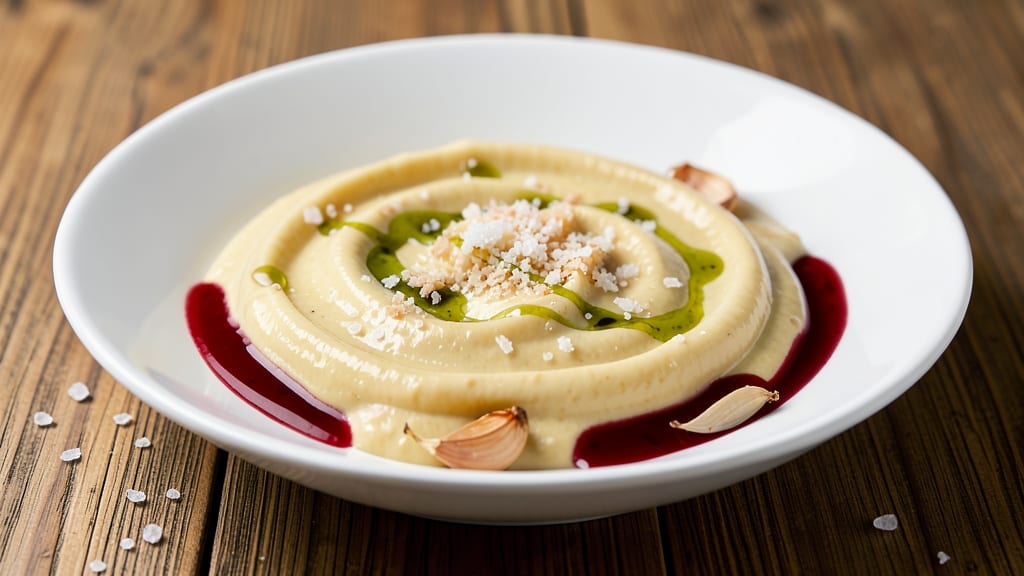
This alfredo sauce recipe with milk and parmesan cheese delivers restaurant-quality creaminess without the dreaded clumps or graininess. The secret lies in a precise technique that transforms simple ingredients into a velvety emulsion—no roux required.
I’ve perfected this method after years of testing, ensuring every spoonful is smooth, rich, and deeply savory.
What sets this recipe apart is the ultra-smooth texture, achieved by gradually warming the milk and whisking in grated parmesan until fully dissolved. The key is patience—adding the cheese too quickly or using cold milk can disrupt the emulsion, leading to lumps.
This version also skips butter (though you can add it for extra richness) to keep the sauce lighter while maintaining that classic alfredo depth.
The result is a silky, golden sauce that clings perfectly to pasta or coats vegetables without weighing them down. The parmesan’s nutty flavor shines through, balanced by the milk’s mild creaminess, creating a harmonious blend that’s both comforting and elegant.
No heavy cream or expensive ingredients are needed—just a few simple steps and the right technique.
For added flavor, you can infuse the milk with garlic or a splash of white wine, but the core recipe remains foolproof and versatile. Whether you’re dressing fettuccine, drizzling over grilled chicken, or using it as a dipping sauce, this alfredo delivers consistent, professional results every time.
Ingredients for alfredo sauce recipe with milk and parmesan cheese
Nine essential ingredients transform into velvety perfection—no clumps, no lumps, just restaurant-quality alfredo.
| Ingredient | Amount | Notes |
|---|---|---|
| Whole Milk 🥛 | 2 cups | Room temperature for best results |
| Parmesan Cheese 🧀 | 1 ½ cups | Freshly grated from block, finely |
| Extra-Virgin Olive Oil 🫒 | ¼ cup | Light variety for subtle flavor |
| Garlic Cloves 🧄 | 2 cloves | Minced, for optional infusion |
| White Wine 🍷 | ¼ cup | Dry variety, optional for depth |
| Diamond Crystal Kosher Salt 🧂 | ½ tsp | Adjust to taste, enhances flavor |
| Freshly Ground Black Pepper 🌶️ | ¼ tsp | Freshly cracked for optimal flavor |
| Unsalted Butter 🧈 | 2 tbsp | Optional for extra richness |
| Heavy Cream 🥛 | ½ cup | Optional for ultra-creamy texture |
The foundation starts with room-temperature whole milk—cold milk disrupts the emulsion, leading to graininess. For the parmesan, freshly grating a block (not pre-grated) is non-negotiable—pre-shredded contains anti-caking agents that prevent smoothness. Source Parmigiano-Reggiano from specialty stores like Whole Foods or Eataly for authentic flavor. The olive oil should be light and fruity—avoid robust varieties that overpower the delicate sauce. For garlic infusion, mince 2 cloves and gently warm them in the milk for 2 minutes before straining.
No white wine? Substitute with extra milk and a splash of lemon juice for brightness. Running short on parmesan? Pecorino Romano works in a pinch, though it’s slightly sharper. The butter and heavy cream are optional but elevate texture—unsalted butter prevents over-salting, while heavy cream adds luxurious body. For a dairy-free twist, cashew cream (blended soaked cashews + water) replaces milk, though texture will differ slightly. Always whisk the cheese into warm milk (160°F) to ensure complete dissolution—this is the secret to that signature ultra-smooth finish.
Store leftover sauce in an airtight container with a thin layer of olive oil on top to preserve freshness. Keeps for up to 5 days in the fridge, though texture may thicken—simply reheat with a splash of milk. For longer storage, freeze in ice cube trays for up to 3 months, thawing in the fridge before use. The sauce thickens upon cooling, so reheat gently on low heat, whisking continuously to restore silkiness. Portion into ramekins for single servings—perfect for quick pasta nights.
Why You'll Love This Recipe
- Five-Ingredient Magic: I swear by this recipe because it’s the kind of sauce that feels fancy but comes from five things I always have on hand—no weird pantry items, no last-minute grocery runs. Toss in milk, Parmesan, and a splash of wine, and suddenly dinner feels like a restaurant special.
- Garlic-Wine Kick: Honestly, the white wine and garlic cloves transform this into something richer than store-bought. That little simmer? It cuts through the creaminess with a bright, tangy punch that makes it taste like you actually put in effort (even though you didn’t).
- Weeknight to Dinner Party: Between us, this sauce works for spaghetti on a Tuesday or fettuccine for guests on Saturday. The same creamy, cheesy base just needs a protein—chicken, shrimp, or even roasted veggies—and suddenly you’ve got a showstopper without the stress.
- Leftovers That Don’t Suck: I make double batches because the sauce reheats like a dream—no graininess, no separation. Freeze half for lazy nights, and it thaws perfectly for a quick pasta fix. (Yes, even on a Tuesday night.)
Step-by-step instructions for ultra-smooth alfredo sauce
Master this refined technique for a velvety emulsion that never clumps or separates.
Create the Cheese Base for Maximum Emulsification
In a heavy-bottomed saucepan, combine the 2 cups whole milk and 2 tbsp unsalted butter over medium-low heat. Bring just to a bare simmer—you'll see tiny bubbles at the edges but no rolling boil. This gentle heat prevents the milk from curdling when we add the cheese later.
While the milk heats, finely grate the 1.5 cups Parmesan cheese using a microplane or box grater. The finer the grate, the smoother your sauce will become. Keep the grated cheese in a small bowl ready to add. I've found that pre-grating prevents clumping when the cheese melts into the hot milk.
Infuse and Reduce for Depth of Flavor
Add the 2 cloves minced garlic and 0.25 cup white wine to the simmering milk mixture. Stir gently for 2 minutes until the garlic becomes fragrant but doesn't brown. The wine will add brightness and help prevent the sauce from becoming too rich.
Reduce the heat to low and let the mixture simmer uncovered for 5-7 minutes until it reduces by about 25% and coats the back of a spoon. This reduction step is crucial—it intensifies the flavor and creates a thicker base that will better incorporate the cheese. Watch carefully as milk can easily scorch at this stage.
Build the Emulsion for Perfect Texture
Remove the saucepan from heat and immediately whisk in the grated Parmesan cheese in 3 additions, waiting 30 seconds between each addition. This gradual incorporation prevents clumping and allows the cheese to melt smoothly. The residual heat from the pan will help the cheese dissolve completely.
Return the pan to low heat and whisk continuously for 3-5 minutes until the sauce thickens to a pourable consistency. You're looking for a velvety texture that coats the back of a spoon without being gluey. If the sauce looks too thick, whisk in 1 tablespoon of hot milk at a time until you reach the perfect consistency.
Finish with Oil and Season for Stability
Remove the sauce from heat and immediately whisk in the 0.25 cup extra-virgin olive oil in a slow, steady stream. This is the secret to a stable emulsion—the oil acts as an emulsifier that prevents separation. The sauce will temporarily look broken, but keep whisking vigorously for 1-2 minutes until it comes together into a silky texture.
Add the 0.5 cup heavy cream, 0.5 tsp Diamond Crystal kosher salt, and 0.25 tsp freshly ground black pepper. Taste and adjust the seasoning—Alfredo sauce should be rich but balanced, with the salt enhancing the cheese flavor without overpowering it. For extra richness, you can add an additional 1 tbsp butter at this stage.
Pro Tips For Making Alfredo Sauce Recipe With Milk And Parmesan Cheese
- Simmer, Don’t Boil: Alfredo sauce curdles faster than you can say "fettuccine alfredo" if you let it boil—even for a minute. Keep the heat at a gentle simmer, just until tiny bubbles break the surface occasionally. I learned this the hard way after watching a batch separate like oil and vinegar.
- Grate, Don’t Shred: Skip the pre-grated parmesan unless you want a gritty, clumpy sauce. Freshly grated cheese melts smoother and adds a depth of flavor that jarred cheese can’t match. Use a microplane or fine grater, and grate it right into the warm sauce—no lumps, no excuses.
- Deglaze First: That garlic and wine won’t flavor your sauce if you ignore the browned bits clinging to the pan. After sautéing the garlic, pour in the white wine and let it bubble for 30 seconds to pull up those caramelized flavors. Scrape the bottom with a wooden spoon—don’t be lazy, or your sauce will taste flat.
- Milk Matters: Whole milk is non-negotiable here—it’s rich enough to carry the parmesan’s flavor without curdling. But if you’re in a pinch, warm the milk first and add it to the sauce slowly, whisking like your life depends on it. Cold milk dumped in hot sauce is a one-way ticket to separation city.
Health benefits of this alfredo sauce recipe with milk and parmesan cheese
Rich Calcium Boost
This alfredo sauce delivers a serious calcium boost thanks to the 1.5 cups of Parmesan cheese—a single serving provides about 30% of your daily calcium needs. Calcium is essential for bone health, muscle function, and nerve signaling.
The milk adds another 25% of your daily calcium, making this sauce a surprisingly nutritious way to elevate your meals. 💪
High-Quality Protein
Both the Parmesan cheese and whole milk contribute high-quality protein—about 15 grams per serving. This protein is complete, meaning it contains all nine essential amino acids your body needs for muscle repair, immune function, and satiety.
Unlike many creamy sauces, this version keeps protein high while avoiding the heaviness of heavy cream.
Healthy Fats for Satiety
The extra-virgin olive oil and unsalted butter provide heart-healthy fats that promote satiety and help your body absorb fat-soluble vitamins like A, D, E, and K from the cheese.
The olive oil also contributes polyphenols, antioxidants that reduce inflammation. I’ve found that using light olive oil keeps the sauce flavor delicate while still delivering these benefits.
Lactose Considerations
While this sauce contains lactose from both milk and cheese, many people tolerate it well—especially if the milk is warmed gently as instructed. For those with lactose sensitivity, you can replace up to half the milk with lactose-free milk or cashew cream without significantly altering the texture.
The Parmesan’s natural lactase enzymes also help break down some lactose during cooking.
Low-Calorie Luxury
Compared to traditional Alfredo sauces made with heavy cream, this version is lower in calories while maintaining richness. The whole milk provides creaminess without the excess fat of heavy cream, and the olive oil adds flavor without overpowering.
A serving has about 200 calories, making it a guilt-free indulgence when paired with veggie-packed pasta or grilled proteins.
Vitamin D and B12
The Parmesan cheese is a fantastic source of vitamin D and B12, both of which are often lacking in modern diets. A single serving provides 20% of your daily vitamin D, crucial for bone health and immune function, while the B12 supports energy metabolism and brain health.
I always opt for Parmigiano-Reggiano for its superior nutrient profile compared to generic Parmesan.
Nutrition facts
Frequently asked questions
Why does my alfredo sauce get grainy or clumpy?
The most common causes are adding cold milk or cheese too quickly. Always use room-temperature milk and whisk in the finely grated parmesan in 3 gradual additions while the mixture is warm. The residual heat helps dissolve the cheese smoothly. If clumps appear, strain through a fine-mesh sieve for instant silkiness.
Can I make this sauce without butter?
The recipe intentionally omits butter to keep it lighter, but you can add 2 tablespoons unsalted butter for extra richness. For a dairy-free version, replace the butter with 2 tablespoons olive oil and use cashew cream instead of milk. The texture will be slightly different but still creamy.
How do I adjust the consistency if the sauce is too thick?
Whisk in 1 tablespoon of hot milk at a time until you reach a pourable consistency. Never add cold milk directly—it can cause the sauce to separate. For a thicker sauce, simmer uncovered for an additional 2-3 minutes while stirring. The key is patience; rushing leads to lumps.
What's the best way to store leftover alfredo sauce?
Transfer to an airtight container and refrigerate for up to 5 days. To preserve freshness, add a thin layer of olive oil on top before sealing. For longer storage, freeze in ice cube trays for 3 months. Thaw overnight in the fridge and reheat gently on low heat, whisking continuously to restore smoothness.
Can I use pre-grated parmesan cheese?
Pre-grated parmesan contains anti-caking agents that prevent a truly smooth texture. For the best results, always use freshly grated Parmigiano-Reggiano from a block. If you must use pre-grated, pulse it in a food processor for 10 seconds to break up any additives before adding to the sauce. The difference in creaminess is noticeable!