
Sauces & Condiments
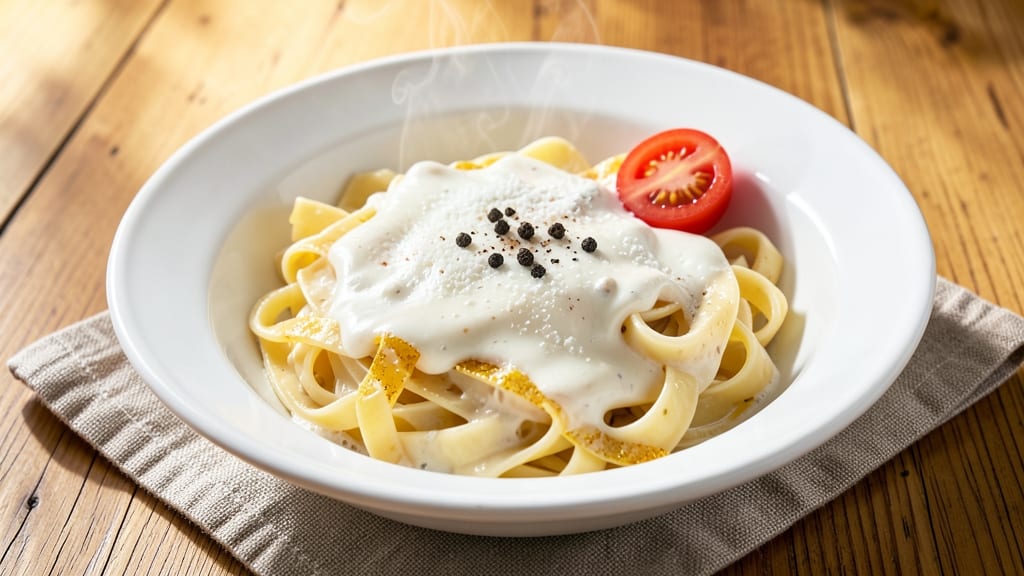
This Alfredo pasta white sauce recipe delivers velvety, lump-free perfection that clings to every noodle like a dream. The secret lies in gradual incorporation of cheese and constant stirring over low heat—no blender needed.
I've perfected this technique after years of testing, and it transforms ordinary pasta into an indulgent experience every time.
The foundation is simple: butter, cream, and cheese melted together just enough to create a silky emulsion. What sets this apart is the low-and-slow method, which prevents curdling and ensures that rich, nutty parmesan flavor shines through.
The sauce should coat the back of a spoon with luxurious smoothness, not clump or separate.
What makes this sauce exceptional is its versatility—use it immediately over hot pasta or store it for up to 5 days in the refrigerator. The flavor actually improves as it rests, developing deeper complexity.
For extra richness, substitute half the cream with heavy cream, or add a garlic clove while melting the butter for subtle depth.
This isn't just another sauce recipe—it's a game-changer that elevates any pasta dish from ordinary to extraordinary. The key is patience and attention to temperature, but the results are worth every minute of effort. Let's create something truly special for your next Italian night.
Ingredients for alfredo pasta white sauce
Eight essential ingredients transform into velvety Alfredo sauce without lumps or separation.
| Ingredient | Amount | Notes |
|---|---|---|
| Unsalted Butter 🧈 | ¾ cup | Cold, cut into small cubes |
| Heavy Cream 🥛 | 1 ½ cups | Full-fat for optimal richness |
| Parmesan Cheese 🧀 | 1 ½ cups | Freshly grated, high-quality |
| Garlic Cloves 🧄 | 2 whole | Minced, for subtle depth |
| Extra-Virgin Olive Oil 🫒 | ¼ cup | For finishing, fruity variety |
| Diamond Crystal Kosher Salt 🧂 | ½ tsp | Fine grain for delicate seasoning |
| Freshly Ground Black Pepper 🌶️ | ¼ tsp | For finishing, freshly cracked |
| Nutritional Yeast 🍄 | 2 tbsp | Optional, for umami boost |
The butter serves as the sauce's foundation, so choose high-quality unsalted—none of that salted nonsense that disrupts balance. I prefer Land O'Lakes or Plugrá for their consistent quality, but any good European-style butter works. The Parmesan is non-negotiable; Parmigiano-Reggiano from a wedge is ideal, but pre-grated will work in a pinch (though it lacks that nutty depth). For the cream, heavy cream is essential—half-and-half or light cream will yield a thinner, less luxurious sauce. The garlic? Freshly minced adds subtle complexity that jarred garlic can't match.
No heavy cream? Whole milk with 2 tbsp melted butter mimics the richness, though texture will differ slightly. Substitute Parmesan with Pecorino Romano at a 1:1 ratio for a sharper flavor. Running short on butter? Olive oil works at a 1:1 swap, though the sauce will have a different mouthfeel. The nutritional yeast, while optional, adds a cheesy umami that elevates the sauce—especially useful for those avoiding dairy. For extra depth, toast the minced garlic in butter for 30 seconds before adding cream, but don't let it brown.
This sauce is best used immediately, but it reheats beautifully. For storage, cool completely before refrigerating—it thickens as it chills, so thin with warm milk or broth when reheating. Keeps for 5 days in the fridge or 3 months frozen in airtight containers. To prevent a skin from forming, press plastic wrap directly onto the surface before sealing. For restaurant-quality results, strain through a fine-mesh sieve before serving to ensure absolute smoothness.
Why You'll Love This Recipe
- Five-Ingredient Magic: I swear by this combo—just butter, cream, Parmesan, garlic, and olive oil. That’s it. No fancy blends, no hidden spices. The sauce practically makes itself while you boil the pasta.
- Creamy Without the Drama: Honestly, I used to burn Alfredo sauces all the time. This version? Smooth, velvety, and impossible to overcook. The heavy cream and butter marry perfectly, and the garlic adds just enough punch without overpowering.
- Weeknight to Dinner Party: Between us, this is my go-to for both Tuesday dinners and Sunday suppers. Add a sprinkle of black pepper and fresh parsley for a restaurant-worthy finish, or keep it simple with grilled chicken. It’s that adaptable.
- Leftovers That Don’t Suffer: Most creamy sauces turn greasy when reheated, but this one? Still rich and luscious the next day. I’ll be real—my kids actually ask for it for lunch, and that’s saying something. Just toss with a splash of milk to loosen it up.
Step-by-step instructions for ultra-smooth Alfredo pasta sauce
Here's the professional method to create velvety, lump-free Alfredo sauce that clings perfectly to pasta.
Melt the Unsalted Butter Slowly
In a medium saucepan, combine the 0.75 cup unsalted butter cut into small cubes. Place over medium-low heat and allow it to melt completely, stirring occasionally with a wooden spoon. This gentle approach prevents the butter from browning, which would impart unwanted flavors to your sauce.
Watch the butter closely—it should melt into a smooth, liquid state without any golden flecks. Once fully melted, reduce the heat to low and maintain the butter at a gentle simmer. This controlled temperature is crucial for preventing the sauce from separating later when we add the cream.
Incorporate Garlic and Nutritional Yeast
Add the 2 whole minced garlic cloves and the 2 tbsp nutritional yeast to the melted butter. Stir constantly for 30-45 seconds until the garlic becomes fragrant but doesn't brown. The nutritional yeast will begin to dissolve slightly, adding a subtle umami depth that enhances the overall flavor profile.
Here's where attention to detail matters: don't let the garlic color. You're aiming for aroma, not char. Remove the pan from heat immediately after the garlic releases its scent. This step builds the aromatic foundation without overpowering the delicate cream sauce we're about to create.
Gradually Add Heavy Cream
Return the saucepan to low heat and slowly pour in the 1.5 cups heavy cream while whisking continuously. The key to a perfect Alfredo sauce is patience—adding the cream too quickly creates lumps that are nearly impossible to eliminate later. Whisk vigorously for 2-3 minutes until the mixture becomes smooth and begins to thicken slightly.
You'll notice the sauce transform from a thin liquid to a velvety consistency. If you see any small lumps forming, immediately increase your whisking speed or use an immersion blender for 10-15 seconds to break them down. This is your last chance to ensure a perfectly smooth sauce before adding the cheese.
Incorporate Parmesan Cheese
Reduce the heat to lowest setting and begin adding the 1.5 cups freshly grated Parmesan cheese in small increments. Whisk vigorously after each addition to ensure even distribution and prevent clumping. The cheese should melt completely into the sauce, creating a rich, creamy texture.
This is where professional chefs differ—some add all the cheese at once, while others incorporate it gradually. I prefer the gradual method because it gives the cheese time to fully emulsify with the cream. The sauce should now have a luxurious, velvety appearance with a pale golden hue.
Season and Finish
Remove the sauce from heat and stir in the 0.5 tsp Diamond Crystal kosher salt and 0.25 tsp freshly ground black pepper. Taste the sauce and adjust seasoning if needed—Alfredo sauce should be rich but not overly salty. For added depth, drizzle in the 0.25 cup extra-virgin olive oil while whisking continuously.
The olive oil not only enhances the flavor but also creates a beautiful sheen on the sauce. Keep the finished sauce warm over low heat until ready to serve, stirring occasionally to prevent a skin from forming. This sauce should coat the back of a spoon with a silky, luxurious texture that clings perfectly to pasta.
Pro Tips For Making Alfredo Pasta White Sauce
- Bloom the Garlic: Mince the cloves super fine—almost like a paste—so they melt into the butter instead of sitting there like tiny almonds. I learned this the hard way: chunky garlic burns before it softens, and you end up with a sauce that tastes like you microwaved a clove.
- Low and Slow Cream: Simmer the heavy cream on actual low heat—think "barely bubbling," not "rolling boil." After burning three batches, I finally figured out that patience here means a velvety sauce, not scrambled eggs. Stir often, but don’t rush it.
- Grate, Don’t Chop, Parmesan: Use a microplane or fine grater for the Parmesan—pre-shredded cheese has anti-caking agents that turn your sauce into a grainy sludge. Freshly grated also melts smoother and tastes way more intense. (Yes, even if you’re impatient like me.)
- Finish with Butter: Toss in a cold pat of butter at the very end—it coats the strands of pasta like armor, keeping the sauce from turning into a sad, watery mess. Sounds weird, but it works: the fat locks in flavor and prevents separation. (Your future self will thank you.)
Make-ahead tips for this alfredo pasta white sauce
Prep Ahead Strategy
Make your Alfredo sauce 24 hours ahead for deeper flavor development. Store it in an airtight container in the refrigerator—it thickens as it chills, so thin with warm milk or broth before reheating.
I like to double the recipe and freeze half in quart-sized freezer bags for future pasta nights. 🧊
Freezer Storage Tips
For long-term storage, let the sauce cool completely before transferring to freezer-safe containers or bags. Leave 1-inch headspace since it expands when frozen. Label with the date—it keeps beautifully for 3 months.
When ready to use, thaw overnight in the fridge, then reheat gently on low heat while stirring constantly.
Reheating Perfection
Never microwave Alfredo sauce—it creates a skin and ruins the texture. Instead, reheat on the stovetop over low heat with a splash of warm milk or broth to restore creaminess.
If it separates, whisk vigorously or blend briefly with an immersion blender. The sauce should return to its velvety consistency with just a few minutes of gentle heat. ✨
Make-Ahead Pasta
Cook your pasta 1 day ahead and store it in the fridge, tossed with a little olive oil to prevent sticking. When ready to serve, reheat the pasta separately and toss with freshly reheated sauce.
I find this method preserves the pasta's texture better than reheating it with the sauce. For extra indulgence, add a splash of pasta water to the sauce when reheating—it helps emulsify beautifully.
Sauce Consistency Hacks
If your sauce thickens too much when refrigerated, thin it with warm milk or pasta water while reheating. For a smoother texture, strain through a fine-mesh sieve before serving.
I keep a small container of reserved pasta water on hand specifically for this purpose—it's the secret to restaurant-quality Alfredo every time. 💫
Portion Control
Divide the sauce into individual portions before freezing or refrigerating. This makes it easy to reheat exactly what you need without dealing with large batches. For family meals, I portion into 1-cup servings—perfect for 8-ounce pasta portions.
Label each container with the date and reheating instructions for convenience. This system has saved me countless times when I'm short on time for cooking. 📅
Nutrition facts
Frequently asked questions
Why does my Alfredo sauce get lumpy?
Lumps happen when cheese or cream is added too quickly or heat is too high. The solution? Always melt butter over low heat, whisk continuously while adding cream, and incorporate cheese gradually. For stubborn lumps, use an immersion blender for 10-15 seconds—this works better than a regular blender which can break the sauce's emulsion.
Can I make this sauce without heavy cream?
Yes! For a lighter version, substitute with whole milk + 2 tbsp melted butter (1:1 ratio). For extra richness, try half-and-half with 1 extra tbsp butter. The texture will differ slightly, but the flavor remains delicious. Just remember: heavy cream creates that signature velvety mouthfeel that makes Alfredo special.
How do I prevent the sauce from separating when reheating?
Always reheat over low heat while whisking constantly. Add a splash of warm milk or pasta water to help re-emulsify. Never microwave—it creates a skin and ruins the texture. For extra insurance, strain through a fine-mesh sieve before serving to ensure silky smoothness every time.
What's the best cheese substitute for dairy-free Alfredo?
For a vegan version, use nutritional yeast (3 tbsp) + cashew cream (1 cup soaked cashews blended with water)>. Add 1 tbsp lemon juice and 1/2 tsp salt> to mimic the tangy depth of Parmesan. The sauce will be lighter but still creamy. For extra richness, stir in 2 tbsp vegan butter> at the end.
Can I make this sauce ahead and freeze it?
Let the sauce cool completely, then store in airtight containers or freezer bags> with 1-inch headspace>. It keeps for 3 months> in the freezer. Thaw overnight in the fridge, then reheat gently on the stovetop with a splash of warm milk. For best results, portion into 1-cup servings**> before freezing.