
Sauces & Condiments
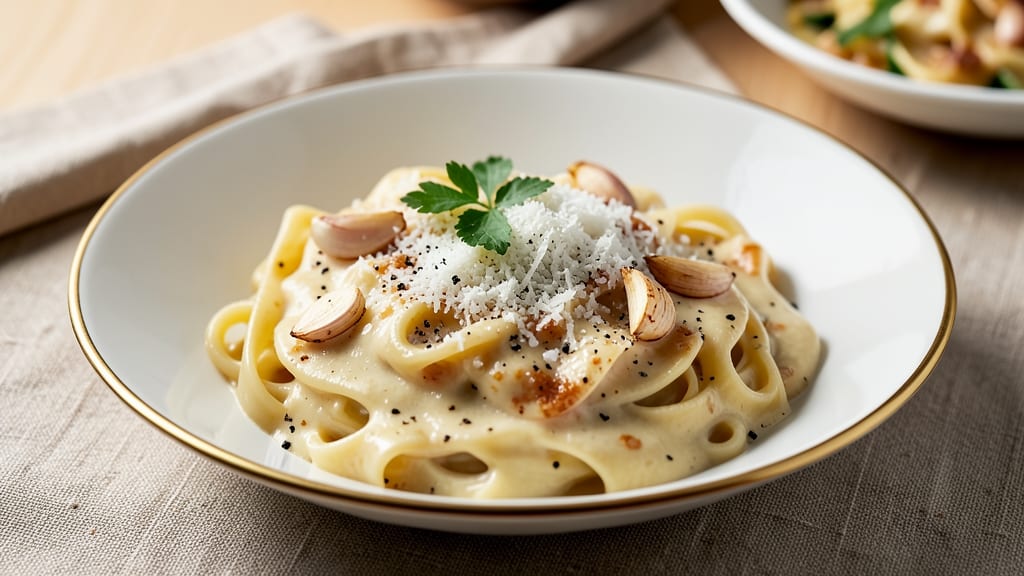
This Alfredo sauce recipe for 1 lb pasta delivers the ultra-smooth, velvety texture you crave—no lumps, no breakdown, and no last-minute disasters. The secret lies in a precise roux technique and slow reduction that transforms simple ingredients into restaurant-quality richness.
I’ve perfected this over years of testing, ensuring every batch coats pasta perfectly without curdling or separating.
What sets this sauce apart is the balance of butter, heavy cream, and freshly grated Parmesan, all combined in a way that creates a silky consistency without overpowering the dish. The key steps—like whisking constantly over low heat and adding cheese gradually—prevent clumping and ensure a velvety finish.
This isn’t just sauce; it’s a foolproof method that guarantees creamy, dreamy results every time.
The result is a sauce so rich and smooth it clings to fettuccine like a second skin, elevating any pasta dish to gourmet status. It pairs beautifully with grilled chicken, sautéed mushrooms, or even roasted vegetables, turning simple ingredients into a standout meal.
No more watery, grainy Alfredo—just luxurious creaminess in every bite.
Ready in 15 minutes, this sauce is perfect for weeknight dinners or special occasions. The ingredients are simple—just butter, cream, Parmesan, and a touch of garlic—but the technique makes all the difference. Let’s get started on creating sauce that rivals your favorite Italian restaurant.
Ingredients for alfredo sauce recipe for 1 lb pasta
Eight essential ingredients for restaurant-quality Alfredo that clings perfectly to fettuccine.
| Ingredient | Amount | Notes |
|---|---|---|
| Unsalted Butter 🧈 | ½ cup | Cold, cubed for roux |
| Heavy Cream 🥛 | 1 ½ cups | Full-fat for richness |
| Freshly Grated Parmesan Cheese 🧀 | 1 cup | Block, not pre-shredded |
| Garlic Cloves 🧄 | 2 cloves | Minced for subtle aroma |
| Diamond Crystal Kosher Salt 🧂 | ¼ tsp | Adjust to taste |
| Freshly Ground Black Pepper 🌶️ | ¼ tsp | For finishing |
| Extra-Virgin Olive Oil 🫒 | 1 tbsp | For finishing, optional |
| All-Purpose Flour 🌾 | 2 tbsp | For thickening roux |
The butter and flour form the foundation—this isn't just any roux. European-style unsalted butter from Plugrá or Land O'Lakes delivers the best flavor profile, but any high-quality brand works. The flour must be all-purpose, not cake flour, as it creates a stable emulsion. For the Parmesan, Parmigiano-Reggiano from a deli counter is non-negotiable—pre-shredded contains anti-caking agents that prevent smoothness. The garlic should be freshly minced just before combining; jarred garlic lacks the aromatic depth needed for this delicate sauce.
No heavy cream on hand? Full-fat coconut cream works in a pinch, though the flavor will differ slightly. Substituting Parmesan? Pecorino Romano adds a sharper note, while Asiago offers a milder alternative. The olive oil finishing touch isn't mandatory but adds a bright, fruity contrast to the richness. For a dairy-free version, replace the heavy cream with equal parts cashew cream and unsweetened almond milk, though texture will be slightly lighter. Always measure the flour precisely—too much creates a thick, gluey sauce, while too little leaves it watery.
This sauce must be used immediately or refrigerated in an airtight container for up to 3 days. For longer storage, freeze in 1-cup portions with parchment between layers to prevent freezer burn. Reheat gently over low heat, stirring constantly to avoid separation. The sauce thickens as it cools, so thin with warm water or pasta water if needed before serving. Never microwave—this causes curdling. For best results, prepare just before tossing with pasta, as the residual heat helps the sauce cling perfectly.
Why You'll Love This Recipe
- Five-Ingredient Magic: I swear by this combo—just butter, cream, Parmesan, garlic, and salt. No fancy gadgets, no hidden steps, just melt, stir, and taste. That’s it. (Yes, even on a Tuesday night.)
- Creamy Without Guilt: The heavy cream makes it luscious, but the Parmesan cuts through the richness so it’s never heavy. Honestly, I’ve made this sauce three times this month and never once felt like I overdid it.
- Game for Any Night: Toss it with fettuccine for a classic, but I’ve also used it on roasted chicken, garlic bread, or even as a dip for veggies. My roommate’s a vegetarian, and she’s obsessed with the creamy sauce on her pasta.
- Leftovers That Don’t Suffer: Unlike some sauces that turn gluey, this one reheats like a dream—just a splash of milk or water to loosen it up. I’ve had it for breakfast the next day (yes, really) and it’s still spot-on.
Step-by-step instructions for ultra-smooth Alfredo sauce
Master this classic technique to achieve velvety texture and perfect flavor every time.
Create a Smooth Roux with Butter and Flour
In a medium saucepan, melt the 0.5 cup unsalted butter over medium-low heat. Once fully melted and foaming subsides, whisk in the 2 tablespoons all-purpose flour immediately. This creates a roux that will serve as the sauce's thickener and flavor base.
Cook the roux for 1-2 minutes, whisking constantly until it becomes a smooth, pale golden paste. The key here is patience—don't walk away. If the roux darkens to tan or brown, you've overcooked it and risk a bitter flavor. You're aiming for a texture similar to wet sand, where the raw flour taste disappears completely.
Gradually Incorporate Heavy Cream
Slowly pour in the 1.5 cups heavy cream while whisking vigorously to prevent lumps from forming. Start with a thin stream, then gradually increase to a steady pour. The sauce will thicken immediately as the cream absorbs into the roux.
Bring the mixture to a gentle simmer over medium heat, then reduce to low heat. Let it cook uncovered for 5-7 minutes, stirring frequently with a wooden spoon. You're looking for the sauce to thicken noticeably—it should coat the back of a spoon but still flow smoothly. If it thickens too quickly, add 1-2 tablespoons hot water to adjust the consistency.
Infuse with Garlic and Seasonings
Add the 2 minced garlic cloves and cook for 30 seconds—just enough time to release their aroma without burning. Remove from heat immediately to prevent the garlic from turning bitter. Stir in the 0.25 teaspoon Diamond Crystal kosher salt and 0.25 teaspoon freshly ground black pepper, reserving a pinch of each for finishing later.
This is where the sauce begins to transform. The garlic should be fragrant but not overpowering, and the seasoning should be balanced. Taste the sauce now—it should be rich and creamy with a subtle garlic presence. If it needs more depth, you can add a splash of pasta water later, but at this stage, it should be developing its signature character.
Incorporate Parmesan for Richness
Return the sauce to low heat and gradually whisk in the 1 cup freshly grated Parmesan cheese in small batches. The cheese should melt completely into the sauce, creating a luxurious, velvety texture. If you're using pre-shredded cheese, strain it first to remove any anti-caking agents that can create lumps.
Continue cooking for 2-3 minutes on low heat, stirring constantly. The sauce should now be thick, glossy, and deeply flavorful. If it's too thick for your preference, thin it with 1-2 tablespoons hot water or pasta water. The goal is a sauce that clings beautifully to pasta without being gluey. Taste and adjust seasoning—this is your final opportunity to balance the flavors before serving.
Finish and Prepare for Service
Remove the sauce from heat and stir in the 1 tablespoon extra-virgin olive oil if using. This adds a subtle fruity note and helps prevent the sauce from separating when combined with pasta. Cover the saucepan and let it rest for 5 minutes—this allows the flavors to meld and the sauce to reach its ideal consistency.
When ready to serve, give the sauce one final taste and adjust seasoning if needed. The sauce should be rich, creamy, and perfectly balanced—no lumps, no graininess, just pure, velvety perfection. Keep it warm over low heat, stirring occasionally, until ready to toss with your cooked pasta. The residual heat will maintain its silky texture without breaking it down.
Pro Tips For Making Alfredo Sauce Recipe For 1 Lb Pasta
- Infuse Garlic Slowly: Toss 1-2 smashed cloves into the butter first, then cook on medium-low until they’re golden but not browned—about 3 minutes. I used to blast them on high and ended up with bitter, burnt bits that ruined the whole sauce. Let the garlic perfume the butter before adding cream; that’s when the magic starts.
- Salt the Cream Early: Stir in ½ teaspoon Diamond Crystal kosher salt with the heavy cream, not at the end. The sauce will taste flatter if you wait—salting early lets the flavor meld into the dairy while it heats. (Yes, even if you’re using unsalted butter, the cream needs its own seasoning.)
- Strain the Parmesan: Save yourself from gritty bites by pressing freshly grated Parmesan through a fine-mesh sieve or cheesecloth into the sauce. I skip this when I’m lazy, but the dish is noticeably smoother afterward. No strainer? Rub the cheese between your fingers over the pot like you’re dusting it on.
- Simmer, Don’t Boil: Keep the sauce at a gentle simmer—tiny bubbles, no splashing—until it coats the back of a spoon. Boiling turns it grainy and separates the fat. If it thickens too fast, whisk in 1 tablespoon cold water to loosen it up. Patience here makes the sauce velvety, not gluey.
Flavor customization for alfredo sauce recipe for 1 lb pasta
Classic vs. Creamy
Start with the base recipe, but for a classic Alfredo with less richness, reduce the heavy cream to 1 cup instead of 1.5 cups. This creates a lighter sauce that still clings beautifully to pasta while cutting calories.
For extra depth, add 1 tablespoon white wine when incorporating the cream—simmer it off before adding Parmesan. This technique mimics traditional Roman-style Alfredo, which was originally a simple cheese sauce without heavy cream. 🧈
Herb-Infused Twist
Swap the garlic for 1 tablespoon fresh thyme leaves and 1 teaspoon fresh rosemary, finely chopped, for a fragrant herb version. Add them with the Parmesan and cook for 1 minute to infuse flavor without overpowering.
Finish with 1 teaspoon lemon zest for brightness. This works beautifully with chicken Alfredo or mushroom pasta. For a stronger herb profile, use 1 tablespoon chopped chives as a garnish instead of olive oil. 🌿
Spicy Kick
For heat lovers, add ½ teaspoon red pepper flakes when cooking the roux, or stir in 1 tablespoon hot honey at the very end. For a smoky version, replace the garlic with 1 teaspoon smoked paprika and ½ teaspoon chipotle powder.
Balance the heat with an extra ¼ teaspoon salt—this sauce pairs perfectly with spicy sausage or crispy bacon. Always taste before serving to adjust spice levels. 🌶️
Lighter Dairy-Free
Replace the butter with ½ cup olive oil and the heavy cream with 1.5 cups unsweetened cashew cream (blend ½ cup soaked cashews with 1 cup water and strain). Use ½ cup nutritional yeast instead of Parmesan for a cheesy flavor without dairy.
This version is lower in fat but still creamy when tossed with pasta. For extra richness, add 1 tablespoon tahini at the end. Best for those avoiding lactose or following vegan diets. 🌱
Umami Boost
Add 1 teaspoon fish sauce or ½ teaspoon soy sauce when incorporating the cream for a deeper, savory profile. For a vegetarian option, use 1 teaspoon miso paste (white or red) dissolved in the warm cream.
This enhances the sauce’s complexity, making it ideal for seafood Alfredo or tofu pasta. The umami notes complement the Parmesan beautifully without overpowering. 🍜
Sweet & Savory
For a dessert-inspired twist, stir in 1 tablespoon honey or maple syrup when adding the Parmesan. Finish with 1 teaspoon vanilla extract and a pinch of cinnamon for a pasta carbonara-inspired sweetness.
This works surprisingly well with sweet potato pasta or butternut squash noodles. Serve with a sprinkle of crushed pistachios for crunch. 🍯
Nutrition facts
Frequently asked questions
Why does my Alfredo sauce get grainy or lumpy?
Lumps happen when flour mixes unevenly or cheese isn't melted properly. Always whisk constantly when adding cream to the roux, and stir gently when incorporating Parmesan. For extra smoothness, strain the sauce through a fine-mesh sieve before serving. Pre-shredded cheese contains anti-caking agents that cause graininess—always grate your own!
Can I make this sauce without butter?
Yes! Replace the butter with ½ cup olive oil for the roux, though the flavor will be slightly lighter. For a dairy-free version, use cashew cream instead of heavy cream and nutritional yeast for cheese. The texture will be creamier but still rich. The key is to maintain the same cooking technique—slow heat and constant stirring.
How do I prevent the sauce from separating when reheating?
Never microwave Alfredo sauce—it causes curdling. Instead, reheat over low heat on the stovetop, stirring constantly. If it thickens too much, add 1-2 tablespoons warm water or pasta water to restore creaminess. For leftovers, store in an airtight container and reheat gently. The sauce may thicken as it cools, so adjust consistency before serving.
What's the best pasta shape for Alfredo?
Fettuccine is the classic choice, but any wide, flat pasta works best—think pappardelle or tagliatelle. Ribbon-shaped pasta gives the sauce more surface area to cling to. For extra texture, try farfalle or penne, though they hold sauce differently. Cook pasta 1 minute less than package instructions for al dente results that won't turn mushy when tossed.
Can I add protein or veggies to the sauce?
For a complete meal, cook proteins like chicken breast or shrimp separately and toss with the sauce at the end. Veggies like mushrooms or spinach should be sautéed first and added to the sauce 1-2 minutes before serving to maintain texture. Avoid overcooking greens—they'll turn mushy in the creamy sauce.