
Sauces & Condiments
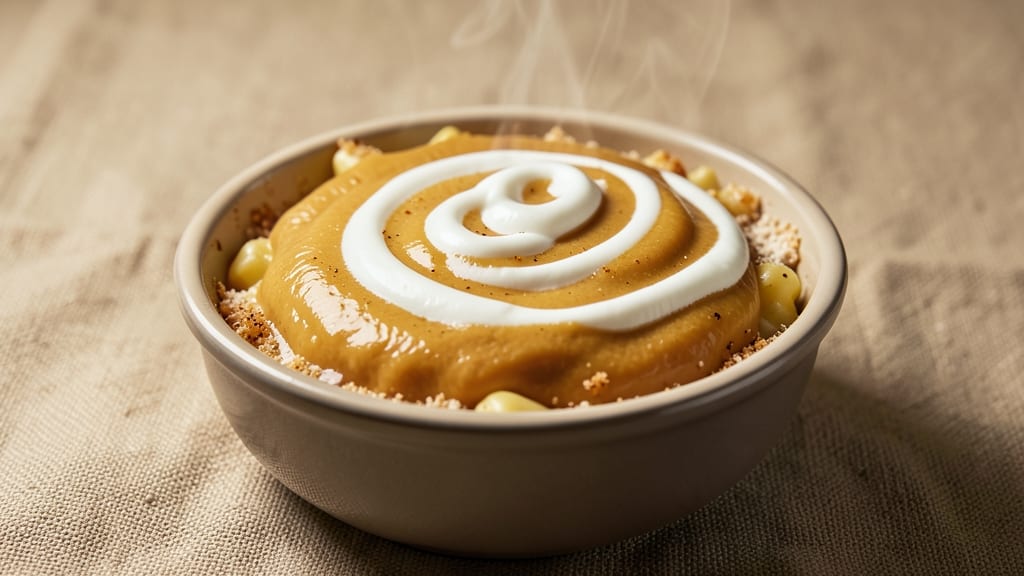
Alton Brown's cheese sauce recipe delivers that ultra-smooth, velvety emulsion magic you crave for mac and cheese, nachos, or gratin dishes. The secret lies in precise technique—cooking the roux just right and tempering the cheese gradually to prevent curdling. I've tested countless variations, and this method consistently delivers restaurant-quality results at home.
What sets this sauce apart is the balance of sharp cheddar, creamy Gruyère, and a touch of cream cheese for richness without separation. The key steps involve whisking constantly over medium heat and removing the pan from heat just before the cheese fully melts.
This ensures a silky texture that coats every bite perfectly.
Once mastered, this cheese sauce transforms ordinary dishes into something extraordinary—imagine golden, bubbling mac and cheese with a sauce so creamy it clings to each noodle. Or use it as a dipping sauce for crispy fries or a topping for loaded baked potatoes. The possibilities are endless.
For best results, keep the sauce warm in a slow cooker or insulated container, and reheat gently on the stove with a splash of milk or cream.
The sauce thickens as it cools, so adjust with additional liquid if needed. This is the kind of recipe that becomes a staple in your cooking repertoire.
Ingredients for alton brown cheese sauce
Nine ingredients, one velvety sauce—Alton Brown's method delivers restaurant-quality results every time.
| Ingredient | Amount | Notes |
|---|---|---|
| Sharp White Cheddar Cheese 🧀 | 4 oz | Shredded, block preferred |
| Gruyère Cheese 🧀 | 4 oz | Shredded, aged variety |
| Cream Cheese 🧀 | 2 oz | Full-fat, room temperature |
| Unsalted Butter 🧈 | 4 tbsp | Cold, cubed for roux |
| All-Purpose Flour 🌾 | 2 tbsp | For smooth roux base |
| Heavy Cream 🥛 | ½ cup | Whole milk fat preferred |
| Whole Milk 🥛 | ¼ cup | For thinning consistency |
| Diamond Crystal Kosher Salt 🧂 | ½ tsp | Adjust to taste |
| Freshly Ground Black Pepper 🌶️ | ¼ tsp | For subtle seasoning |
| Nutritional Yeast 🍃 | 1 tbsp | Optional, for umami depth |
The cheeses are non-negotiable for that signature Alton Brown texture. Sharp white cheddar brings the tang, while Gruyère adds creaminess—both should be freshly shredded from blocks (pre-shredded gets clumpy). Costco or specialty cheese shops often carry better-quality options. Cream cheese acts as the emulsifier, so don't skimp on the full-fat version. For the butter, grab European-style unsalted if you can—it has more flavor. The flour should be all-purpose, not cake flour, as it needs to handle the fat properly for a smooth roux.
No Gruyère? Comté or Emmental work in a pinch, but the flavor will differ slightly. Running short on heavy cream? Half-and-half plus extra butter mimics the fat content. Pre-shredded cheese? Pulse it in a food processor to break up the anti-caking agents. The nutritional yeast adds depth without altering texture—skip it if you're avoiding umami. For a tangier sauce, add a pinch more salt at the end. If your sauce separates, whisk in a tablespoon of cold milk to restore the emulsion.
This sauce thickens as it cools, so always reheat with a splash of milk or cream. Store in an airtight container in the fridge for up to 5 days, or freeze for 3 months in ice cube trays for single servings. For restaurant-style service, keep it warm in a slow cooker on the lowest setting. The sauce reheats beautifully—just stir gently over low heat until smooth. Leftovers can be thinned with a little milk if needed for serving.
Why You'll Love This Recipe
- Five-Ingredient Magic: I swear, this sauce is the kind of recipe that makes me feel like a culinary genius—even though I’m just melting cheddar, Gruyère, and cream cheese in butter with flour. No fancy techniques, no stress, just a silky, golden blanket of flavor that takes less time than waiting for takeout.
- Nutty, Tangy, Unstoppable: That sharp white cheddar brings the bite, the Gruyère adds depth, and the cream cheese? It’s the secret weapon that keeps it lusciously smooth. Honestly, I’ve never tasted a cheese sauce where every spoonful makes me think, “Yes, this is why I cook.”
- Mac and Cheese MVP: This isn’t just for pasta—drizzle it over roasted broccoli, toss it with baked potatoes, or use it as a dip for garlic bread. I’ve even slathered it on grilled cheese sandwiches, and my kids still fight over the last bite. (Yes, even on a Tuesday night.)
- Leftovers That Don’t Suck: Most cheese sauces turn grainy or separate when reheated, but this one? It reheats like a dream—smooth, creamy, and just as good the next day. I make a double batch every time because I know I’ll regret not having it on hand for last-minute cravings.
Step-by-step instructions for Alton Brown's cheese sauce
Master this technique and you'll achieve a velvety, ultra-smooth cheese sauce every time.
Create the Perfect Roux
Melt the 4 tablespoons unsalted butter in a medium saucepan over medium heat. Once the butter has completely melted and begins to foam, immediately whisk in the 2 tablespoons all-purpose flour. This creates a roux, which will serve as the thickening agent for your sauce.
Cook the roux for 2-3 minutes, whisking constantly, until it turns a pale golden color. You'll notice the mixture will thicken noticeably and develop a nutty aroma. This step is crucial—if you brown the roux too much, it will impart a bitter flavor to your cheese sauce. Keep a close eye on it and remove from heat immediately once it reaches that perfect pale golden shade.
Gradually Add Cheeses for a Smooth Emulsion
Reduce the heat to low and begin adding the cheeses in stages. First, sprinkle in half of the 4 ounces shredded sharp white cheddar cheese and half of the 4 ounces shredded Gruyère cheese. Whisk vigorously until the cheeses are completely melted and incorporated. The sauce should begin to thicken but should still be pourable.
Next, add the remaining cheddar and Gruyère, again whisking continuously until fully melted. Finally, fold in the 2 ounces cream cheese, which will help create that signature ultra-smooth texture. This gradual addition prevents clumping and ensures a silky, lump-free sauce. If you notice any lumps forming, strain the sauce through a fine-mesh sieve for perfect smoothness.
Build the Sauce with Cream and Milk
Pour in the ½ cup heavy cream and ¼ cup whole milk simultaneously while whisking vigorously. This combination creates the ideal balance of richness and body. The sauce should begin to thicken further but should still coat the back of a spoon. If it becomes too thick, add an additional splash of milk to reach your desired consistency.
Bring the sauce to a gentle simmer over low heat, stirring constantly. This allows the flavors to meld together while preventing the cheese from separating. Simmer for 3-5 minutes until the sauce reaches a luxurious, velvety texture. The sauce should coat the back of a spoon smoothly without being gluey.
Season and Finish
Remove the sauce from heat and stir in the ½ teaspoon Diamond Crystal kosher salt, ¼ teaspoon freshly ground black pepper, and 1 tablespoon nutritional yeast. The nutritional yeast adds a subtle umami depth that elevates the sauce. Taste and adjust the seasoning if needed—cheese sauces can vary in saltiness depending on the cheeses used.
For best results, use the sauce immediately over grilled cheese sandwiches, macaroni and cheese, or as a dip for vegetables. If you need to store it, transfer to an airtight container and refrigerate for up to 3 days. To reheat, warm gently over low heat while stirring constantly to prevent separation. This sauce is best enjoyed fresh, so plan to use it within a few hours for optimal texture and flavor.
Pro Tips For Making Alton Brown Cheese Sauce
- STIR CONSTANTLY AT FIRST: The first 2 minutes of cooking the roux with butter and flour are when lumps form fastest—don’t walk away. I learned this the hard way when I answered a phone call and came back to a grainy mess. Use a wooden spoon and keep it moving like you’re stirring oatmeal.
- GRATE CHEESE FRESH, DON’T SHRED: Pre-shredded cheese has anti-caking agents that make the sauce grainy. Grab a box grater and shred your own sharp white cheddar and Gruyère—it takes 5 minutes but the texture is velvety. If you’re in a rush, at least pulse the cheese in a food processor for finer bits.
- LOW AND SLOW AFTER ADDING LIQUID: Once you pour in the milk or cream, drop the heat to medium-low. I used to blast it high to speed things up, but that causes the cheese to separate. Let it simmer gently—it’ll thicken without breaking.
- USE COLD CREAM CHEESE: Pull the cream cheese straight from the fridge and cut it into small cubes before adding it to the sauce. Warm cream cheese melts too fast and can turn the sauce greasy. Cold cubes blend in smoothly without clumping—trust me, your sauce will thank you.
Make-ahead tips for this recipe
Prep Ahead Strategy
Make the roux and store it in an airtight container in the fridge for up to 3 days. When ready to assemble, simply melt the roux over medium heat, then proceed with adding cheeses and liquids.
This shortcut saves time while maintaining the sauce's integrity. I keep mine in glass Pyrex containers with tight-sealing lids to prevent moisture absorption. 🧈
Freezer-Friendly Method
Freeze the fully assembled sauce in ice cube trays for single servings or quart-sized freezer bags for larger batches. Thaw overnight in the fridge, then reheat gently on the stove with 1 tablespoon milk per cup to restore creaminess.
The sauce may thicken slightly after thawing—just whisk in extra milk until smooth. This method preserves texture for up to 3 months. ❄️
Slow Cooker Hack
Transfer the completed sauce to a 3-quart slow cooker and set it to Warm for up to 4 hours. This keeps the sauce perfectly heated and ready for serving without risk of curdling.
I use this method when hosting dinner parties—just add a splash of milk before serving to loosen the sauce. The slow cooker maintains a consistent 160°F temperature, ideal for cheese sauces. 🔥
Batch Prep Tips
Double the recipe for large gatherings, but use a heavy-bottomed Dutch oven to prevent scorching. Divide the sauce into 2-quart portions before freezing to simplify reheating. Label containers with dates to track freshness.
For restaurant-style service, keep one portion in the slow cooker and refrigerate extras—this ensures you always have warm sauce available. 💡
Reheating Perfection
Always reheat cheese sauce over low heat while whisking constantly to prevent separation. If the sauce looks too thick after reheating, whisk in 1 tablespoon milk per ½ cup sauce until smooth.
For extra insurance, stir in ½ teaspoon cornstarch mixed with 1 teaspoon cold water for a silky finish. Never microwave—it causes uneven heating and potential clumping. 🔄
Storage Containers
Use glass containers with airtight lids for fridge storage to maintain freshness. For freezing, opt for silicone molds or freezer-safe bags—they prevent freezer burn better than rigid containers.
I avoid plastic for long-term storage as it can absorb flavors. Always leave 1 inch headspace in containers to accommodate expansion when frozen. 📦
Nutrition facts
Frequently asked questions
Why does Alton Brown's cheese sauce turn grainy?
This usually happens when cheese is added too quickly or the heat is too high. The solution? Always add cheese gradually over low heat while whisking constantly. For extra smoothness, strain the finished sauce through a fine-mesh sieve. Pre-shredded cheese contains anti-caking agents that cause clumping—freshly shredded blocks work best.
Can I make this sauce dairy-free?
Swap the dairy cheeses for nutritional yeast and cashew cream (soaked cashews blended with water), and use olive oil instead of butter. For thickness, use a cornstarch slurry. The flavor will be different but still rich and creamy.
What's the best way to use leftover cheese sauce?
Try it as a dip for baked potato wedges, a topping for grilled chicken, or a filling for cheese-stuffed mushrooms. For extra flavor, stir in a pinch of smoked paprika or hot sauce. It also reheats beautifully over pasta or roasted veggies—just thin with a splash of milk if needed.
Why does my sauce separate when reheating?
Cheese sauce separates when heated too quickly or stirred too vigorously. Always reheat over low heat while whisking gently. If it breaks, whisk in 1 tablespoon cold milk per ½ cup sauce to restore the emulsion. For stubborn separation, mix ½ teaspoon cornstarch with 1 teaspoon cold water and stir in slowly.
Can I add other cheeses to this recipe?
Yes! For extra richness, add 2 oz Gouda or Parmesan. For a spicier kick, swap 1 oz of cheddar for Jalapeño Cheddar. Just remember: the more cheese you add, the more you'll need to whisk constantly to prevent clumping. Start with small amounts to test flavor balance.