
Sauces & Condiments
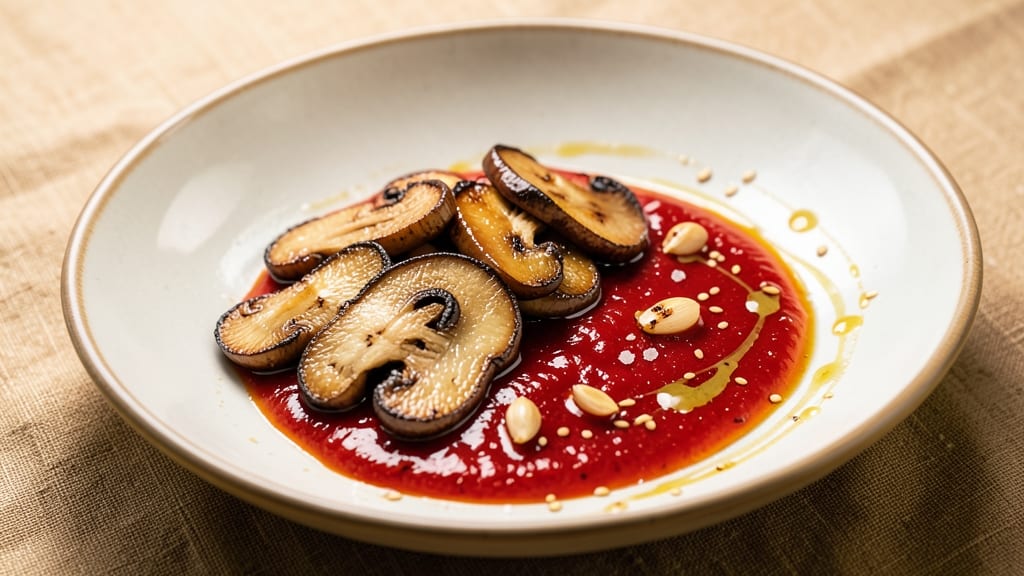
This stir fry sauce recipe delivers restaurant-quality depth without relying on chicken broth—just mushroom, soy, and a few simple pantry staples. The secret lies in a rich umami base from mushrooms and soy sauce, balanced by a touch of sweetness and acidity.
I've perfected this sauce over years of testing, ensuring it works equally well with tofu, vegetables, or noodles.
The beauty of this recipe is its versatility—no broth means it's vegetarian-friendly and works in any cuisine. A splash of rice vinegar brightens the sauce, while a pinch of sugar and sesame oil add complexity.
The sauce thickens slightly as it sits, making it ideal for tossing or dipping. It's the kind of sauce that transforms simple stir-fries into something extraordinary.
What you'll end up with is a smooth, glossy sauce that coats every ingredient perfectly, delivering layers of savory, slightly sweet, and tangy flavors. The mushrooms contribute a deep, meaty quality without needing broth, while the aromatics ensure every bite is vibrant.
This sauce keeps well in the fridge for up to a week, so you can make a big batch and enjoy it all week long.
Perfect for quick weeknight meals, meal prep, or impressing guests with minimal effort. The possibilities are endless—try it with crispy tofu, fresh vegetables, or your favorite noodles. Here's how to make it!
Ingredients for stir fry sauce recipe without chicken broth
Nine simple ingredients create this umami-rich stir fry sauce without chicken broth.
| Ingredient | Amount | Notes |
|---|---|---|
| Shiitake Mushrooms 🍄 | ½ lb | Fresh, sliced thinly for depth |
| Soy Sauce 🍶 | ½ cup | Light or dark variety preferred |
| Rice Vinegar 🍶 | 2 tbsp | For brightness and acidity |
| Granulated Sugar 🍚 | 1 tbsp | Balances flavors perfectly |
| Sesame Oil 🫒 | 1 tbsp | Toasted for nutty aroma |
| Garlic Cloves 🧄 | 3 cloves | Minced for aromatic punch |
| Fresh Ginger 🌿 | 1 tbsp | Grated, for zesty kick |
| Cornstarch 🌾 | 1 tsp | For thickening sauce |
| Water 💧 | ¼ cup | For thinning consistency |
| Vegetable Oil 🫒 | 1 tbsp | For sautéing mushrooms |
The mushrooms are the secret star here—shiitake gives that deep, meaty flavor without needing broth. Grab fresh ones from the produce section (not the dried kind), and slice them thinly. If you're in a pinch, cremini mushrooms work too, but shiitake has that extra umami punch. The soy sauce? Kikkoman or La Choy are solid choices, but any good-quality brand works. Fresh ginger and garlic are non-negotiable for that aromatic base—don't use powdered versions here. Toast your sesame oil in a dry pan for 30 seconds before adding it to the sauce—trust me, it makes all the difference.
No shiitake mushrooms? Cremini or white mushrooms will work, but the flavor won't be as deep. Short on soy sauce? Coconut aminos or tamari (gluten-free option) are great swaps. The cornstarch is key for thickening—Diamond Crystal is my go-to, but any brand works. If you're making this ahead, reduce the water slightly since the sauce will thicken as it cools. For extra richness, add a splash of miso paste (about 1 tsp) to the finished sauce. And if you're feeling fancy, toasted sesame seeds on top add texture.
This sauce keeps beautifully—up to 1 week in the fridge in an airtight container. For longer storage, freeze it in ice cube trays and thaw only what you need. The flavor actually improves after sitting for a few hours, so make it fresh and let it rest. It's perfect for tossing with stir-fried veggies, tofu, or noodles. Double the batch—you'll want leftovers. And if it gets too thick? Just stir in a splash of water or broth (even though we're avoiding it, a little veggie broth won't hurt).
Why You'll Love This Recipe
- I’ll be real: I used to stress over stir-fry sauces needing broth, but this one skips it entirely. Those shiitake mushrooms? They release their own umami depth when sautéed, so you get rich flavor without extra effort. Just slice, sear, and deglaze with soy—no measuring cups of stock to track.
- No Broth, No Problem: I’ll be real: I used to stress over stir-fry sauces needing broth, but this one skips it entirely. Those shiitake mushrooms? They release their own umami depth when sautéed, so you get rich flavor without extra effort. Just slice, sear, and deglaze with soy—no measuring cups of stock to track.
- Umami Bomb: The combo of shiitake mushrooms and soy sauce is chef’s kiss—deep, savory, and slightly funky in the best way. A splash of rice vinegar cuts through the heaviness, while that final drizzle of sesame oil? It adds a nutty finish that makes every bite taste like you spent hours in the kitchen (but you didn’t).
- Pantry Staple Power: Between us, this sauce is my lazy-day hero. Use it for stir-fries, drizzle it over rice bowls, or toss it with tofu and veggies for a quick lunch. The sugar balances the acidity so well that even my picky teenager doesn’t complain—(yes, even on a Tuesday night).
Step-by-step instructions for umami-packed stir fry sauce
This sauce builds flavor layer by layer—start with mushrooms for depth, then balance with bright vinegar and sweetness.
Sauté Shiitake Mushrooms Until Golden
Heat the 1 tablespoon vegetable oil in a medium saucepan over medium-high heat until shimmering. Add the 0.5 lb shiitake mushrooms, sliced thinly, and cook for 5-6 minutes until they release their moisture and turn deep golden brown at the edges. Stir occasionally to prevent sticking—this step develops the rich umami foundation.
Here's the thing—don't crowd the pan. If your mushrooms overlap too much, they'll steam instead of brown. I like to work in batches if needed. As they cook, you'll notice a meaty aroma developing—that's your umami building. Once they're golden, remove them with a slotted spoon and set aside, leaving the flavorful browned bits in the pan.
Build the Sauce Base with Aromatics
In the same pan (no need to wipe it clean—those browned bits are pure flavor), reduce heat to medium and add the 3 cloves minced garlic and 1 tablespoon grated fresh ginger. Cook for 30-45 seconds until fragrant but not browned—ginger should smell bright and citrusy, garlic should perfume the air without burning.
This is where the sauce gets exciting. The garlic and ginger should sizzle gently, releasing their oils. If they start to brown too quickly, reduce heat slightly. After about 30 seconds, add the 0.5 cup soy sauce and 2 tablespoons rice vinegar, scraping up all those delicious browned bits from the bottom of the pan with a wooden spoon.
Simmer and Thicken the Sauce
Return the mushrooms to the pan and add the 1 tablespoon granulated sugar and 1 tablespoon sesame oil. Bring everything to a gentle simmer over medium-low heat, then reduce heat to maintain a barely bubbling state. Let it cook uncovered for 5-6 minutes—this allows excess moisture to evaporate while the flavors meld.
I know it seems like too much liquid at first, but trust me, it'll reduce nicely. You're looking for a sauce that coats the back of a spoon but still flows freely. If it thickens too much before reaching this consistency, add 1 tablespoon water at a time until you reach the perfect balance. The sugar will help caramelize slightly, adding another layer of complexity.
Finish with Cornstarch Slurry
In a small bowl, whisk together the 1 teaspoon cornstarch and 0.25 cup water until completely dissolved. This slurry is your secret weapon for achieving that perfect stir-fry sauce consistency—thick enough to coat but still silky.
Pour the cornstarch mixture into the simmering sauce, stirring constantly for 1-2 minutes until it thickens to your desired consistency. The sauce should coat the back of a spoon but still be pourable. Taste and adjust seasoning—add a pinch more sugar if you want it sweeter, or a splash more rice vinegar if you prefer more acidity. The mushrooms should still be visible in the sauce, adding that meaty texture we love in stir-fry.
Rest and Serve
Remove the sauce from heat and let it rest for 5 minutes—this allows the flavors to fully develop and the sauce to thicken slightly more. The resting period is crucial; it's when all the components come together into a harmonious whole.
This sauce works beautifully with all kinds of stir-fries, noodles, or even as a dipping sauce. I like to serve it immediately over steamed rice or noodles, where it clings perfectly to each strand. The umami from the mushrooms pairs wonderfully with the bright acidity of the rice vinegar, while the sesame oil adds that nutty finish. Store any leftovers in an airtight container in the refrigerator for up to 5 days—it actually tastes better the next day as the flavors continue to meld.
Pro Tips For Making Stir Fry Sauce Recipe Without Chicken Broth
- Prep Mushrooms Properly: Slice shiitakes thin—about 1/8-inch or less—so they cook fast and absorb the sauce evenly. I learned this the hard way when my first batch turned to mush instead of tender bites. Pat them dry first too; wet mushrooms release too much water and dilute your sauce.
- Balance Vinegar Last: Add rice vinegar after the stir-fry cools slightly—around 10 seconds off the heat. This keeps the acid from cooking off and turning harsh. I used to dump it in early, and the bright tang always faded. Trust me, wait for that moment when the pan’s just barely steaming.
- Salt the Soy Sauce: Taste your soy sauce first—store-bought versions vary wildly in saltiness. If it’s unsalted, add 1/4 teaspoon per tablespoon of soy; if it’s salty, cut back or skip extra salt in the sauce. My grandmother swore by this, and she was right: guessing leads to bland or overpowering results.
- Finish with Cold Sesame Oil: Drizzle sesame oil off the heat to preserve its nutty aroma—heat destroys it. Use just 1/2 teaspoon; too much makes the sauce taste like perfume. I was skeptical until I tried it: the difference is subtle but undeniable.
Flavor customization for stir fry sauce recipe without chicken broth
Sweet & Tangy Twist
Crank up the brightness by adding 1 extra tablespoon of rice vinegar and ½ teaspoon of honey to the finished sauce. This balances the umami mushrooms beautifully—especially when paired with crispy tofu or bell peppers.
For a tropical vibe, swap the honey for 1 teaspoon of lime zest and a splash of fresh lime juice. The acidity cuts through the richness, making every bite refreshing. 💫
Spicy Kick Options
Want heat? Stir in ½ teaspoon of chili flakes or 1 teaspoon of sriracha for a quick jolt. For deeper spice, add 1 teaspoon of gochujang (Korean chili paste) when simmering the sauce—it adds smoky depth.
If you love Thai flavors, finish with ½ teaspoon of fish sauce (or soy sauce for vegetarian) and a pinch of white pepper. The mushrooms’ earthiness pairs perfectly with the fiery punch. 🌶️
Nutty & Toasted Depth
For extra texture and aroma, toast 1 tablespoon of sesame seeds in a dry pan until golden, then sprinkle them into the sauce. Alternatively, stir in 1 teaspoon of tahini for a creamy, nutty richness.
If you’re feeling adventurous, add ½ teaspoon of miso paste (white or red) to the simmering sauce—it deepens the umami without overpowering. The toasted notes elevate the sauce to restaurant-quality levels. ✨
Herb-Infused Freshness
Brighten the sauce with 1 tablespoon of chopped cilantro or Thai basil right before serving. For a Mediterranean twist, add 1 teaspoon of dried oregano or fresh mint—the herbs contrast the mushrooms’ earthiness beautifully.
If you love cilantro, try blending it into the sauce at the end for a smoother, herbaceous finish. The freshness cuts through the richness, making it feel lighter. 🌿
Smoky & Charred Notes
For a smoky depth, add ½ teaspoon of smoked paprika or 1 teaspoon of liquid smoke to the simmering sauce. If you have a grill or grill pan, char 1 clove of garlic and ½ teaspoon of ginger before mincing and adding them to the sauce.
The charred notes add complexity that pairs wonderfully with grilled meats or veggies. It’s a game-changer for outdoor cooking. 🔥
Creamy & Silky Variations
For a velvety texture, stir in 1 tablespoon of coconut milk or 2 tablespoons of Greek yogurt at the end. The creaminess balances the sauce’s brightness, making it perfect for dipping or drizzling over noodles.
If you’re avoiding dairy, 1 teaspoon of tahini or ½ teaspoon of peanut butter (for Asian-inspired flavors) works beautifully. The sauce becomes richer and more luxurious without losing its balance. 🥄
Nutrition facts
Frequently asked questions
Can I make this stir fry sauce without mushrooms?
If you skip mushrooms, boost umami with 1 tablespoon of miso paste or 1 teaspoon of fish sauce (or extra soy sauce). For depth, add 1 tablespoon of tomato paste when simmering. The sauce will still work but may lack that meaty richness—mushrooms are the secret star here.
How do I adjust the sweetness or tanginess?
Add more sugar for sweetness (start with ½ teaspoon at a time) or more rice vinegar for tang (begin with ½ teaspoon extra). Taste as you go—the sauce should balance all flavors harmoniously. For extra brightness, finish with a splash of lime juice before serving.
Can I use this sauce for dipping instead of stir-frying?
Perfect for dipping! Thin the sauce slightly with 1 tablespoon of water if needed for easier dipping. It pairs beautifully with spring rolls, crispy tofu, or fresh veggies. For extra richness, drizzle with toasted sesame oil before serving. The umami depth makes it irresistible.
Why did my sauce turn out too thick/thin?
For thick sauce: Add 1 teaspoon cornstarch mixed with 1 tablespoon water and simmer for 1 minute. For thin sauce: Stir in 1 tablespoon water or veggie broth (even though we're avoiding broth, a little won't hurt). Always taste as you go—adjust gradually. The cornstarch slurry is key for perfect consistency.
How long does this sauce keep, and can I freeze it?
Store in an airtight container in the fridge for up to 5 days. For freezing, portion into ice cube trays or small containers—thaw overnight in the fridge. The flavor actually improves after resting! For best texture, reheat gently on low heat, stirring occasionally. Frozen sauce works great for future stir-fries.