
Sauces & Condiments
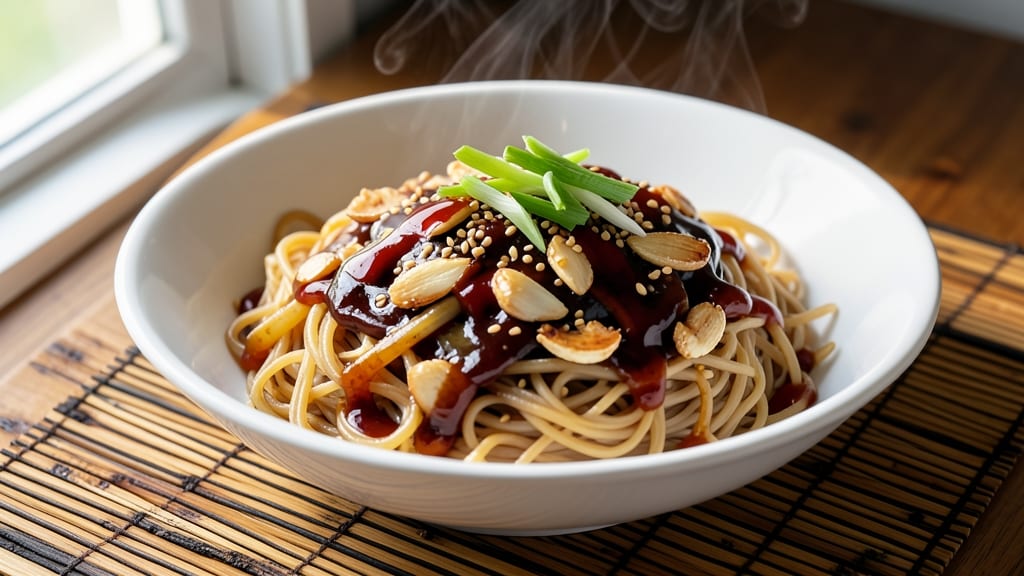
This Asian noodle stir-fry sauce recipe transforms ordinary stir-fries into restaurant-quality masterpieces with its perfect balance of sweet, spicy, and tangy flavors. 🌟 The secret lies in combining umami-rich ingredients like soy sauce and oyster sauce with aromatic garlic, ginger, and a touch of chili for depth.
I developed this sauce after years of testing—it's the one that finally made my homemade stir-fries taste like my favorite takeout dishes.
The sauce comes together in just 10 minutes using simple pantry staples, yet delivers complex layers of flavor that elevate any noodle dish.
What makes it special is the harmony between sweet (honey or brown sugar), savory (soy and oyster sauces), and heat (chili flakes or paste), all tied together with fragrant sesame oil. This isn't just a sauce—it's a flavor booster that turns basic stir-fries into memorable meals.
What you'll end up with is a glossy, aromatic sauce that clings beautifully to noodles while enhancing every ingredient in your stir-fry. The umami depth from oyster sauce and soy creates that signature Asian restaurant taste, while the ginger and garlic add fresh, bright notes.
This sauce keeps well in the fridge for up to 2 weeks, making it perfect for meal prep or keeping on hand for spontaneous cooking sessions.
Use it as a dipping sauce, stir-fry glaze, or marinade—this versatile sauce works with any Asian-inspired noodle dish. Whether you're cooking ramen, lo mein, or simple rice noodles, this recipe will become your new kitchen essential. Let's make it!
Ingredients for asian noodle stir fry sauce
Pantry staples meet bold Asian flavors—this sauce transforms simple noodles into takeout-worthy dishes.
| Ingredient | Amount | Notes |
|---|---|---|
| Soy Sauce 🍶 | ½ cup | Light or dark variety preferred |
| Oyster Sauce 🦪 | ¼ cup | For authentic umami depth |
| Honey 🍯 | ¼ cup | Or brown sugar for depth |
| Sesame Oil 🫒 | 1 tbsp | Toasted for nutty aroma |
| Rice Vinegar 🍶 | 1 tbsp | For tangy brightness |
| Garlic Cloves 🧄 | 4 cloves | Minced for aromatic punch |
| Fresh Ginger 🌿 | 1 tbsp | Grated, not powdered |
| Red Chili Flakes 🌶️ | 1 tsp | Adjust for heat preference |
| Cornstarch 🌾 | 1 tsp | For thickening sauce |
| Water 💧 | ½ cup | For thinning consistency |
The soy and oyster sauces are non-negotiable—they create that signature restaurant umami. Lee Kum Kee oyster sauce is my go-to, but any quality brand works. For soy, Japanese light soy adds brightness, while dark soy gives a deeper color. Honey or brown sugar? I alternate between them—honey adds smoothness, brown sugar brings caramel notes. Toasted sesame oil is a game-changer; Trader Joe's has the best-priced bottle. Skip the powdered ginger—freshly grated packs way more punch. Garlic? Four cloves is perfect, but I've gone up to six if I'm feeling extra flavorful.
No oyster sauce? Mushroom sauce or extra soy sauce works in a pinch, though the umami won't be identical. Substituting honey for brown sugar? Use equal amounts—both sweeten beautifully. Chili flakes too spicy? Swap for half the amount of chili paste or skip entirely. Fresh ginger powdered? Use double the amount, but it won't be as vibrant. The cornstarch is key for that glossy finish—don't skip it unless you love a thinner sauce. And if you're making a big batch, double the water first before thinning to taste.
This sauce keeps like a dream—2 weeks in the fridge sealed in a jar. The flavors actually deepen over time, which is why I always make extra. Freeze portions in ice cube trays for easy single-use servings. If it thickens too much, just add a splash of water. Pro tip: Stir before each use—the ingredients settle. And if you're using it as a marinade, let proteins soak for 15 minutes before cooking for maximum flavor infusion.
Why You'll Love This Recipe
- Five-Ingredient Magic: I swear, this sauce comes together with what’s already in my pantry—no fancy shopping, no stress. Just stir, taste, adjust. That’s it. The honey cuts through the umami punch of oyster sauce while the sesame oil adds this chef’s kiss aroma that makes my kitchen smell like a takeout spot.
- Umami Bomb: The combo of soy and oyster sauce? It’s like a flavor grenade in the best way—savory, slightly sweet, with that deep richness. A splash of rice vinegar wakes it up, so it’s never heavy. Honestly, I’ve made this sauce for everything from quick stir-fries to dipping spring rolls, and it never lets me down.
- Pantry to Plate: Between us, this is my go-to for lazy nights when I’m too tired to measure. Double the batch, store it in the fridge, and boom—you’ve got a backup for takeout cravings or last-minute dinner guests. (Yes, even on a Tuesday night when you forgot to grocery shop.)
- Budget Stretch: Oyster sauce and soy sauce are my secret weapons for making cheap proteins taste luxurious. A little goes a long way, so this sauce turns a $5 bag of noodles into a meal that feels like a splurge. Plus, it keeps for weeks, so I’m always covered—no wasted ingredients here.
Step-by-step instructions for Asian noodle stir fry sauce
This sauce comes together in minutes with bold flavors that'll elevate any stir fry.
🍳 Step 1: Bloom the Aromatics in Sesame Oil
Heat a small saucepan over medium-low heat and add the 1 tablespoon sesame oil. Let it warm for 30 seconds until shimmering but not smoking—you want to wake up those nutty aromas without burning them. Add the 4 cloves minced garlic and 1 tablespoon grated fresh ginger and cook for 1-2 minutes until fragrant and just starting to turn golden.
Here's the thing—don't rush this step. The garlic should smell sweet and inviting, not harsh. If it starts to darken too quickly, reduce the heat slightly. These aromatics form the flavor foundation, so take your time getting them right. You'll know it's perfect when your kitchen smells like a bustling Asian street market.
🍳 Step 2: Combine Wet Ingredients for Flavor Balance
Pour in the 0.5 cup soy sauce, 0.25 cup oyster sauce, and 0.25 cup honey all at once. Stir constantly with a wooden spoon for 1-2 minutes until everything is fully incorporated and the mixture begins to simmer gently. The sauce should bubble softly and reduce slightly—this is when all those flavors start melding together.
Next, add the 1 tablespoon rice vinegar and 1 teaspoon red chili flakes. Give it another 30 seconds of stirring. The vinegar adds that bright tang that cuts through the richness, while the chili flakes bring just enough heat to make the sauce sing. Taste it now—you should get a perfect balance of umami, sweetness, and a little spicy kick. If you want more heat, add another ¼ teaspoon of chili flakes.
🥘 Step 3: Thicken the Sauce Properly
In a small bowl, whisk together the 1 teaspoon cornstarch and 0.5 cup water until completely dissolved. This slurry is your thickening secret weapon. Pour it into the saucepan while stirring constantly over medium heat. Let it simmer for 2-3 minutes until the sauce thickens noticeably and coats the back of a spoon.
Real talk: don't walk away. The sauce thickens quickly, and if you're not paying attention, it can turn gluey. You want it to coat a spoon but still be pourable—not so thick it looks like paste. If it thickens too fast, add another 1 tablespoon water to adjust the consistency. The sauce should be glossy and smooth, ready to cling beautifully to your noodles and protein.
⏰ Step 4: Finish and Test for Perfection
Remove the sauce from heat and let it cool slightly for 2 minutes. This resting period allows the flavors to fully meld and the sauce to reach its ideal consistency. Give it one final taste and adjust seasoning if needed—maybe a touch more soy sauce for saltiness, or a splash of water if it's too thick.
Here's the moment that matters: the sauce should be perfectly balanced—sweet from the honey, umami-rich from the soy and oyster sauces, with that bright tang from the vinegar and subtle heat from the chili. It should coat your spoon with a glossy sheen, ready to transform any stir fry into a restaurant-quality dish. If you've followed these steps, you've got a sauce that'll make your noodles taste like they came from a bustling Asian street cart.
Pro Tips For Making Asian Noodle Stir Fry Sauce
- Whisk Before Heating: Combine all ingredients cold—soy, oyster, honey, vinegar—then whisk until the honey fully dissolves. I used to toss them in hot, and the honey would clump like glue. A quick 10-second stir with a fork keeps everything smooth.
- Salt the Soy First: If your soy sauce tastes bland, add a pinch of salt (about ¼ teaspoon per tablespoon) before mixing. Store-bought soy can be watered down, and this step guarantees depth. Trust me, your stir-fry will taste like it came from a wok, not a jar.
- Add Sesame Oil Last: Stir in the sesame oil after the sauce is off heat—just before tossing with noodles. Heat destroys its nutty aroma, and you’ll end up with a dish that smells like cooking oil instead of a restaurant. A few drops at the end make all the difference.
- Taste at Room Temp: Let the sauce sit for 5 minutes after mixing before tasting. Cold honey and vinegar throw off your palate, and you’ll either overcorrect or miss the balance. A quick pause ensures you’re adjusting flavors accurately—not just guessing.
Best sauces and condiments for these flavors
Sweet-Savory Balance
This sauce thrives on the perfect harmony between sweet and savory. The 0.25 cup honey or brown sugar adds natural sweetness that caramelizes slightly during cooking, while the 0.5 cup soy sauce and 0.25 cup oyster sauce deliver deep umami richness.
I often add an extra ½ teaspoon of honey if I want to emphasize the sweetness, especially when serving with delicate proteins like shrimp or tofu. 🌟
Spicy Heat Control
Adjust the heat to your preference using red chili flakes or chili paste. For a mild version, use just ½ teaspoon of flakes, while 1-1.5 teaspoons delivers noticeable warmth. If you prefer a smoother heat, substitute ½ teaspoon chili paste—it adds depth without the same sharpness.
I keep extra chili flakes on hand to adjust as I taste, because everyone's heat tolerance varies.
Umami Boosters
For an extra umami punch, add 1 teaspoon fish sauce or 1 tablespoon mushroom sauce when combining the wet ingredients. These ingredients deepen the savory notes without altering the sauce's balance.
I discovered this trick after tasting authentic Thai street food sauces—it's what gives them that addictive complexity. The fish sauce adds a briny depth, while mushroom sauce provides earthiness.
Acidic Brightness
The 1 tablespoon rice vinegar is crucial for cutting through the richness and adding freshness. If you don't have rice vinegar, white vinegar or even a splash of lemon juice works in a pinch.
The acidity prevents the sauce from tasting flat, especially when stored for a few days. I sometimes add an extra ½ teaspoon if I'm using extra sweet ingredients like brown sugar.
Sesame Oil Finishing
Always finish with 1 tablespoon toasted sesame oil—this is where the magic happens. The nutty aroma elevates every other flavor in the sauce. If you're feeling fancy, toast the sesame seeds separately and sprinkle them on top of your finished dish.
For an even more aromatic touch, I sometimes add ½ teaspoon of white pepper when finishing, which adds subtle warmth without overpowering the other flavors.
Storage Secrets
This sauce keeps beautifully in the fridge for up to 2 weeks when stored in an airtight container. The flavors actually improve with time as the ingredients meld together. For long-term storage, freeze portions in ice cube trays—just thaw in the fridge overnight before using.
I always make extra because it disappears so quickly. When reheating, warm gently over low heat and stir occasionally to maintain its glossy texture. 💛
Nutrition facts
Frequently asked questions
Can I make this sauce without oyster sauce?
Yes! For a vegetarian version, replace the 0.25 cup oyster sauce with 1 tablespoon mushroom sauce or 2 tablespoons extra soy sauce. The umami will be slightly different but still delicious. For a briny depth, add 1 teaspoon fish sauce (if not vegetarian) or a pinch of MSG for that savory punch.
How do I adjust the spice level?
Start with 1 teaspoon chili flakes for mild heat, or reduce to ½ teaspoon for very mild. For more heat, add ½ teaspoon chili paste instead—it's smoother and less sharp. Taste as you go! If you accidentally add too much, balance it with ½ teaspoon honey to mellow the burn.
Can I use this sauce on non-noodle dishes?
This versatile sauce works perfectly as a dipping sauce for dumplings or spring rolls, a glaze for grilled meats, or even a marinade for tofu or chicken. Let proteins marinate for 15-20 minutes before cooking to maximize flavor. It also elevates simple rice bowls or veggie stir-fries beautifully.
Why did my sauce turn out too thick?
This usually happens if you simmered too long or didn't thin properly. Fix it by whisking in 1 tablespoon water at a time until smooth. For prevention, remove the sauce from heat as soon as it coats the back of a spoon. If you prefer a thinner consistency, reduce the cornstarch to ½ teaspoon next time.
How can I make this sauce spicier without adding more chili?
For heat without extra chili, add ½ teaspoon sriracha or ¼ teaspoon cayenne pepper when combining the wet ingredients. Another trick: infuse the sauce with 1 teaspoon minced fresh chili (like Thai bird's eye) while simmering—strain before serving. The subtle heat builds over time!