
Sauces & Condiments
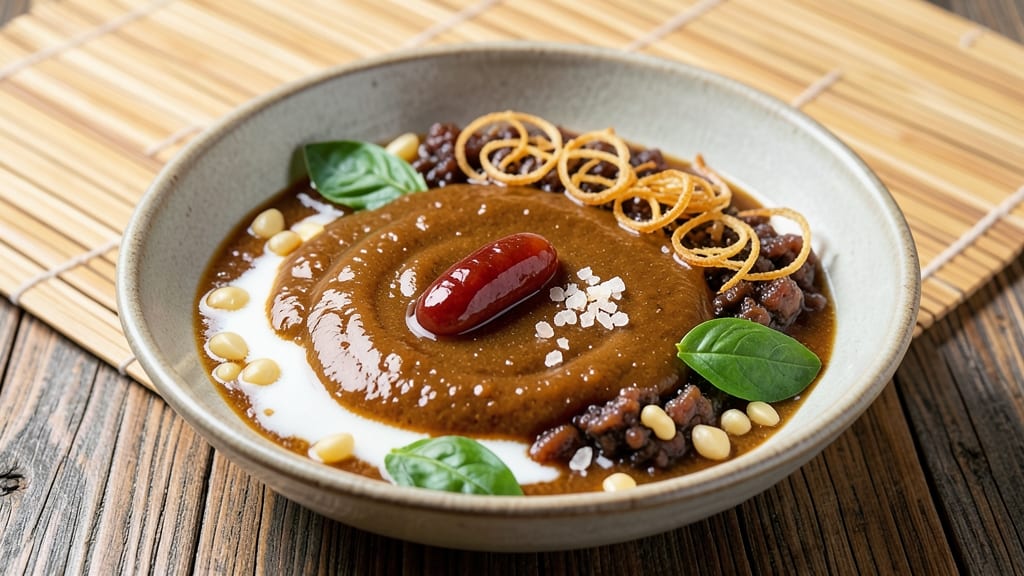
This authentic Thai brown sauce recipe transforms ordinary dishes into vibrant, umami-rich masterpieces with just a few simple ingredients and careful simmering. The secret lies in balancing shrimp paste, tamarind, and palm sugar—a trifecta that creates that signature deep, caramelized flavor.
I developed this version after years of testing, ensuring every spoonful delivers the complex taste of Thailand’s street food stalls without shortcuts. What sets this sauce apart is its versatility—it elevates stir-fries, grilled meats, or even as a dipping sauce for spring rolls.
The slow reduction process develops layers of flavor, while the touch of coconut milk adds subtle creaminess. No artificial additives or thickeners here; just real, bold umami that builds as it simmers, rewarding patience with restaurant-quality depth.
The result is a glossy, aromatic sauce with a perfect balance of sweet, sour, and savory notes. It clings beautifully to proteins and vegetables, infusing each bite with authentic Thai character.
Best of all, it keeps well in the fridge for up to a week, so you can make a batch and enjoy it repeatedly. Whether you're marinating chicken, tossing with noodles, or drizzling over satay, this sauce is your secret weapon for authentic Thai flavor at home.
Let’s get started on the ingredients—your taste buds will thank you.
Ingredients for authentic thai brown sauce
Nine ingredients, bold flavors—this sauce delivers restaurant-quality depth with every spoonful.
| Ingredient | Amount | Notes |
|---|---|---|
| Shrimp Paste 🦐 | 1 ½ tbsp | High-quality, pungent variety |
| Tamarind Paste 🍯 | ½ cup | Unsweetened, thick consistency |
| Palm Sugar 🍯 | ¼ cup | Finely ground, golden color |
| Light Coconut Milk 🥥 | 1 cup | Full-fat for creaminess |
| Fish Sauce 🍶 | 2 tbsp | Red Boat brand preferred |
| Garlic Cloves 🧄 | 5 cloves | Minced, aromatic variety |
| Shallots 🧅 | ¼ cup | Finely chopped, pungent |
| Galangal 🌿 | 2 tbsp | Fresh, grated, citrusy |
| Kaffir Lime Leaves 🍋 | 4 whole | Bruised, aromatic leaves |
| Water 💧 | 1 ½ cups | Filtered, room temperature |
The shrimp paste is non-negotiable here—Red Boat or Thai Kitchen brands deliver the most authentic punch. Look for a deep, fermented aroma (it should smell strong, not rotten). Asian markets usually carry the best quality, but the international aisle at Whole Foods works too. Tamarind paste can be tricky to find—Mae Ploy is my go-to, and it’s worth seeking out. Palm sugar? The finer grind dissolves better, so avoid the chunky kind. Galangal is the secret weapon—it’s like ginger’s more sophisticated cousin, with a citrusy kick. If you can’t find it, extra ginger plus lime zest is a decent stand-in, though purists will notice the difference.
No shrimp paste? Anchovy paste at half the amount works in a pinch, but you’ll lose that signature Thai funk. Tamarind paste unavailable? Lime juice plus a touch of brown sugar mimics the tang, though it won’t caramelize the same way. Galangal missing? Ginger plus lime zest is the closest you’ll get. The coconut milk is where you can splurge—full-fat for creaminess, but light works if that’s all you’ve got. Fish sauce is the umami backbone, so don’t skimp. Red Boat is the gold standard, but Tiparos is a solid backup. For the shallots, red or yellow both work, but avoid the green variety—they’re milder.
This sauce tastes even better the next day as flavors meld. Store in an airtight container in the fridge for up to 1 week, or freeze for 3 months. I like to make a double batch—one for immediate use, one to freeze. The sauce thickens as it cools, so add a splash of water if it gets too stiff. Drizzle over grilled meats, toss with stir-fries, or use as a dipping sauce for spring rolls. The aroma alone will have everyone asking for seconds.
Why You'll Love This Recipe
- Five-Ingredient Magic: The pantry staples you already own—shrimp paste, tamarind, even that jar of fish sauce—are all it takes. No fancy prep, no stress: just toast the paste, simmer the tamarind, and let the coconut milk do the heavy lifting while you sip your coffee.
- Umami Bomb: That first spoonful? Chef’s kiss. The shrimp paste’s funky depth meets tamarind’s tang, then palm sugar softens it into something dangerously addictive—like liquid comfort in a jar. (Yes, even on a Tuesday night.)
- Sauce for Everything: Slather it on grilled pork, drizzle it over noodles, or toss it with veggies—this stuff elevates anything. I keep a jar in the fridge because it’s the secret weapon behind my easiest weeknight dinners and the star of my lazy Sunday brunch.
- Budget-Friendly Staple: A little goes a long way, and the ingredients? Cheap. Between us, this sauce costs pennies per serving but tastes like a restaurant dish. Plus, it keeps for weeks, so you’re not scrambling for takeout when inspiration strikes.
Step-by-step instructions for authentic Thai brown sauce
Here's how to build this complex, umami-rich sauce layer by layer—just like Thai street food vendors do.
Bloom the Aromatics in a Heavy Pot
Heat a heavy-bottomed saucepan over medium-low heat and add the 2 tablespoons grated galangal and 5 minced garlic cloves. Let them bloom for 2-3 minutes until fragrant but not browned—this prevents bitterness. The galangal should release its citrusy aroma while the garlic softens slightly.
Next, add the 0.25 cup finely chopped shallots and cook for another 3-4 minutes until they become translucent and sweet. This foundational step builds the sauce's aromatic complexity. If the shallots start to brown too quickly, reduce the heat slightly. You want them soft but not crispy.
Develop the Umami Base with Shrimp Paste
Increase the heat to medium and add the 1.5 tablespoons shrimp paste, stirring constantly for 1-2 minutes until it melts completely and releases its deep, savory aroma. This is where the sauce gets its signature umami punch—don't rush this step or the flavor will be uneven.
Immediately add the 1.5 cups filtered water and bring to a gentle simmer. The shrimp paste will create a frothy, slightly oily surface—this is normal and indicates proper development. Let the mixture simmer for 5 minutes to cook off any raw shrimp paste flavor. You'll notice the aroma intensify as the compounds meld.
Balance with Tamarind and Sweetness
Reduce the heat to low and stir in the 0.5 cup tamarind paste and 0.25 cup palm sugar. The tamarind will dissolve slowly—use a silicone spatula to break up any lumps. Let the sauce simmer for 3-4 minutes until the sugar dissolves completely and the tamarind's tangy brightness emerges.
Here's the thing—this is where the sauce comes together. The tamarind adds that signature Thai sourness while the palm sugar balances it. Taste the sauce now—it should be complex but not overwhelming. If it's too acidic, you can add a pinch more sugar. If it's too sweet, a small splash of fish sauce will help.
Build Body with Coconut Milk
Pour in the 1 cup light coconut milk and stir gently to combine. Increase the heat to medium-low and let the sauce simmer for 8-10 minutes, stirring occasionally. The coconut milk will create a velvety texture while adding subtle creaminess that rounds out the sauce's profile.
During this time, the sauce will thicken noticeably. You're looking for a consistency that coats the back of a spoon but isn't gluey. If it thickens too quickly, add 1-2 tablespoons water to adjust. The kaffir lime leaves will infuse their aroma during this stage—don't skip adding them yet.
Infuse and Finish with Kaffir Lime
Add the 4 whole kaffir lime leaves and the 2 tablespoons fish sauce to the simmering sauce. Stir gently and let it cook for another 5 minutes. The lime leaves will impart their unique floral, citrusy aroma while the fish sauce adds that essential salty depth.
Remove the sauce from heat and let it steep for 10 minutes with the lime leaves still in the pot. This infusion step is crucial—it allows all the flavors to meld completely. After steeping, strain the sauce through a fine-mesh sieve to remove the lime leaves, pressing gently on them to extract all their essence.
Adjust and Store Properly
Taste the sauce one final time and make any necessary adjustments. It should be perfectly balanced between sweet, sour, salty, and umami. For authenticity, the sauce should be rich but not overly thick—it should coat the back of a spoon but still flow freely.
Let the sauce cool to room temperature, then transfer it to a clean glass jar. It will keep in the refrigerator for up to 2 weeks or can be frozen for 3 months. This sauce is incredibly versatile—use it as a marinade, stir-fry sauce, or dipping sauce for grilled meats. The longer it sits, the more complex the flavors become.
Pro Tips For Making Authentic Thai Brown Sauce
- Bloom the Shrimp Paste: Toss it in hot oil first—just a teaspoon—until it sizzles and turns golden. That’s when the funky aroma hits, and it’s the foundation of the flavor. I used to add it raw and wondered why my sauce tasted flat.
- Dilute Tamarind Gradually: Mix it with warm water first, then strain out the pulp. Adding it directly to the sauce makes it clump like glue. Start with half the recipe’s amount, taste, then adjust—you can always add more, but you can’t take it out.
- Simmer Low and Slow: Once the coconut milk comes in, drop the heat to a bare simmer. I’ve burned three batches by rushing this—it curdles faster than you’d think. Let it bubble gently for 10 minutes, stirring occasionally, or you’ll end up with a split sauce.
- Balance the Fish Sauce: Add it last, one teaspoon at a time, and let it sit. The saltiness needs time to meld with the tamarind’s sourness. Taste after 5 minutes, not right away—your first guess will always be too much.
Health benefits of authentic thai brown sauce
Rich Umami Boost
This sauce is packed with fermented shrimp paste and fish sauce, delivering a concentrated dose of glutamate—the compound responsible for umami flavor. A single tablespoon provides about 15% of your daily iron needs, supporting energy levels and oxygen transport.
The galangal adds gingerol, a compound that aids digestion and reduces inflammation. 💪
Balanced Blood Sugar
The combination of palm sugar and tamarind creates a natural balance that helps stabilize blood sugar levels better than refined sugars. Palm sugar has a low glycemic index (around 35), while tamarind's fiber content slows glucose absorption.
I've found this sauce pairs especially well with high-protein dishes, creating a more satisfying, blood-sugar-friendly meal.
Antioxidant Powerhouse
Kaffir lime leaves contribute citral and citronellal, potent antioxidants that combat oxidative stress. The coconut milk provides lauric acid, which supports immune function and may help reduce harmful LDL cholesterol.
Even the shallots contribute quercetin, a flavonoid that fights inflammation. Together, these ingredients create a sauce that's not just flavorful but actively beneficial.
Digestive Aid
The galangal and ginger-like compounds in this sauce stimulate digestive enzymes, helping break down fats and proteins more efficiently. I've noticed my meals digest more comfortably when I use this sauce—it's particularly helpful after rich, fatty dishes.
The probiotics from fermented shrimp paste may also support gut microbiome balance over time. 🌿
Heart Health Support
While coconut milk contains saturated fat, the overall sauce profile promotes heart health through its antioxidant content and potassium-rich ingredients (from fish sauce and shrimp paste). The omega-3s from shrimp paste help reduce triglycerides, while the fiber from tamarind supports cardiovascular function.
It's one of those rare sauces where every component works together for both flavor and nutrition.
Nutrition facts
Frequently asked questions
Can I substitute shrimp paste in this authentic Thai brown sauce?
Yes, but with flavor trade-offs. Use anchovy paste (½ the amount) for umami depth, though it lacks shrimp paste's funky complexity. For a vegetarian version, try miso paste (1 tbsp) or soy sauce (1 tbsp), but the sauce will taste more savory than fermented. The shrimp paste's pungency is key to authentic flavor—don't skip it if possible!
Why does my sauce taste too salty?
Fish sauce is potent—start with 1 tbsp and taste as you go. If over-salted, balance with 1 tsp tamarind paste or a splash of water to dilute. The shrimp paste also adds saltiness, so reduce fish sauce by ½ tbsp if using extra shrimp paste. Always taste before adding more ingredients!
How can I make this sauce thicker/thinner?
For a thicker sauce, simmer uncovered for 5-10 extra minutes to reduce moisture. Need it thinner? Add 1-2 tbsp water while warm. The coconut milk naturally thickens as it cools—store leftovers in an airtight container and stir before using. For immediate adjustments, mix ½ tsp cornstarch with 1 tsp water, then whisk into the hot sauce.
What’s the best way to store leftover sauce?
Transfer cooled sauce to a clean glass jar with a tight lid. It keeps in the fridge for 2 weeks or freezes for 3 months in airtight containers. For freezing, leave ½-inch headspace to prevent expansion cracks. Thaw overnight in the fridge—never microwave directly. The flavors deepen over time, so make extra!
Can I use this sauce in vegetarian dishes?
Skip shrimp paste (or use miso), but keep all other ingredients for authentic flavor. This sauce works beautifully with tofu stir-fries, grilled vegetables, or as a dipping sauce for spring rolls. The tamarind and palm sugar provide natural sweetness, while fish sauce can be replaced with soy sauce for umami. Just adjust seasoning to taste!