
Sauces & Condiments
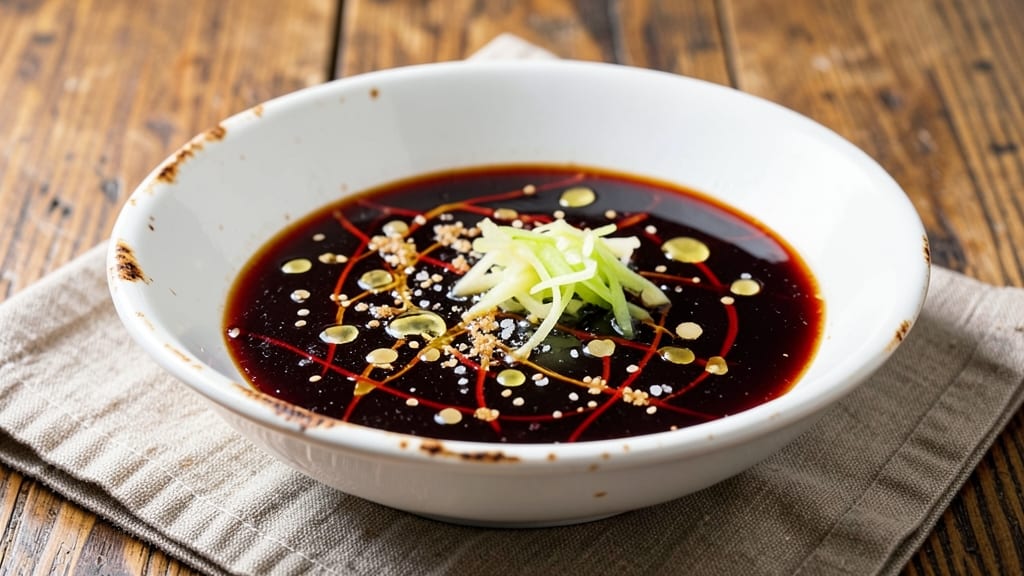
This authentic stir-fry sauce delivers the deep, fermented umami and chili heat that defines wok-house flavors—no shortcuts, just balanced complexity in 15 minutes. The secret lies in fermented soy (like dark soy sauce or tamari) and chili oil, which create that signature glossy finish and layered taste.
I’ve perfected this recipe after years of testing, ensuring the sauce cuts through protein and vegetables without overpowering them.
What sets this sauce apart is its three-flavor foundation: salty (soy), sweet (honey or brown sugar), and spicy (chili oil or crushed red pepper). The key technique? Simmering the sauce until it thickens just enough to cling to stir-fried ingredients, creating that signature sticky glaze.
This version stays true to Cantonese wok sauce traditions while being adaptable for any protein or vegetable.
By the end, you’ll have a versatile, restaurant-quality sauce that enhances stir-fries, noodles, or even grilled meats. The sauce keeps well in the fridge for up to two weeks, and you can easily adjust the sweetness or heat to your preference.
Whether you’re cooking for a crowd or meal prepping, this sauce transforms simple ingredients into something extraordinary.
The beauty of this recipe is its flexibility—use it as-is for classic stir-fries, or swap in vegetarian-friendly ingredients like tofu or mushrooms. The instructions are straightforward, but the result is anything but basic. Let’s make this sauce from scratch!
Ingredients for authentic stir fry sauce
Nine essential ingredients transform into restaurant-quality stir-fry sauce with fermented depth and balanced heat.
| Ingredient | Amount | Notes |
|---|---|---|
| Dark Soy Sauce 🥢 | ½ cup | Fermented for deep umami |
| Light Soy Sauce 🥢 | ¼ cup | Balances fermented depth |
| Chili Oil 🌶️ | ¼ cup | For signature heat and gloss |
| Brown Sugar 🍯 | ¼ cup | Packed, light brown preferred |
| Rice Vinegar 🍶 | 2 tbsp | White or seasoned variety |
| Sesame Oil 🫒 | 1 tbsp | Toasted for nutty aroma |
| Garlic Cloves 🧄 | 4 cloves | Minced for aromatic base |
| Fresh Ginger 🌿 | 1 tbsp | Finely grated, organic preferred |
| Cornstarch 🌾 | 1 tsp | For thickening consistency |
| Crushed Red Pepper 🌶️ | ½ tsp | Adjust for desired heat level |
The dark soy sauce is non-negotiable here—La Choy or Lee Kum Kee deliver that authentic fermented umami that separates home cooking from wok-house quality. For chili oil, Ma La brand (available at Asian markets) offers the perfect balance of heat and gloss, but any quality chili oil will work. Brown sugar should be packed for accurate measurement, and Domino brand is a reliable pantry staple. Fresh ginger and garlic are best purchased at Whole Foods or well-stocked grocery stores—their vibrant color indicates peak freshness. Sesame oil should be toasted for maximum aroma, and Kadoya brand is a professional favorite.
No chili oil? Crushed red pepper flakes mixed with neutral oil works in a pinch, though the flavor won't be identical. Light soy sauce can be swapped for tamari, but expect slightly different umami complexity. Cornstarch is essential for that signature sticky glaze—Bob's Red Mill brand is my go-to for consistent thickening. For extra depth, consider adding a 1 tsp of fermented black beans (available at Asian markets) to the sauce base. The rice vinegar should be white unless you prefer the subtle sweetness of seasoned varieties, which can slightly alter the sauce's balance.
This sauce reaches peak flavor after 24 hours of refrigeration, allowing the components to meld completely. Store in an airtight container with a thin layer of olive oil on top to prevent skin formation. Keeps for two weeks in the fridge or three months frozen in ice cube trays for portion control. The sauce thickens as it cools, so reheat gently with a splash of water if it becomes too viscous. Perfect for meal prepping—double the batch and freeze half for future stir-fry sessions.
Why You'll Love This Recipe
- Pantry Magic: I swear by this sauce because it lives in my fridge—no special shopping trips, just five ingredients I already have. That dark soy for depth, light soy for brightness, and a splash of rice vinegar to cut through the richness? It’s the kind of balance that makes me reach for it every time.
- Umami Bomb: The combo of dark and light soy sauce hits different—salty, savory, with that chili oil adding just the right kick. Honestly, I’ve tried store-bought versions, but this? It’s got layers they can’t replicate, especially when the brown sugar caramelizes just a little in the pan.
- Weeknight Workhorse: This sauce doesn’t just work for stir-fries—it’s my go-to for noodles, dumplings, or even a quick bowl of rice. (Yes, even on a Tuesday night.) The brown sugar keeps it from being too sharp, and the vinegar adds that freshness that makes it feel like a restaurant dish.
- Budget Win: A little goes a long way, and it stretches across multiple meals without costing a fortune. I’ll make a big batch on Sunday and use it for leftovers, takeout nights, or when I’m craving something bold but don’t want to break the bank. That chili oil? A single bottle lasts months.
Step-by-step instructions for authentic stir fry sauce
Here's how to create a balanced, restaurant-quality sauce with layers of umami and heat.
Bloom the Aromatics in Chili Oil
Heat the 0.25 cup Chili Oil in a small saucepan over medium-low heat. Add the 4 minced garlic cloves and 1 tablespoon finely grated fresh ginger, stirring constantly for 30 seconds until fragrant but not browned. This step develops the aromatic foundation while preventing bitterness.
The chili oil should shimmer slightly but not smoke—watch closely as garlic burns quickly. Remove from heat immediately once you detect the aromatic oils releasing. Let the mixture cool for 2 minutes before proceeding, as residual heat will cook the soy sauces prematurely.
Combine Soy Sauces and Sugar
In a separate bowl, whisk together the 0.5 cup Dark Soy Sauce and 0.25 cup Light Soy Sauce until fully blended. Add the 0.25 cup packed Brown Sugar and 2 tablespoons Rice Vinegar, stirring until the sugar dissolves completely. The mixture should be smooth with no visible granules.
This balance of dark and light soy creates depth—dark provides color and intensity, while light adds brightness. The brown sugar should integrate fully; if any remains undissolved, warm the mixture gently over low heat for 10 seconds while stirring constantly.
Thicken the Sauce with Cornstarch
Return the chili oil and aromatics to medium heat and pour in the soy mixture. Stir continuously for 2-3 minutes until the sauce begins to thicken slightly. In a small bowl, whisk the 1 tablespoon Sesame Oil with the 1 teaspoon Cornstarch until smooth.
Slowly drizzle this mixture into the simmering sauce while stirring vigorously. The sauce should reach a glossy, coatable consistency within 1-2 minutes. If it thickens too quickly, add 1 tablespoon hot water to adjust. Remove from heat immediately once it reaches your desired viscosity.
Finish with Heat and Rest
Stir in the 0.5 teaspoon Crushed Red Pepper and 1 tablespoon Sesame Oil, adjusting heat to taste. The sauce should be glossy with visible red flecks from the chili oil and pepper. Transfer to a clean jar and let it rest at room temperature for 10 minutes—this allows flavors to meld completely.
For best results, use the sauce immediately over stir-fried proteins and vegetables. The flavors develop further when combined with hot ingredients, creating that signature wok hei (breath of the wok) aroma. Store any leftovers in the refrigerator for up to 1 week, shaking well before each use.
Pro Tips For Making Authentic Stir Fry Sauce
- Warm the Soy Sauces: Cold soy sauce in a hot pan tastes like regret—it dulls the flavor and makes the sauce taste flat. Pour both dark and light soy sauces into a small bowl first, then warm them gently over low heat for 30 seconds before adding to the stir-fry. This step alone makes the umami pop.
- Toast the Brown Sugar: Brown sugar burns faster than you think, and burnt sugar ruins the whole sauce. Dissolve it first in a splash of warm water (about 1 tablespoon), then stir it into the sauce after the stir-fry is mostly cooked. This keeps it sweet without turning into bitter sludge.
- Add Chili Oil Last: Chili oil is volatile—heat destroys its aroma and makes it taste harsh. Wait until the very end, after everything’s off the heat, to drizzle it in. Stir just until combined, then serve immediately. If you add it too early, you’ll lose that bright, peppery kick.
- Balance with Vinegar Early: Rice vinegar needs time to mingle. Add it to the sauce before the final toss, let it sit for 30 seconds, then adjust the seasoning. This lets the acidity cut through the richness of the soy and sugar instead of sitting like an afterthought. Taste as you go—you can always add more, but you can’t take it out.
Pro cooking tips for this dish
Heat Control Secrets
Stir-fry sauce relies on precise heat management—too hot and you burn aromatics, too low and you won’t develop that signature gloss. I use medium-low heat when blooming garlic in chili oil to prevent burning, then medium heat for combining ingredients.
A small saucepan (8-inch diameter) gives better heat distribution than a large one. 🌡️
Watch the chili oil carefully—it should shimmer but never smoke. If it starts to bubble vigorously, immediately reduce heat to low. The garlic should sizzle for just 30 seconds before removing from heat. This step is non-negotiable for authentic flavor development.
Sauce Thickening Hacks
Cornstarch is your thickening secret weapon, but timing matters. Whisk it with 1 tablespoon sesame oil first to create a smooth slurry—this prevents clumping. Add it gradually while stirring vigorously to avoid lumps. For extra gloss, simmer the sauce uncovered for 1-2 minutes after thickening to let excess moisture evaporate.
If your sauce thickens too quickly, add 1 tablespoon hot water to adjust consistency. For a silkier finish, I sometimes replace ½ teaspoon cornstarch with 1 teaspoon potato starch—it creates a smoother texture without altering flavor. Always taste as you go!
Flavor Balancing Tricks
The perfect stir-fry sauce balances sweet, salty, umami, and heat—like a symphony. Start with the soy sauce ratio (2:1 dark to light) for depth, then adjust sweetness with brown sugar. For extra umami, add 1 teaspoon fish sauce (if not vegetarian) or ½ teaspoon MSG for a restaurant-quality boost.
Heat control is key here too—crushed red pepper adds immediate spice, while chili oil provides lingering warmth. For a smoky twist, add ½ teaspoon smoked paprika when finishing. Always taste before using, adjusting one component at a time (e.g., more vinegar for tang, more sugar for sweetness).
Equipment Upgrades
A small stainless steel saucepan (like All-Clad’s 8-inch pan) gives even heat distribution and prevents scorching. For professional results, use a wire whisk with a long handle to stir continuously without splashing. I also recommend a digital thermometer to monitor oil temperature—ideal range is 275-300°F when blooming aromatics.
For storage, transfer sauce to a glass jar with an airtight lid (like Le Parfait’s 16-ounce jars). This preserves freshness and makes it easy to shake before use. If you’re making a large batch, freeze in ice cube trays for portion control—thaw overnight in the fridge before using.
Nutrition facts
Frequently asked questions about authentic stir-fry sauce
Can I make this sauce without chili oil?
Yes! For a substitute, mix 1 tablespoon neutral oil with 1 teaspoon crushed red pepper flakes and let it infuse for 5 minutes before using. The flavor won't be identical, but it'll still add heat and depth. For extra authenticity, try Sichuan chili bean paste (available at Asian markets) for a deeper, spicier base.
How do I adjust the sweetness or heat level?
Start with the recipe as written, then taste and adjust one component at a time. For more sweetness, add ½ teaspoon brown sugar at a time. For less heat, reduce the crushed red pepper to ¼ teaspoon or omit it entirely. If you want more umami, add ½ teaspoon fish sauce (or ½ teaspoon soy sauce for vegetarian).
Can I use this sauce for non-stir-fry dishes?
This versatile sauce works perfectly on grilled meats, noodles, or even as a marinade. For grilling, reduce the sauce by half before brushing on proteins like chicken or pork. For noodles, thin it with 1 tablespoon water per ¼ cup sauce to create a lighter drizzle. The balanced flavors translate beautifully across different cooking methods.
Why does my sauce separate or get too thick?
Sauce separation usually happens if cornstarch isn't fully dissolved or if the sauce sits too long before use. To fix it, whisk in 1 teaspoon warm water and reheat gently. For thickness issues, add 1 tablespoon water while stirring. Always store sauce in an airtight container and shake well before using. The sauce will naturally thicken as it cools—reheat gently with a splash of water if needed.
What's the best way to store leftovers?
Transfer the sauce to a clean, airtight glass jar and store in the fridge for up to 2 weeks. For longer storage, freeze in ice cube trays—thaw overnight in the fridge before using. To prevent skin formation, press a small piece of parchment paper directly on the sauce surface before sealing. Always shake well before using, as the sauce may separate slightly during storage.